Li Chenggang, China’s 58‑year‑old vice commerce minister, blends legal expertise and personal charm with hardline tactics to lead U.S.‑China trade talks. In 2025 he helped secure a fragile truce that paused broad rare‑earth export curbs for a year and included a pledge to buy 12 million tons of U.S. soybeans. Though publicly rebuked by U.S. Treasury Secretary Scott Bessent, Li quickly rebuilt momentum and negotiated a framework that deferred tariff escalation. Observers say his preparedness and legal skill make him likely to remain central to future negotiations.
‘Unhinged’ or Strategic? Meet Li Chenggang, China’s Tough—And Calculated—Lead Trade Negotiator
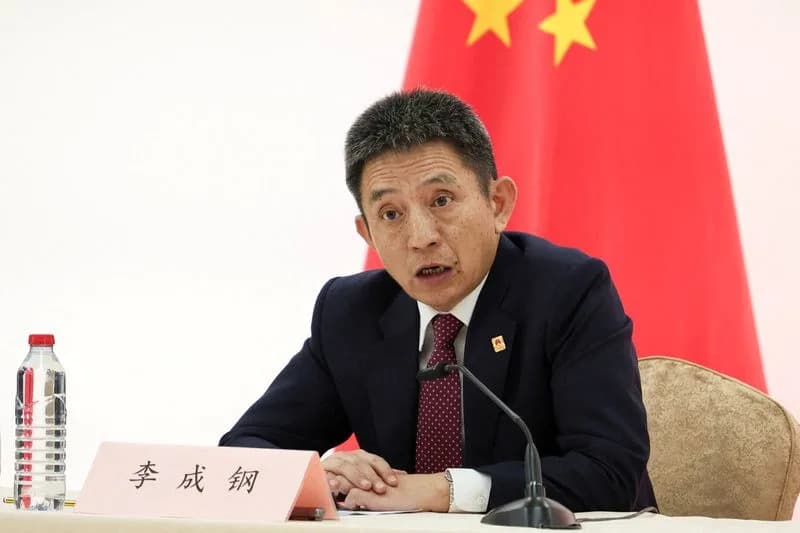
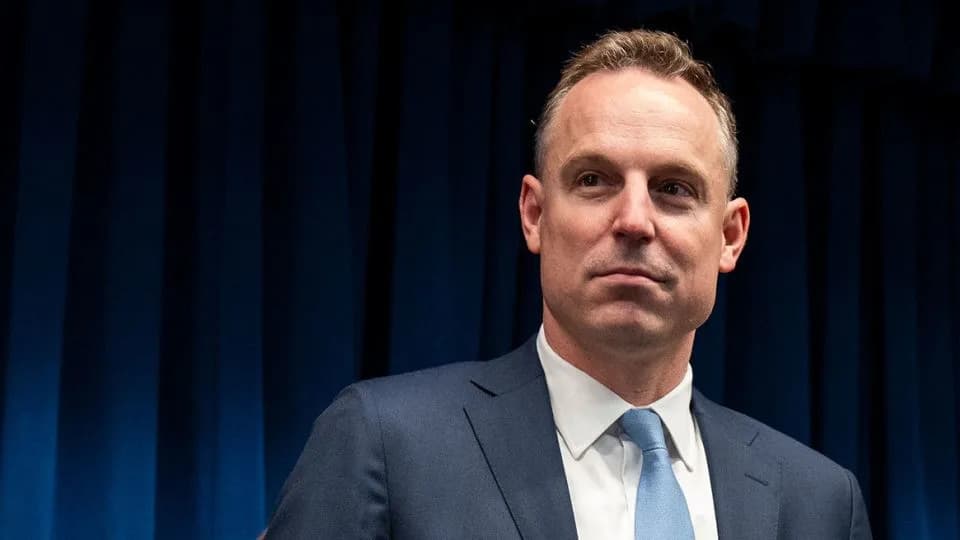
File Photo: Chinese trade negotiator Li Chenggang attends a press conference on the day of U.S.-China talks on trade, economic and national security issues, in Madrid, Spain, September 15, 2025. REUTERS/Louiza Vradi/FILE PHOTO
When U.S. Treasury Secretary Scott Bessent publicly called China’s lead trade negotiator Li Chenggang “unhinged” ahead of a pivotal October summit, he painted a dramatic portrait of a negotiator who had breached diplomatic norms. Colleagues, diplomats and businesspeople who have worked with Li say the reality is far more nuanced: a seasoned, legally shrewd diplomat who mixes personal warmth with uncompromising representation of Beijing’s interests.
A Practical, Persuasive Negotiator
Li, 58, is China’s vice commerce minister and the country’s top negotiator with the United States on trade. Described as chain-smoking and an avid collector of Chinese porcelain, he combines an encyclopedic knowledge of trade law with fluent English and an ability to "command a room," according to multiple sources. Those who have negotiated with him call him pragmatic, well prepared and strategic—able to deploy legal tools and diplomatic pressure in service of China’s objectives.
2025: Steering a Fragile Truce
From April through October 2025, Li led a string of stop‑start talks across European capitals—including Geneva, Stockholm and London—on issues that underpin roughly $660 billion in annual bilateral trade. He handled thorny topics such as export curbs on rare earths, U.S. agricultural purchases and semiconductor access. The October talks resulted in a fragile truce: China agreed to defer sweeping rare‑earth export controls for a year and committed to buying some 12 million tons of U.S. soybeans by March, while both sides negotiated measures that effectively deferred a planned 100% tariff escalation.
Public Rebuke—and a Quick Recovery
In the weeks before that summit, Li drew a public rebuke from Bessent after trying to arrange meetings in Washington with officials senior to those who would engage him, and then lecturing the U.S. side, according to officials and business sources. Bessent called Li "very disrespectful" and said he had been warned by Li that China might "unleash chaos" on the global economic system if the U.S. imposed certain measures. The exchange threatened to derail high‑level diplomacy, but the two negotiators regrouped at the ASEAN summit in Kuala Lumpur and hammered out a framework that eased tensions and blocked immediate tariff escalations.
Background And Style
Born in rural Anhui province, Li studied law at Peking University and the University of Hamburg. He ran the Ministry of Commerce’s Department of Treaty and Law from 2010 to 2017, and served as China’s representative to the World Trade Organization in Geneva from 2021 to 2025. Colleagues in Geneva describe him as an active networker who hosted dinners and could identify the dynasty of porcelain finds from Swiss flea markets—small details that underscore his diplomatic instincts and cultural fluency.
Shaping A New Approach
Observers say Li’s legal acumen and disciplined team have helped make China’s negotiating posture more cohesive and predictable. He is viewed as an effective operator within the WTO framework and a trusted implementer of directives from China’s leadership. Analysts expect him to remain a central figure in U.S.‑China trade talks as both sides prepare for potential high‑level visits in the coming year.
“Li is someone who skillfully deploys legal instruments in the trade war,” said Henry Gao, associate law professor at Singapore Management University. “I expect him to remain a leading figure in the U.S.‑China trade negotiations for years to come.”
(Edited: Antoni Slodkowski and Thomas Derpinghaus)
Help us improve.