China has opened an anti-dumping investigation into dichlorosilane imports from Japan after reporting a 31% price decline from 2022–2024, one day after restricting exports of certain dual-use goods to Japan. The measures come amid rising tensions following comments by Japan's prime minister and a visit to Taiwan by a sanctioned Japanese lawmaker. Analysts warn Beijing could consider rare-earth export limits, while China simultaneously deepens economic ties with South Korea during President Lee Jae Myung's visit.
China Opens Investigation Into Japanese Semiconductor Gas as Trade Tensions With Tokyo Escalate
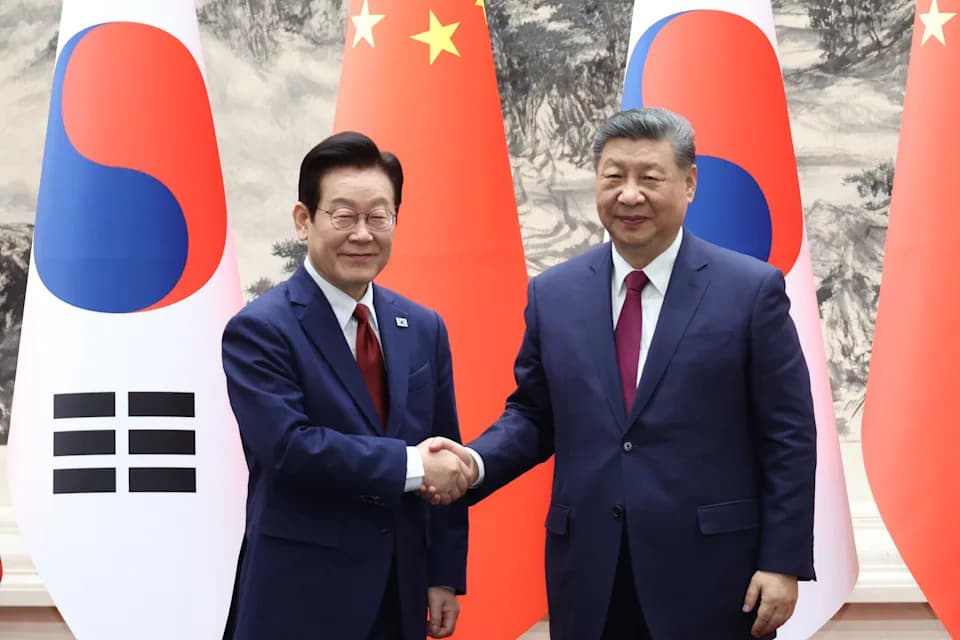
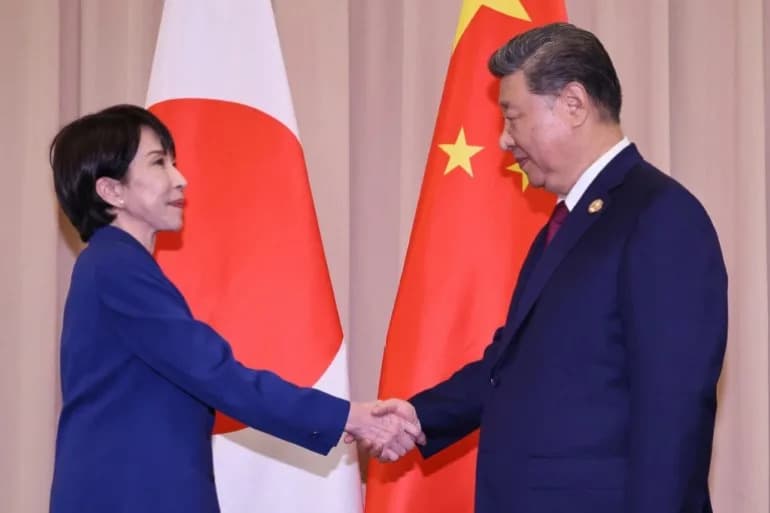
Chinese President Xi Jinping, right, shakes hands with South Korean President Lee Jae Myung, left, during a ceremony of the Memorandum of Understanding, (MOU) between South Korea and China in Beijing, China, Monday, Jan. 5, 2026. (Han Sang-kyun/Yonhap via AP)(ASSOCIATED PRESS)
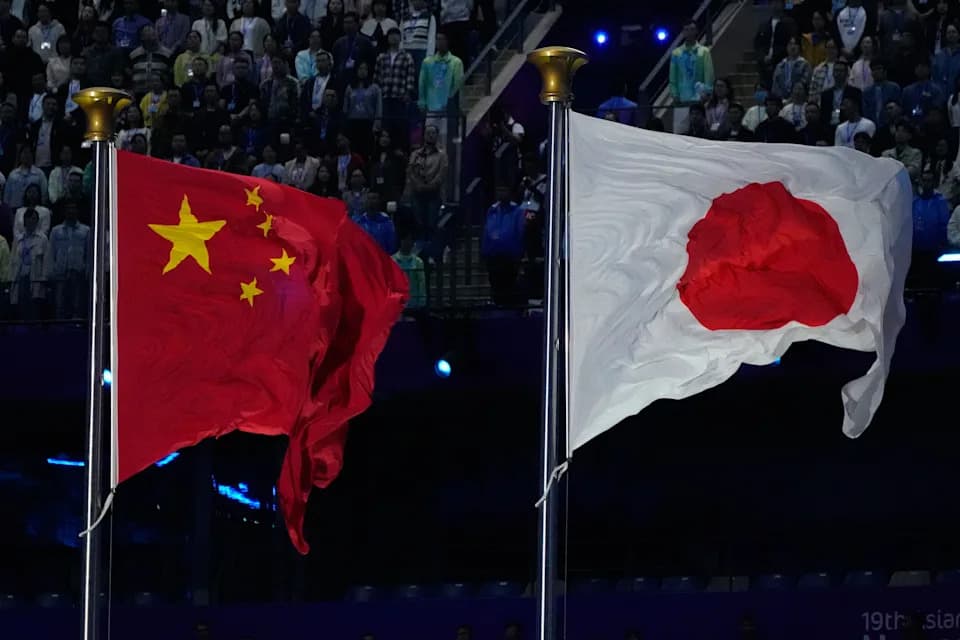
Beijing intensified trade tensions with Tokyo by announcing an investigation into imports of dichlorosilane — a chemical gas used in semiconductor manufacturing — just one day after restricting exports of certain "dual-use" items that it says could have military applications.
The Chinese Commerce Ministry said it launched the probe following a petition from domestic producers showing the price of dichlorosilane imported from Japan dropped 31% between 2022 and 2024. "The dumping of imported products from Japan has damaged the production and operation of our domestic industry," the ministry said in a statement.
The move follows Beijing's decision to bar exports to Japan of specified dual-use goods. Officials and analysts view the back-to-back actions as part of broader frictions between the two countries that accelerated after recent remarks by Japan's new prime minister and a high-profile visit to Taiwan by a sanctioned Japanese lawmaker.
Political Context
Tensions rose after Prime Minister Sanae Takaichi suggested late last year that Japan's military might act if China moved against Taiwan, an island democracy Beijing regards as its territory. The situation was further inflamed when Japanese lawmaker Hei Seki (also reported as Yo Kitano), who was sanctioned by China last year, visited Taiwan and described it as an independent country. When asked about the visit, Chinese Foreign Ministry spokesperson Mao Ning dismissed his comments as "not worth commenting on."
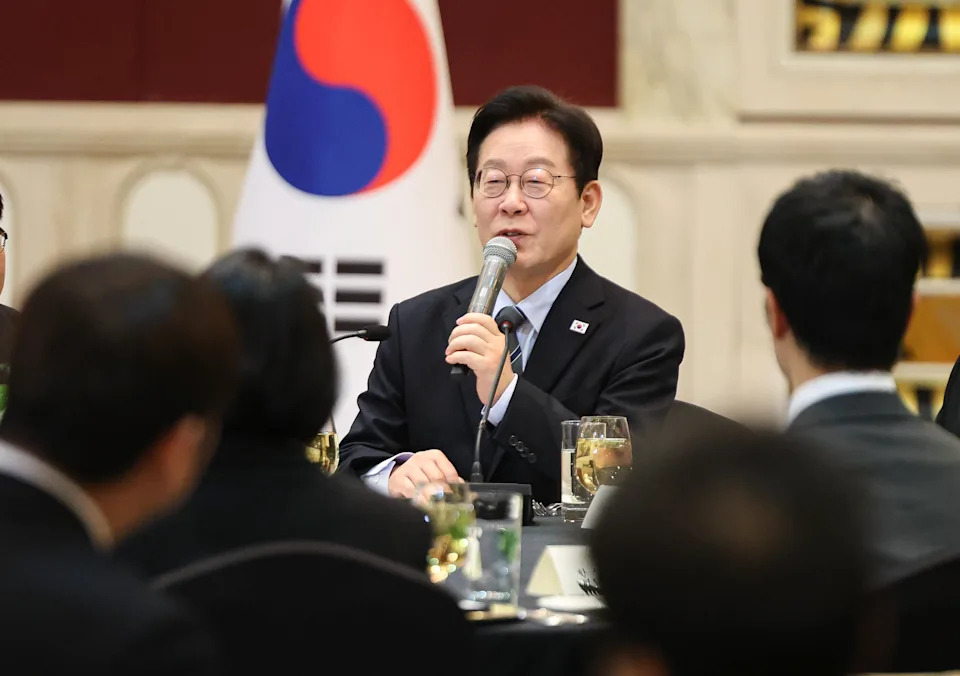
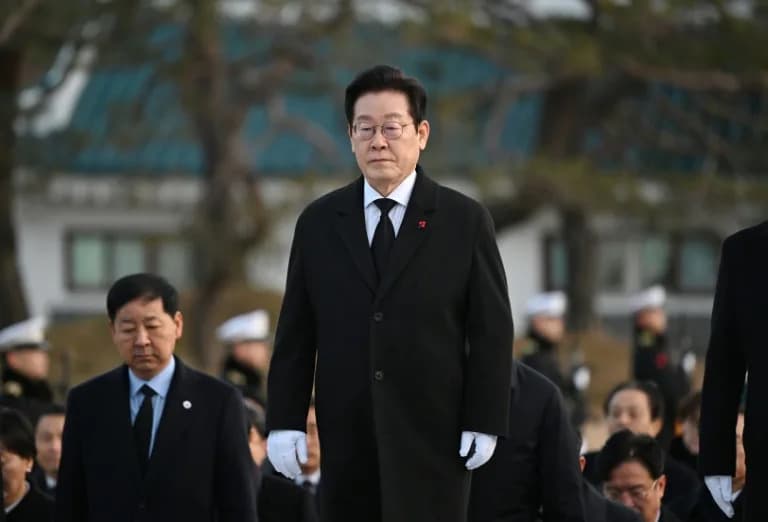
South Korean President Lee Jae Myung speaks during a meeting with members of South Korean media in Shanghai, China, Wednesday, Jan. 7, 2026. (Han Sang-kyun/Yonhap via AP)(ASSOCIATED PRESS)
Fears Of A Rare Earths Curb
Observers are watching whether Beijing may broaden its measures to include restrictions on rare earth exports to Japan — a tactic China used in past trade disputes. China supplies most of the world's heavy rare earths, which are critical for powerful, heat-resistant magnets used in sectors such as defense and electric vehicles. While the Commerce Ministry did not announce rare earth curbs, state-affiliated China Daily cited anonymous sources saying Beijing was considering tighter controls on some rare earth exports; that report could not be independently verified.
Improved South Korean Ties Contrast With Japan Row
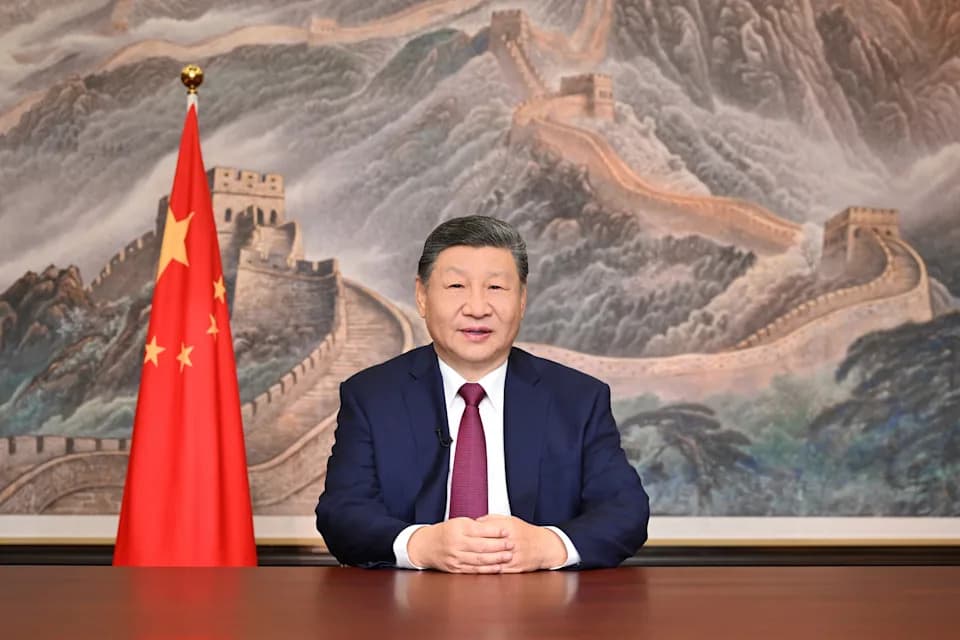
At the same time Beijing has been cultivating closer ties with South Korea. South Korean President Lee Jae Myung concluded a four-day visit to China — his first since taking office in June — during which he and Chinese President Xi Jinping oversaw cooperation agreements in technology, trade, transport and environmental protection.
Lee also joined business events where major South Korean and Chinese companies agreed to collaborate. South Korea's Ministry of Trade, Industry and Energy reported 24 export contracts worth $44 million were signed during the visit. Chinese media also reported that South Korea overtook Japan as the top destination for outbound flights from mainland China over the New Year holiday, while official Chinese commentary has discouraged travel to Japan citing safety concerns for Chinese citizens.
What Comes Next
Japan has urged China to reverse measures that "deviate from international practice," and has not yet announced retaliatory steps. Markets, supply chains and policymakers will be monitoring whether the dichlorosilane inquiry leads to tariffs or broader restrictions, and whether it signals a pattern of targeted economic pressure between the region's two largest economies.
Bottom line: The probe into a key semiconductor chemical and the earlier dual-use export curbs mark a notable escalation in China-Japan trade tensions, with potential ripple effects for critical-material supply chains and regional diplomatic dynamics.
Help us improve.