
China has banned exports of certain dual‑use goods to Japan if those items could strengthen Tokyo's military, targeting shipments to Japanese military end‑users and any recipients that might enhance Japan's defense capabilities. The commerce ministry warned that violators will face legal penalties regardless of nationality, though it did not name specific items. The announcement comes amid escalating tensions over Taiwan, recent Chinese military drills, and Japan's plans to boost defense spending.
China Bans Exports of Dual‑Use Goods to Japan, Citing Military Risk Amid Taiwan Tensions
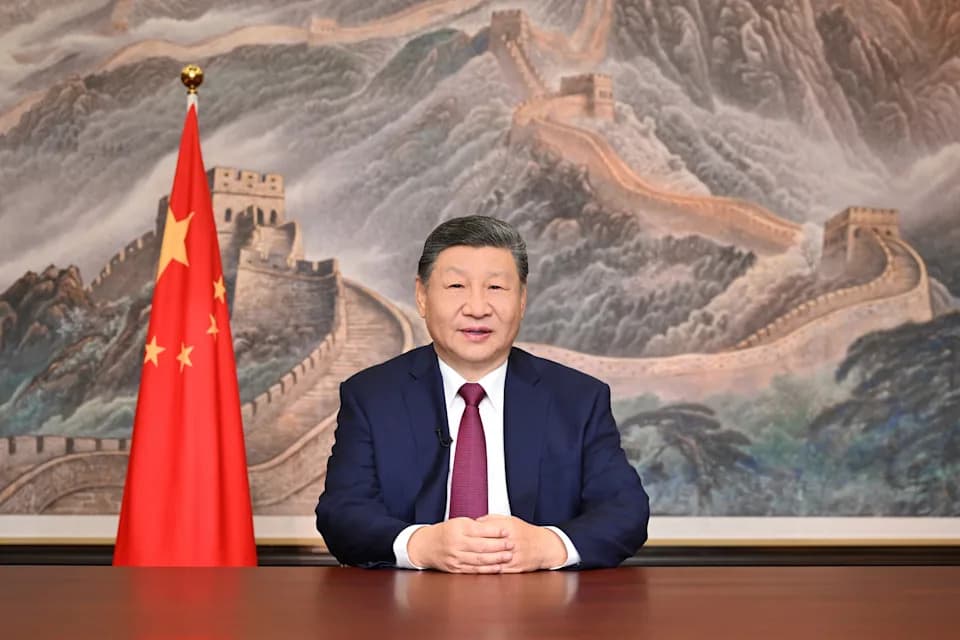
In this photo released by Xinhua News Agency, Chinese President Xi Jinping delivers his 2026 New Year message in Beijing on Wednesday, Dec. 31, 2025. (Yan Yan/Xinhua via AP)(ASSOCIATED PRESS)
China announced on Tuesday that it will prohibit exports of certain dual‑use goods to Japan if those items could be used by Japan's military or otherwise strengthen Tokyo's armed forces. The commerce ministry said the ban applies to shipments destined for Japanese military end‑users and to any other recipients who might enhance Japan's military capabilities.
What Beijing Said
In an official statement, the Ministry of Commerce warned that any individual or organization that transfers or provides the specified made‑in‑China items to Japanese groups or individuals would face legal penalties, regardless of the violator's nationality or where they are located. The notice did not list specific products.
Possible Affected Technologies
While the directive did not identify exact items, authorities noted that some technologies commonly exported for civilian use can be repurposed for military applications. Sectors likely to be affected include unmanned aerial systems (drones), high‑precision navigation and guidance systems, and other sensitive electronics.
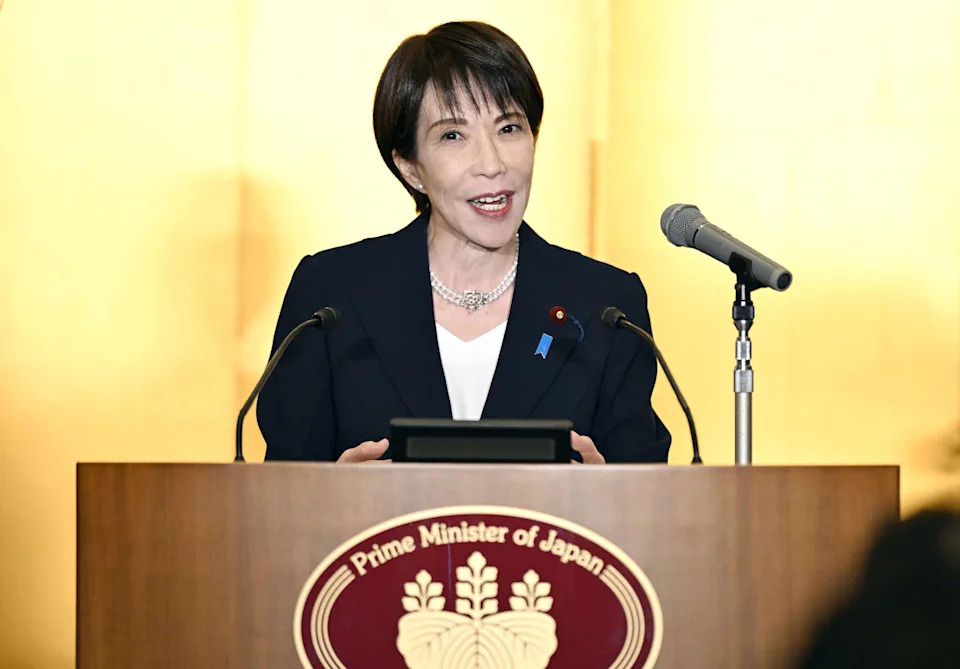
Japanese Prime Minister Sanae Takaichi, speaks during her New Year's news conference in Ise, Mie prefecture, central Japan Monday, Jan. 5, 2026. (Kasumi Fukudome/Kyodo News via AP)(ASSOCIATED PRESS)
Context And Reactions
There was no immediate official reaction from Tokyo. The move comes amid rising tensions between Beijing and Tokyo over Taiwan, the self‑governing island China claims as its territory. Relations deteriorated after public comments by Japanese politicians, including Sanae Takaichi, suggesting Japan's military could become involved if China acted against Taiwan.
In December, Japan said Chinese military aircraft locked radar on its fighter jets during a close encounter, an episode Tokyo described as dangerously provocative even though the planes remained at a distance. In response to growing concerns over regional security, Japan has announced plans to significantly strengthen its defenses, including proposals to double annual defense spending.
Last week, China conducted two days of large‑scale military drills around Taiwan, which Beijing framed as a warning to separatists and foreign interference. At the time, Chinese Foreign Minister Wang Yi criticized both Japan and what he called Taiwan's "pro‑independence forces," accusing some Japanese leaders of challenging China's territorial claims and the postwar international order.
During a meeting in Beijing with South Korean President Lee Jae‑myung, Chinese leader Xi Jinping urged China and South Korea to "join hands to defend the fruits of victory in World War II and safeguard peace and stability in Northeast Asia."
What Comes Next
The export controls add a new layer to an increasingly fraught security environment in East Asia. Companies and governments that deal in sensitive technologies will be watching for a follow‑up list or implementing guidance from Beijing that specifies the goods covered and the enforcement mechanism.
Help us improve.





















