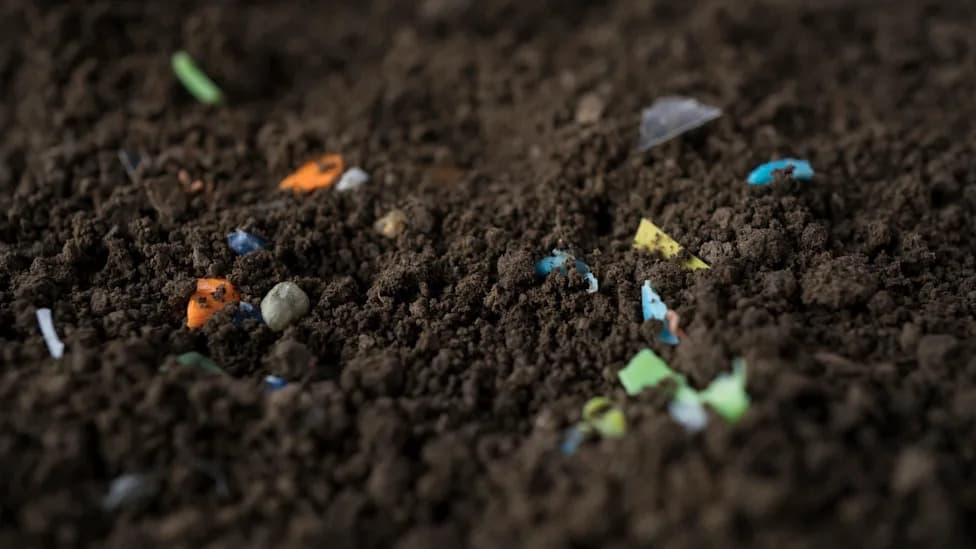
The University of Portsmouth analysed just over three dozen donkey and cattle faecal samples from Lamu Island and detected microplastics (≤5 mm) in every specimen. The finding underscores a major evidence gap: terrestrial microplastic contamination is far less studied than marine pollution. Emerging research links microplastics to potential cardiovascular and other health risks, though scientists say more study is needed. Researchers and animal-welfare partners call for coordinated action and improved waste management to reduce plastic exposure.
Microplastics Found in 100% of Donkey and Cattle Droppings on Kenyan Island, Study Warns
Researchers from the University of Portsmouth studying animals on Lamu Island, Kenya, found microplastics in every donkey and cattle faecal sample they tested. The team analysed just over three dozen samples collected from working animals on the UNESCO World Heritage island — where cars are banned and donkeys are central to daily life — and detected plastic fragments measuring 5 millimetres or less in 100% of specimens.
The study was carried out in partnership with local animal-welfare organizations including The Donkey Sanctuary. Observers first watched animals grazing (roughly three-quarters donkeys and one-quarter cattle), then collected and analysed faecal material for plastic particulate matter. The uniform presence of microplastics highlights a major evidence gap: while marine microplastic pollution has been extensively studied since the particles were first reported in 2004, terrestrial contamination and its effects on land animals and people remain far less understood.
Microplastics have now been documented in remote and rarely visited environments around the world. Although research into human health effects is ongoing, emerging studies have linked microplastic exposure to a range of concerning outcomes, including possible impacts on cardiovascular health, vascular function and increased risk for some cancers. Scientists emphasize, however, that many health risks are still being investigated and causal pathways are not yet fully established.
“I have seen the terrible — and preventable — suffering caused to donkeys that have ingested plastics,” said Dr. Obadiah Sing'Oei, programme manager at The Donkey Sanctuary. “This study provides hard evidence of the true scale of the problem and its widespread impact. Together with our partners, we will not rest until we have a joined-up solution to create a safer environment for all.”
The authors call for more land-based research, better waste-management practices, and coordinated action to cut plastic leakage into the environment. At the household level, practical steps can reduce direct exposure: choose reusable and plastic-free alternatives where possible, avoid single-use plastic, properly dispose of waste, and support policies and local initiatives that reduce plastic pollution.
While solving microplastic contamination will require time and systemic change, this study’s clear finding — microplastics in every tested sample from working animals on Lamu Island — underscores the urgency of tackling plastic pollution on land as well as at sea.
Help us improve.