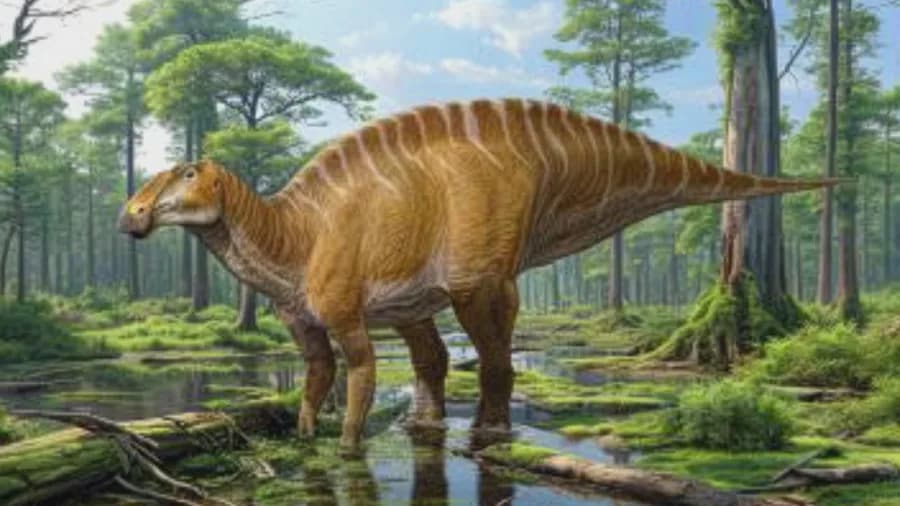
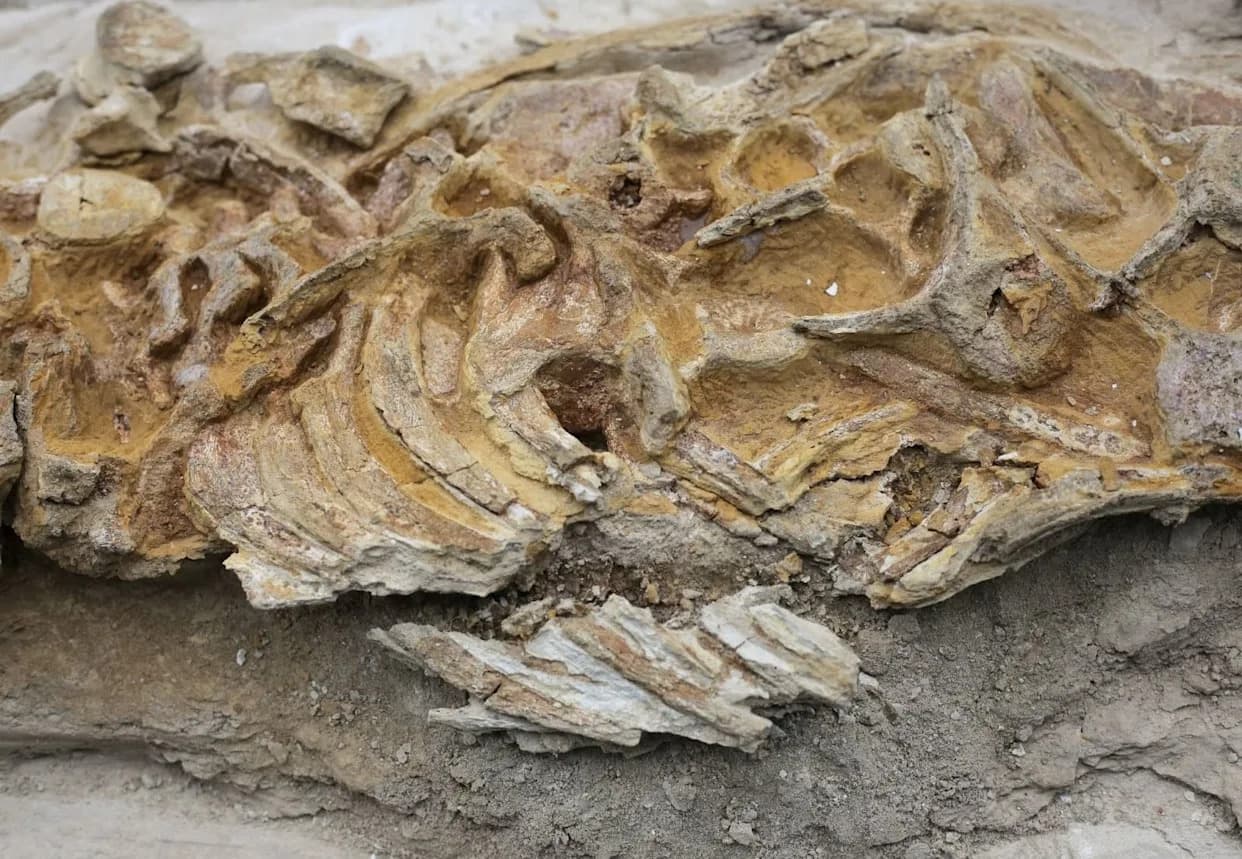
The asteroid impact 66 million years ago that ended the non-avian dinosaurs also transformed forests, producing denser rainforests and new ecological opportunities. Paleobotanist Mike Donovan explains that vines, legumes and other plant groups expanded after the extinction, eventually giving rise to crops such as green beans, yams, coffee and cacao. Fossil evidence, displayed in the Field Museum's After the Age of Dinosaurs exhibit, helps trace these evolutionary steps and may inform how vegetation will respond to future environmental change.
How the End of the Dinosaurs Helped Create Your Thanksgiving Plate

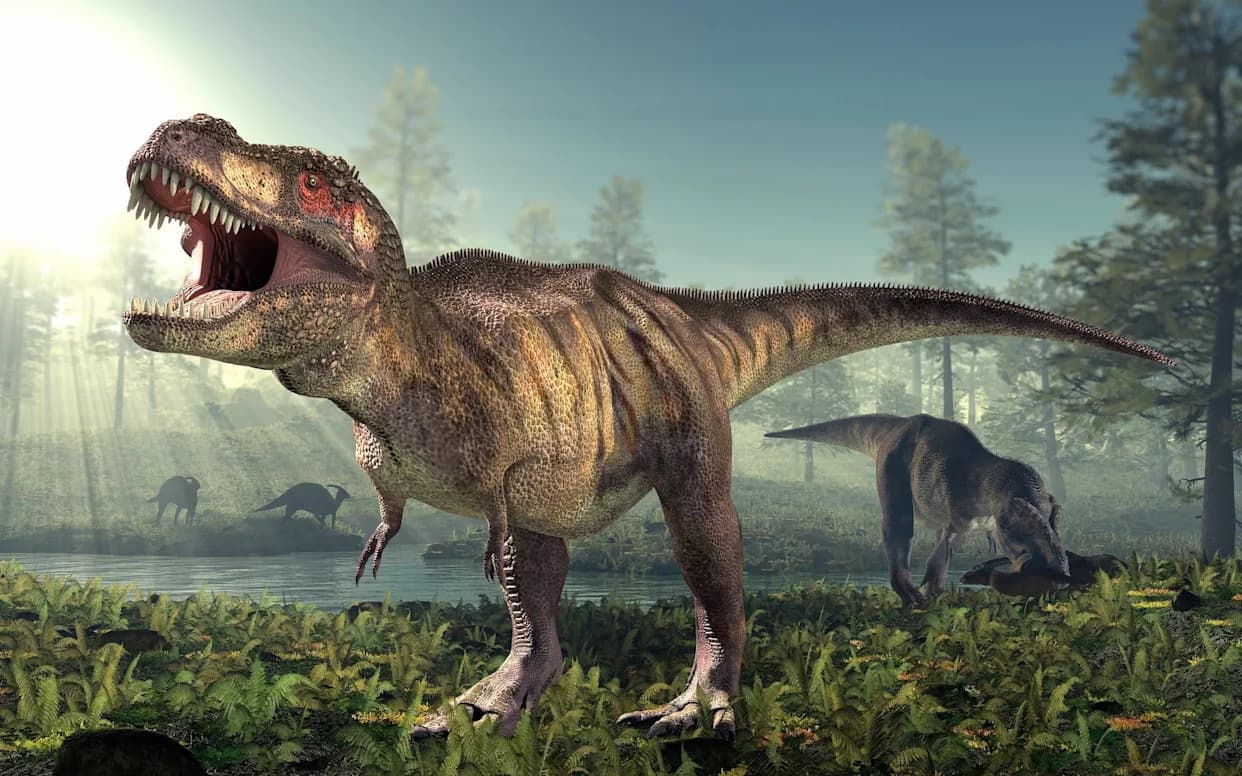
Many of the foods on a modern Thanksgiving table trace their deep origins to a dramatic moment in Earth’s history. When a roughly 6.2-mile-wide asteroid struck about 66 million years ago, it triggered the Cretaceous–Paleogene extinction that wiped out non-avian dinosaurs and roughly three-quarters of all species. That upheaval reshaped ecosystems and opened ecological opportunities that allowed new plant groups to diversify and eventually become staples of human agriculture and cuisine.
“The dinosaurs’ absence meant changes in the forest structure—you went from a more open canopy to a more-closed canopy rainforest,” said Mike Donovan, a paleobotanist and manager of fossil plants at Chicago’s Field Museum. “This denser rainforest provided an opportunity for plants that grew on vines on tree trunks, including things like grapes and legumes.”
The extinction did not only remove animals; extensive plant communities also disappeared. But those losses created new ecological space. Over millions of years, vines, legumes, and many other plant groups expanded in the richer, shadier forests that followed. From those lineages came ancestors of foods we now recognize: green beans and other legumes, tuber crops such as yams, and tropical staples like coffee and cacao.
These evolutionary steps are recorded in the fossil record. Fossilized leaves, fruits and seeds preserved in ancient sediments show how plant forms changed and diversified after the extinction. Many of those specimens are on display in the Field Museum’s temporary exhibit After the Age of Dinosaurs, where scientists use the evidence to reconstruct past ecosystems and trace the origins of modern plant groups.
Why this matters today
Understanding how plants responded to past mass changes helps scientists predict how vegetation may react to rapid environmental shifts now and in the future. The same traits that allowed certain plants to thrive after the extinction—flexibility in habitat, seed and dispersal strategies, and relationships with pollinators—can inform conservation, agriculture and climate resilience work today.
Bottom line: The disappearance of the dinosaurs wasn't just an animal story—it reshaped forests and paved the way for many of the plants that eventually became central to human diets and economies.
Help us improve.