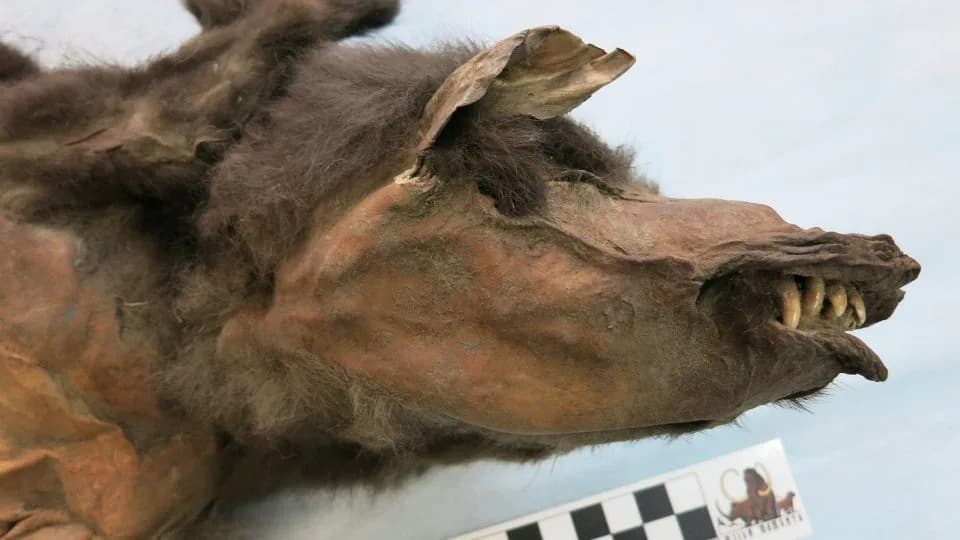
The genomic and isotopic study of two 3,000–5,000-year-old canid remains from Stora Karlsö shows they were wolves, not dogs, and were likely brought to the island by people. Compared with mainland wolves, these individuals were smaller, had low genetic diversity, and ate marine foods like seals and fish — implying provisioning by humans. One wolf had a crippling leg injury, further suggesting care. Together the evidence points to deliberate, long-term human–wolf relationships during the Bronze Age.
Wolves, Not Dogs: Bronze Age Islanders Brought and Cared for Wolves on a Baltic Islet

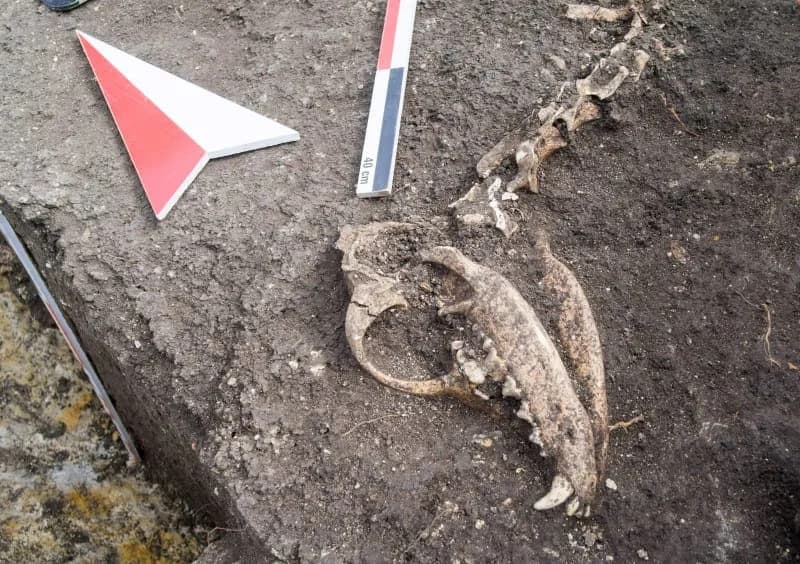
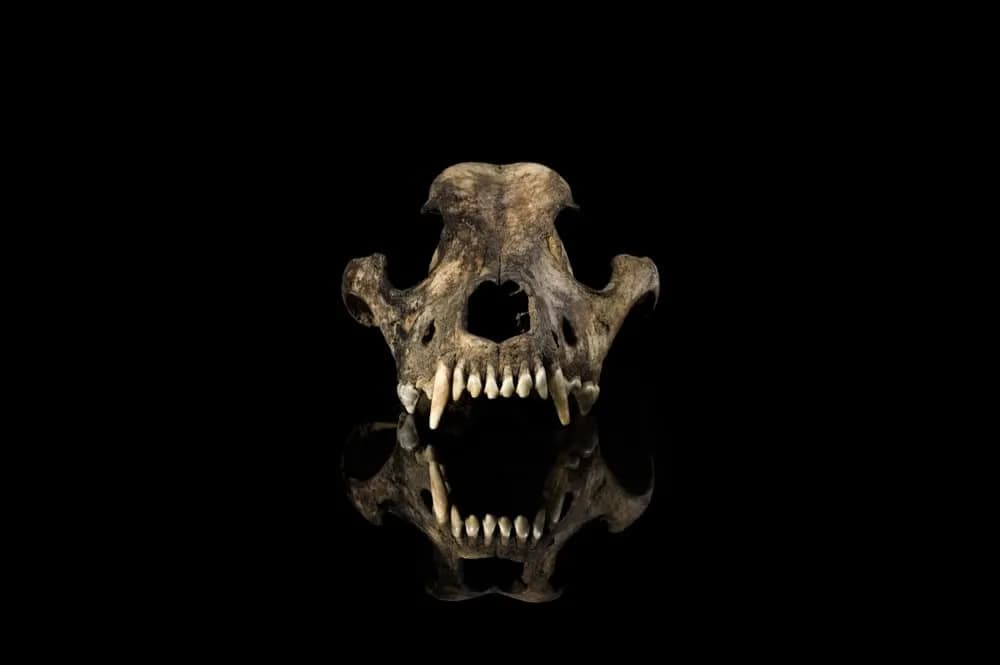
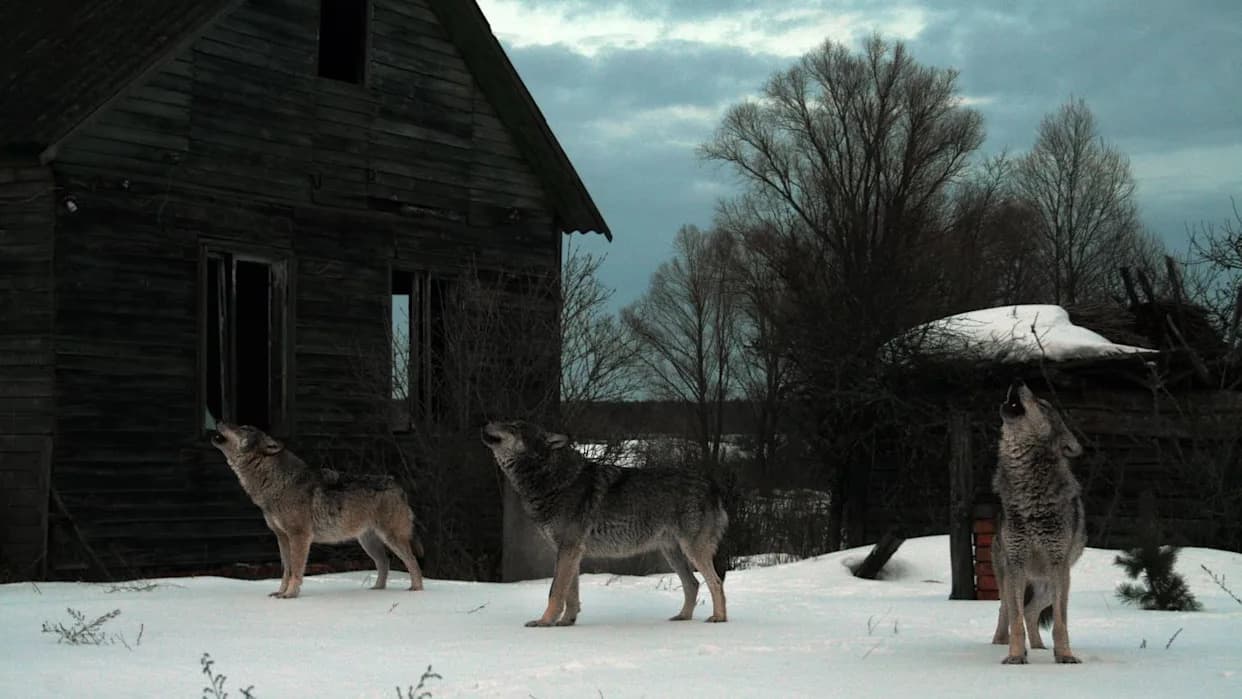
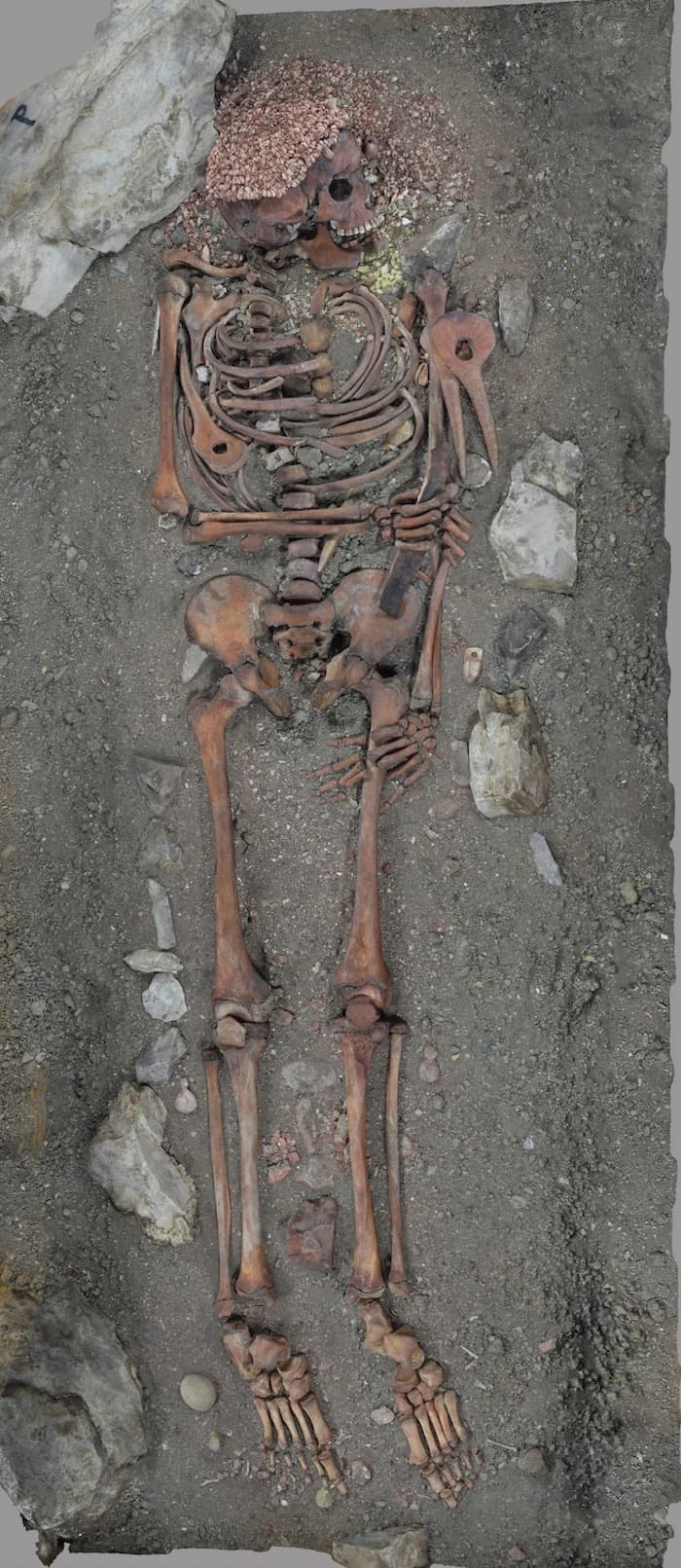
Researchers report that two canid skeletons recovered from Stora Förvar cave on the tiny Baltic island of Stora Karlsö (about 1 square mile) are ancient wolves (Canis lupus), not domestic dogs. Dated to roughly 3,000–5,000 years ago and analyzed using genomic, isotopic, and morphological methods, the remains point to people transporting, provisioning, and caring for these animals during the Neolithic–Bronze Age transition.
The bones, discovered in the late 19th century and preserved in museum collections, come from an island that originally had no native terrestrial mammals and no land bridge to mainland Scandinavia. That isolation makes human transport by boat the most plausible explanation for the wolves' presence.
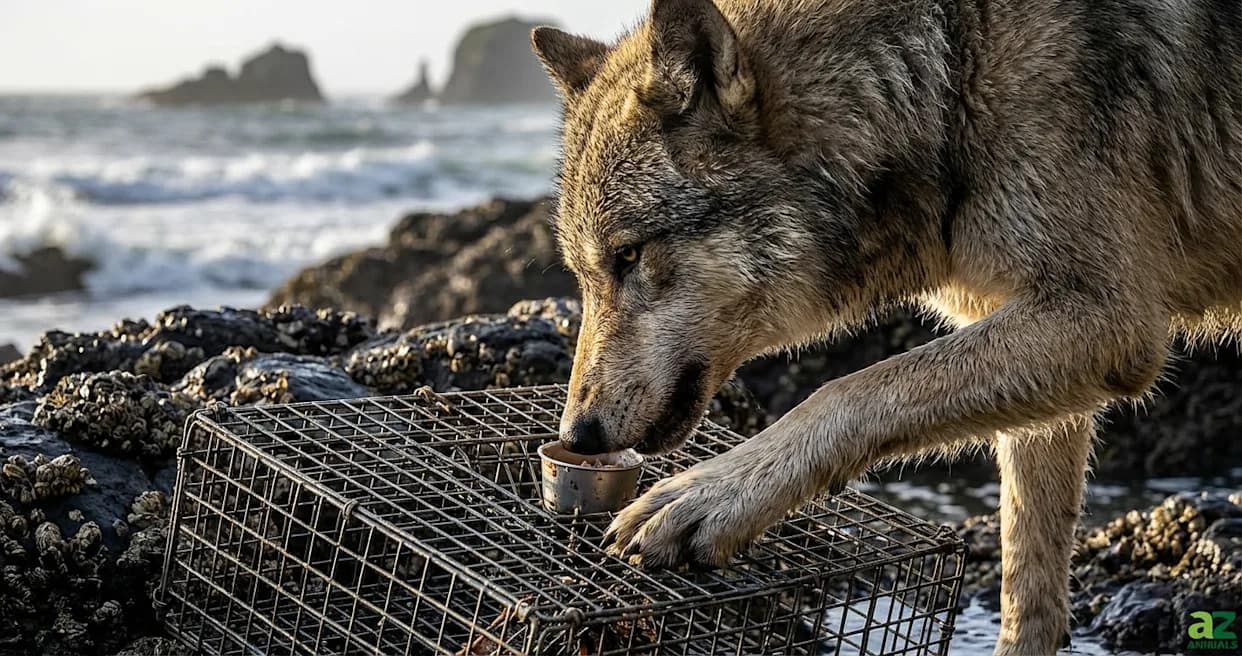
Genomic data confirm the animals were wolves but also reveal reduced genetic diversity compared with other ancient wolf populations — a pattern consistent with isolation, bottlenecks, or human management. Morphological evidence indicates the Stora Karlsö individuals were smaller-bodied than contemporary mainland wolves. Isotope chemistry shows their diets were rich in marine foods such as seals and fish, mirroring the islanders' subsistence and suggesting provisioning rather than independent marine hunting by the canids.
It was a complete surprise to see that it was a wolf and not a dog.
Additional evidence of human care includes at least one individual with a disabling leg injury that likely precluded independent survival. Taken together — transport to an isolated island, marine-based diets aligned with humans, smaller body size, low genetic diversity, and apparent care for injured animals — the data support the interpretation that Bronze Age people ferried wolves to Stora Karlsö and maintained close relationships with them, possibly raising them as companions or working animals.
These findings do not contradict estimates that initial wolf domestication began much earlier (often placed around 15,000 years ago). Instead, they highlight that human–wolf relationships were complex and continued to be actively shaped by people well into later prehistoric periods, indicating domestication was a long, iterative process.
Source: Study published in Proceedings of the National Academy of Sciences. Quotes from co-authors Pontus Skoglund and Anders Bergström.
Help us improve.