Researchers modelled the dynamics of the nearby binary Eta Cassiopeiae (19 light-years away) using Gaia and Keck data and found the system likely lacks giant planets beyond about 8 AU. Simulations show bodies beyond that distance are typically ejected by the companion star, while many test planets placed in the primary’s habitable zone remain on stable—sometimes eccentric—orbits. The apparent absence of gas giants improves the chances that Earth-sized worlds could persist in stable, potentially habitable orbits, making Eta Cassiopeiae a promising target for future telescopes.
No Giants, Big Potential: Eta Cassiopeiae Could Harbor Earth-like Worlds

A nearby binary star system that appears to be free of giant planets could be an excellent hunting ground for potentially habitable rocky worlds.
Why Eta Cassiopeiae matters
Eta Cassiopeiae, located about 19 light-years from Earth, is a pair of stars locked in a long gravitational dance. The two stars orbit their common center of mass roughly every 472 years. The primary, Eta Cassiopeiae A, is a G-type star slightly more massive than the Sun; its companion, Eta Cassiopeiae B, is a K-type star with about 57% of the Sun’s mass.
What the new study did
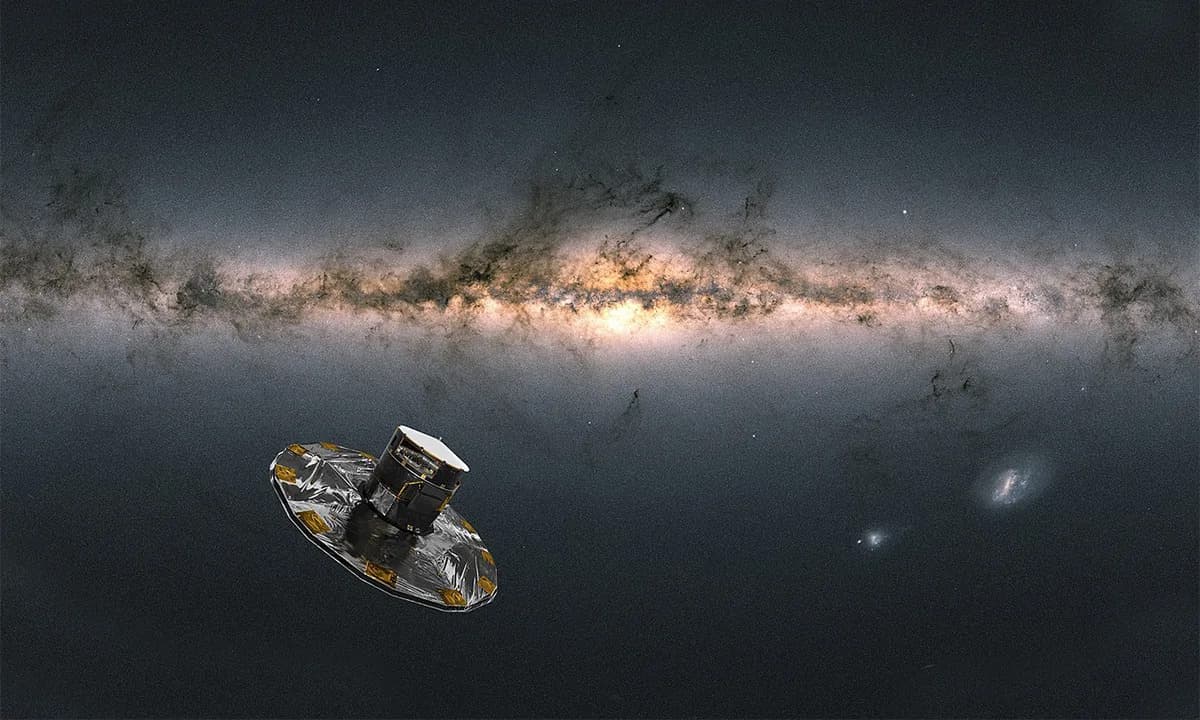
Using high-precision astrometric data from the European Space Agency’s Gaia mission combined with high-resolution spectra from an instrument at the Keck Observatory, astronomer Stephen Kane (University of California, Riverside) and colleagues simulated the orbital dynamics of the system. They modelled hypothetical planets orbiting the primary star to test which orbits remain stable over long timescales.
Key findings
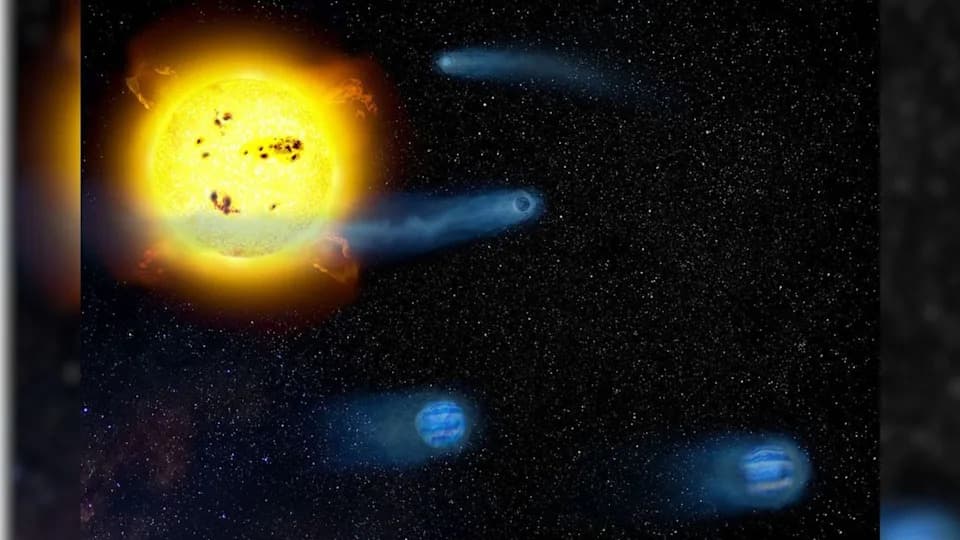
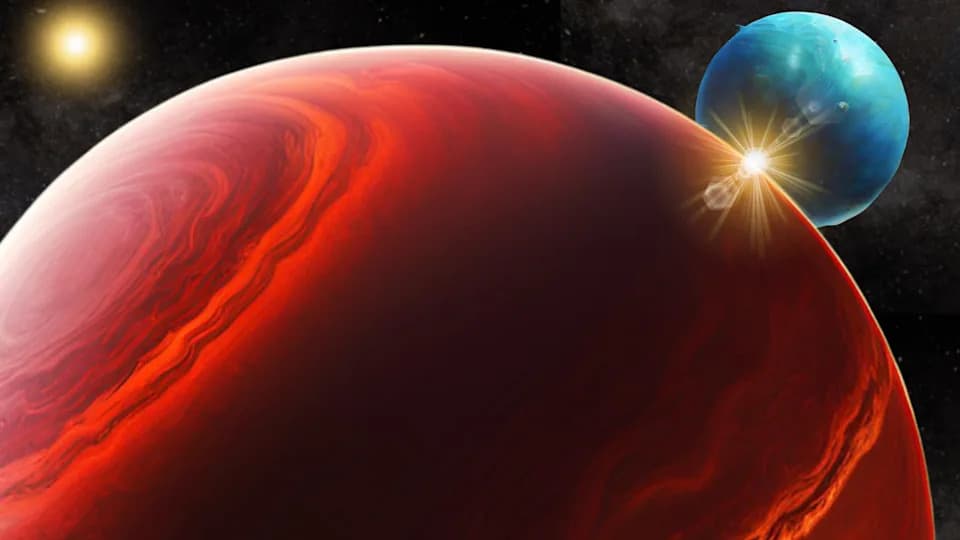
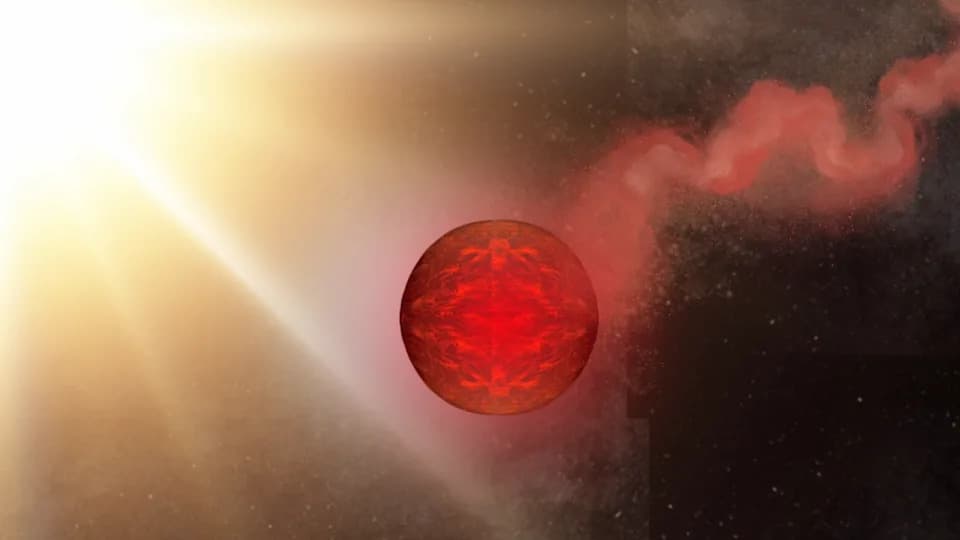
The simulations show the outer system is likely empty: planets starting beyond about 8 astronomical units (AU) from the primary are typically destabilized by the companion star and are ejected as rogue planets. Inside roughly 8 AU, the picture is more complex.
"Inside of 8 AU, the situation is more complicated," the authors note, reflecting the companion’s significant gravitational influence even relatively close to the primary.
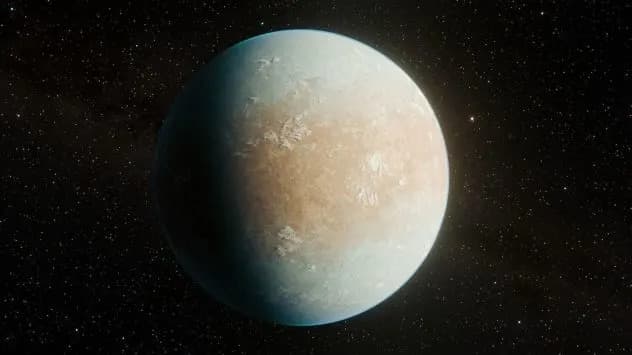
Some test planets placed near Mars-like distances were driven onto long, highly eccentric orbits, which could produce extreme seasonal variations. Nevertheless, most simulated planets placed in the primary’s habitable zone remained dynamically stable—though several followed eccentric orbits that might affect climate.
Why the absence of giants helps
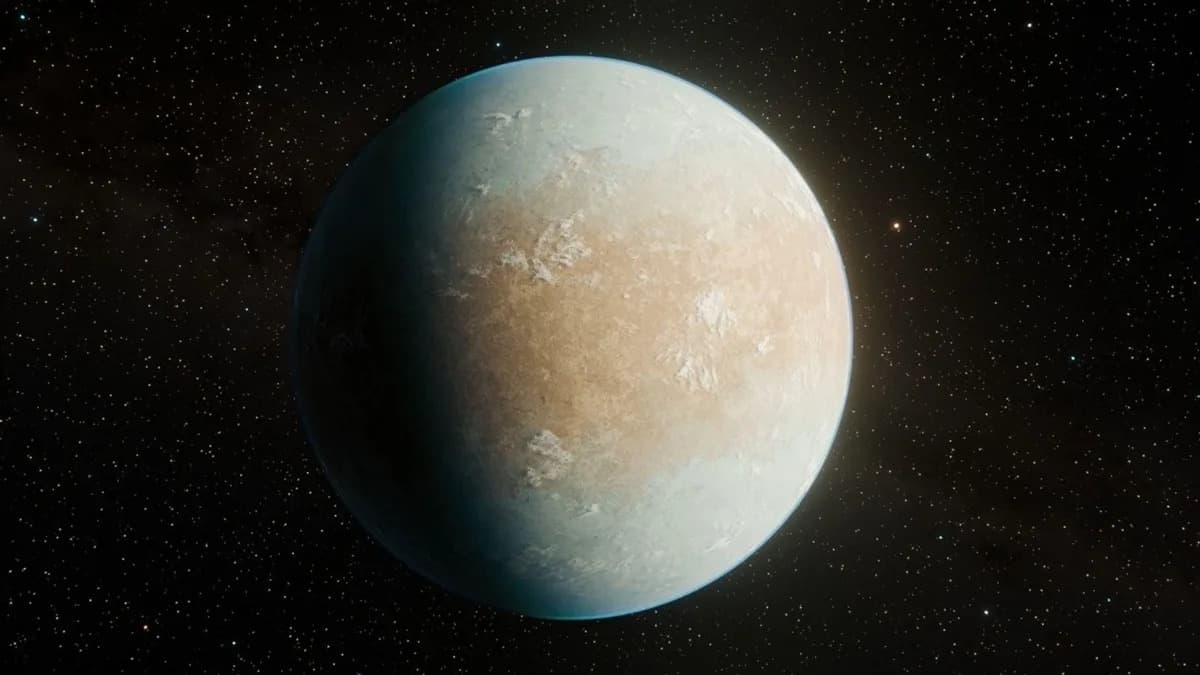
The team also assessed current radial velocity detection limits and concluded there are no giant planets (no Uranus/Neptune-like or Jupiter-like bodies) within roughly 8 AU of Eta Cassiopeiae A; such giants would have produced detectable stellar wobbles. The lack of massive gas giants reduces the risk of catastrophic perturbations to inner rocky planets, improving the prospects for long-term stable, potentially habitable orbits.
Next steps
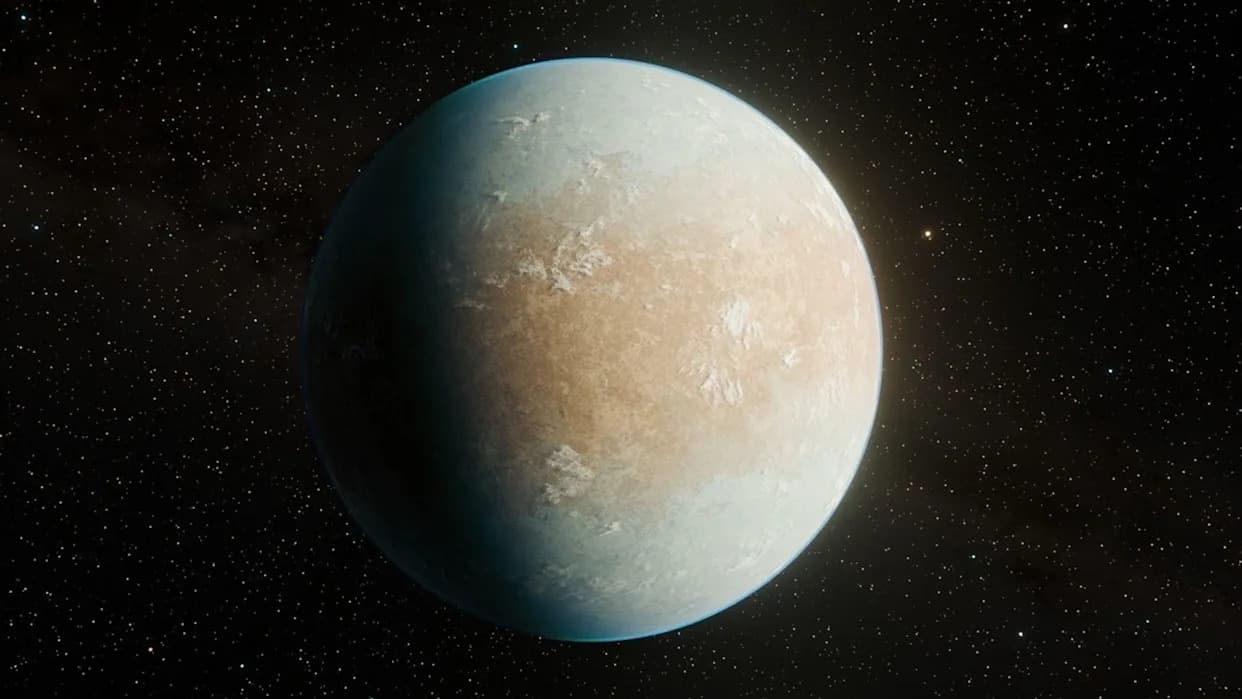
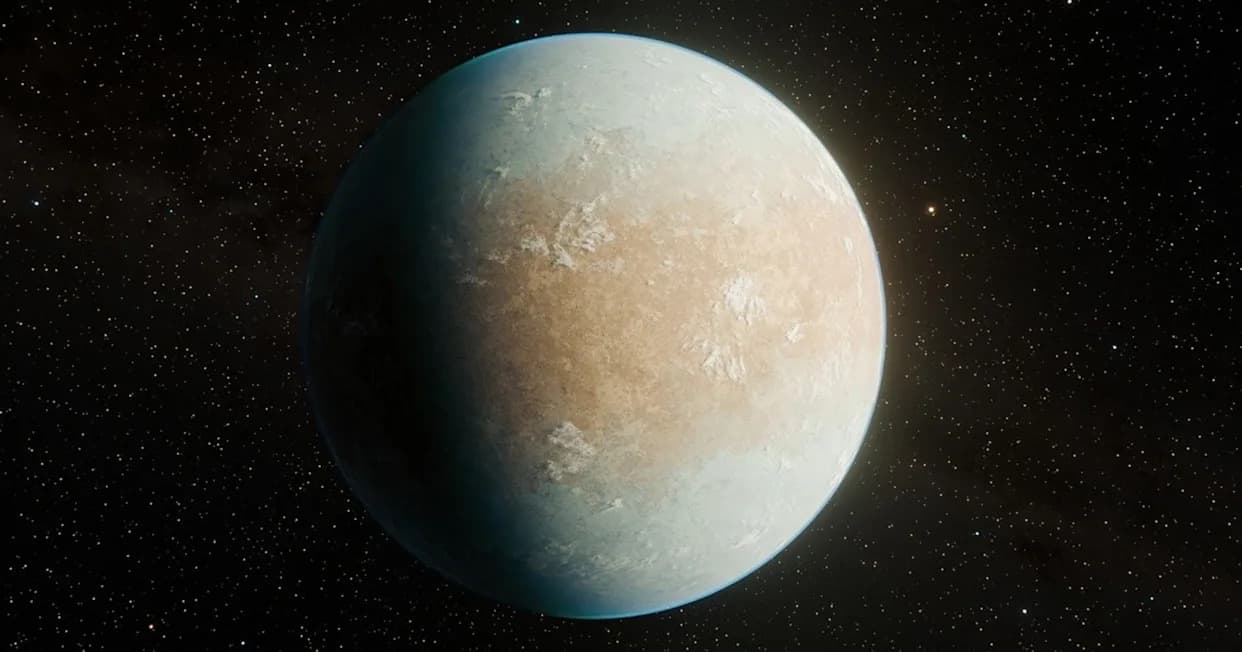
While no Earth-sized planets have yet been detected in the system, the dynamical results make Eta Cassiopeiae A a compelling target for upcoming observatories. Future facilities such as the European Southern Observatory’s Extremely Large Telescope (ELT) and advanced space missions could search directly for Earth-size planets in the habitable zone or place tighter limits on their presence.
The study by Kane and colleagues was published in October in The Astronomical Journal.
Help us improve.