NASA-highlighted research reports a nearby Earth-sized exoplanet candidate, HD 137010 b, with a roughly 355-day orbit and a distance of about 150 light-years. The candidate was identified from a single 2017 Kepler transit and orbits a cooler K-type star, so its equilibrium temperature may be below −90°F. A dense CO2-rich atmosphere could trap enough heat to allow temperate conditions, but follow-up observations and additional transits are required to confirm the planet and assess its habitability.
Nearby Earth-Sized Candidate HD 137010 b Could Be Temperate — Or An Icy Mars-Like World
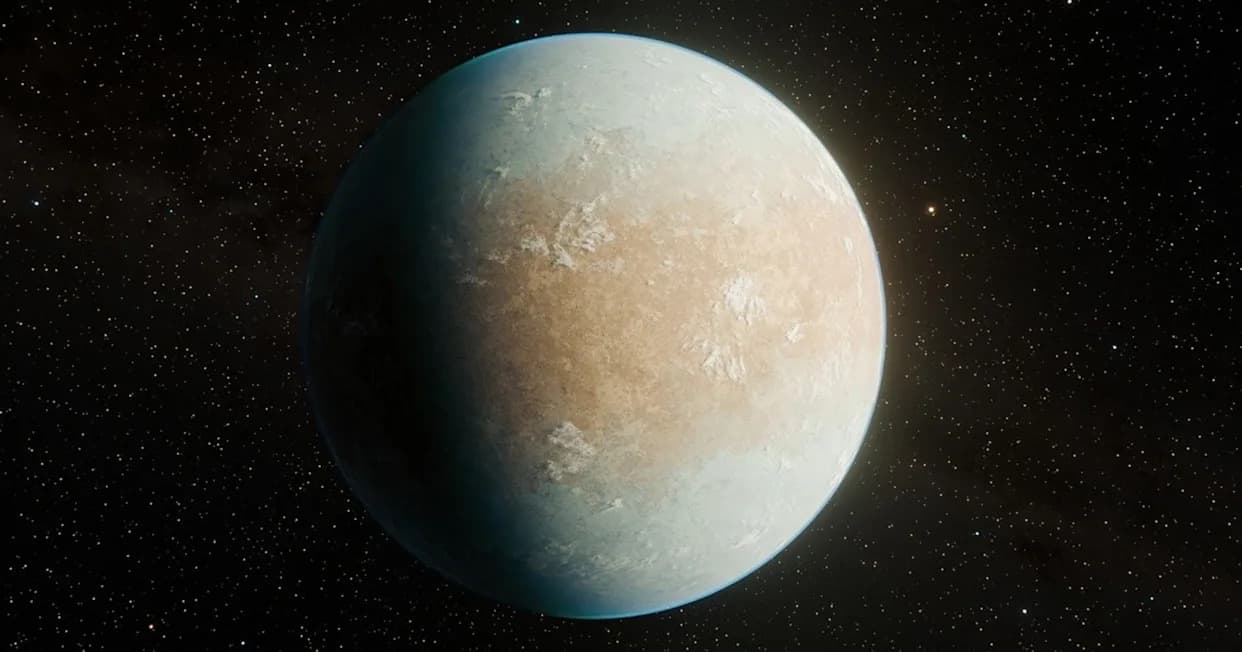
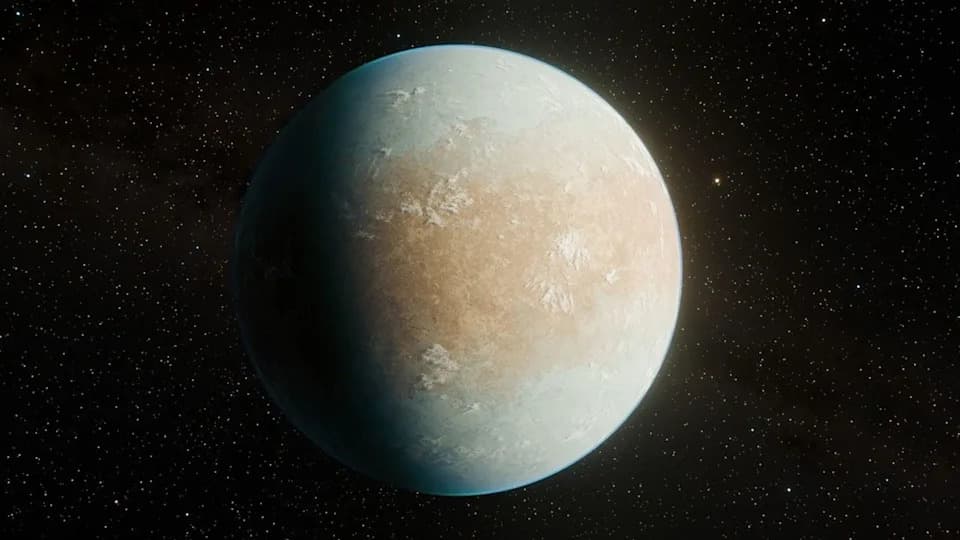
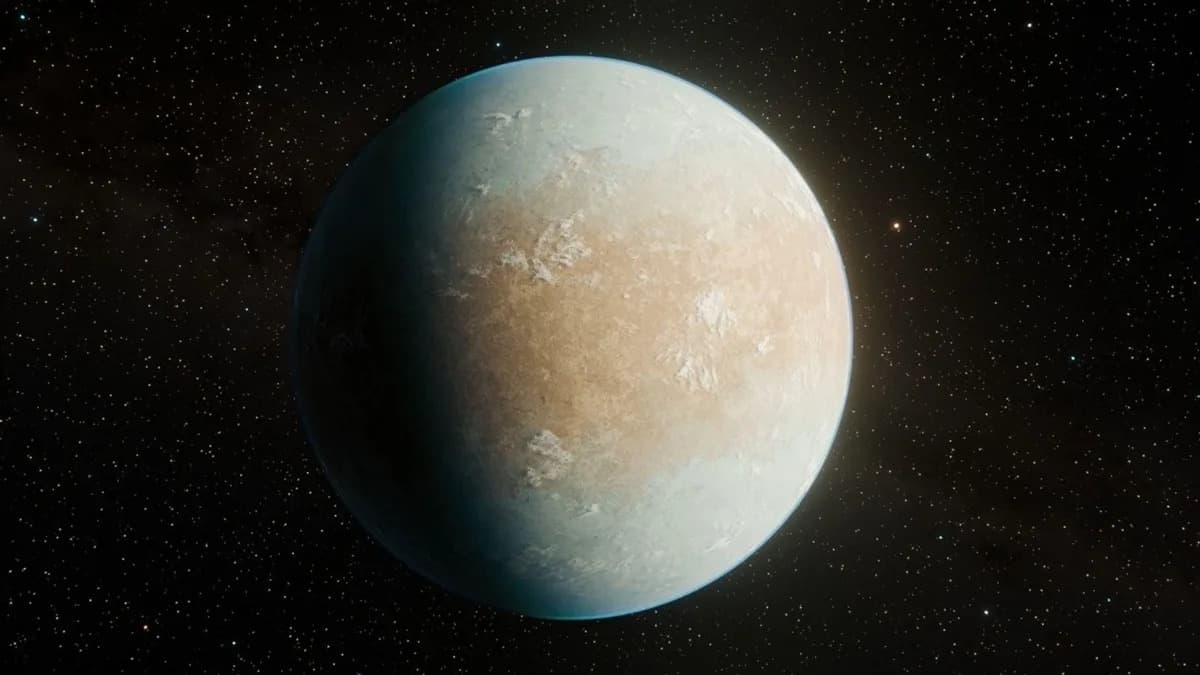
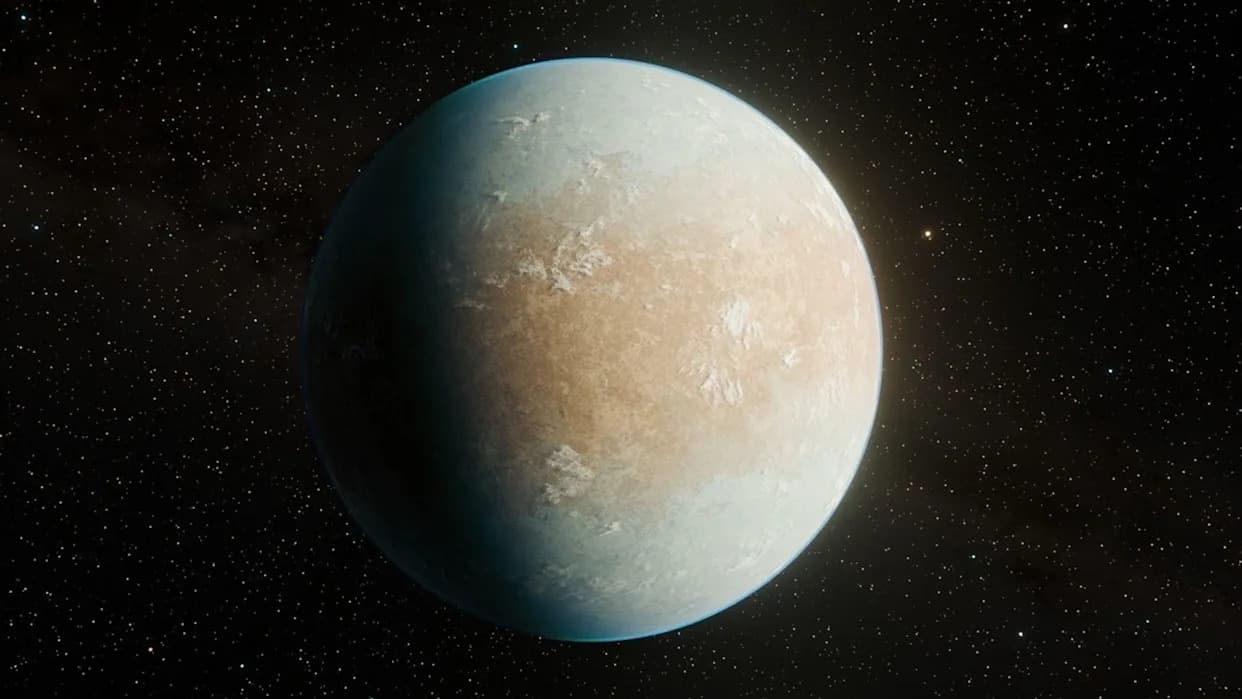
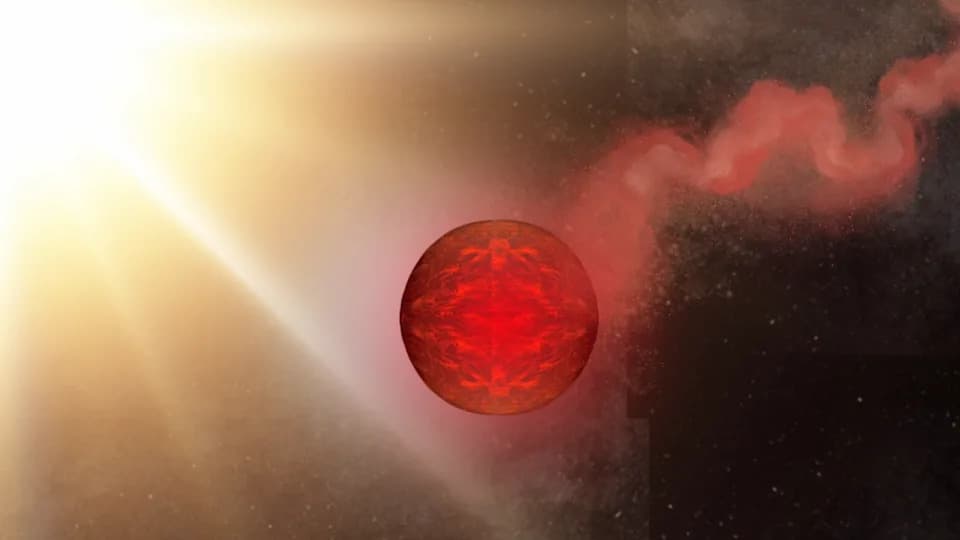
NASA/JPL-Caltech/Keith Miller (Caltech/IPAC)
Astronomers reanalyzing data from NASA's Kepler space telescope have identified a promising exoplanet candidate, HD 137010 b, that resembles Earth in several important ways — but could still be either habitable or a frigid world colder than Mars.
Published in The Astrophysical Journal Letters and highlighted by NASA, the study reports a rocky body roughly Earth-sized that appears to orbit its host star in about 355 Earth days. The system is relatively nearby at roughly 150 light-years, making it one of the closest Earth-sized candidates in a Sun-like star's habitable zone.
“What’s very exciting about this particular Earth-sized planet is that its star is only about 150 light-years away from our solar system,” said co-author Chelsea Huang of the University of Southern Queensland. “The next best planet around a sun-like star, in a habitable zone, [Kepler-186f] is about four times farther away and 20 times fainter.”
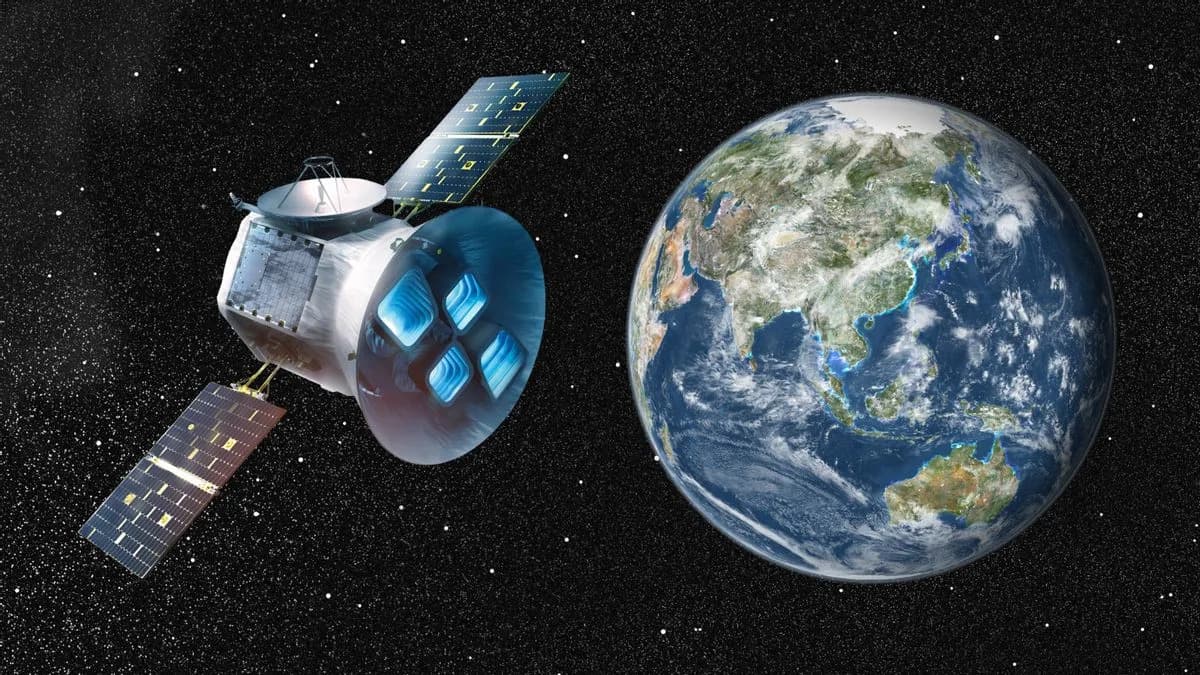
The candidate was identified by re-examining Kepler observations from 2017. Kepler recorded a single transit — the short dip in starlight when a planet passes in front of its star — which left a detectable signal strong enough to estimate the object's size and orbital period.
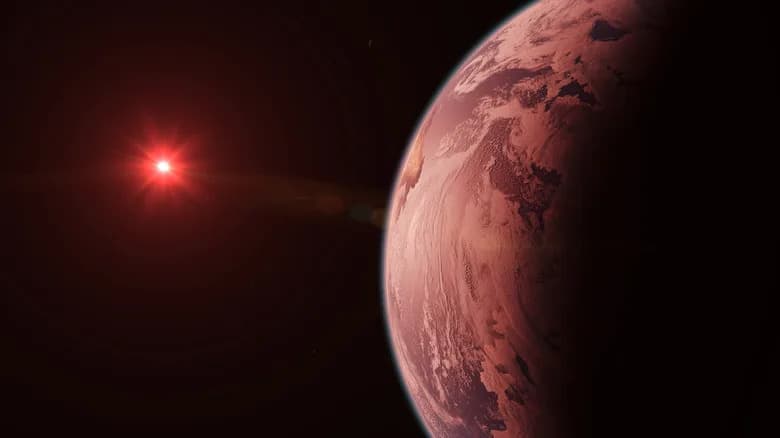
A key difference from Earth’s system is the host star. Our Sun is a G-type (yellow) dwarf, while HD 137010 is a K-type (orange) dwarf: somewhat smaller and cooler. Because of this, the planet may receive less than a third of the light and heat Earth does. Current estimates place its equilibrium temperature below about −90°F (around −68°C), slightly colder than average Martian temperatures.
That said, a planet’s surface conditions depend strongly on its atmosphere. If HD 137010 b possesses a thick, CO2-rich atmosphere, greenhouse warming could raise surface temperatures and allow liquid water to exist in some regions. Scientists point to Mars as an example of a world that may once have been warmer and wetter before losing much of its atmosphere.
Follow-Up Observations Required
Because the detection rests on a single transit, researchers emphasize the need for follow-up measurements. Sara Webb, an astrophysicist at Swinburne University, called the discovery “exciting” but noted to The Guardian that three transits, rather than one, are typically treated as the gold standard for confirming exoplanets. The authors counter that the signal is unusually clear because the host star is relatively bright and close, but additional transits and radial-velocity or imaging follow-up will be needed to confirm the planet and measure its mass and atmosphere.
In short, HD 137010 b is an intriguing nearby candidate that could be a temperate, watery world if it retains a substantial atmosphere — or an icy planet if it does not. Continued observations over the coming years should clarify which scenario is correct.
Help us improve.