Astronomers have found HD 137010 b, an exoplanet orbiting a Sun‑like star about 146 light‑years away, that lies near the outer edge of its star's habitable zone. Models suggest very cold conditions — roughly −90°C — prompting NASA to nickn ame it an "ice‑cold Earth," though temperature estimates are uncertain. Being inside the habitable zone does not guarantee habitability: atmosphere, water and geological activity remain unknown. Future telescopes could search for atmospheric gases like water vapor, CO2 or methane to better assess the planet's potential.
Newly Discovered Exoplanet HD 137010 b Sits Near Outer Edge Of Habitable Zone — An "Ice‑Cold Earth"
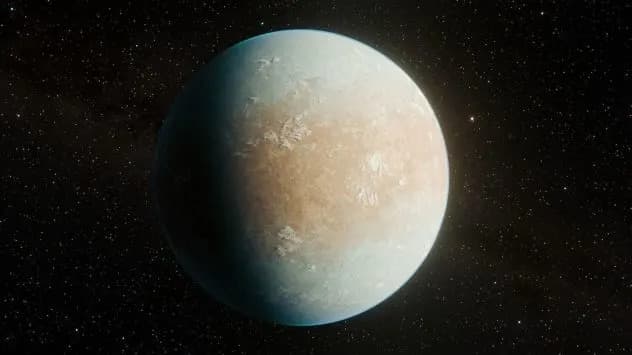
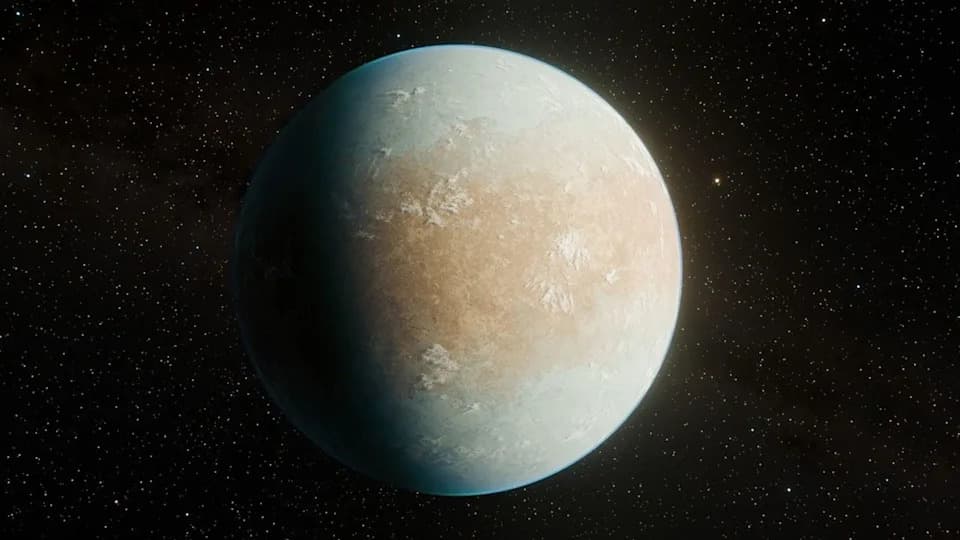
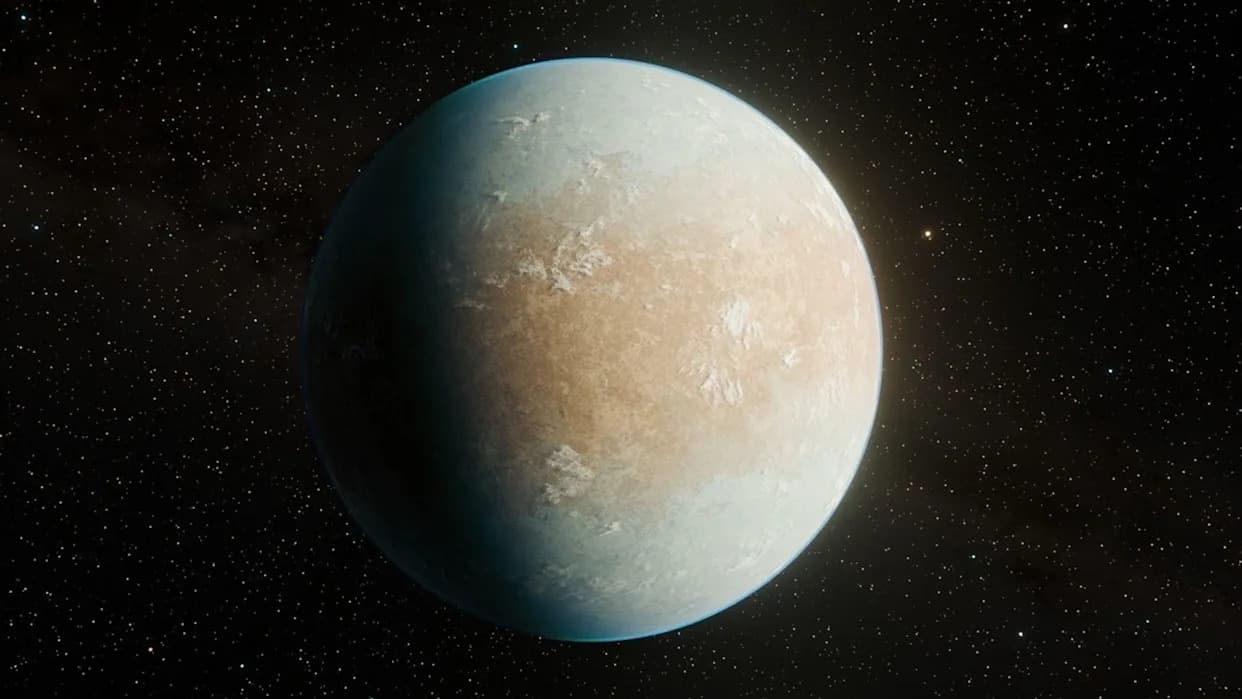
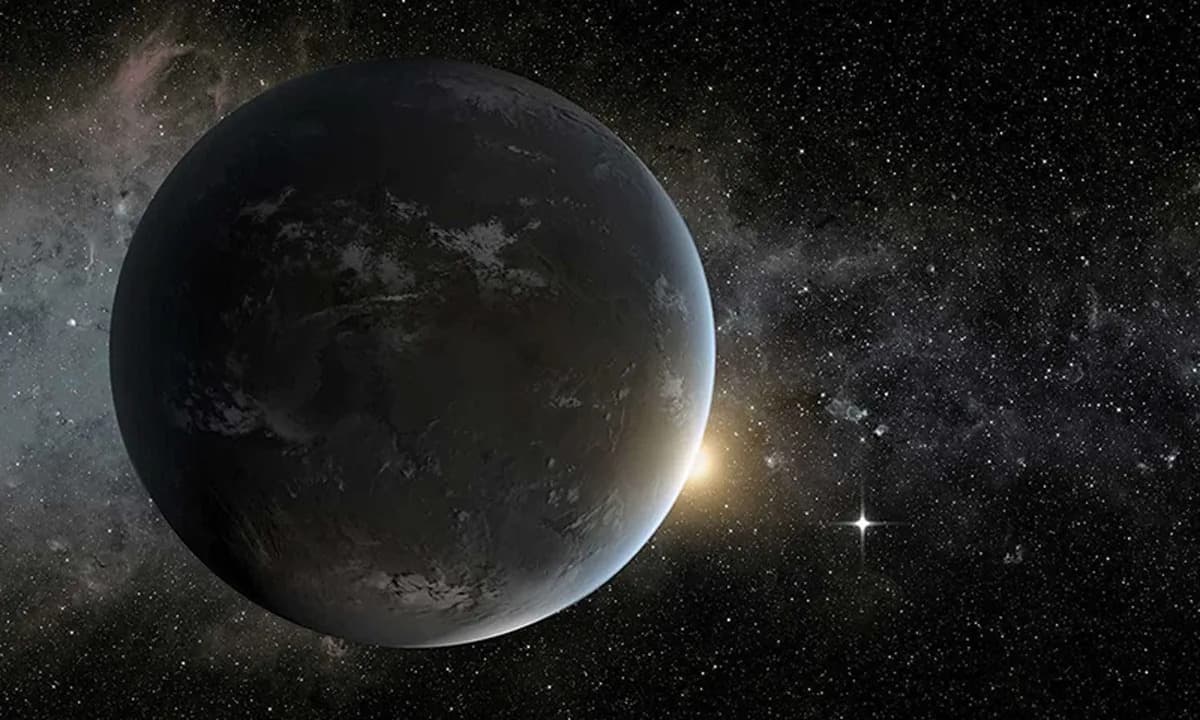
Artist's concept of exoplanet candidate HD 137010 b, dubbed a "cold Earth" because it's a possible rocky planet slightly larger than Earth, orbiting a Sun-like star about 146 light-years away. NASA/JPL-Caltech/Keith Miller (Caltech/IPAC)
Astronomers have announced the discovery of a new exoplanet, HD 137010 b, orbiting a Sun‑like star approximately 146 light‑years from Earth. Early measurements indicate the planet is modestly larger than Earth and follows an orbit that places it near the cooler, outer edge of its star's habitable — or "Goldilocks" — zone.
NASA has informally described HD 137010 b as "an ice‑cold Earth" based on models that predict very frigid conditions. Current estimates suggest the planet's surface temperature may not exceed about −90°C, making it colder than the average surface temperature on Mars; however, these estimates are model‑dependent and carry significant uncertainties.
Why "Habitable Zone" Doesn't Mean "Habitable"
Being located in a star's habitable zone means a planet receives an amount of stellar energy that could allow liquid water under the right conditions, but it is only one piece of the puzzle. Key unknowns for HD 137010 b include:
- Whether the planet has any atmosphere at all
- The thickness, composition and greenhouse strength of any atmosphere
- The presence of liquid water on or beneath the surface
- Geological activity that could recycle heat and nutrients over long timescales
At present, none of those factors can be confirmed for HD 137010 b, so the label "potentially habitable" refers only to its orbital location, the host star's type, and its estimated size.
What Comes Next
Future observations will be needed to learn more. Where feasible, instruments on the James Webb Space Telescope, upcoming extremely large ground‑based telescopes and next‑generation exoplanet missions could search for atmospheric signatures such as water vapor, carbon dioxide or methane — molecules that provide crucial clues about surface conditions. Continued study will also refine the planet's orbit, size and temperature estimates.
HD 137010 b adds to a growing catalog of worlds that blur the line between inhospitable and potentially habitable, underscoring the need for targeted follow‑up observations.
Help us improve.