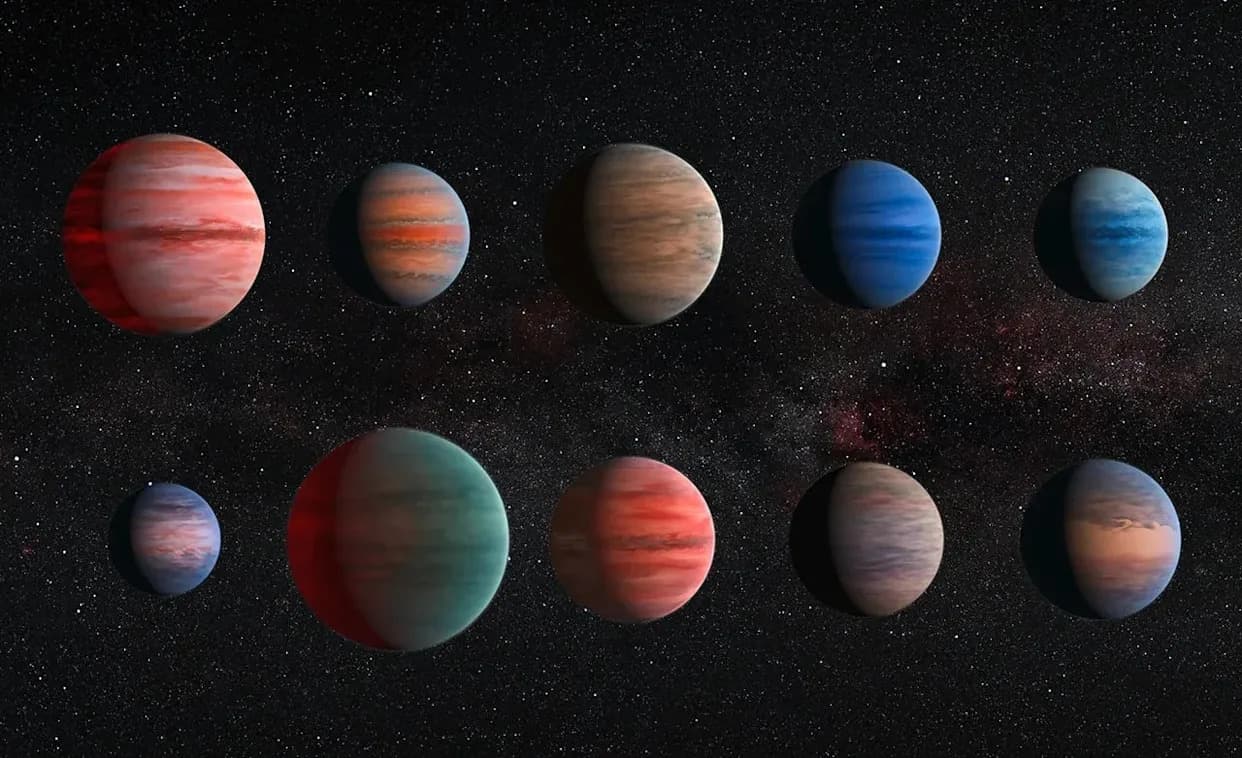
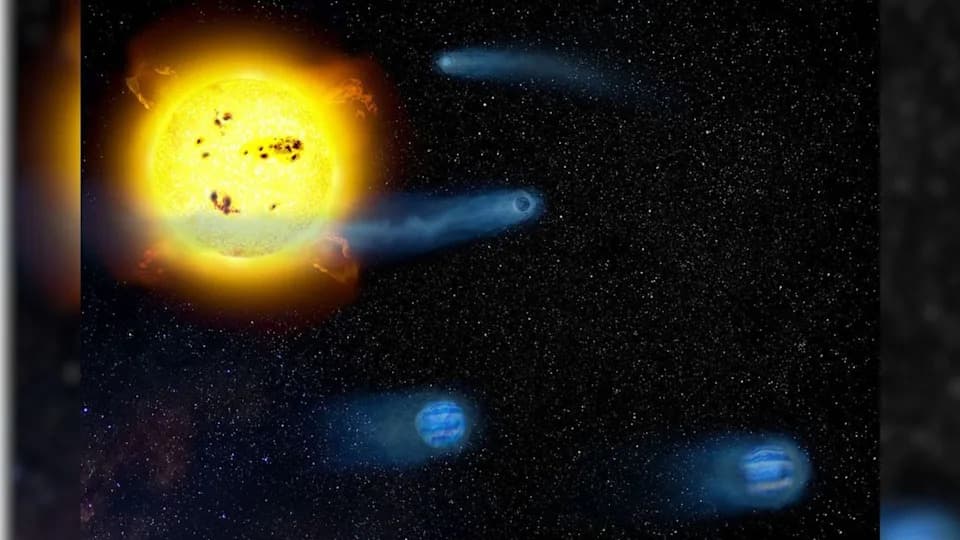
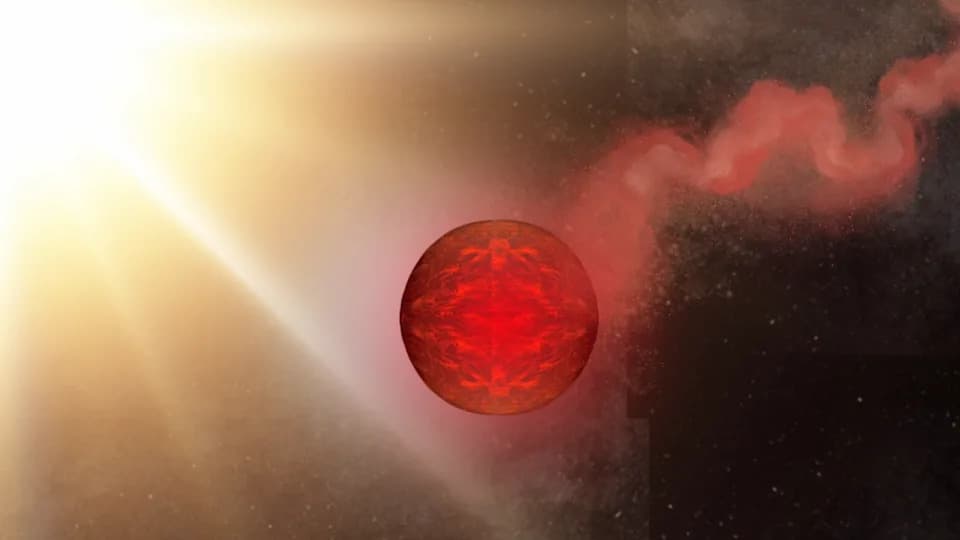
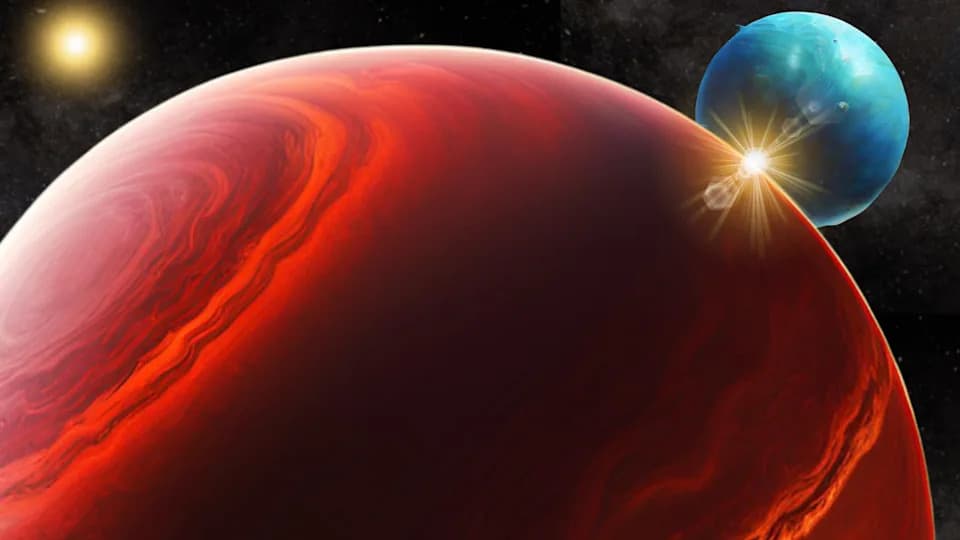
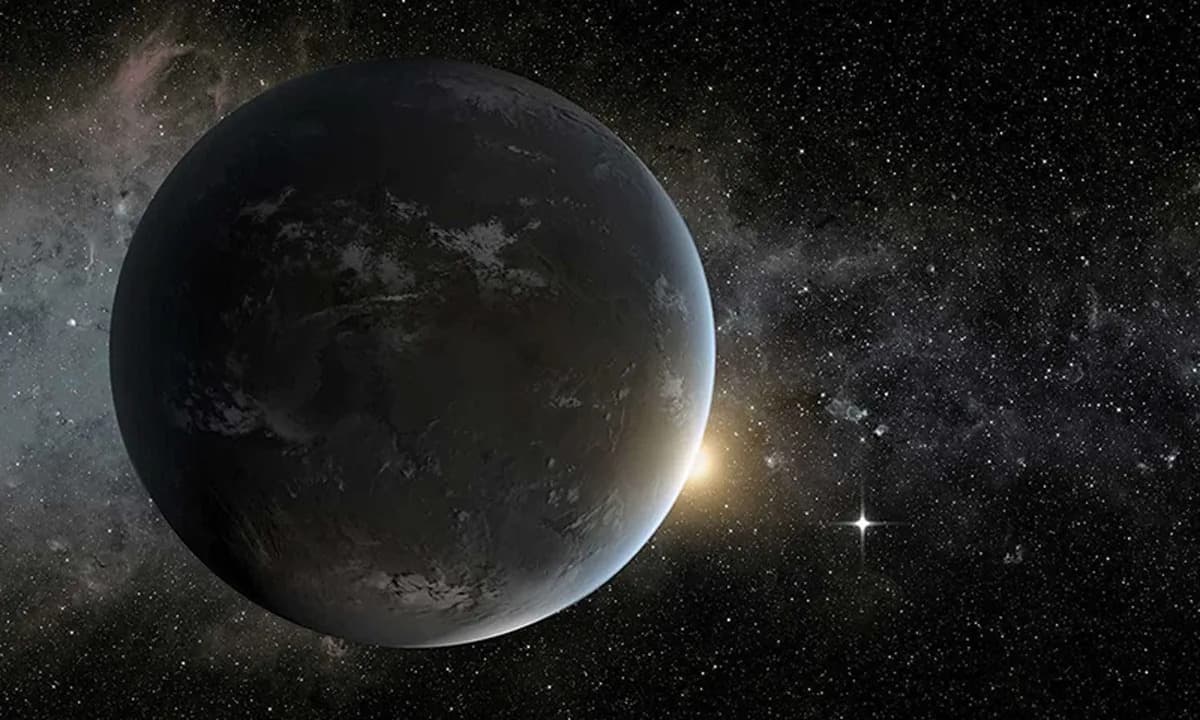
TOI-1846b is a validated super-Earth-sized exoplanet (≈1.8 R⊕) discovered using TESS and ground-based follow-up. Viral claims that it is emitting “mysterious” or “repeating” signals are misleading — the observations are transit dips in starlight, the standard signature of an orbiting planet. The planet sits in the radius valley, a size range important for understanding planet formation, and further study will refine its mass and composition.
TOI-1846b Confirmed: A New Super-Earth — But It’s Not Sending ‘Strange Signals’
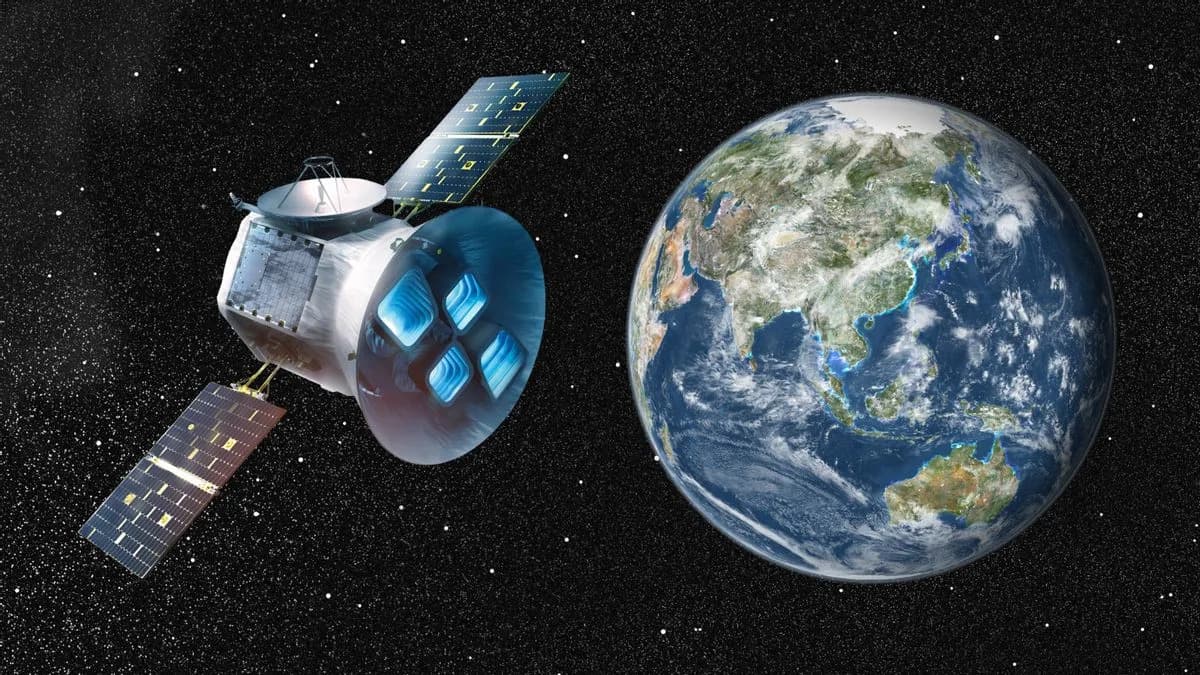
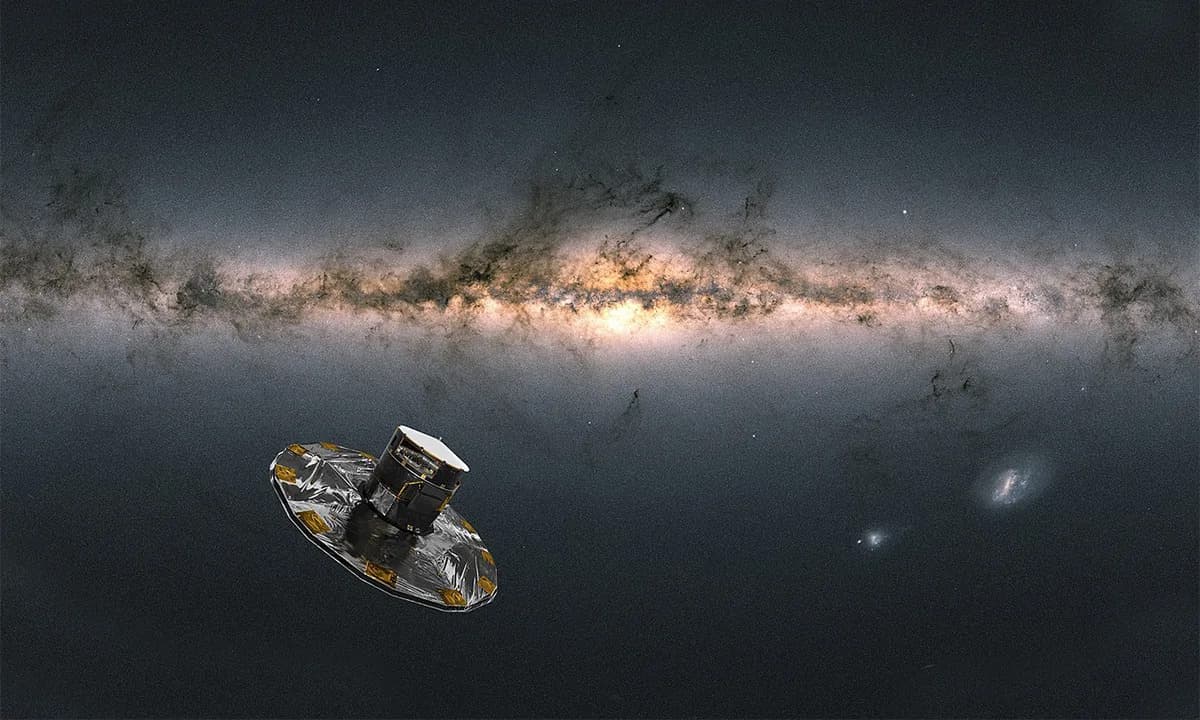
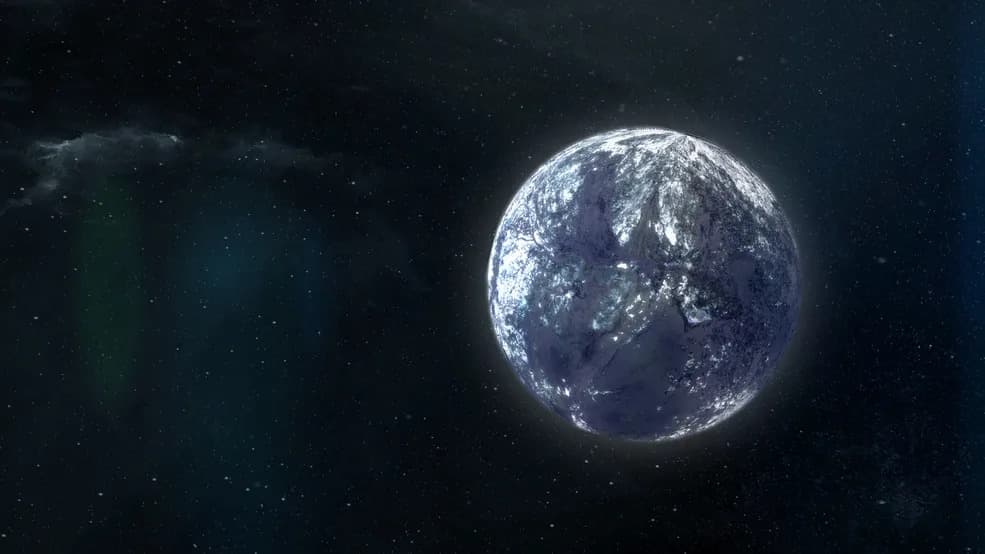
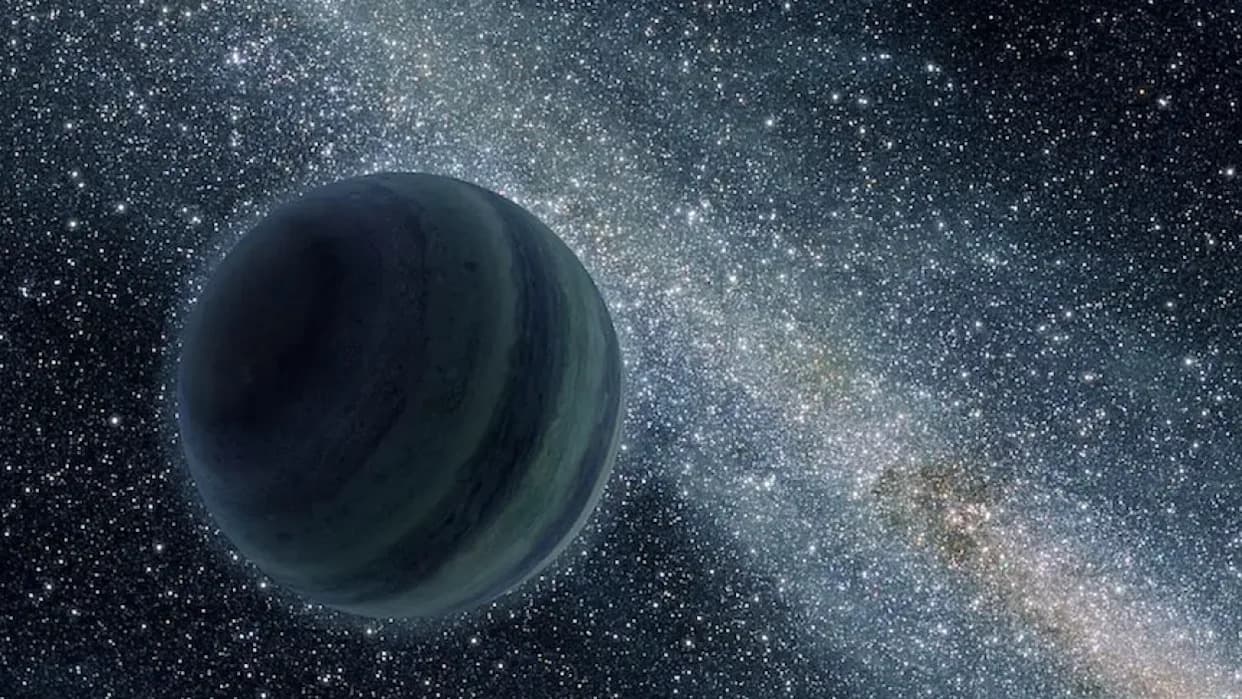
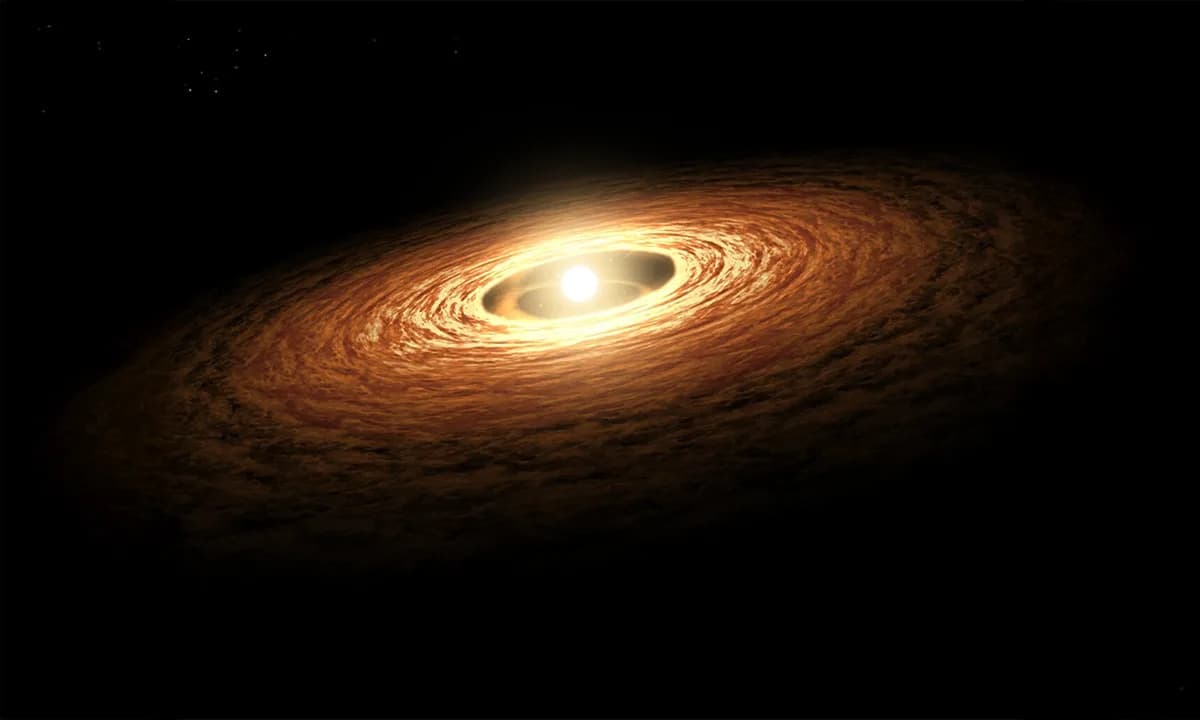
Getty Images/Snopes Illustration
Researchers have validated a new super-Earth-sized exoplanet, TOI-1846b, using data from NASA's Transiting Exoplanet Survey Satellite (TESS) together with ground-based follow-up observations. Viral social-media posts describing the world as “emitting mysterious, repeating signals” are misleading: the observed variations are ordinary transit dips in starlight, not transmissions from the planet itself.
What the Discovery Actually Shows
The discovery team, based at the Oukaimeden Observatory in Morocco, published their findings on arXiv and combined TESS photometry with multicolor ground-based transit observations, high-resolution imaging, and spectroscopic measurements to validate the planet designated TOI-1846b.
Transit Signals, Not Messages
Reports calling the observations “strange” or “mysterious” amplified routine astronomical terminology. The signals discussed in the scientific work are transit signals — brief, periodic dips in a star’s brightness that occur when an orbiting planet passes in front of its host star from our viewpoint. As NASA explains:
“When a planet passes directly between us and a star, the planet blocks some of the starlight from reaching us. That small change can alert astronomers to the presence of a planet around a distant star.”
These photometric dips are how TESS and many other surveys find exoplanets; they are not evidence of radio or optical transmissions emitted by the planet.
Key Physical Properties
The discovery paper reports that TOI-1846b has a radius of roughly 1.8 R⊕, placing it in the so-called radius valley — a range of sizes between rocky super-Earths and gas-rich mini-Neptunes that is sparsely populated and important for theories of planet formation. Based on its measured radius and inferred density, the authors suggest the planet may have a water-rich bulk composition, though mass measurements and detailed composition remain subject to further study.
Context and Cataloguing
M-dwarf stars, the class hosting TOI-1846b, are especially favorable targets for transit searches because a given planet produces a larger fractional brightness dip around a smaller star than around a Sun-like star. NASA’s Exoplanet Archive lists more than 6,000 confirmed exoplanets overall and hundreds confirmed using TESS; the archive can lag initial publications, so newly reported planets sometimes appear after a short delay.
Why the Viral Claim Was Misleading
Social posts and some tabloid coverage used sensational language to describe routine scientific measurements. While the core discovery — validation of a super-Earth-sized planet using TESS and coordinated follow-up — is accurate, descriptions implying unexplained or repeating transmissions from the planet are unsupported by the discovery paper and by statements from researchers or NASA.
Where to Learn More
Primary sources include the discovery manuscript (Soubkiou et al., arXiv:2506.18550), summaries on science news sites, and NASA’s pages on TESS and transit detection. These sources explain the observational methods and why transit dips indicate orbiting planets rather than exotic emissions.
Bottom line: TOI-1846b is a validated super-Earth-sized exoplanet discovered with TESS and ground-based follow-up. The so-called “strange signals” reported online are ordinary transit dips in starlight and not mysterious transmissions from the planet.
Help us improve.