Animals—pets, livestock and wildlife—are increasingly developing the same chronic non-communicable diseases that affect humans, including obesity, diabetes and cancer. Antonia Mataragka argues that human-driven environmental changes are exacerbating these trends and that many animal NCDs are underdiagnosed. She proposes a One Health/EcoHealth surveillance framework to monitor animals, people and environments together to enable earlier detection and intervention. Coordinated surveillance could improve animal welfare and also help protect human health by revealing shared environmental risks.
Pets and Wildlife Are Developing the Same Chronic Diseases as Humans — Scientists Call for One Health Surveillance

Chronic, non-communicable diseases (NCDs) once thought mainly to affect people—obesity, diabetes, cancer, metabolic syndrome and degenerative conditions—are increasingly being diagnosed in pets, livestock and wildlife. Researchers warn that human-driven environmental change and shared living spaces are helping drive these trends, and they propose coordinated surveillance to detect and treat these illnesses earlier.
Animal scientist Antonia Mataragka of the Agricultural University of Athens leads a research effort to document the growing burden of NCDs in animals and to design ways to monitor and reduce risk. Her work highlights the overlap between human, animal and ecosystem health and calls for a unified response under a One Health/EcoHealth framework.
“Animals suffer from many of the same NCDs as humans, highlighting that NCDs are a critical concern for veterinary and public health,” Mataragka writes in Risk Analysis. “The impact of NCDs on both domestic and wild animals is increasingly modified by anthropogenic environmental changes.”
Drivers and examples
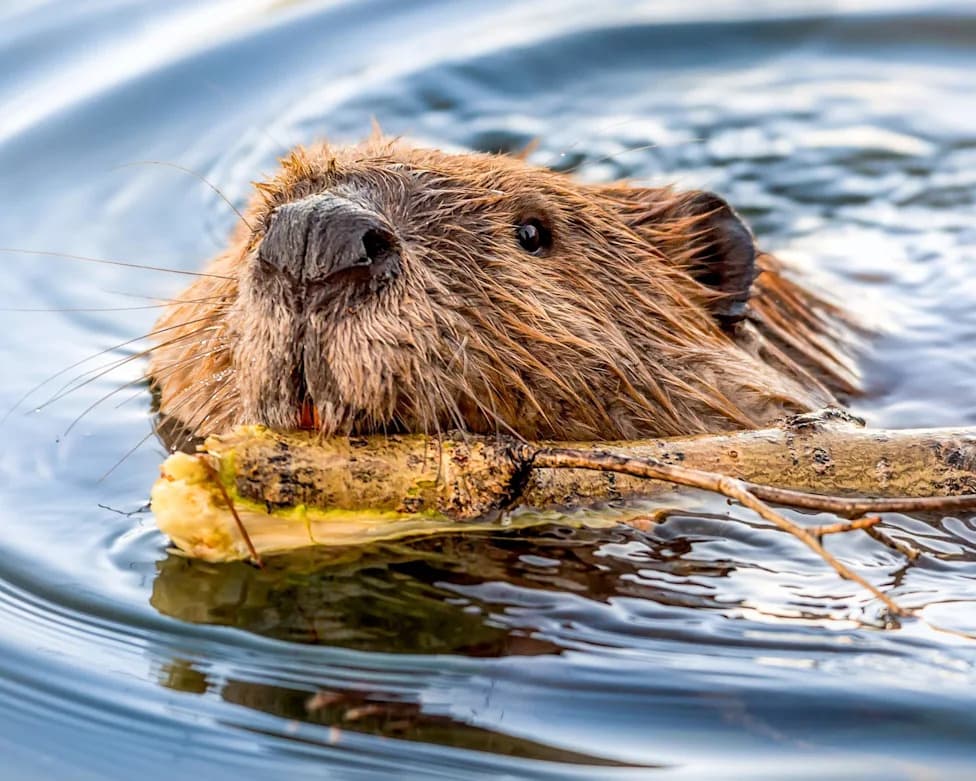
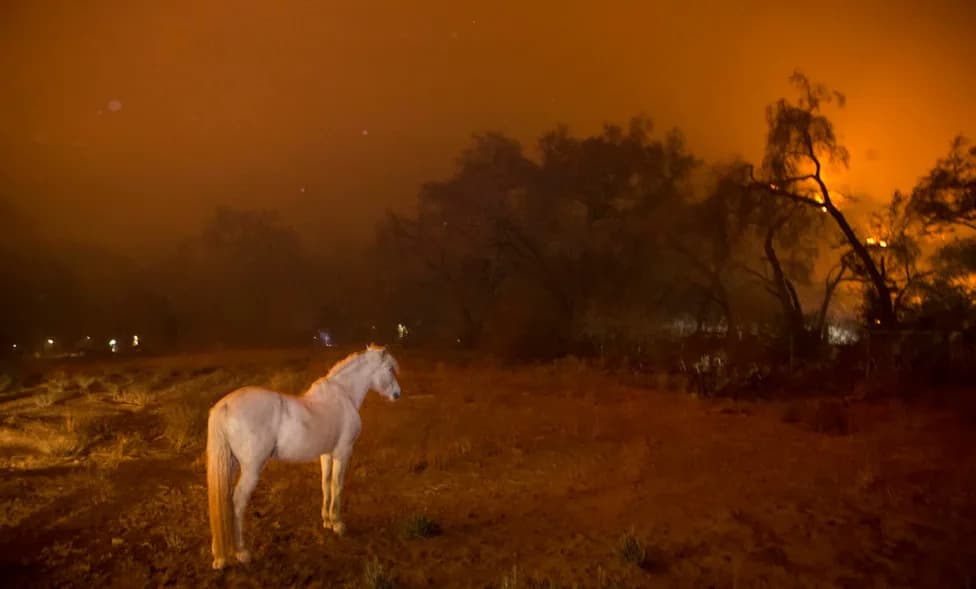
Wildlife face pressures such as pollution, habitat loss, urban expansion and climate change. These stressors can create physiological disruptions—nutritional shortfalls, immune dysregulation and endocrine interference—that raise susceptibility to chronic illness. Scavenging on calorie-dense human food can worsen obesity in urban wildlife, while contaminants that seep into water and soil (including PAHs and PCBs) have been linked to liver tumors and other cancers in marine animals.
Livestock and companion animals also show worrying trends. Confinement and intensive production increase risks for metabolic disorders such as ketosis, lameness and other conditions that reduce welfare, productivity and herd sustainability. Pet obesity has roughly doubled in many regions because of sedentary lifestyles and excess treats, contributing to higher rates of diabetes. Overbreeding has produced inherited health problems in some breeds, such as respiratory issues in brachycephalic dogs.
Gaps and the proposed solution
One persistent obstacle is limited capacity for early diagnosis and systematic monitoring of animal NCDs. Many conditions are identified too late for effective treatment. To address this, Mataragka proposes integrating animal NCD surveillance into broader One Health and EcoHealth programs that monitor humans, animals and environments together. Such coordinated surveillance could allow earlier detection of environmental hazards, more timely veterinary interventions, and policies that reduce exposure to shared risk factors.
“Future empirical testing and policy action, advancing animal, ecosystem, and human health [is needed],” Mataragka says. “Future work should validate the proposed risk model with empirical data and integrate animal NCD surveillance into One Health monitoring programs.”
Integrating animal health data with public health and environmental monitoring would not only improve outcomes for animals but could also protect human communities by identifying emerging environmental threats sooner. Researchers emphasize that reversing these trends will require collaboration across veterinary medicine, ecology, environmental science and public health—as well as investment in surveillance, diagnostic tools and policies that limit pollution, habitat loss and other drivers of disease.
As chronic disease rates rise across species, a coordinated, cross-disciplinary response offers the best chance to protect animal welfare, preserve ecosystems and safeguard human health.
Help us improve.