Summary: Hypersonic weapons promise to reshape deterrence, but the United States must solve a production problem to make them operationally meaningful. The Acquisition Transformation Strategy emphasizes speed, scale and industrial capacity as competitors field next-generation munitions. Recent heavy use of interceptors and missiles highlights inventory strain; the authors call for acquisition reform, advanced manufacturing, private capital and supplier engagement to deliver survivable, maneuverable and mass-producible hypersonics.
Scaling Hypersonics: Turning Advanced Technology into Affordable Mass Production

The United States faces a pivotal moment in defense modernization. As strategic competition intensifies, hypersonic weapons promise to reshape deterrence and high-end warfare—but only if they can be produced affordably and at operational scale.
The newly released Acquisition Transformation Strategy, announced under the Arsenal of Freedom framework by Secretary Pete Hegseth, places speed, scale and production capacity at the top of industrial priorities. That emphasis reflects hard lessons from competitors who are already moving from concept to fielded systems.
The problem: capability isn't enough
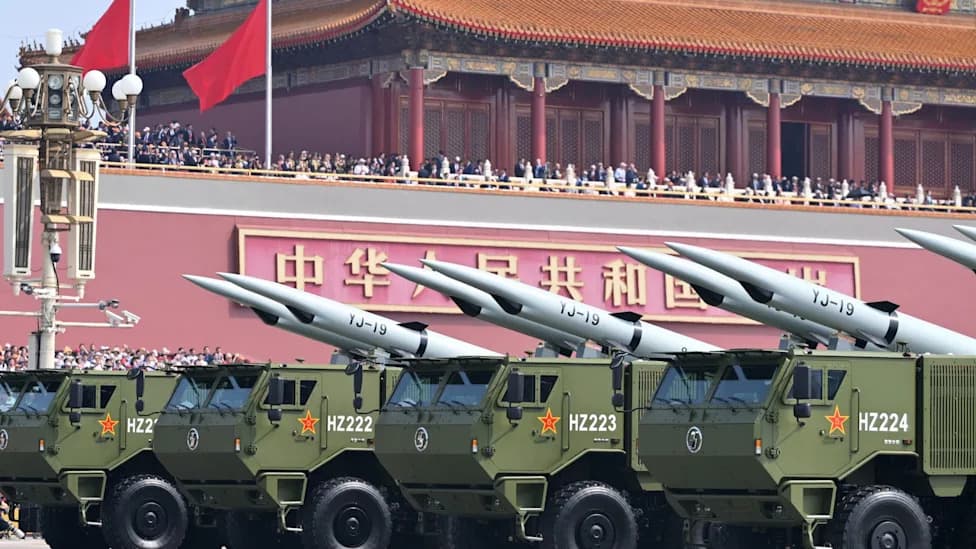
Russia has employed hypersonic weapons in Ukraine, and China recently showcased multiple hypersonic systems. These developments are tangible and immediate; no one is waiting for the United States to catch up. The challenge is not only technological parity but production capacity, industrial resilience and strategic urgency.
U.S. deterrence rests not only on what we invent but on what we can build quickly and in quantity. Exquisite prototypes are valuable, but they do not deter unless they can be produced and deployed at scale. Today, China has a larger industrial base than the United States, and the presumption of unassailable American technological leadership is increasingly fragile.
Operational realities
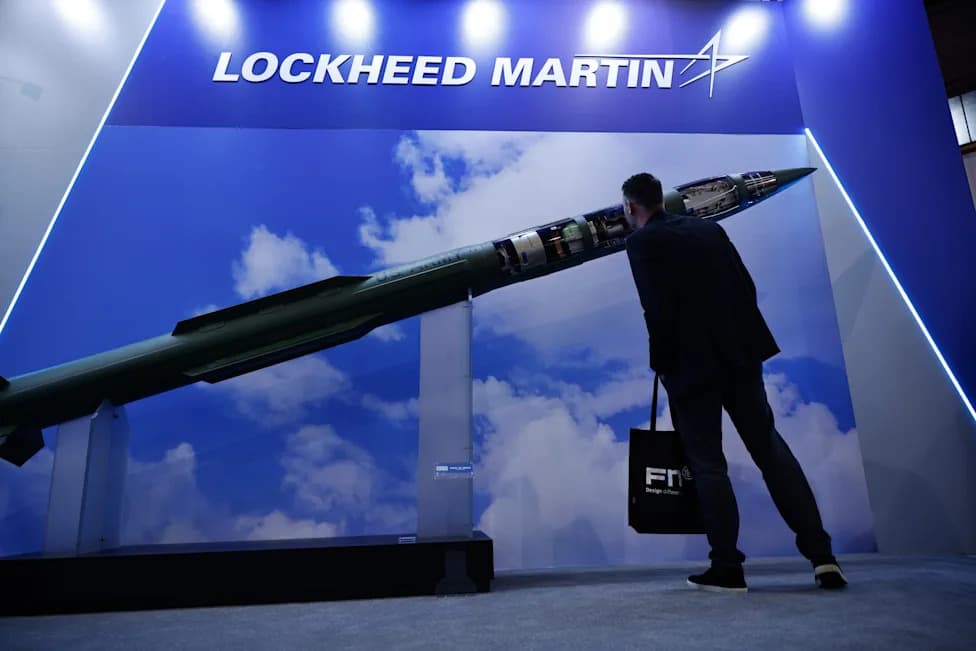
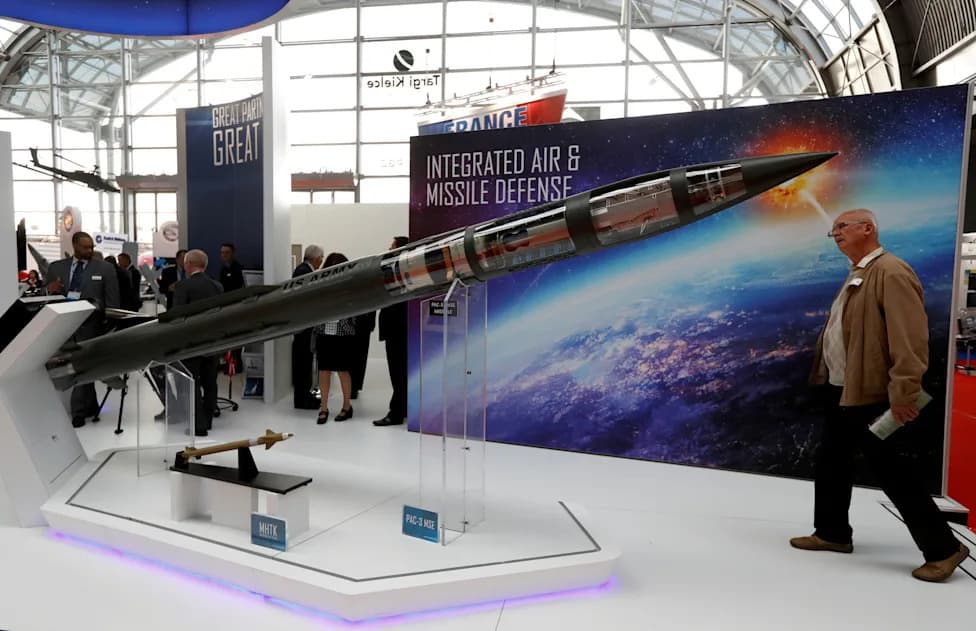
Recent operations have strained inventories and exposed structural weaknesses. Earlier this year the U.S. expended more than 150 THAAD interceptors in 12 days, and in support of Israel and Red Sea operations the Navy reportedly launched over 700 Standard Missiles. Those are expensive, limited munitions—and repeated use of costly systems risks constraining operational choices.
If weapons are too expensive or slow to produce, will commanders hesitate to use them? Systems so precious that leaders fear expending them weaken deterrence and put warfighters in untenable positions.
What hypersonics must deliver
For hypersonics to be operationally meaningful they must be survivable, maneuverable and fielded in sufficient numbers to alter adversary calculations. That means designing for both performance and affordable mass production: flexible, mission-agnostic designs, rapid manufacturability, and cross-domain deployability.
Meeting this demand requires a different industrial mindset—shorter development cycles, faster iterative testing, and incentives that push technologies out of R&D and into production at a pace commensurate with the threat. Government labs such as the Air Force Research Laboratory are already partnering with industry to accelerate transition; that collaborative approach should expand across the acquisition ecosystem.
How to scale
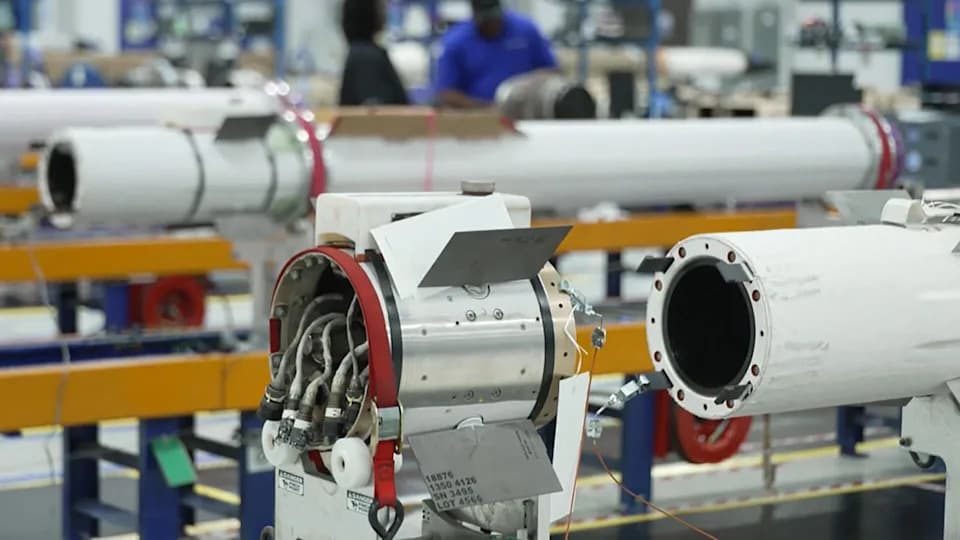
Scaling hypersonics depends on modern manufacturing and acquisition practices: additive manufacturing, modular design, flexible production lines, simplified supply chains, and the smarter use of private capital. Systems should be designed to be produced quickly and modified without wholesale retooling. The objective is to restore industrial depth and agility so the defense industrial base can move from prototypes to production at speed.
Acquisition reform that expands the industrial base, engages critical suppliers directly, and incentivizes affordable mass production is essential. Congress must sustain predictable funding and support new suppliers that can deliver field-ready capabilities. Industry must sustain urgency, leverage private investment, and push manufacturing and systems engineering innovations that reinforce deterrence through strength.
The Atlantic Council’s Hypersonic Capabilities Task Force—which includes Rep. Doug Lamborn and industry representatives such as Ursa Major—offers actionable recommendations for delivering hypersonics at operational scale. Policymakers, industry leaders and investors should review the Task Force's final report for detailed proposals.
Now is the time to move from breakthrough demonstrations to affordable, mass-produced hypersonic capability. Achieving that will require coordinated action across government, industry and capital markets.
Doug Lamborn is a former U.S. Representative for Colorado’s 5th District and a member of the Atlantic Council’s Hypersonic Capabilities Task Force. Dan Jablonsky is CEO and chairman of Ursa Major, an industry member and sponsor of the Task Force. Ursa Major develops propulsion systems used in hypersonic applications, solid rocket motors and space mobility; its director of vehicle systems also serves on the Task Force.
Help us improve.