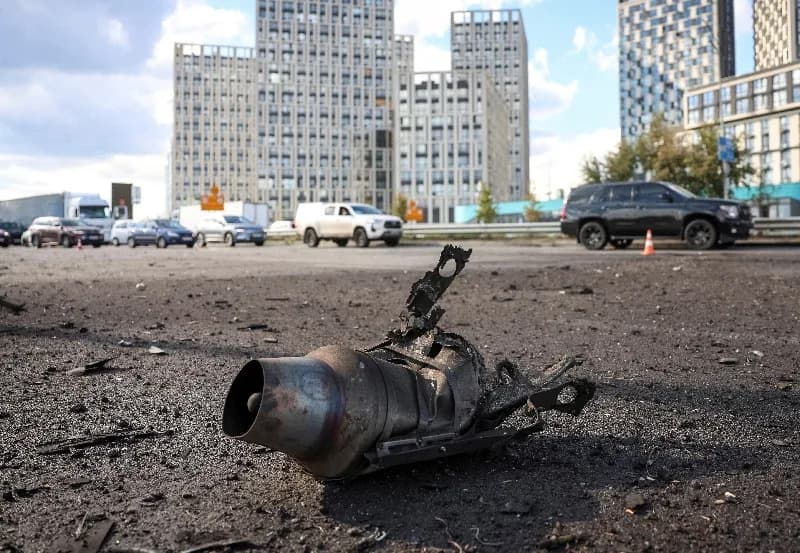
Joint Interagency Task Force 401 says there is no single weapon that can stop every small drone. Brig. Gen. Matt Ross calls small UAS "the defining threat of our time" and stresses a layered approach that integrates sensors, kinetic and non-kinetic effectors, and shared command-and-control. The task force, created last fall, is prioritizing a shared C2 framework, a procurement marketplace, and improved defenses for Group 1 and 2 drones — including protection for 11 stadiums during the FIFA World Cup.
No Single Weapon Will Stop Small Drones, Pentagon Task Force Commander Says — A Layered Defense Is Needed
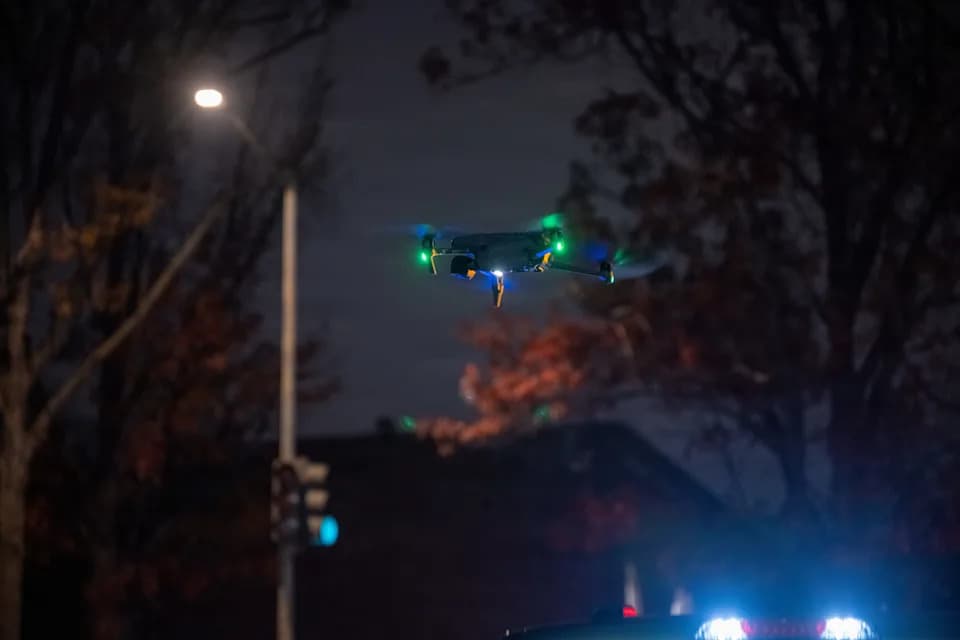
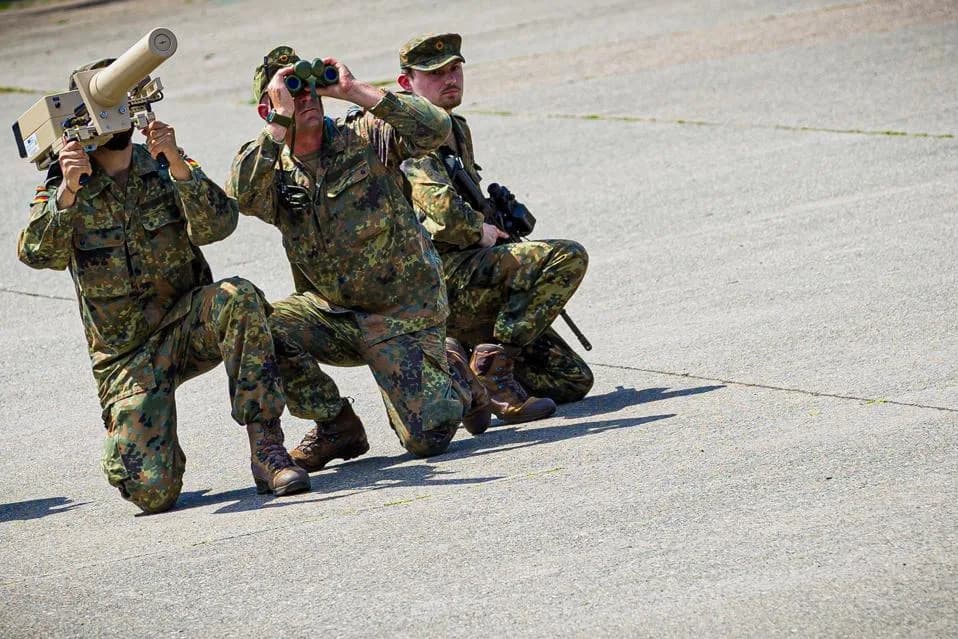
The task force has also led exercises to train personnel on detecting, identifying, and taking out small drones.US Army photo by Sgt. Wesley Domalewski
The Pentagon’s new counter-drone unit, Joint Interagency Task Force 401, warns there is no single weapon or system that will reliably defeat the growing threat posed by small uncrewed aerial systems (UAS).
Layered, Integrated Defenses
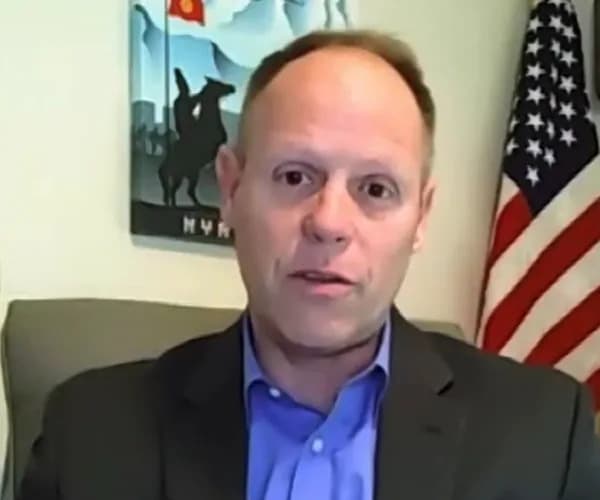
Brig. Gen. Matt Ross, commander of the task force, told reporters that countering small drones requires a layered, interoperable network of sensors, kinetic shooters, electronic warfare and other non-kinetic tools. "There’s no silver bullet for counter-UAS. There’s just not. If there was, we would already have it," he said.
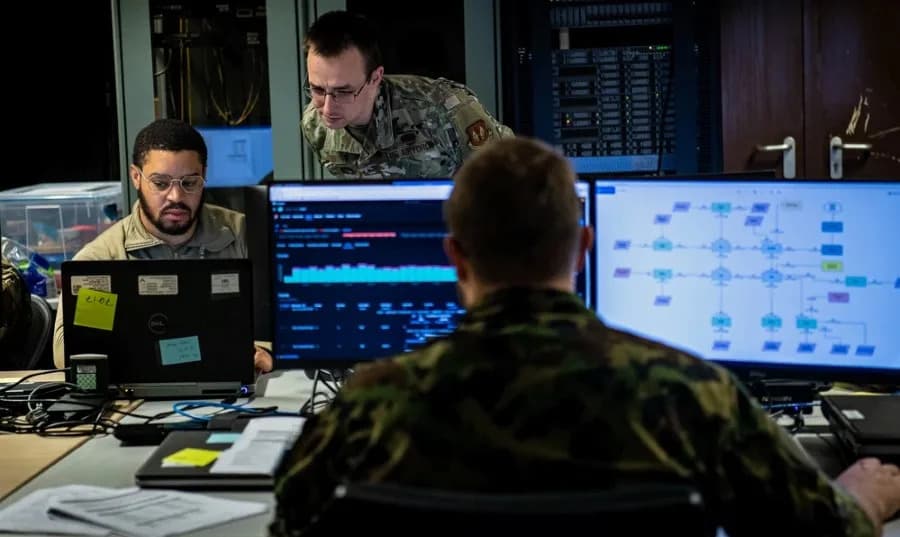
The task force emphasizes integration: linking detection and tracking sensors with effectors and battle management so commanders can detect, identify and defeat UAS anywhere they operate. That approach prioritizes flexibility so site commanders can tailor defenses to specific threats and environments.
Where Capabilities Stand
Many current systems can counter larger, longer-range Group 3 UAS, but Ross highlighted capability gaps against smaller Group 1 and Group 2 drones — the consumer-style quadcopters frequently used in conflict zones. The task force is focused on closing those gaps through accelerated testing, procurement and fielding.
Organizational Goals
Formed last fall to replace the 2019 Joint Counter-small Unmanned Aircraft Systems Office, Joint Interagency Task Force 401 has spent its first 100 days evaluating existing tools and refining priorities. Two near-term projects stand out:
- A shared command-and-control framework to enable rapid sensor-data sharing among services, agencies and regions.
- An online marketplace where military, law enforcement and other customers can compare systems, review performance data and user feedback, and more easily procure counter-UAS solutions.
Coordination And Real-World Priorities
The task force will coordinate with related programs, including efforts that address Group 3 platforms (such as Shield AI’s V-BAT and the Army’s AAI RQ-7) and the Golden Dome missile defense initiative. Ross said he is discussing data-sharing arrangements with Space Force leadership, including Gen. Michael Guetlein.
Protecting large public events is a stated short-term priority: the task force is working to bolster defenses against smaller Group 1 and 2 drones that are more likely to appear over crowded venues, including 11 U.S. stadiums scheduled to host FIFA World Cup matches.
Bottom line: The Pentagon is betting on a layered, interoperable approach rather than a single magic solution — combining technology, improved acquisition and clear operational guidance so commanders can assemble the right defenses for the mission.
Help us improve.