
The CSIS report finds the US Navy's shipbuilding shortfalls are deep-rooted and not fixable with a single policy. Problems include an aging fleet, fewer domestic yards, program mismanagement, and design changes that drive delays and overruns. CSIS recommends multi-year contracts, industrial investment, yard modernization (AI and robotics), workforce training, and allied cooperation; these measures will take years to produce meaningful improvement.
No Quick Fix for US Navy Shipbuilding Woes, CSIS Finds — Years of Work Needed

Two Constellation-class frigates are currently under construction by shipbuilder Fincantieri Marinette Marine.Chief Petty Officer Shannon Renfroe
The US Navy's fleet has contracted sharply over decades, and a new report from the Center for Strategic and International Studies (CSIS) concludes there is no single policy or program that will instantly reverse the decline. CSIS says the service, Congress, the Department of Defense and industry must pursue a coordinated, multi-year effort to restore affordable, timely ship production and sustainment.
Root Causes: Aging Ships, Shrinking Industry, and Program Instability
Many problems trace to the post–Cold War era: the Navy retired ships faster than it replaced them, most commercial shipbuilding moved overseas, and only a handful of domestic yards now build major combatants. Those structural trends have been compounded by inconsistent procurement signals from Washington, frequent design changes, and program mismanagement that drive delays and cost growth.
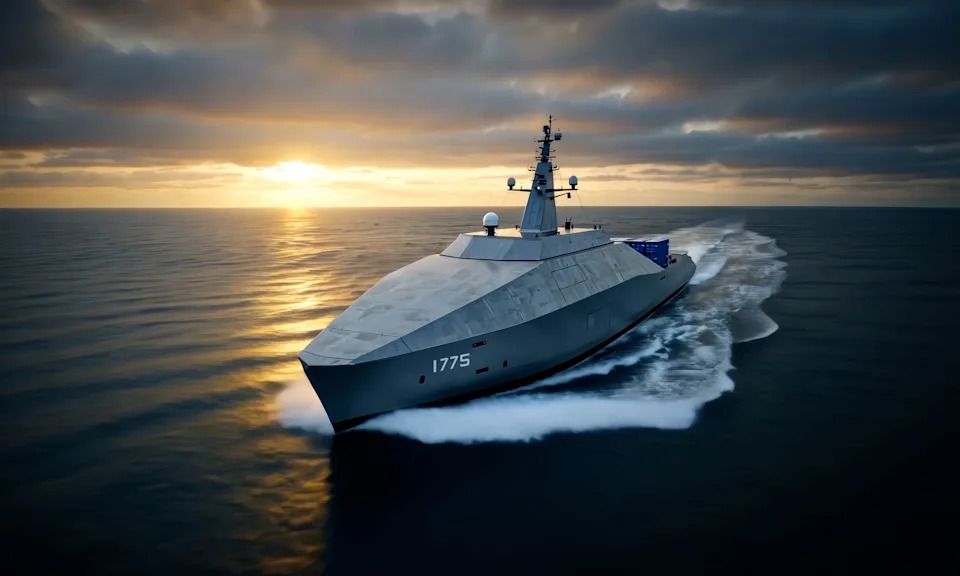
A rendering of Blue Water Autonomy's uncrewed vessel.Blue Water Autonomy
Program Failures and Performance Metrics
The report highlights a series of high-profile setbacks — two troubled littoral combat ship variants, an advanced stealth destroyer program that will produce only three hulls, and the recently canceled Constellation-class frigate after major design divergence. According to GAO data cited by CSIS, 37 of 45 battle force ships under construction were delayed as of fall 2024. A Congressional Budget Office analysis also found that ship repairs frequently take 20%–100% longer than estimated, stretching sustainment capacity.
Operational Strain and Readiness Targets
A smaller fleet operating at higher tempo places extra wear on ships and crews. Earlier this year, then-acting Chief of Naval Operations Adm. James Kilby reported readiness levels of roughly 68% for surface ships, 67% for submarines, and 70% for naval aviation, with a target of 80% by 2027. The CSIS report warns that short-term fixes will not substitute for systemic reforms.
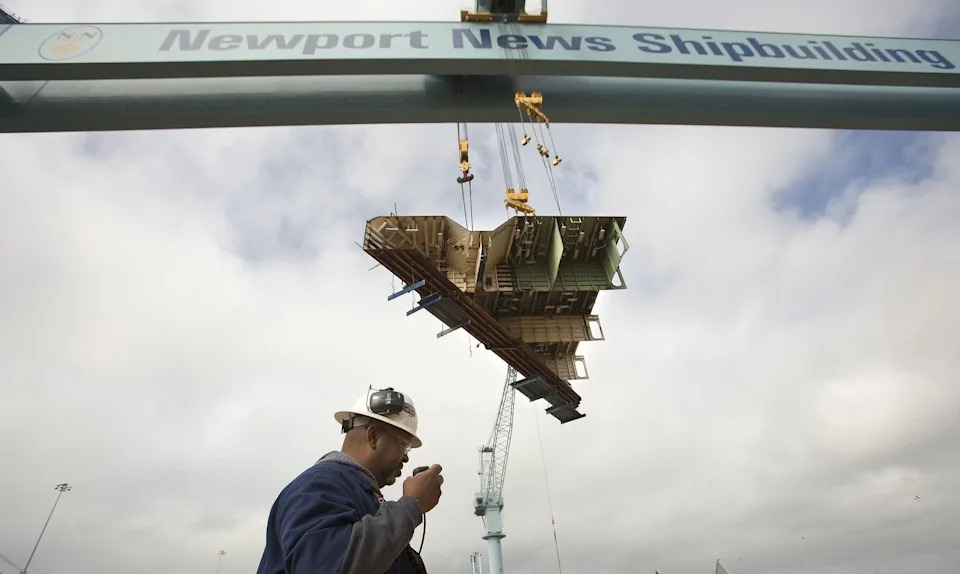
TKVirginian Pilot/TNS
Strategic Context: China’s Expansion
China's navy has grown rapidly over the past 25 years, aided by state-owned and dual-use yards, and was estimated at about 370 battle force ships last year. While many Chinese hulls do not match US platforms in capability, the scale and pace of Beijing’s shipbuilding have heightened urgency in Washington to rebuild US capacity.
Paths Forward: Technology, Industrial Investment, and Allies
CSIS outlines multiple avenues to improve output rather than a single silver bullet. Priorities include:
- Stabilizing production through multi-year contracting and continuous shipbuilding runs to reduce cost and workforce churn;
- Investing in the industrial base, especially submarine capacity, yard modernization, automation, artificial intelligence, and robotics;
- Expanding workforce training and long-term planning so yards can schedule work at scale;
- Deepening cooperation with allies and commercial shipbuilders — including technology transfer and maintenance partnerships with South Korea and other advanced shipbuilding nations;
- Exploring uncrewed surface and underwater vessels as a complementary, rapidly producible way to add ISR and other capabilities.
Conclusion
CSIS emphasizes that resolving any single issue will not guarantee rapid recovery. Reversing the decline will require sustained investment, clearer demand signals, improved program management, and years of coordinated action across the Navy, government, industry, and allied partners.
Key CSIS takeaway: There is no single policy fix — only a comprehensive, multi-year strategy can restore the United States’ ability to build and sustain the fleet it needs.


