Researchers treated middle-aged mice with low-dose exenatide, a GLP-1 receptor agonist similar in action to semaglutide, for about 30 weeks and measured molecular markers across brain, liver, kidney, muscle and fat. The drug shifted tissue "age-signatures" toward younger-looking profiles and improved some metabolic markers, with several effects tied to brain activity. However, the study was limited to mice, did not prove reversal of biological ageing or lifespan extension, and human effects remain untested.
Low-dose Ozempic-like Drug Produces ‘Younger’ Molecular Profile in Mice — Human Effects Unknown

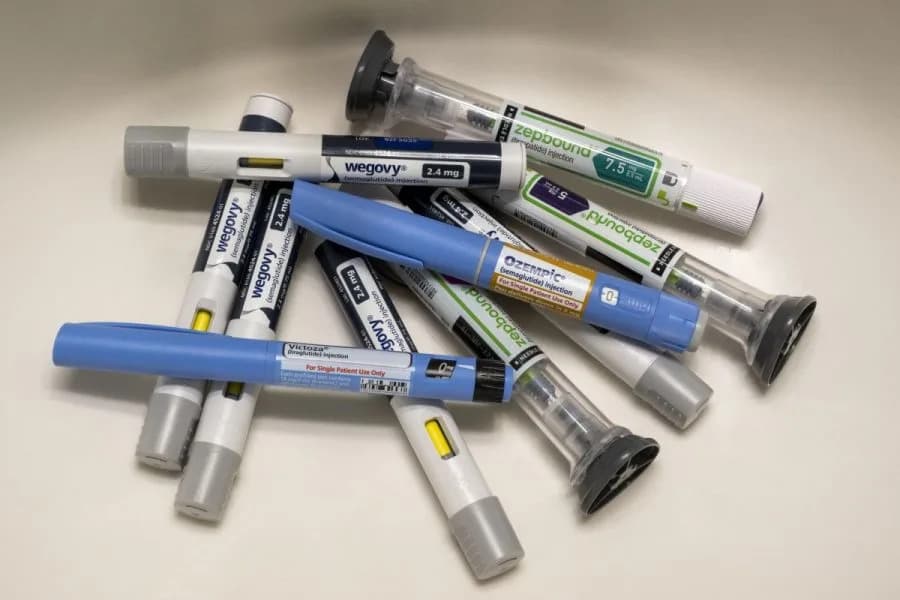
New research suggests that very low doses of a GLP-1 receptor agonist can shift multiple tissues in mice toward molecular signatures typically seen in younger animals. The compound tested, exenatide, works similarly to semaglutide (the active ingredient in drugs marketed as Ozempic and Wegovy) by activating GLP-1 pathways involved in appetite and metabolism.
In the study, researchers began treating middle-aged mice (about 11 months old) with a low dose of exenatide and continued treatment for roughly 30 weeks. They sampled tissues from several organs — including brain, liver, kidney, muscle and adipose tissue — and measured a range of molecular markers: RNA and DNA modifications, protein levels and other metabolism-related molecules. The investigators then compared the age-related molecular signatures (so-called “age-signatures”) of treated and untreated animals.
Key findings
The drug produced consistent shifts in many tissues that ran counter to typical molecular patterns associated with ageing. Treated mice also showed metabolic markers consistent with better health. Many of the most pronounced effects appeared linked to changes in brain activity, suggesting the brain may act as a regulatory hub that influences ageing-related profiles across multiple organs.
Limitations and caveats
- The experiments were performed only in mice, so whether similar effects occur in humans remains unknown.
- The mice were middle-aged at treatment start; results might differ in very old animals.
- Although molecular signatures shifted toward a younger profile, the study did not demonstrate full reversal of biological ageing or report definitive increases in lifespan.
“Our work has provided multifaceted evidence for a comprehensive body-wide anti-aging strategy,” the researchers wrote, adding that “future longitudinal studies are necessary to explore whether GLP-1R agonism may complement other anti-aging methods.”
Experts caution against self-prescribing or microdosing approved weight-loss drugs for unproven anti-ageing benefits. Larger preclinical and clinical trials are needed to confirm safety, effective dosing and whether these molecular changes translate into meaningful health or longevity benefits in humans.
Bottom line: Low-dose GLP-1R agonism produced promising, body-wide molecular changes in mice that resembled a younger profile, but important questions about real-world benefits, safety and applicability to humans remain unanswered.
Help us improve.