A new study using data from ESA's Gaia and NASA's TESS finds the Pleiades (the Seven Sisters) are the dense, bound core of a much larger system—the Greater Pleiades Complex—containing thousands more stars and spanning at least 600 parsecs. Researchers identified tenuous "stellar bridges" linking the core to other young clusters and used stellar rotation rates to spot widely dispersed, coeval groups. The findings suggest many clusters may be parts of extended stellar families and could help determine whether the Sun was born in a similar extended group.
Pleiades Revealed: 'Seven Sisters' Are the Core of a Stellar Family 20× Larger Than Thought

Pleiades redefined as the heart of a vast stellar family
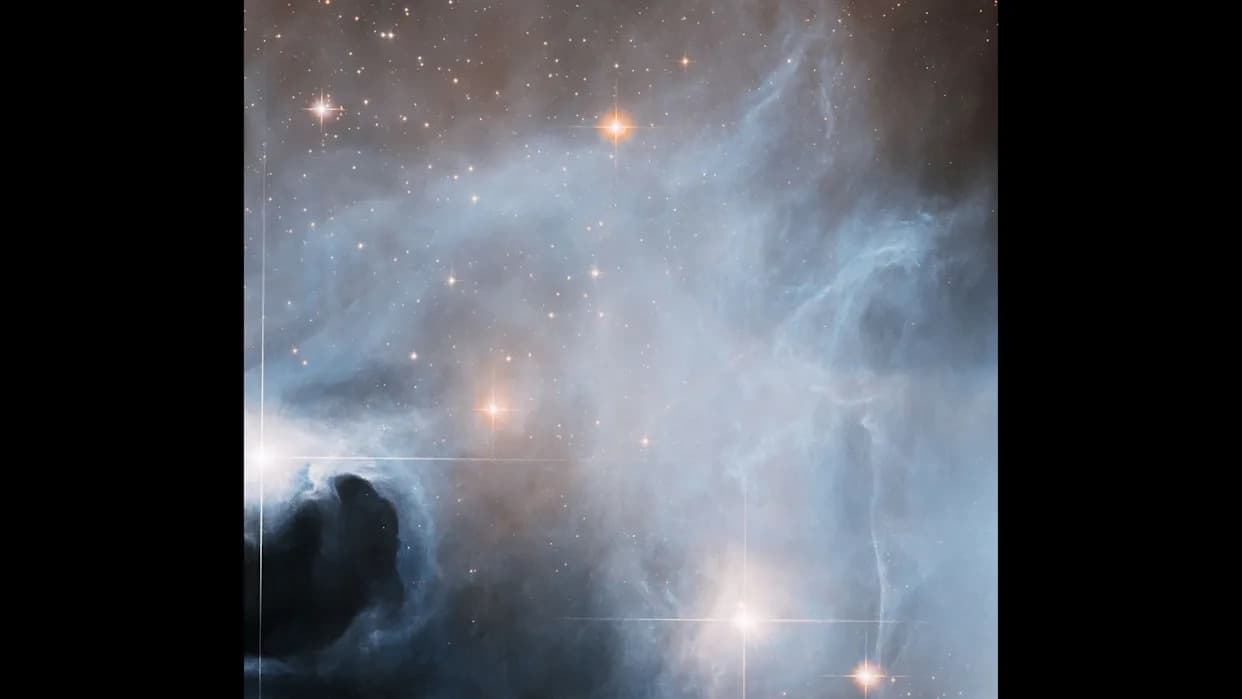
Astronomers have discovered that the familiar Pleiades — long known as the Seven Sisters — are only the dense, bound center of a far larger stellar association. Using precise position and motion data from the European Space Agency's Gaia mission and NASA's TESS satellite, researchers show the Pleiades form the compact core of a structure they call the Greater Pleiades Complex, which contains thousands of additional sibling stars and is roughly 20 times larger than previous estimates.
The team reports their findings in The Astrophysical Journal. Rather than a small cluster of seven bright stars, the Pleiades now appear as the bound, coeval core of an extended system that includes multiple previously known clusters. Most members likely formed from the same giant molecular cloud, then drifted apart over time while remaining part of the same family.
Researchers estimate the Greater Pleiades Complex spans at least 600 parsecs — one parsec being about 3.26 light‑years (roughly 31 trillion kilometres) — indicating a structure that stretches across a substantial portion of our local Galactic neighborhood.
Stellar bridges and a new way to spot lost siblings
In addition to identifying thousands of new candidate members, the study finds tenuous "stellar bridges" — streams of gas and young stars — linking the Pleiades core to other nearby young clusters. These connections are evidence of related formation processes across large scales.
Crucially, the researchers combined classical kinematic data with measurements of stellar rotation. By measuring how fast stars spin (their rotation periods) and comparing those rates across many stars, the team could identify groups that have the same age but are now widely dispersed and difficult to detect with traditional position-and-velocity methods alone.
“This study changes how we see the Pleiades — not just seven bright stars but thousands of long‑lost siblings scattered across the whole sky,” said Andrew Boyle of the University of North Carolina at Chapel Hill.
Co‑author Andrew Mann added: “We’re realising that many stars near the Sun belong to massive, extended families with rich internal structure. Our work provides a practical way to uncover those hidden relationships.”
Why this matters
Understanding which stars were born together helps astronomers reconstruct the birth environments of stars, trace the chemical and dynamical history of the Galaxy, and even search for the Sun's birth siblings. If the Sun formed in a similar sprawling family, these methods could help reveal that extended origin story.
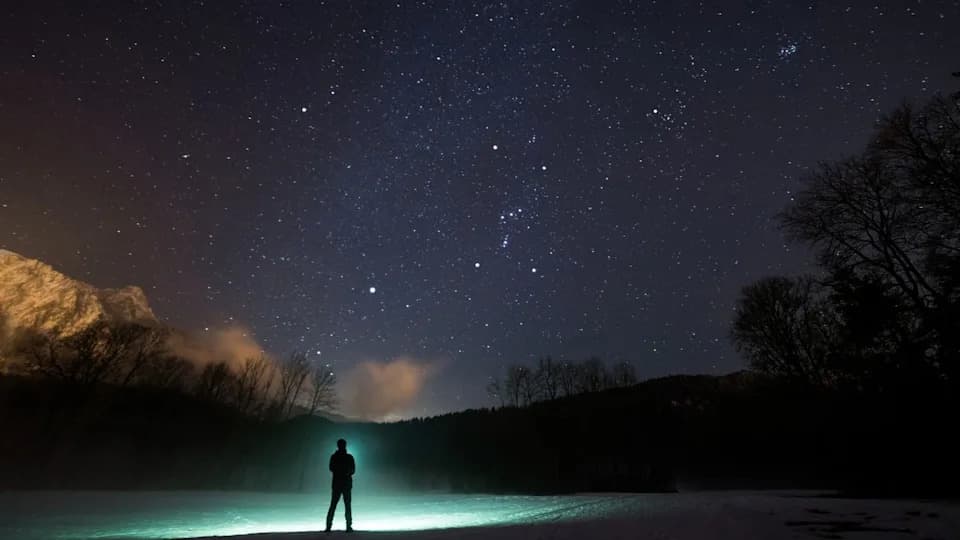
Beyond science, the Pleiades continue to have cultural importance: they are mentioned in the Old Testament and the Talmud, celebrated as Matariki in New Zealand, and appear in Japan as the Subaru logo. This new work deepens both the scientific and cultural appreciation of one of the sky's most recognizable star groups.
Help us improve.