Researchers have identified a new pterosaur species, Bakiribu waridzagen sp. nov., from a regurgitalite (fossilized vomit) recovered in the Early Cretaceous Araripe Basin of Northeast Brazil. The animal appears to have been a filter feeder, with baleen‑like mouthparts, and is the first such pterosaur described from tropical latitudes. The mineralized lump also contains head‑aligned fish remains, providing rare, direct evidence of predator–prey interactions in this Gondwanan sea‑margin ecosystem.
Fossilized Vomit Reveals New Tropical Filter‑Feeding Pterosaur Species

Fossilized vomit yields an unexpected discovery
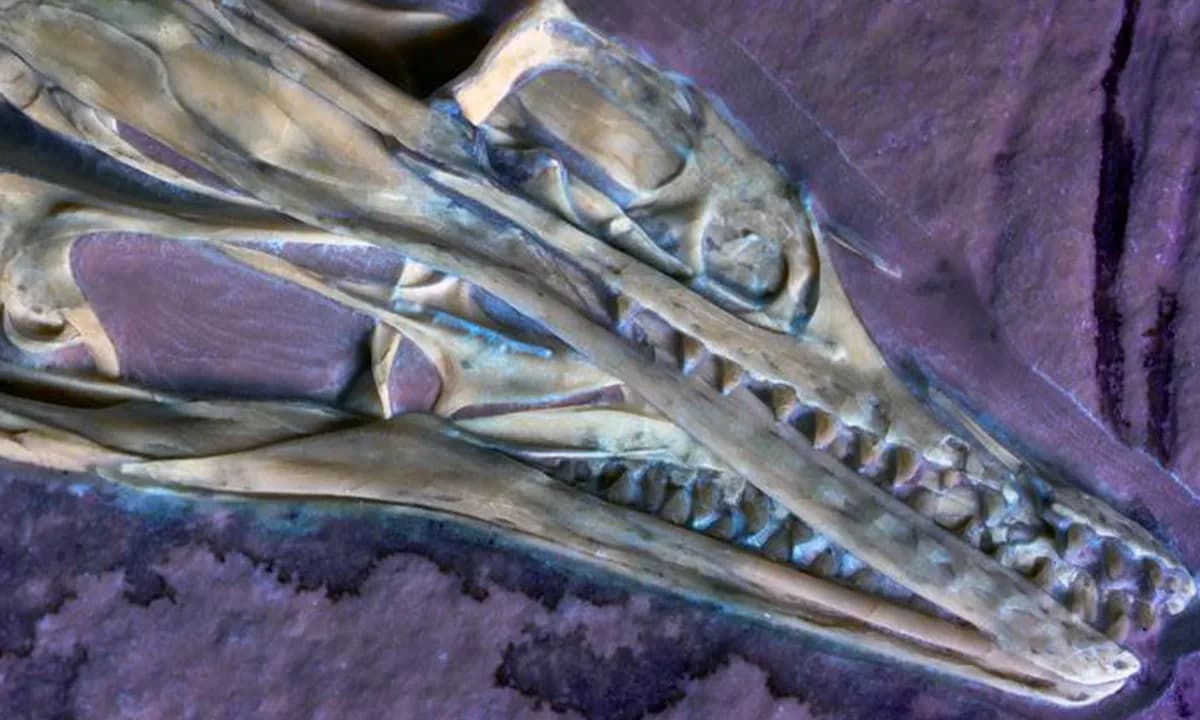
Trace fossils—like coprolites (fossilized droppings) and gastroliths (stomach stones)—are invaluable windows into ancient ecosystems. A newly described category, the regurgitalite (mineralized fossil vomit), has now produced an extraordinary find: remains of an previously unknown pterosaur embedded in a lump of ancient regurgitate from the Araripe Basin of Northeast Brazil.
New species from an unusual source
Scientists reporting in Scientific Reports identify the animal as Bakiribu waridzagen sp. nov. The specimen comes from Early Cretaceous deposits along a Gondwanan sea margin and appears to have been expelled by a predator and subsequently mineralized into a regurgitalite.
A tropical filter feeder
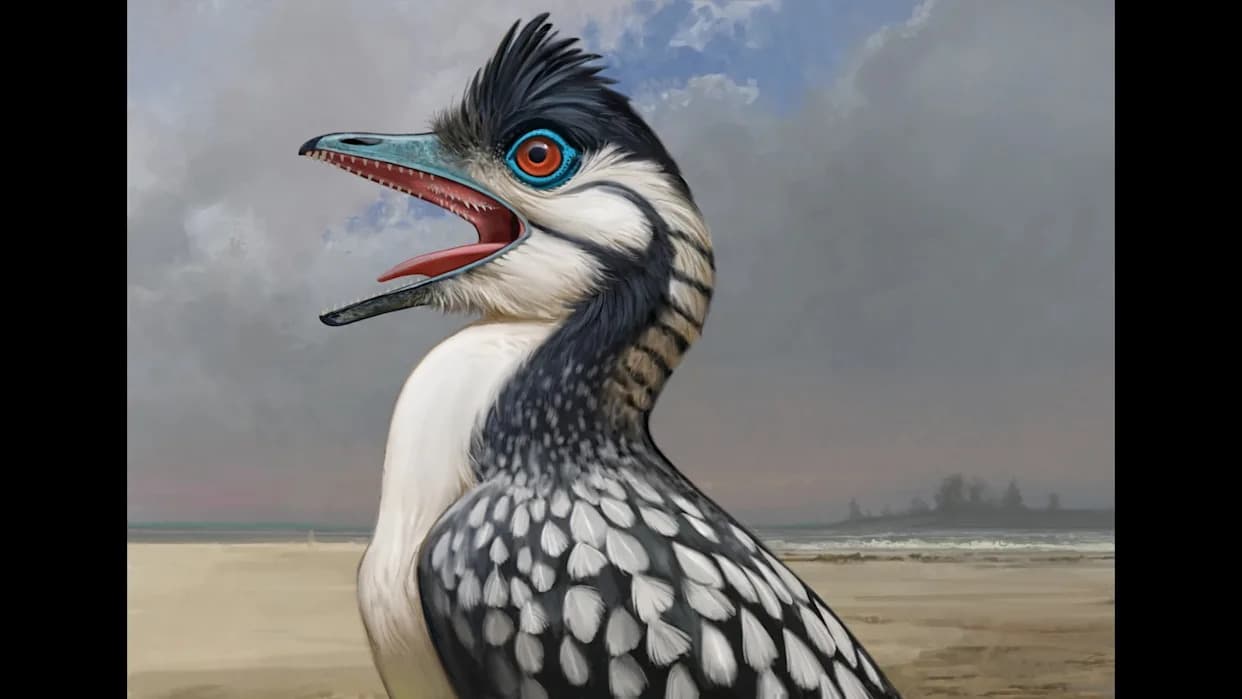
Unusually for pterosaurs, the new species shows adaptations for filter feeding: its mouthparts resemble the baleen-like structures used by modern whales to sieve tiny food items from water. According to the authors, this is the first described filter‑feeding pterosaur from tropical latitudes, expanding the known ecological and geographic range of this feeding strategy.
Direct evidence of ancient food webs
Beyond naming a new species, the regurgitalite contains head-aligned fish remains and other material that illuminate trophic interactions in the Early Cretaceous Araripe paleoecosystem. The clustered, oriented arrangement of the fish within the mineralized lump is consistent with expulsion by a predator (regurgitation) rather than the random accumulation expected from a floated carcass.
"The exceptional preservation of the specimen within a regurgitalite, alongside head-aligned fish remains, provides rare direct evidence of trophic interactions in the Early Cretaceous Araripe paleoecosystem," the authors wrote.
This discovery demonstrates how trace fossils can preserve surprising snapshots of behavior and food-web dynamics—sometimes in the most unexpected forms.
Help us improve.