Rocinha residents voted in a presidential election marked by skepticism that results will change life in Rio's largest favela. Security, sanitation and the rising cost of living were top concerns as voters weighed incumbent Luiz Inácio Lula da Silva against Flávio Bolsonaro. Bolsonaro promises hardline measures against armed gangs; Lula boosted welfare and banned sports betting in the campaign's final weeks. Many locals say police violence and chronic neglect leave them disillusioned with both major options.
Rocinha Votes in Shadow of Violence and Hardship — Residents Doubt Change
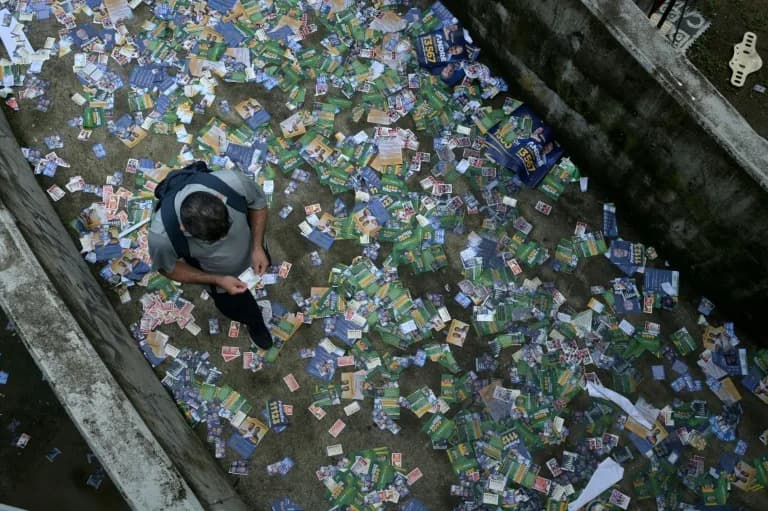
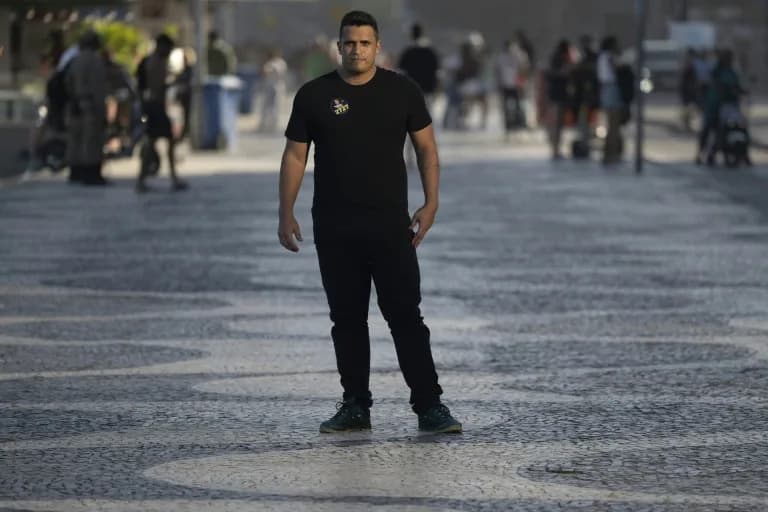
Election campaign leaflets litter the ground in Rocinha, Brazil (TERCIO TEIXEIRA)
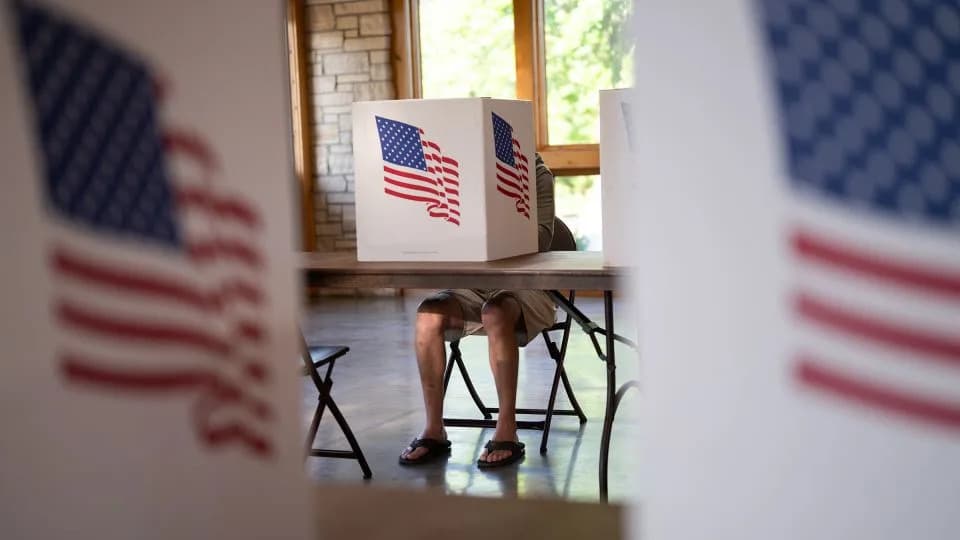
Worn down by persistent violence and the struggle to make ends meet, residents of Rocinha — Rio de Janeiro's largest favela — cast their ballots on Sunday with little faith that the election will change life on the hillside.
Lines of voters, sometimes a hundred people long, wound along Rocinha's steep streets. Around 100,000 people live in tightly packed brick homes clinging to the escarpment that overlooks Rio's famous beaches.
Voters faced a choice among a dozen presidential hopefuls, but security, sanitation and the rising cost of living dominated conversations at polling stations.
"You're not safe on the street. You're not even safe inside your own home," said 70-year-old Antonio Machado. "You're inside your house when a stray bullet comes flying in."
For decades drug gangs and heavily armed police have battled for control of these hills, often in full view of the city and the South Atlantic. Residents say successive governments, from left and right, have failed to deliver lasting improvements.
"It is shameful, the state of this country," Machado said. "Politicians only seek you out during election season. Afterward, they don't even know you exist."
The Front-Runners
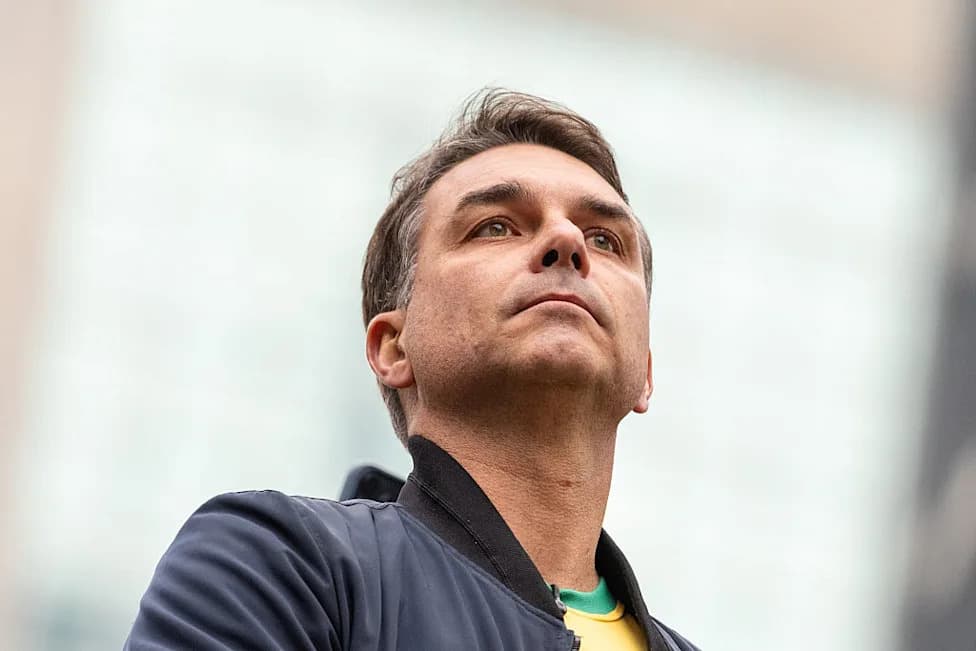
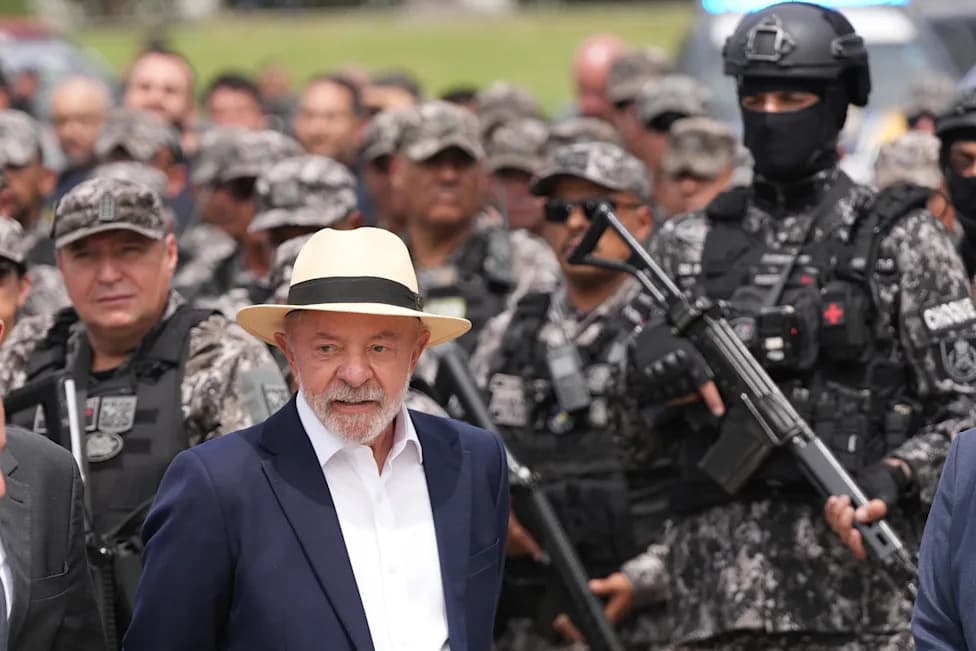
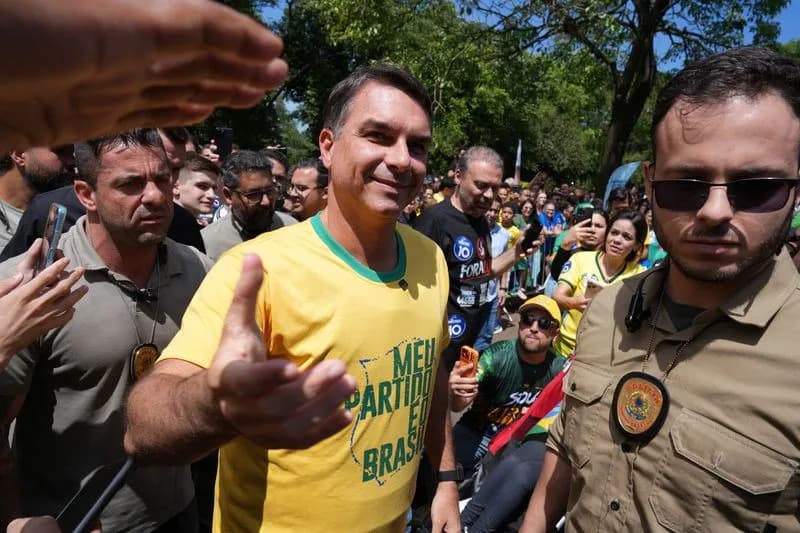
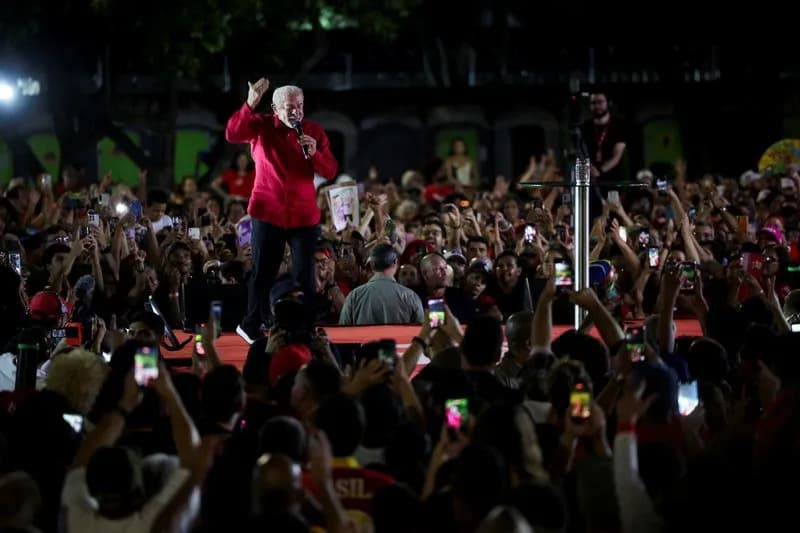
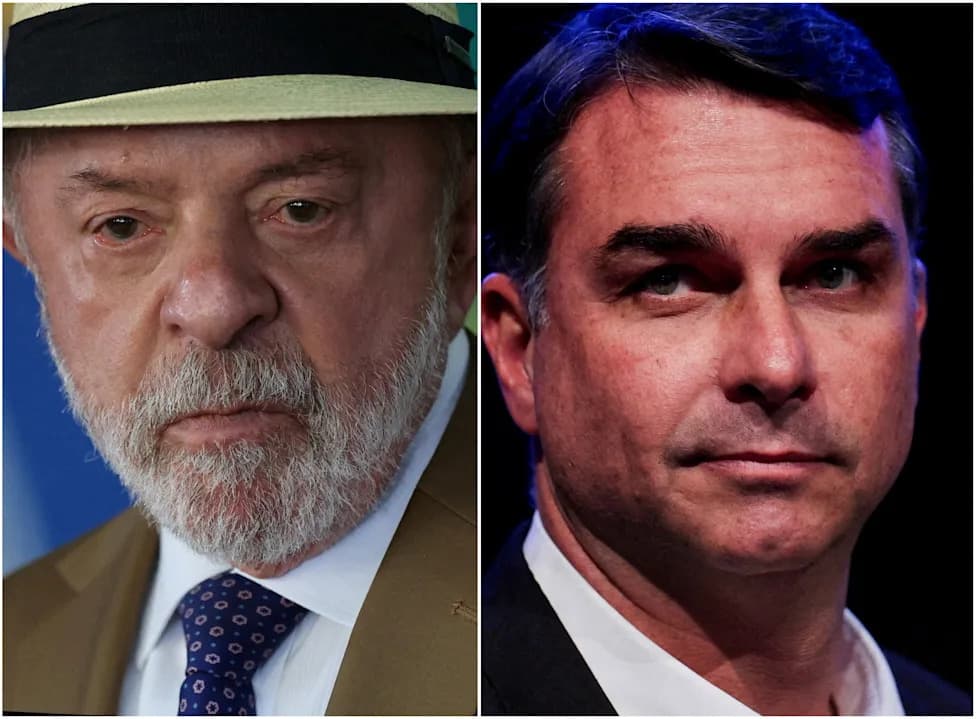
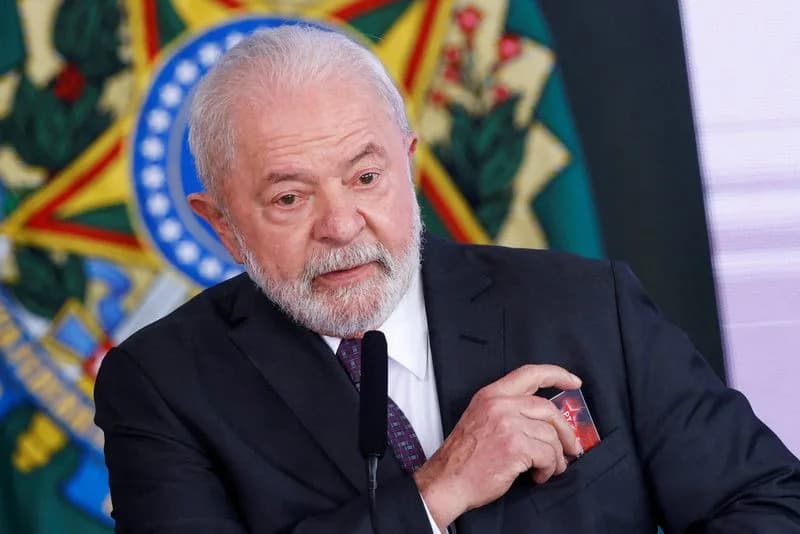
The main contenders are leftist incumbent Luiz Inácio Lula da Silva and right-wing Senator Flávio Bolsonaro. Each has presented starkly different approaches to the problems facing favelas.
Flávio Bolsonaro has vowed to restore state authority and to "suffocate" armed groups such as the Comando Vermelho and the First Capital Command, promising to classify them as terrorist organizations and to expand maximum-security prisons. He has praised hardline policies in El Salvador and proposed similar measures for Brazil.
Lula has also pledged to "reclaim the territory" and, in the closing weeks of the campaign, introduced measures such as increased welfare payments and a ban on sports betting to tackle poverty and gambling-related debt.
"Violence is something that's been dragging on for years and years," said Fabricia de Melo, a biomedical scientist. "He's not the best option, but he's the option we have right now."
Some residents are wary of a security-first approach. "As a Black person, I don't trust the police," de Melo added. "Because when they come in, they break into homes and assault people." According to the Brazilian Public Security Forum, police in Brazil killed an average of 17 people a day between 2019 and 2025, a figure that underscores fears of excessive force.
Patience Wearing Thin
Lula remains popular with many for social programs that reduced poverty during his earlier presidency, but frustration is widespread over continuing problems with sanitation, education and the high cost of basics.
"We suffer from many problems regarding basic sanitation and education," said 22-year-old bricklayer Maicon Santana. "I'm not very pleased with this administration. It hasn't done anything."
Tech worker João Batista, 36, said he voted for Bolsonaro out of frustration with living costs. "Things are truly terrible. As far as I'm concerned, the left just doesn't work anymore," he said.
Photographer Ana Elise de Oliveira, 23, reflected a common, reluctant stance: "Lula's administration isn't perfect, but he does what he can." For many voters in Rocinha, however, incremental measures and campaign promises do not yet translate into safer streets or reliable services.
As election day closed, the mood in Rocinha was a mixture of resolve and resignation: residents exercised their right to vote while doubting whether any candidate could quickly and deeply change the daily realities of life on the hillside.
Help us improve.