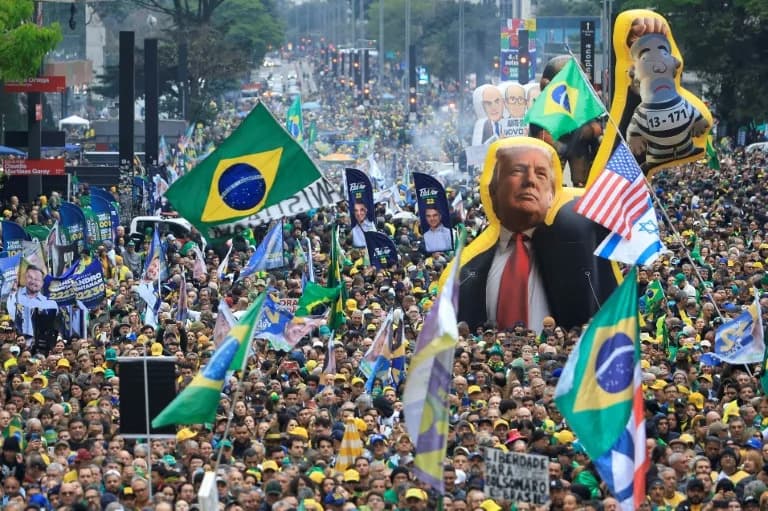
The Trump administration faces accusations from U.S. lawmakers and analysts of applying diplomatic, economic and political pressure on Brazil ahead of its presidential vote. Critics cite tariffs, trade probes, visa restrictions and controversial appointments as efforts that could influence Brazil's institutions and electoral confidence. The White House rejects allegations of interference, while President Lula warns against foreign meddling and warns these moves may strengthen nationalist sentiment.
Did the Trump Administration Interfere in Brazil's Election? Tariffs, Visas and Diplomatic Pressure Under Scrutiny
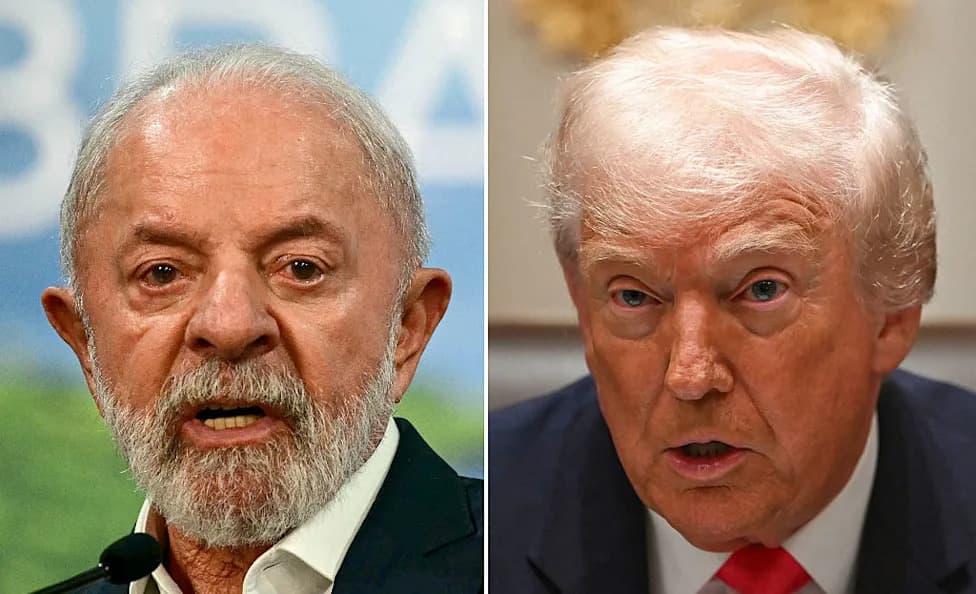
Brazil's President Luiz Inácio Lula da Silva and U.S. President Donald Trump are seen in this combination of pictures created on Dec. 2, 2025. —Pablo Porciuncula, Andrew Caballero-Reynolds—Getty Images
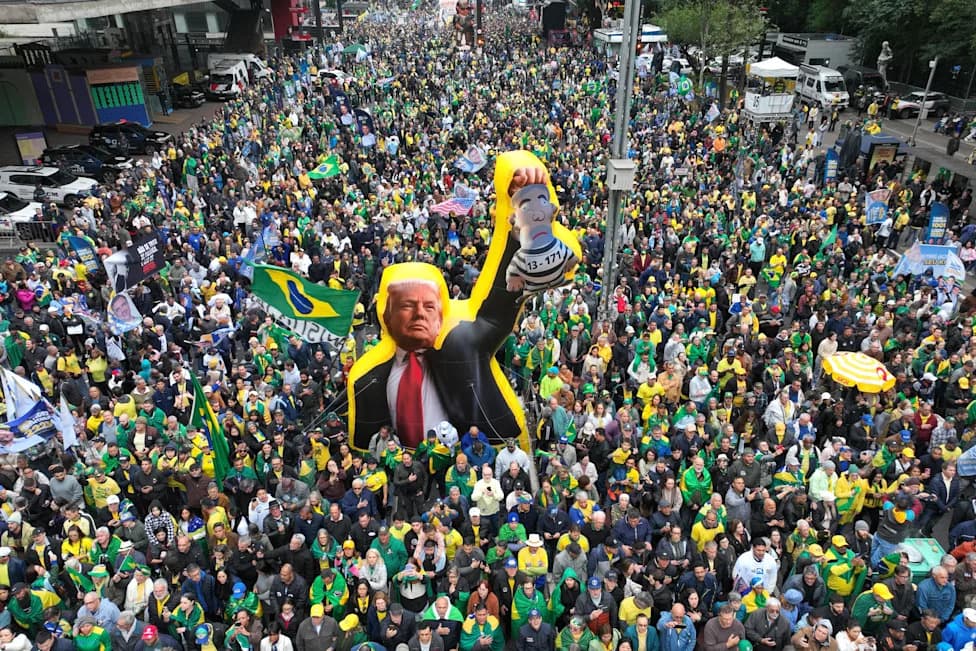
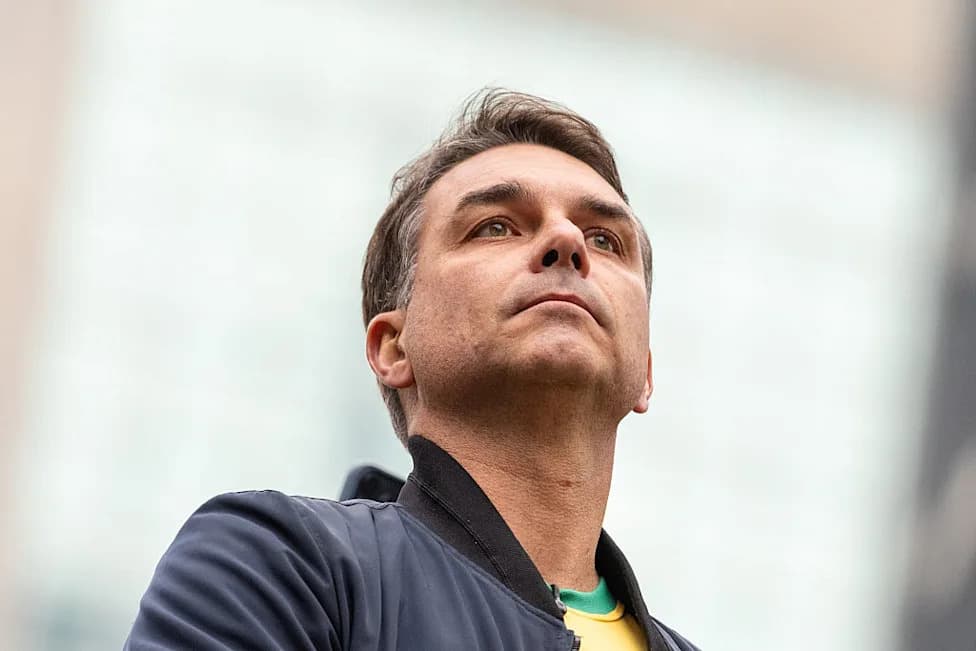
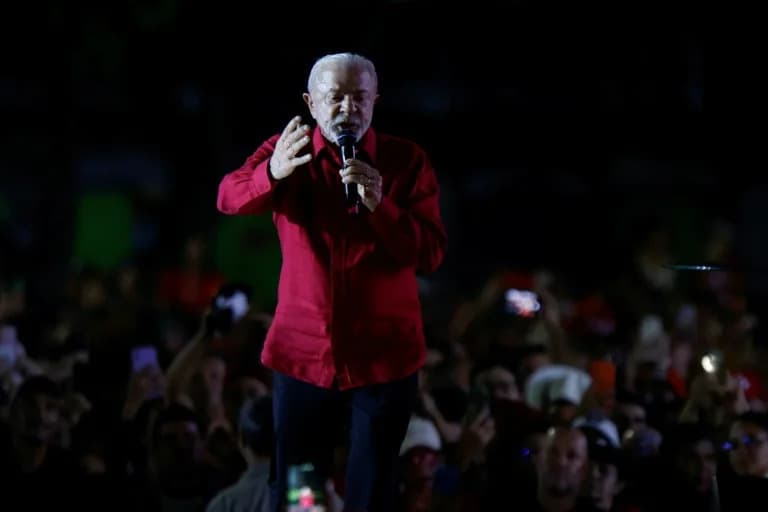
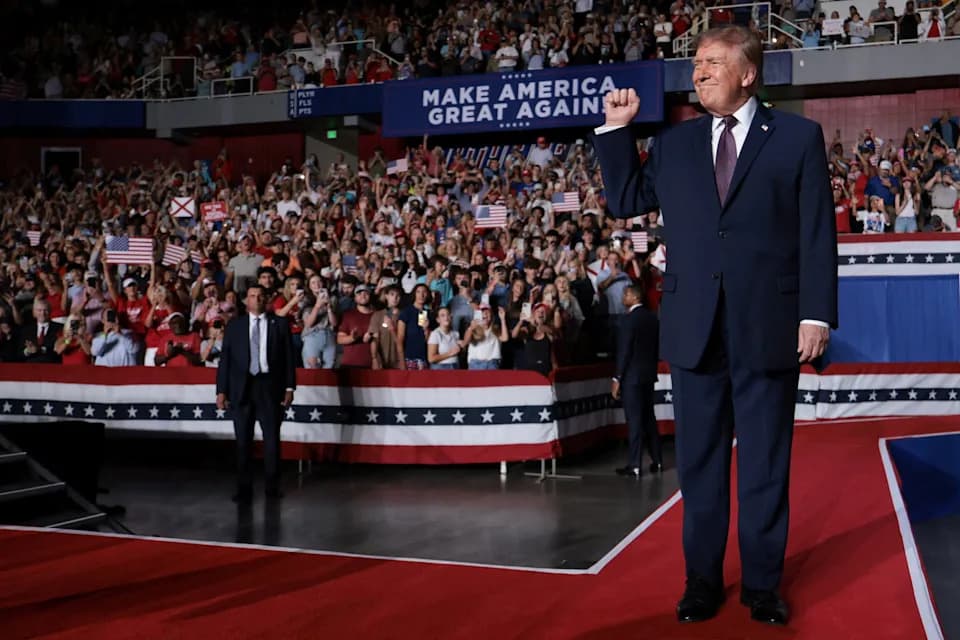
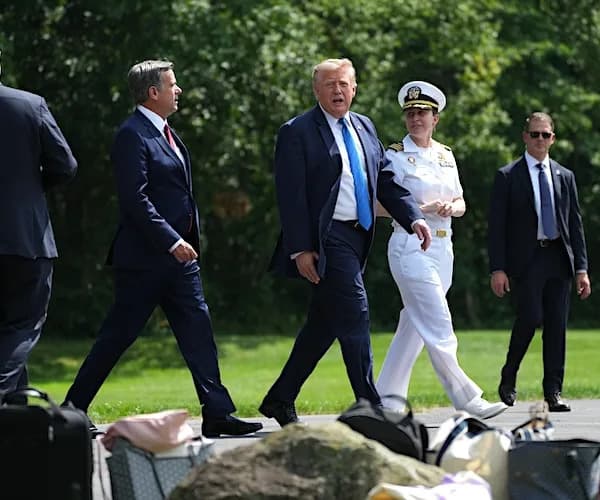
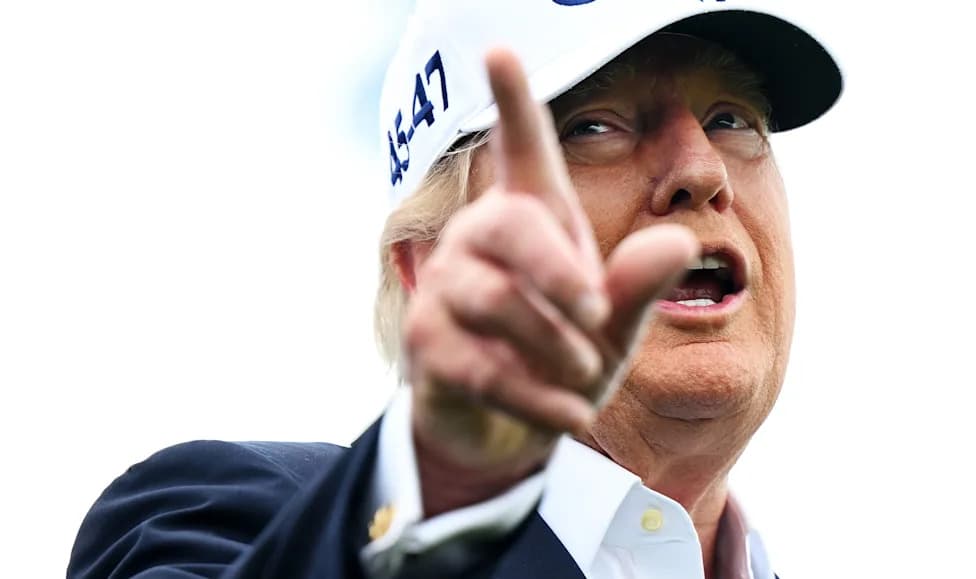
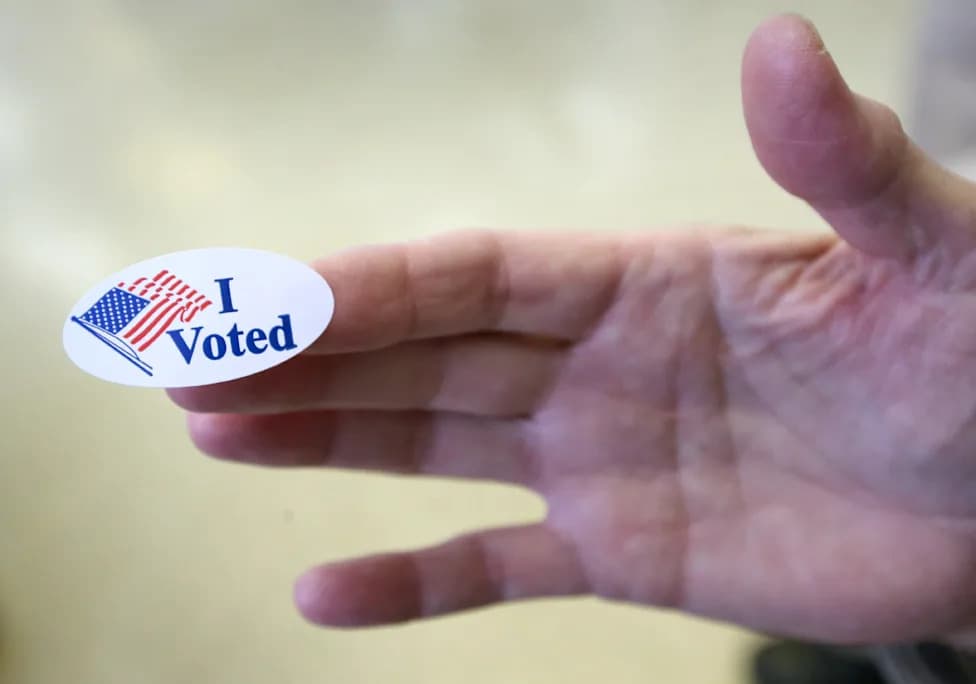
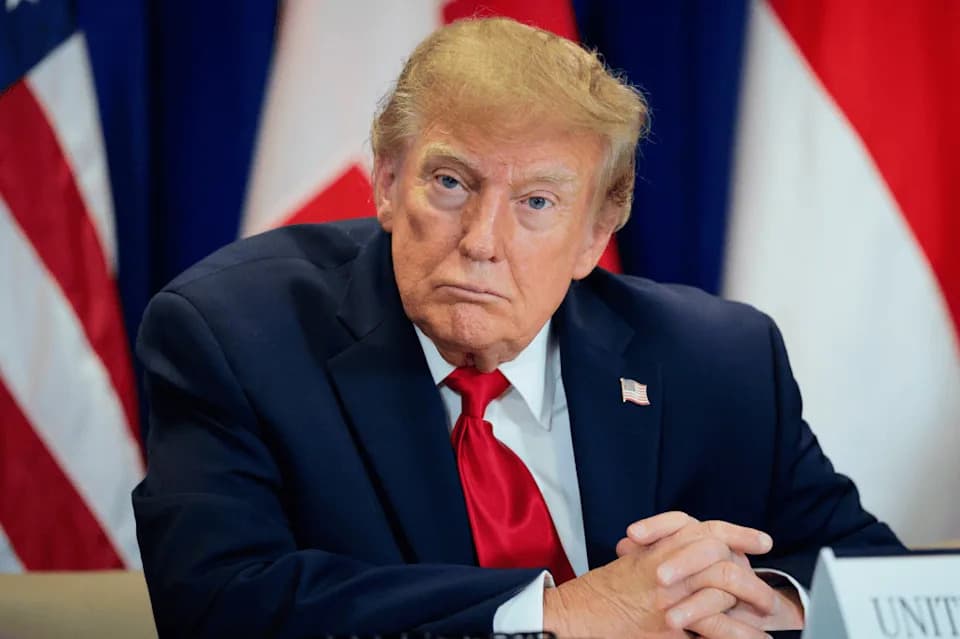
President Donald Trump said he is watching Brazil's presidential vote "very closely," calling the country "very important" and praising its people. His comments came as the U.S. State Department warned of unspecified security concerns and temporarily suspended consular services in Brazil ahead of the first-round vote, which polls show could lead to an Oct. 25 runoff between incumbent Luiz Inácio Lula da Silva and Senator Flávio Bolsonaro.
Allegations of U.S. Pressure
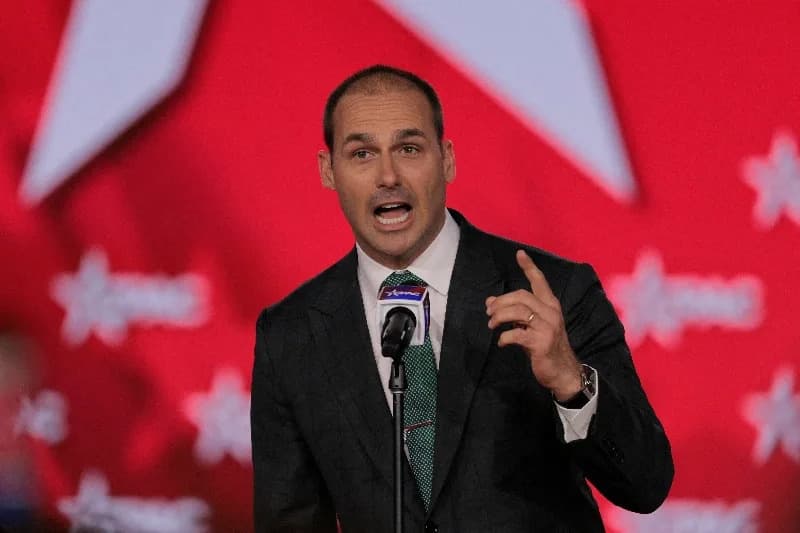
Democratic lawmakers and several analysts say the Trump administration has stepped up diplomatic, economic and political pressure on Brazil in ways that risk influencing the election outcome. In a Sept. 24 letter to Secretary of State Marco Rubio, 30 House Democrats and Sen. Bernie Sanders warned of a "sustained, multifaceted campaign of interference and destabilization in Brazil." A separate letter from three Democratic senators repeated those concerns and demanded the administration commit to recognizing the certified outcome of Brazil's 2026 elections.
Trade Measures and Tariffs
Critics point to a series of trade actions as evidence of pressure. The U.S. first imposed measures that some described as punitive — including a 50% tariff on certain imports — and later directed the U.S. Trade Representative to investigate Brazil under Section 301. In July, USTR measures included a 25% tariff on many Brazilian goods, a move Lula's office called a "lamentable milestone." The administration says these steps respond to perceived unfair trade practices.
Visa Restrictions and Diplomatic Moves
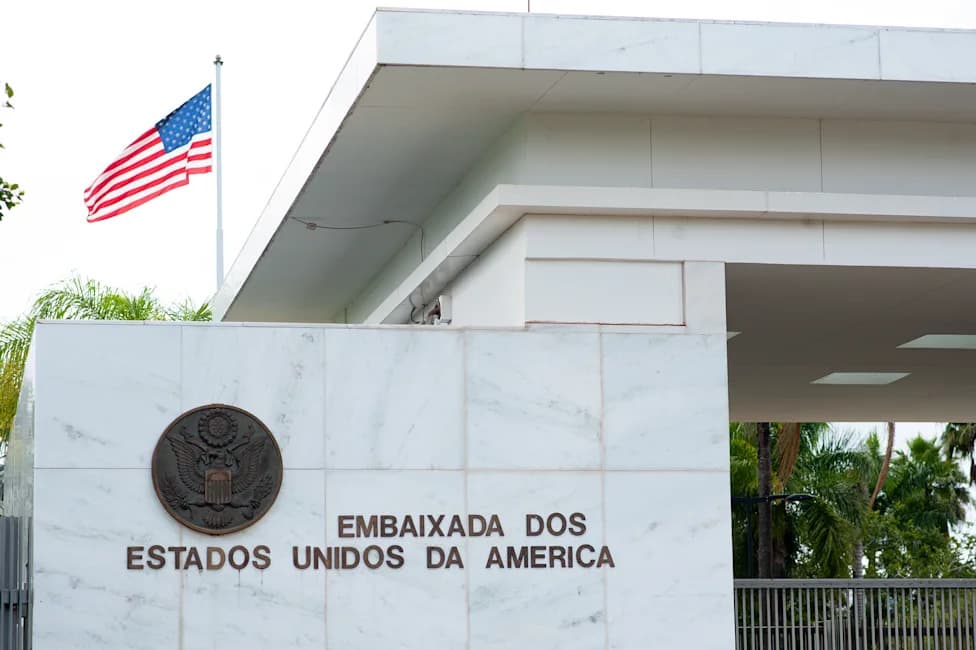
The State Department announced visa restrictions tied to actions by Brazil's Supreme Court, and Secretary Rubio publicly criticized Justice Alexandre de Moraes' handling of former President Jair Bolsonaro's trial. The U.S. also temporarily suspended consular services in Brazil for security reasons. In response to perceived interference, Brazil denied visas to two U.S. State Department officials and had the Brazilian ambassador to Washington face a U.S. visa revocation.
Controversial Appointments and Statements
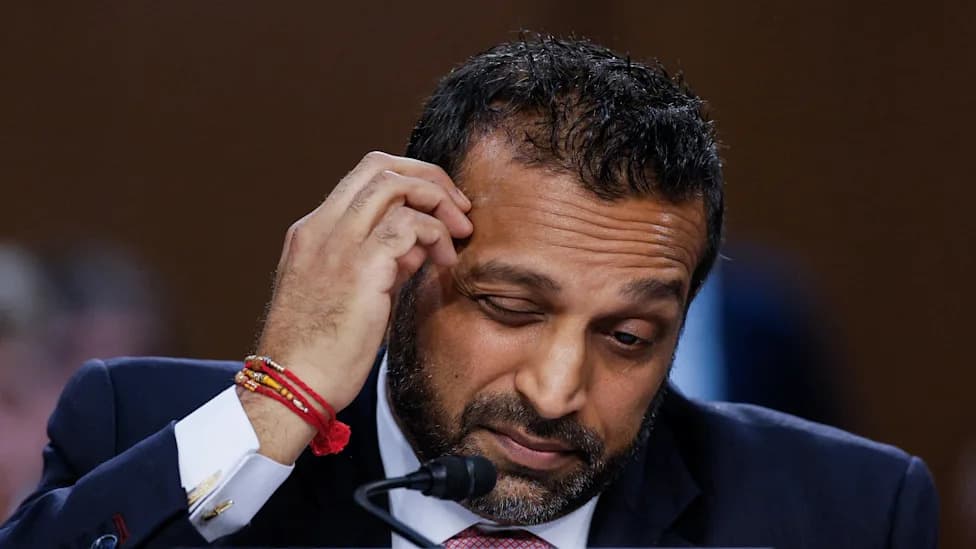
The appointment of Darren Beattie as a senior State Department adviser on Brazil alarmed critics. Beattie, a former White House speechwriter who was dismissed in the past for attending an event linked to white supremacists, publicly accused one of Brazil's Supreme Court justices of being an architect of censorship against Bolsonaro and his supporters.
"It is very important that the U.S. do not interfere in Brazil's elections," President Lula told reporters, warning that foreign pressure can be used to stoke nationalist sentiment.
Regional Context
Observers note the U.S. has recently engaged more assertively across Latin America — from the creation of a "Shield of the Americas" security coalition to public endorsements of right-wing candidates in the region. Analysts say these actions, together with high-profile moves such as the reported U.S. operation that detained Venezuelan leader Nicolás Maduro, reinforce a narrative that the administration prefers right-leaning governments aligned with U.S. priorities.
What’s At Stake
Supporters of the administration argue its actions defend democratic norms and U.S. interests; critics say the combination of tariffs, visa restrictions, diplomatic outreach to Bolsonaro allies and staffing choices risks undermining Brazilian institutions and the credibility of its electoral process. Political scientists caution that heavy-handed external pressure can produce a "rally-round-the-flag" effect, strengthening an incumbent by casting foreign measures as attacks on national sovereignty.
U.S. officials have denied any intent to interfere. "Conservative leaders are winning elections across the Western Hemisphere on their own merit," White House spokesperson Anna Kelly told TIME, calling interference claims "nonsense." The debate highlights a fraught moment in U.S.-Brazil relations as Brazil prepares for a pivotal presidential runoff.
Help us improve.