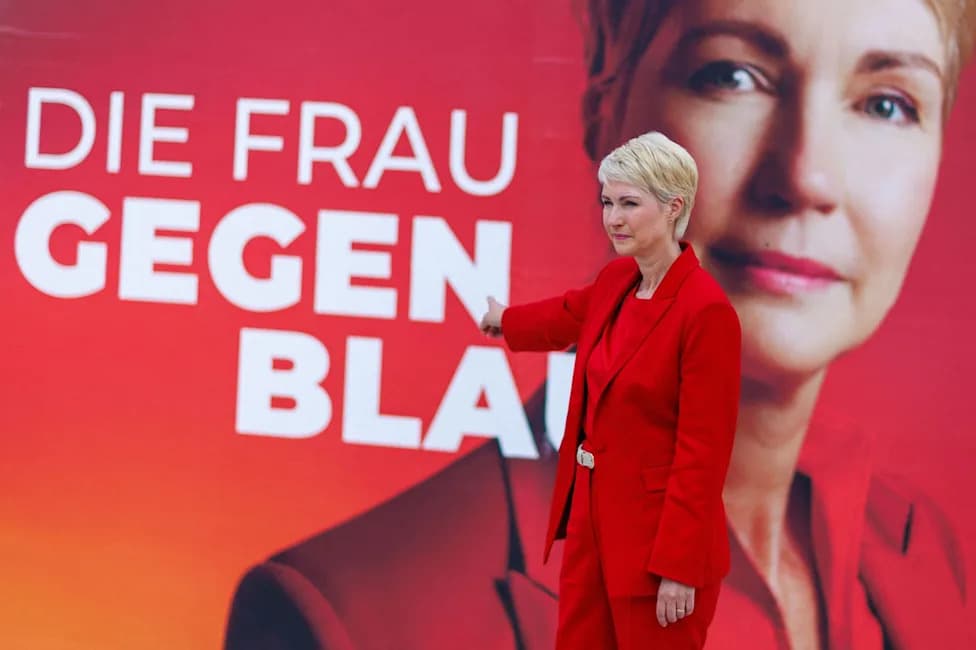
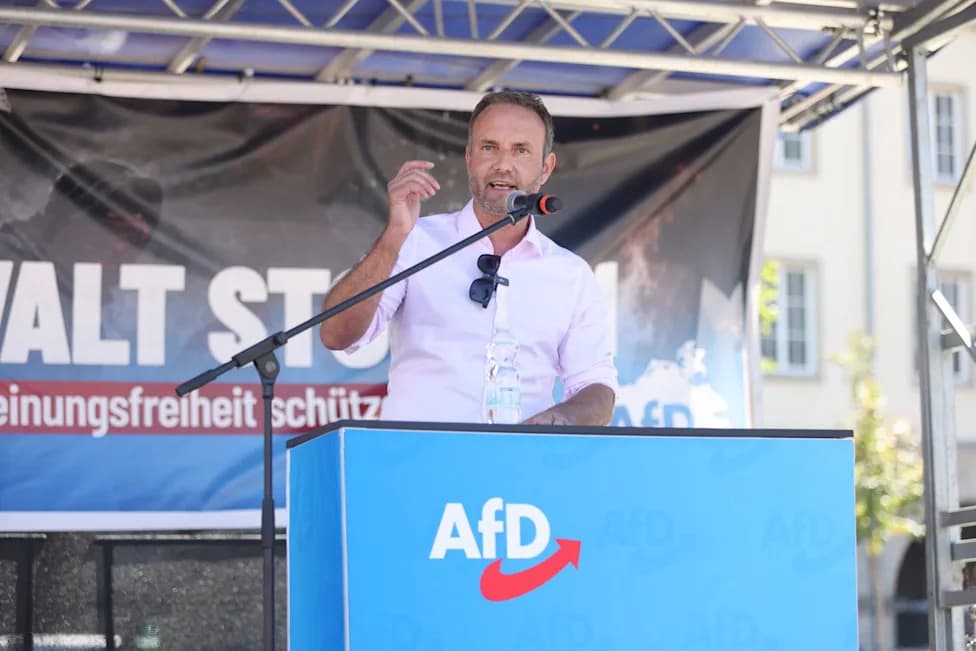
Friedrich Merz called the CDU’s result in Mecklenburg-Western Pomerania “a disaster” after the party failed to reach the 5% threshold while the AfD surged to 38.2%. Twin losses in Berlin and Saxony-Anhalt underline a wider collapse in support: the CDU/CSU combined national vote share has fallen from about 28.5% to roughly 20% under Merz. Analysts point to economic stagnation and China’s competitive pressure—average annual growth since 2020 is around 0.12%—as key drivers of the AfD’s rise, which is now spreading into western states. With Merz’s approval at 13% and no clear successor, the coalition hopes next year’s western state elections will offer a chance to recover.
Germany’s 'Zombie Chancellor': How Friedrich Merz's CDU Collapsed in Recent State Votes
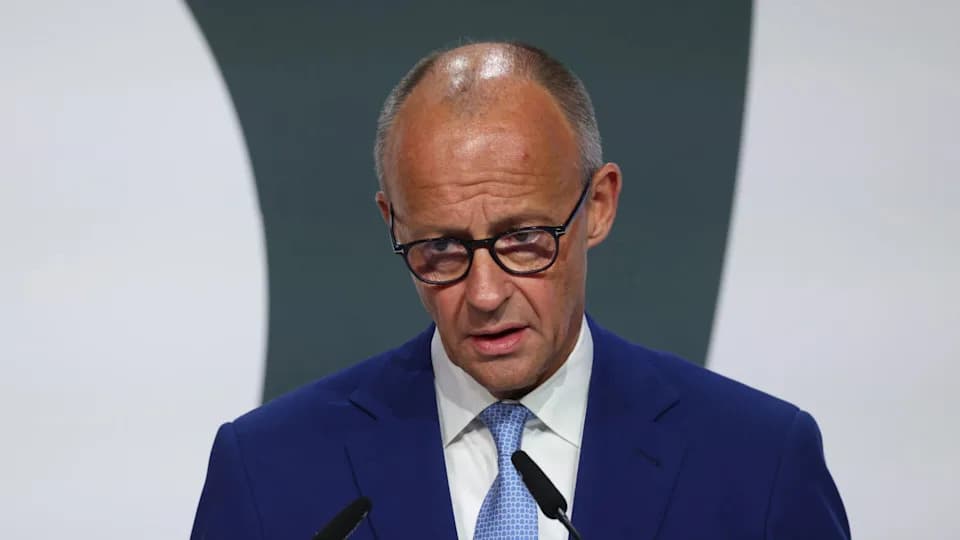
Merz is the most unpopular leader in modern German history. | Credit: Sean Gallup / Getty Images
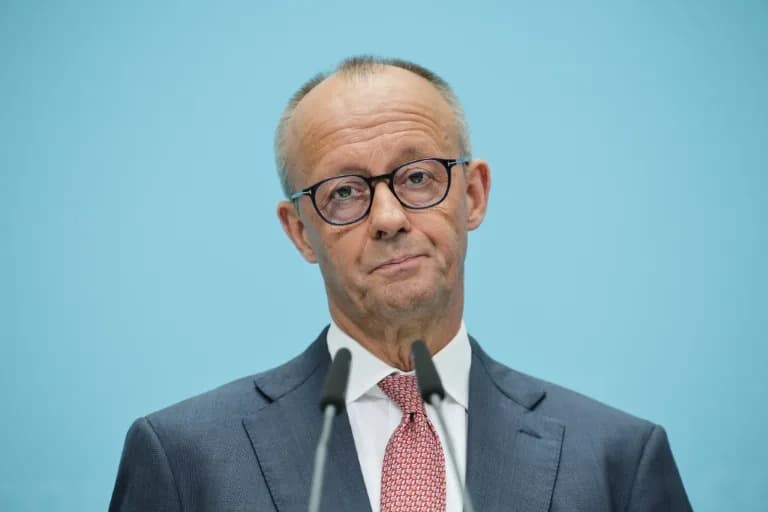
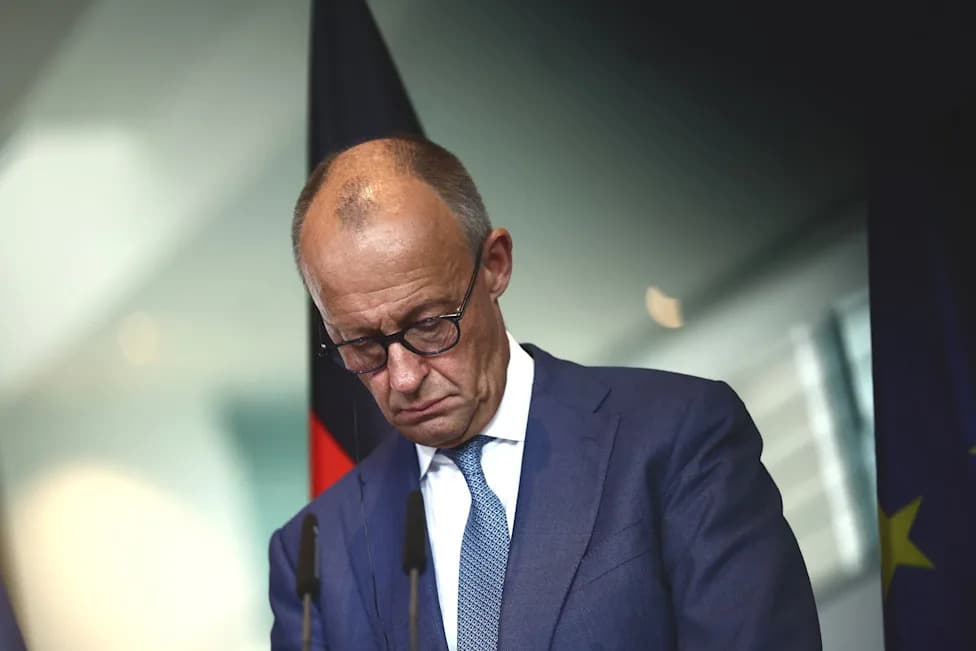
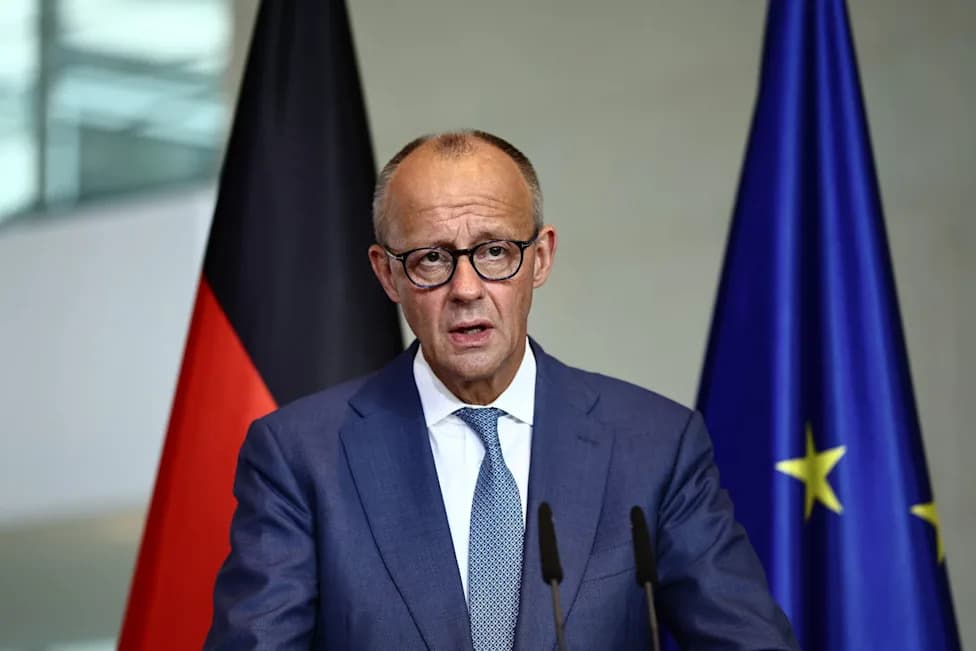
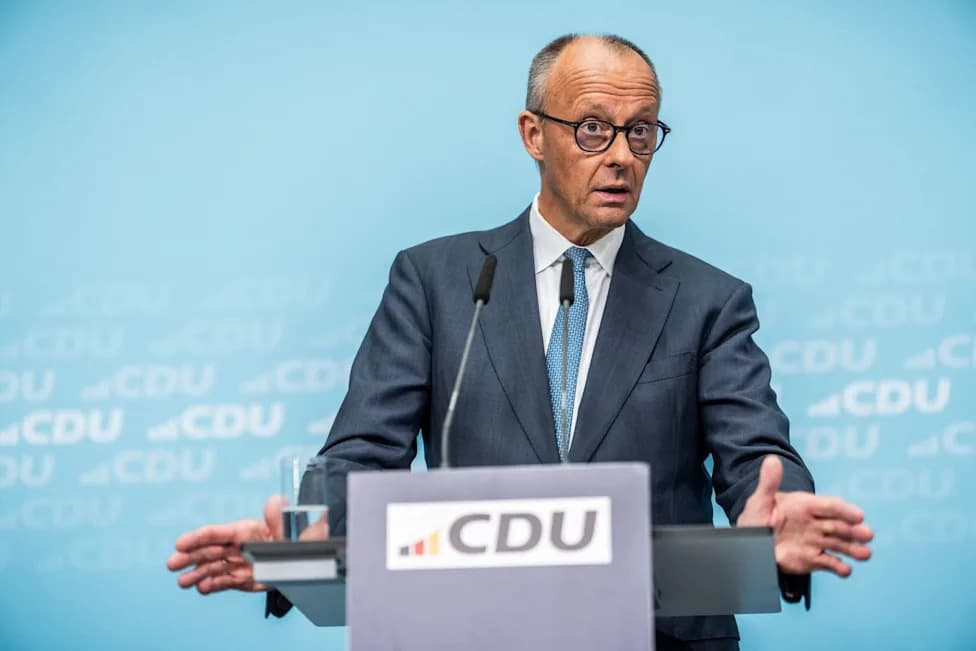
German Chancellor Friedrich Merz described his party’s result in the Mecklenburg-Western Pomerania state election as “a disaster,” a verdict that has echoed across national politics and the European press.
“A disaster.” — Friedrich Merz on the CDU’s result in Mecklenburg-Western Pomerania
Mecklenburg-Western Pomerania, one of the five states of the former East Germany, has long fallen away from the CDU’s early post-reunification heights. The Christian Democratic Union won 38% there in 1990 but slid to 13% in 2021—and in the latest vote failed to clear the 5% threshold for parliamentary representation. By contrast, the far-right Alternative for Germany (AfD) surged to 38.2%, campaigning on promises to lower energy costs in a state that hosts the Nord Stream pipeline terminal (EU Perspectives).
Nationwide Reverberations
The humiliation in Mecklenburg-Western Pomerania was accompanied by further setbacks: the CDU suffered heavy losses in Berlin’s local elections, where it lagged behind the far-left Die Linke, and two weeks earlier the AfD achieved a landslide in Saxony-Anhalt with 43.8% (The Economist).
Since Merz took office 16 months ago, the combined national vote share of the CDU and its Bavarian sister party, the CSU, has fallen from roughly 28.5% to about 20%—a steep decline that commentators attribute to both leadership missteps and broader economic headwinds (Cicero).
Beyond Immigration: Economic Pressures and China
While immigration is often cited as a factor in the AfD’s rise, economists and commentators argue that economic stagnation and competitive pressure from China are equally important. China’s rapid industrial climb has undercut Germany’s export-led model—centered on cars and high-end machinery—hitting advanced manufacturing and the “good jobs” that sustained broad prosperity. Average annual growth since 2020 has fallen to roughly 0.12% (Project Syndicate).
These pressures are not confined to the former eastern states: in March the AfD nearly doubled its vote share in Baden-Württemberg—a western industrial stronghold home to Mercedes-Benz and Porsche—reaching 18.8% and signalling the party’s expanding national reach.
Political Outlook
Merz’s personal approval rating sits at around 13%, making him one of the least popular postwar German leaders in current polls. He has vowed to stay in office to safeguard Germany’s “democratic future” and to press ahead with economic and welfare reforms “with backbone, steadfastness, and patience.” Nevertheless, some colleagues privately call him a “zombie chancellor,” questioning whether he can continue to lead an embattled coalition (Daily Sabah).
There is a narrow prospect of relief: next year’s five state elections are all in western Germany, where the AfD may struggle to repeat its eastern breakthroughs. That could give the coalition a short window to revive growth via welfare and pension reforms—if it can use the time effectively. If it cannot, recent election nights may become a pattern rather than an anomaly (Der Spiegel).
Sources: EU Perspectives, The Economist, Cicero, Project Syndicate, Daily Sabah, Der Spiegel.
Help us improve.