At least nine Israelis directly affected by the October 7, 2023 attacks are running for parliament, spanning parties from right to left but united by a desire to address failures exposed by the assault. Candidates include parents who lost children in Kibbutz Be'eri and at the Nova festival, relatives of former hostages and advocates who either back or oppose Prime Minister Benjamin Netanyahu. Their campaigns center on security, accountability and national healing.
October 7 Families Turn Trauma Into Politics: At Least Nine Run For Knesset To Push For Healing And Accountability
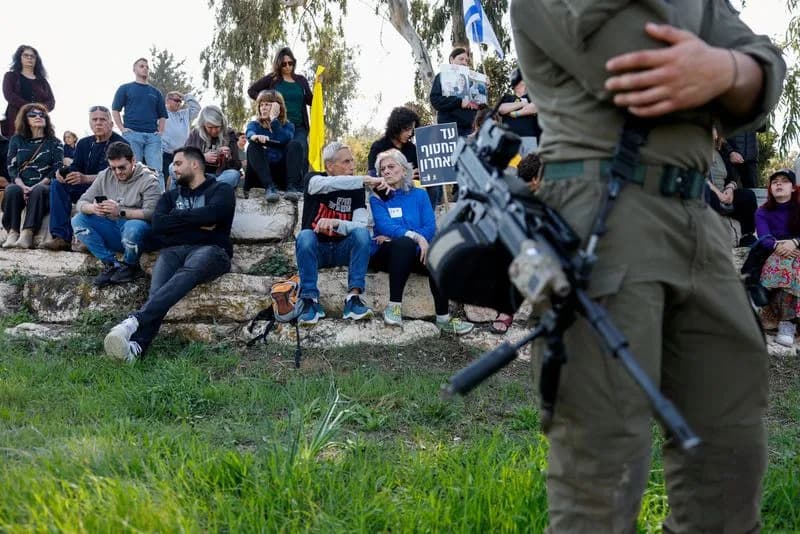
People take part in a rally to mark the 500 days since October 7, 2023, when Hamas attacked Israel and took hostages, outside Kibbutz Be'eri, near the border between Israel and Gaza, February 17, 2025. REUTERS/Amir Cohen
Three years after Hamas militants stormed southern Israel on October 7, at least nine Israelis directly affected by that day’s attacks are running for parliament in this month’s election. Their candidacies span the political spectrum but share a common purpose: to make the tragedy, its failures and its lessons central to national debate and to seek paths toward security, justice and healing.
Background
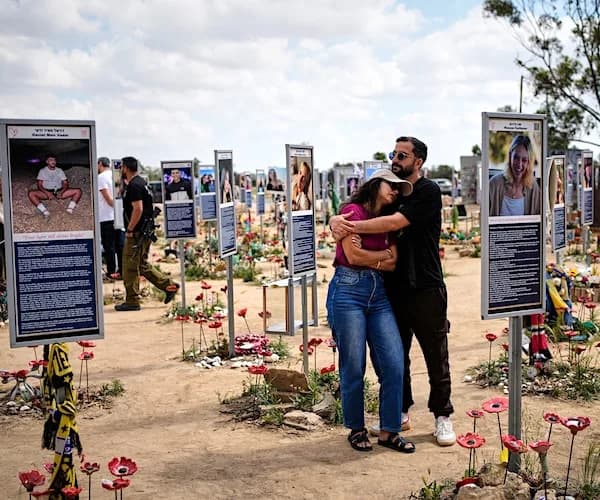
The 2023 assault left about 1,200 people dead and some 251 hostages taken into Gaza. Entire communities were devastated, including Kibbutz Be'eri, where roughly one in 10 residents were killed. The scale and circumstances of the attack and its aftermath continue to shape Israeli politics and public life.
From Grief To Political Action
Among those standing is Michal Hirsch Negri, 60, whose son Roee was killed while fighting attackers in Be'eri. She says his last words — "We are not looking at the bodies. We are here to save people. We are here to save our country" — guide her campaign. Hirsch Negri is on the Together slate, an alliance led by former prime minister Naftali Bennett that brings together parties across the left-right-center spectrum and seeks to challenge Prime Minister Benjamin Netanyahu's coalition.
Also running on that list is former general Noam Tibon, 64, who recounts rescuing relatives and evacuating the wounded from the attack on the Nahal Oz kibbutz. "October 7 was the biggest failure in our history and I saw it with my own eyes," he said, reflecting the widespread concern about security lapses that day.
Sharon Sharabi, 51, a candidate for the right-wing Israel Our Home party, campaigned for the return of hostages — including his brothers Yossi and Eli, both taken from Be'eri. Yossi did not survive captivity; Eli was released in early 2025 after nearly 500 days.
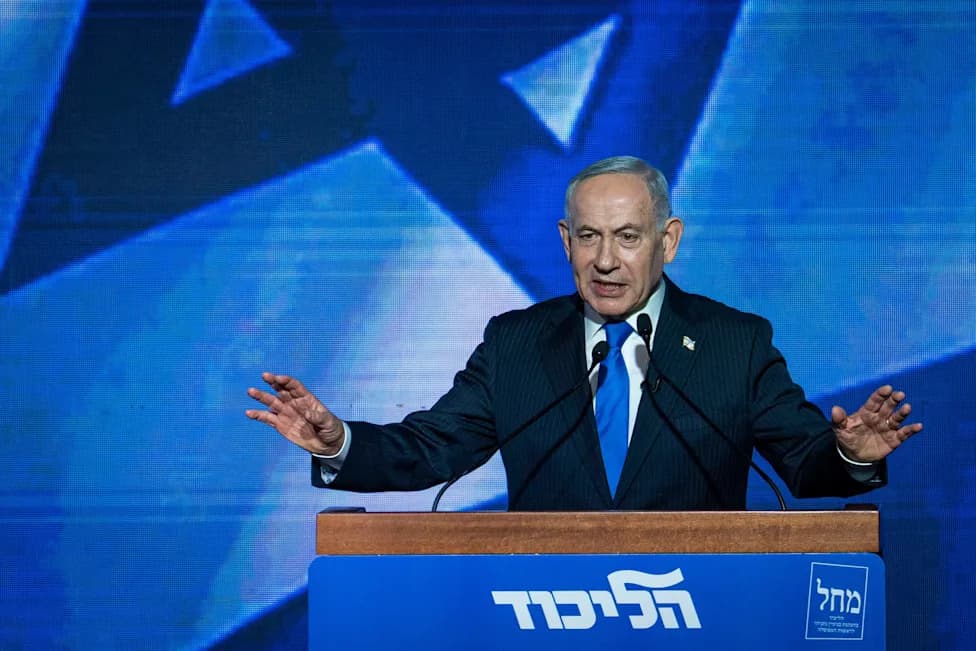
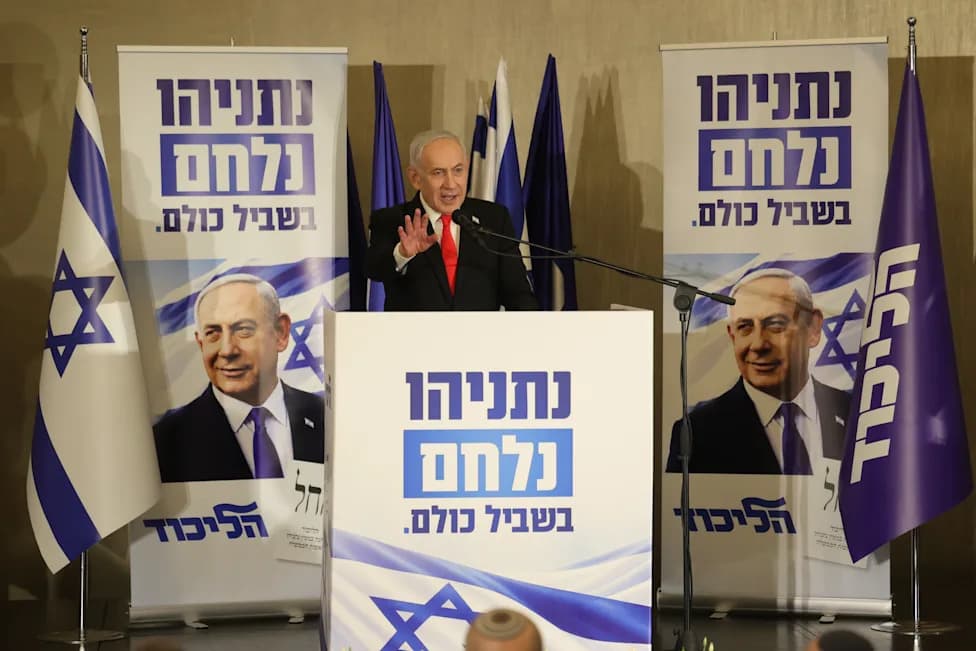
Not all family candidates oppose the prime minister. Talik Gvili, whose son Ran — a police officer and the last Israeli hostage whose remains were recovered from Gaza — was placed on Benjamin Netanyahu’s party list by the prime minister himself. Gvili has voiced continued faith in Netanyahu’s leadership, saying she wants "a strong leader" who can be counted on.
Many of the October 7 family candidates are aligned with opposition parties, driven by what they describe as leadership and security failures before and after the attack. Shira Shapiro, 51, a candidate for Yashar — a centrist opposition party led by former military chief Gadi Eisenkot, who also lost a son in Gaza — expressed a desire to channel personal pain into national purpose. Her eldest son, Aner, 22, died protecting others at the Nova music festival: trapped in a roadside bomb shelter, he passed grenades back out of the shelter to protect fellow victims. "I hear his voice say 'continue after me'," Shapiro said. "That's why I'm here."
What Their Candidacies Mean
The involvement of October 7 families in this election crosses party lines and reflects varied responses to trauma: some seek accountability and institutional reform, others seek national healing or stronger security leadership. Their presence in the campaign keeps the human cost of October 7 at the center of debates about security, justice for victims and the country's political direction.
Reporting: Maayan Lubell and Emily Rose. Additional reporting by Andreea Popescu. Writing and editing acknowledged by Reuters team members.
Help us improve.