German Chancellor Friedrich Merz faces fresh tests in state votes in Berlin and Mecklenburg-Vorpommern after the AfD’s landslide in Saxony-Anhalt. Polling runs from 8:00am to 6:00pm (06:00–18:00 GMT) with exit projections afterward. The CDU risks historic losses — potentially falling under the 5% threshold in Mecklenburg-Vorpommern — heightening scrutiny of Merz, who cancelled a UN trip to manage the fallout. Mainstream parties remain united in refusing to form coalitions with the AfD.
Under Pressure: Merz Faces Another Election Test as AfD Seeks to Extend Momentum
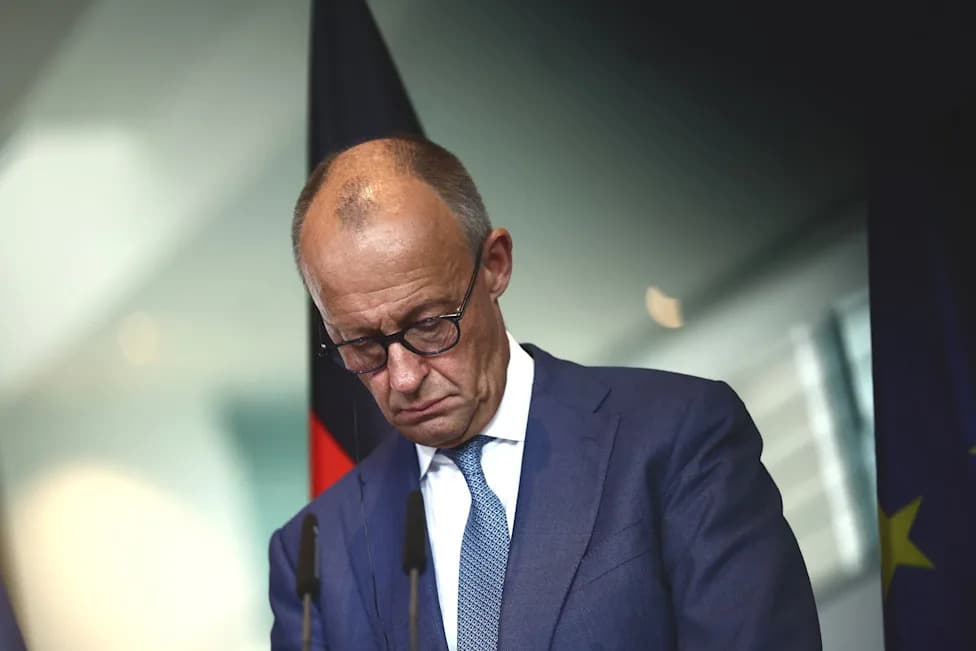
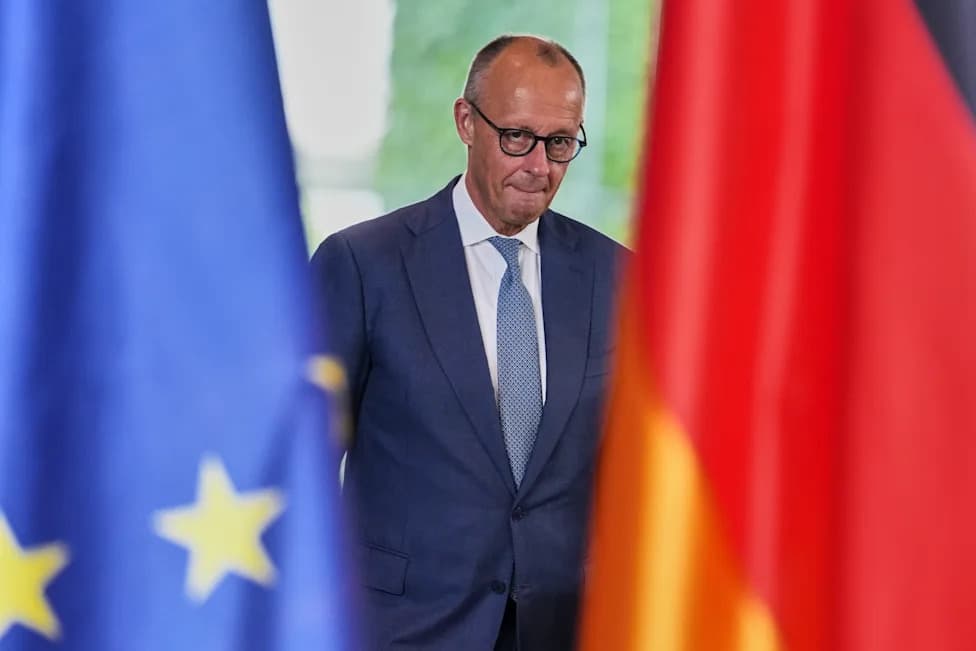
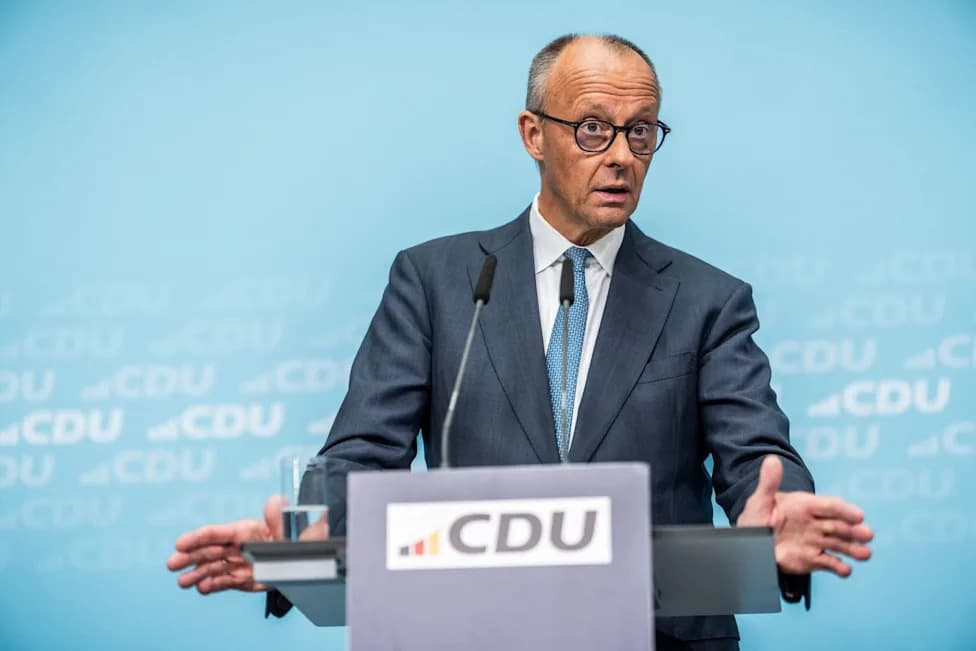
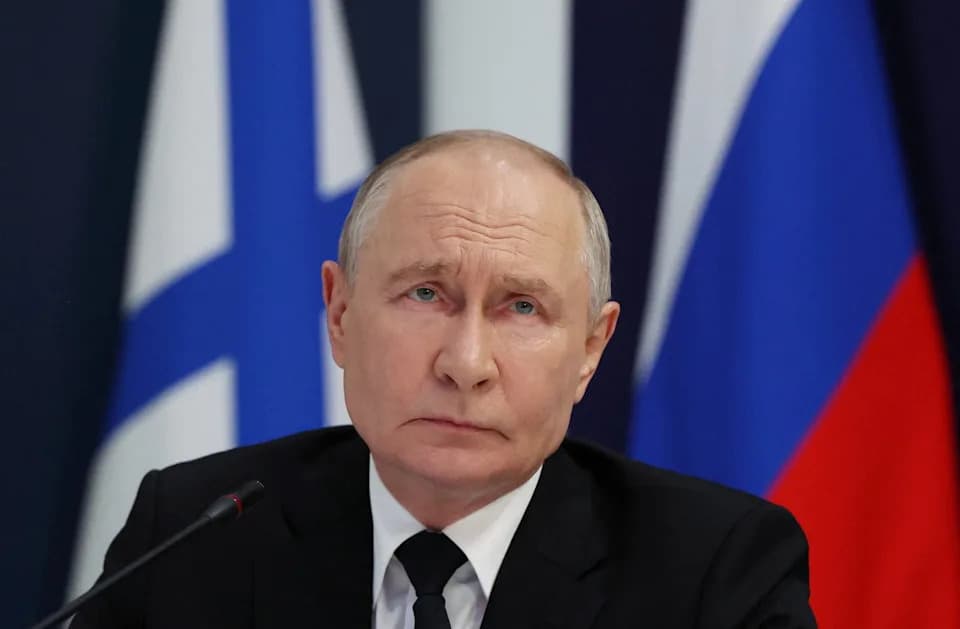
FILE PHOTO - German Chancellor Friedrich Merz attends a press conference alongside Iraqi Prime Minister Ali al-Zaidi after their meeting. (is associated with: «Under-pressure Merz set for fresh election pain as AfD seeks next win») Christoph Soeder/dpa
German Chancellor Friedrich Merz faces fresh electoral pressure on Sunday as voters in Berlin and Mecklenburg-Vorpommern go to the polls, just two weeks after the far-right Alternative for Germany (AfD) scored a crushing victory in Saxony-Anhalt.
Quick Facts
When: Polling opens at 8:00am local time (06:00 GMT) and closes at 6:00pm; exit polls will provide first indications immediately afterwards.
What’s at Stake
The two state votes are the final contests in a busy year of five regional elections that have exposed public frustration with Merz’s federal coalition and intensified debate over his political future. The AfD’s near-44% result in Saxony-Anhalt, and the CDU’s collapse to roughly 17% there, have amplified internal speculation about leadership changes within the conservative ranks.
Mecklenburg-Vorpommern
In the sparsely populated north-east, the CDU is fighting to avoid what could be its worst-ever state showing. Recent polls put the party perilously close to the 5% threshold required to enter the state parliament. Falling below that mark would be a significant blow for the CDU and could increase calls for a change in federal leadership.
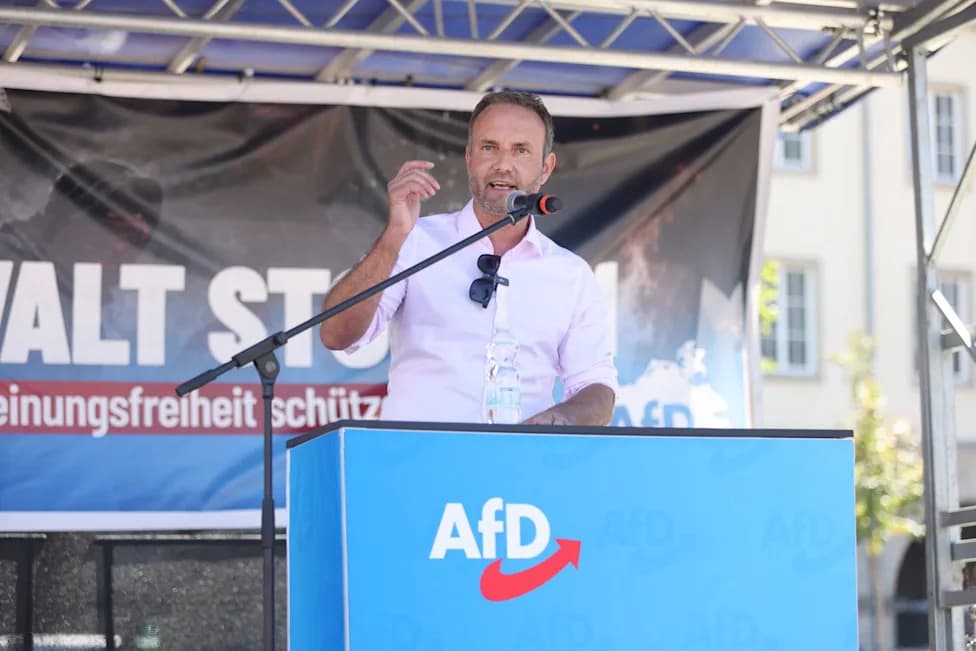
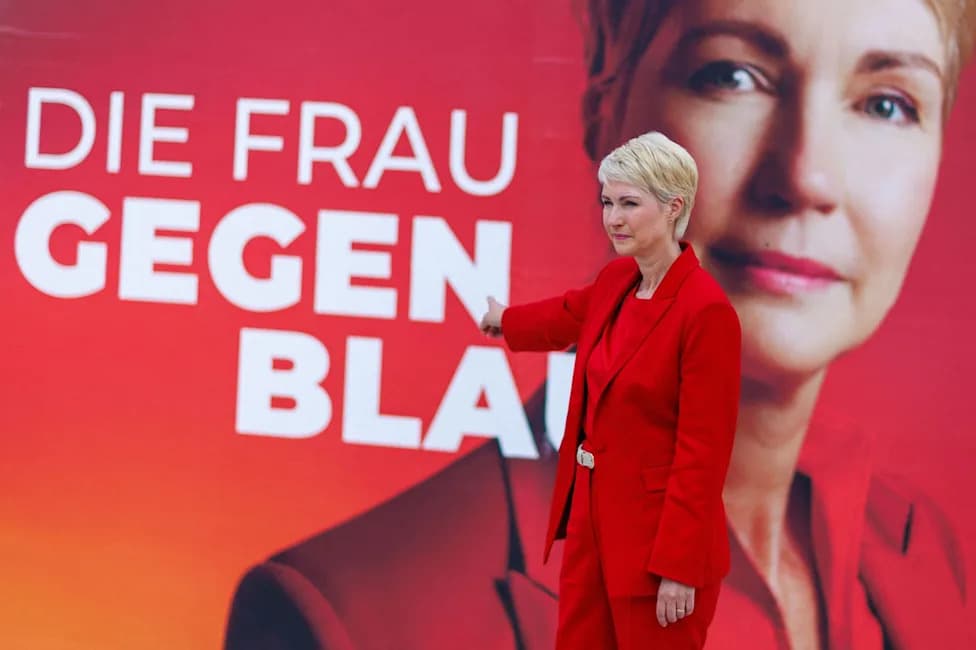
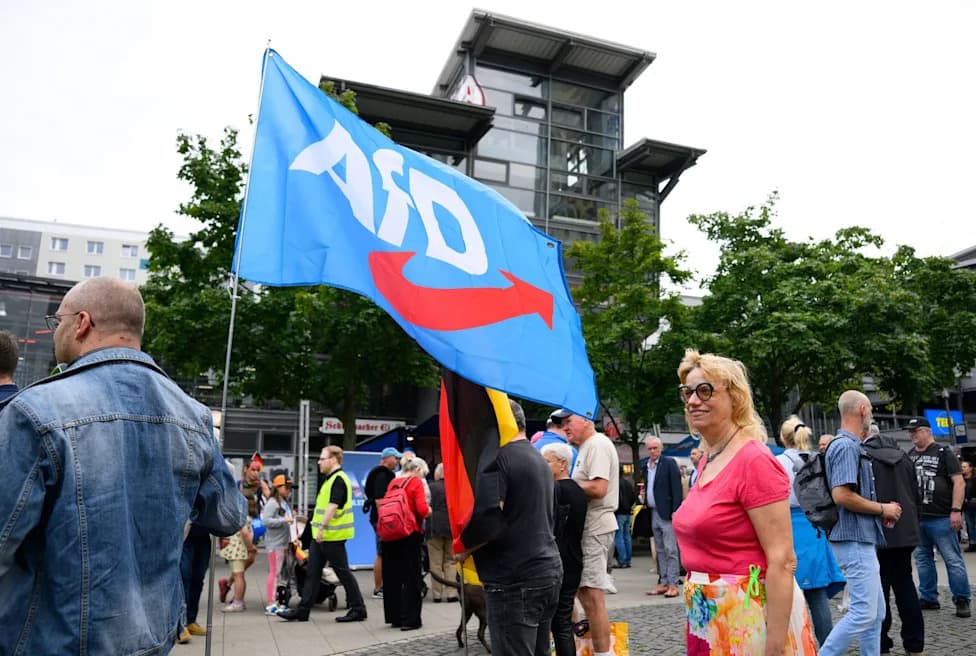
The AfD — buoyed by months of polling strength and benefiting from long-term economic and social strains since reunification — hopes to convert momentum into another win. Incumbent Premier Manuela Schwesig of the Social Democrats (SPD) is campaigning separately from the national party and, according to one recent poll, has edged the AfD by a single percentage point.

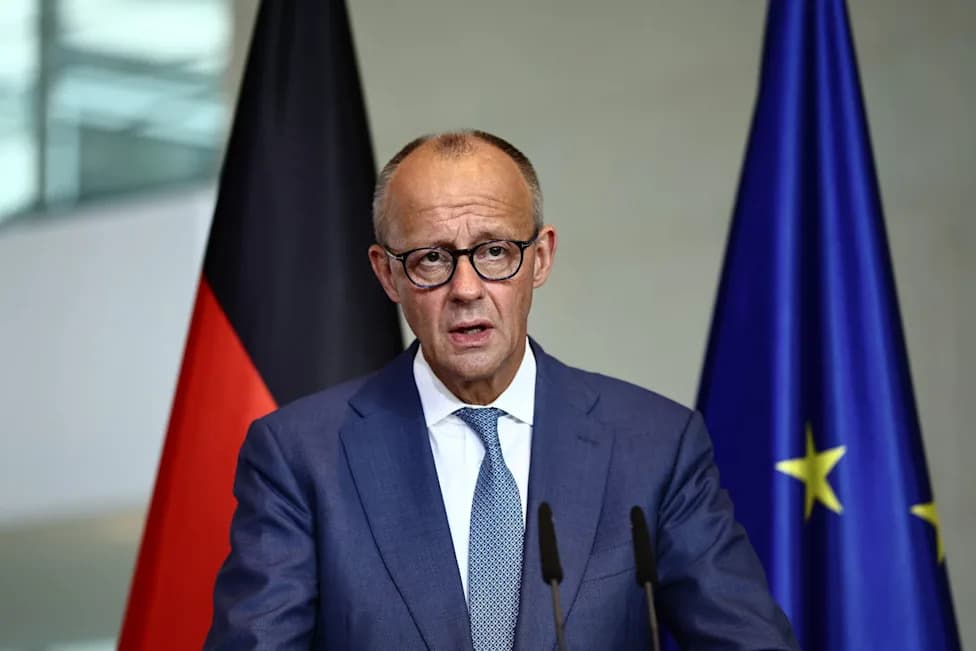
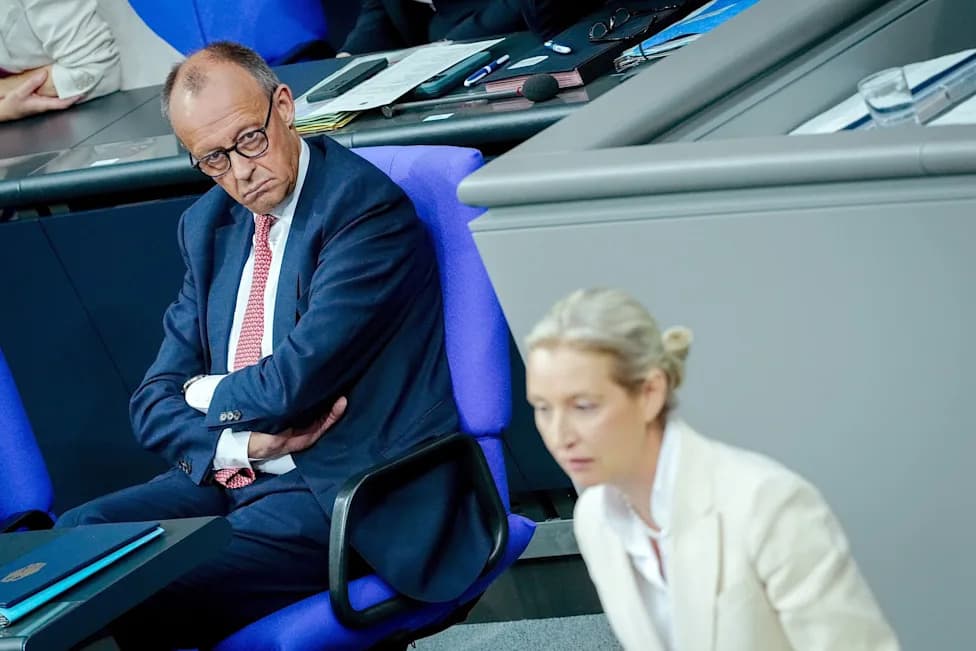
FILE PHOTO - German Chancellor Friedrich Merz follows the debate in the German Bundestag during deliberations on the 2027 federal budget. (is associated with: «Under-pressure Merz set for fresh election pain as AfD seeks next win») Michael Kappeler/dpa
Berlin
In the capital, the CDU risks losing the mayoralty after incumbent Kai Wegner abandoned his re-election bid amid controversy. His late replacement, Finance Minister Stefan Evers, has steadied the campaign but the CDU polls around 20% — narrowly behind The Left and slightly ahead of the AfD.
The likeliest outcome in Berlin is a three-party coalition. If The Left or the CDU leads the vote, a coalition with the SPD and the Greens is widely seen as the most probable path to forming a government.
Political Implications
Merz has publicly dismissed calls to step down, saying "giving up is not an option for me," but he has taken steps that signal the gravity of the moment: he cancelled a planned trip to the UN General Assembly in New York to remain available for a possible post-election reckoning and has kept a lower profile on the campaign trail.
Economically, Germany — Europe’s largest economy — remains subdued more than a year into Merz’s chancellorship, and he is struggling to push controversial reforms such as pension changes. These domestic challenges have contributed to volatility for mainstream parties and opened space for the AfD’s populist appeal.
Firewall Policy: All mainstream parties continue to refuse cooperation with the AfD under a long-standing policy designed to keep the party isolated from government coalitions.
As results arrive after polls close, parties will quickly assess coalition math and the broader implications for federal politics. A poor showing by the CDU in either state — particularly if it is pushed below the 5% mark in Mecklenburg-Vorpommern — would deepen pressure on Merz and reshape the national conversation ahead of future elections.
Help us improve.