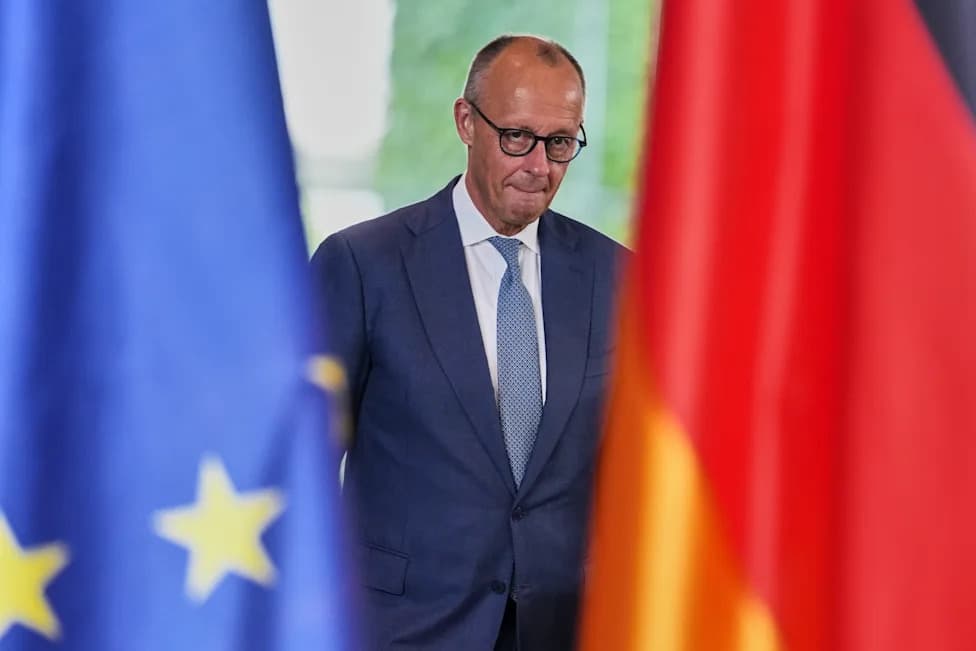
Eight CDU state premiers have publicly backed Chancellor Friedrich Merz as his leadership comes under pressure after a heavy defeat to the AfD in Saxony-Anhalt. Two more state elections this Sunday could produce the CDU’s worst post‑war result, amplifying scrutiny of Merz’s falling approval ratings and a strained coalition with the SPD. The premiers framed their support as a bid to present unity and to work with the chancellor to tackle economic and cost‑of‑living challenges.
Eight CDU State Premiers Rally Behind Merz as Party Faces Electoral Crisis
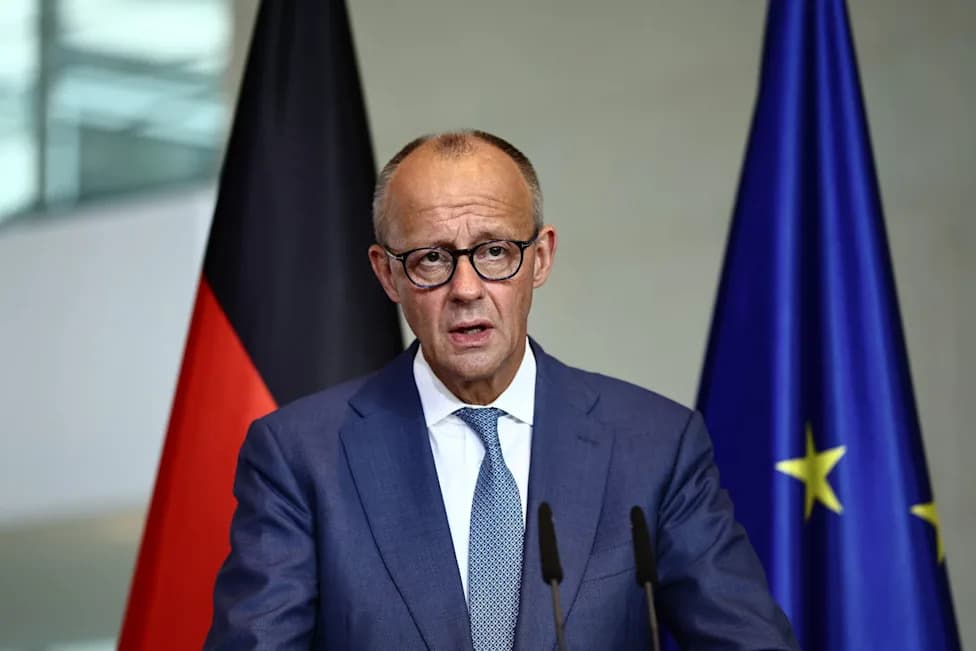
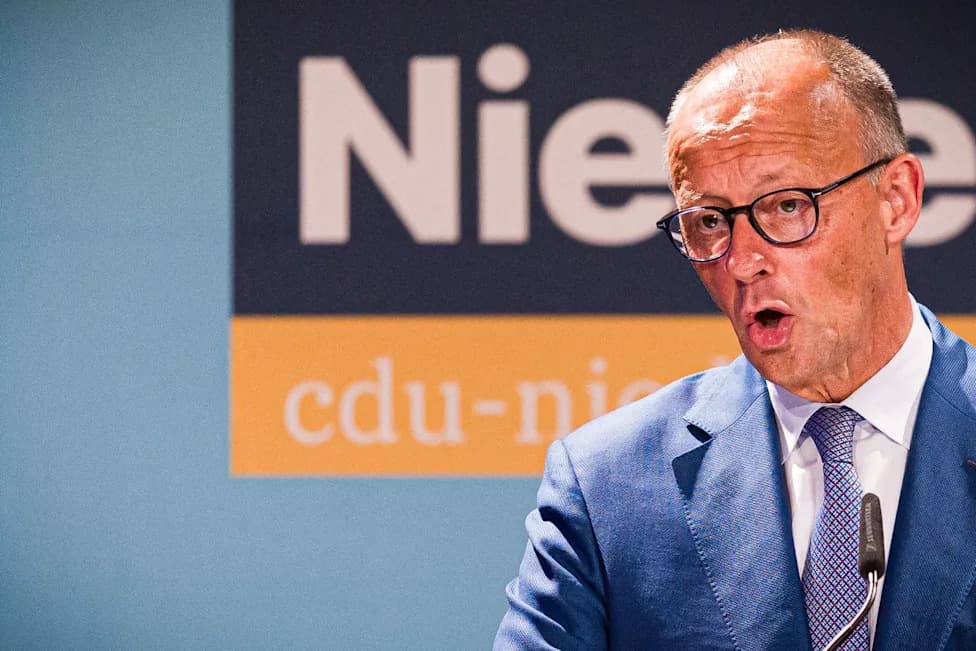
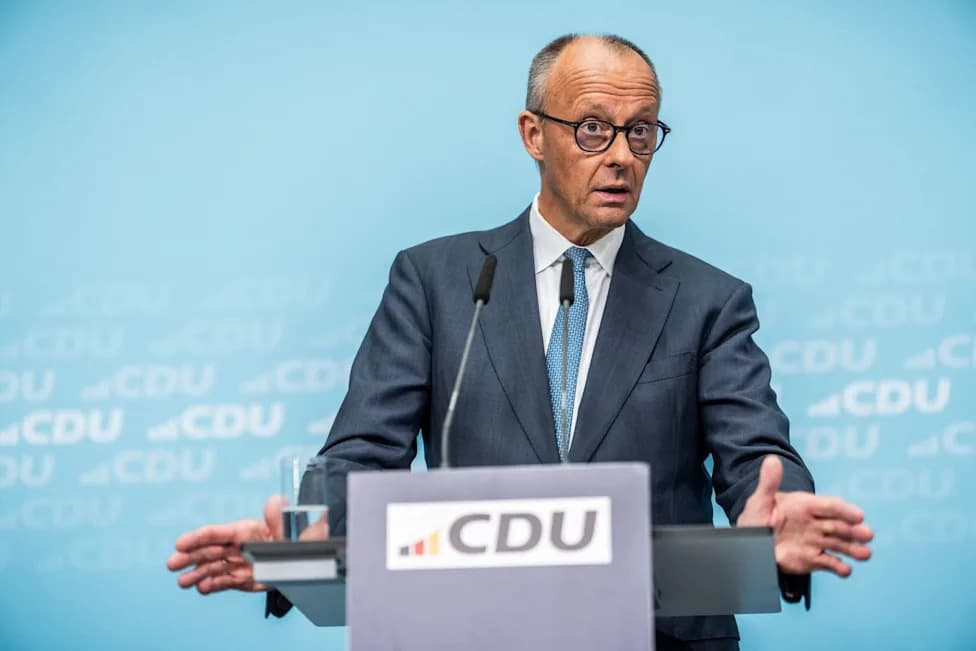
FILE PHOTO - German Chancellor Friedrich Merz speaks during a press conference with Iraqi Prime Minister Ali al-Zaidi after their meeting. (is associated with: «CDU state leaders back Merz as pressure mounts on his leadership») Christoph Soeder/dpa
Eight state premiers from the Christian Democratic Union (CDU) have publicly endorsed Chancellor Friedrich Merz as he faces growing criticism following a string of poor regional results and falling approval ratings.
Merz is confronting broad dissatisfaction with his government's performance and has, so far, been unable to halt a notable surge by the far-right Alternative for Germany (AfD) in opinion polls. The endorsement — from half of Germany's state premiers — was presented as an attempt to project unity and steady leadership ahead of crucial regional votes.
Context And Political Stakes
The show of support follows a decisive victory for the AfD over the CDU in this month’s state election in Saxony-Anhalt, a result that has intensified scrutiny of the party's national leadership. Two more state elections, in Mecklenburg-Vorpommern and the city-state of Berlin, are due this Sunday and could deliver the CDU its worst post‑war result at state or federal level.
Policy Challenges
The fractious coalition government, which includes the Social Democrats (SPD), has struggled to revive economic growth and push through key welfare reforms. In addition, rising fuel prices and the lack of an effective strategy to ease cost-of-living pressures have become central voter concerns likely to influence the upcoming ballots.
“Political Germany needs stability now more than ever. In this situation, what matters most is the unity, the drive and a clear direction of the German Christian Democrats,” the eight premiers said in a statement obtained by dpa.
Merz himself has resisted calls to step down, stating that “giving up is not an option.” Support from eight of the country’s 16 state premiers — who wield significant influence in the Bundesrat, the federal upper chamber — was framed as a sign that the party intends to confront voters’ problems together with the chancellor.
What Comes Next
Political analysts say regional elections are not governed solely by national trends, but that Mr. Merz’s declining approval ratings and the CDU’s recent electoral setbacks are likely to be important factors in voters’ decisions this weekend. The results will be watched closely for indications of how national-level strategy and leadership changes might follow.
Help us improve.