Canvassers from the Black Voters Matter Fund are going door-to-door in Georgia to make sure eligible voters remain registered and informed ahead of the November midterms. Critics say recent state voting laws — from stricter ID rules to bans on offering food or water in long lines — disproportionately affect Black and working-class communities. Supporters argue the changes restore election integrity after widespread fraud allegations; opponents call the measures barriers to participation and a threat to democracy.
Integrity vs. Exclusion: Georgia Canvassers Push Back Against New Voting Laws Ahead of Midterms

Tierra Hollis (L) is one of Black Voters Matter Fund's canvassers in Macon, in the southern US state of Georgia, who go door-to-door to make sure voters are on the rolls (Elijah Nouvelage)
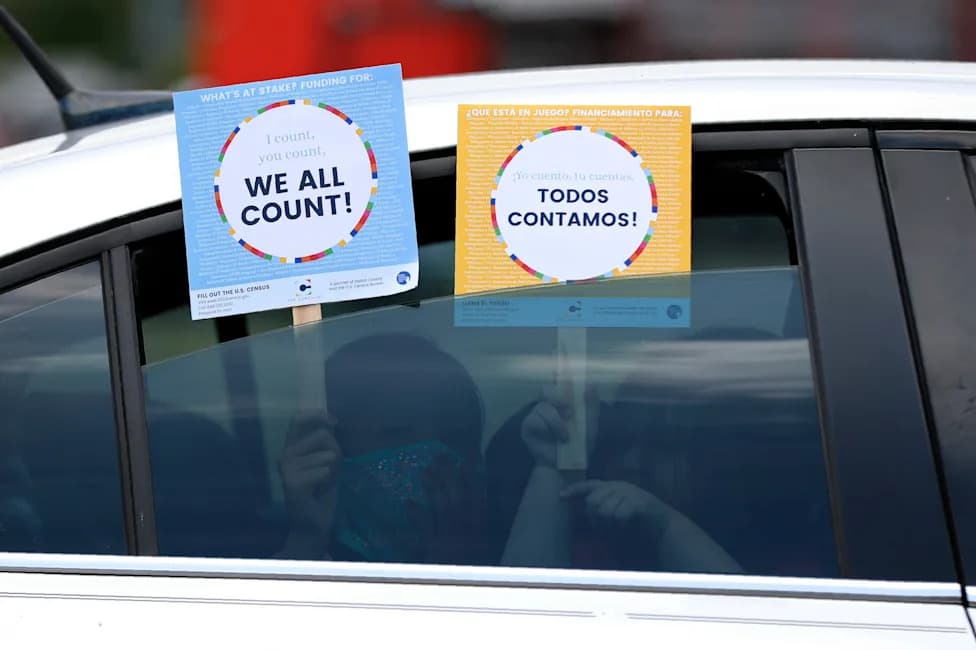
Tierra Hollis fans herself with a stack of flyers as she goes door-to-door in late-summer heat across Georgia, part of the Black Voters Matter Fund's effort to ensure eligible voters remain on registration rolls ahead of the November midterm elections.
Voting reforms have become a heated national debate: supporters say changes are needed to restore confidence in election processes, while critics — including rights groups, academics and grassroots organisers — argue that recent laws restrict access for Black and working-class voters.
Ground Campaigns To Protect Voter Access
"We get out here and we tell them their rights because the government might not always tell them," said the 22-year-old Hollis, describing the group's outreach to check registrations and inform voters about new rules. Canvassers like Octavia Brooks, a working-class grandmother in Macon, say the history of voter exclusion motivates their work.
"Back then, when my granny was coming up, she wasn't allowed to vote. That's why people like me get out in the community... and let them know it's okay for you to voice your opinion," Brooks said.
What The New Laws Do
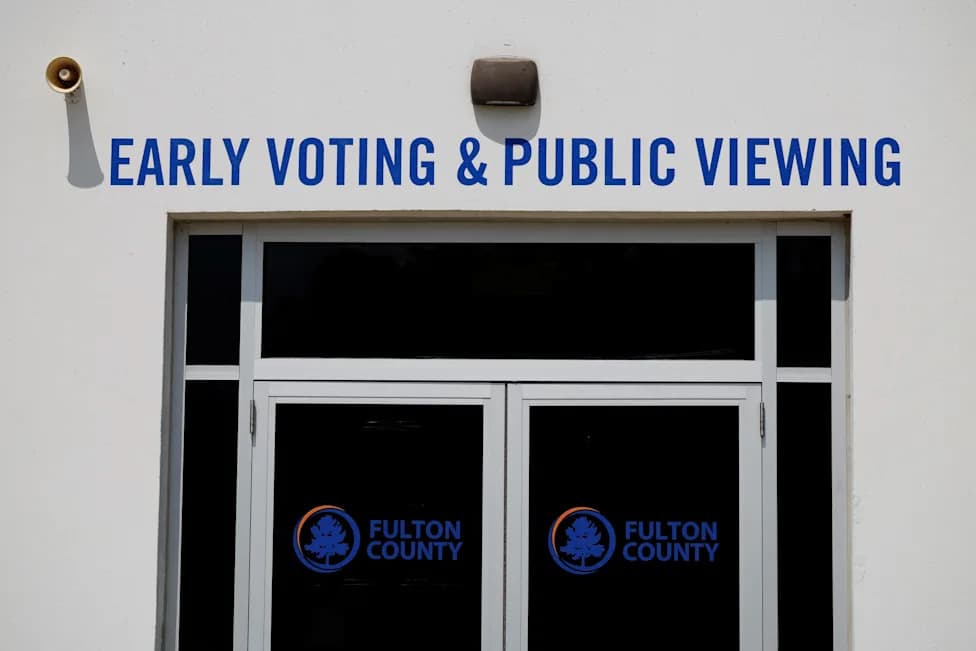
Since 2021, many state legislatures have passed voting measures the Brennan Center for Justice describes as "restrictive" and likely to suppress turnout. In Georgia, Republican-led reforms have tightened requirements by:
- Requiring additional forms of identification;
- Narrowing access to absentee ballots and ballot dropboxes;
- Expanding the ways individuals can challenge a voter's eligibility;
- Banning volunteers from offering food or water to voters waiting in long lines, a measure critics say disproportionately affects densely populated urban precincts with larger Black and working-class populations.
Supporters of the laws say they add transparency and strengthen election integrity. "I see this as being pro-America, pro-accuracy, pro-transparency and pro-election integrity," Georgia lawmaker John LaHood said when a major reform package was enacted. The statutes also include clearer ballot-handling rules, mandates for hand recounts in tight races and require Georgia to move away from QR-code-based voting systems by 2028.
Trust, Machines And Rhetoric
Noah Beck, Polk County's election director, which administers about 30,000 voters, says local voting machines are accurate but that officials should consider changes that build public confidence. "I hate a world where election legislation is politicized," he said, "because ultimately we all want safe and secure elections."
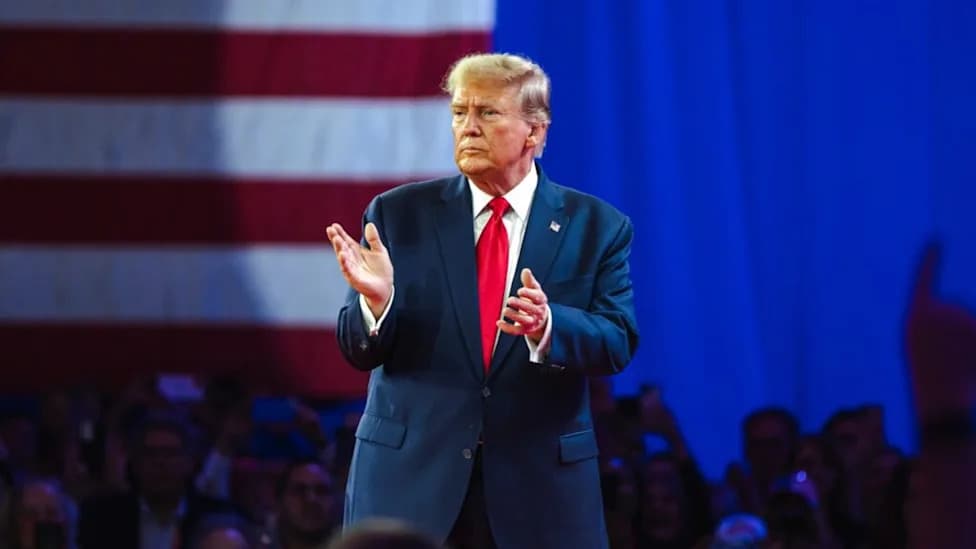
Former President Donald Trump's repeated claims of voter fraud since the 2020 election helped fuel calls for changes to voting procedures. In August 2023, an Atlanta grand jury indicted Trump and others in a high-profile investigation that centered on efforts to overturn the state's 2020 results; the case has remained a focal point in the broader debate over election rules.
Critics Say Reforms Mask Suppression
"It's putting up these barriers, but it's putting a fig leaf in front of these barriers, and that fig leaf is 'election integrity,'" said Carol Anderson, a professor of African American Studies at Emory University. "What actually is happening is it is trying to destroy democracy by removing American citizens from access to the ballot box."
Organisers like Wanda Mosley, deputy policy director at Black Voters Matter Fund, argue additional ID demands and frequent voter challenges disproportionately burden working-class people who cannot easily take time off to resolve administrative problems.
As canvassers continue their outreach in the run-up to the midterms, the dispute over whether recent voting laws protect elections or restrict access is likely to remain a central and contentious issue in Georgia and across the United States.
Help us improve.