Europe’s political Right is shifting. The AfD’s decisive wins in eastern Germany — including 38.2% in Mecklenburg‑Vorpommern while the CDU fell to 4.9% — exemplify a broader trend of hard‑Right insurgents displacing traditional centre‑Right parties. Economic strain, demographic change and effective youth outreach have helped insurgents mobilise new voters across age groups. The results are prompting questions about the future of centrist politics, coalition strategies and how mainstream parties will respond.
Europe’s New Right Puts the Old Guard on Notice: How AfD and Other Hard-Right Parties Are Reshaping Centre-Right Politics

Europe's new right
The fairytale Schwerin Castle, completed in 1857, now frames a different kind of upheaval: a political earthquake in Mecklenburg‑Vorpommern that has helped propel the hard‑Right Alternative for Germany (AfD) to a landmark victory and put Chancellor Friedrich Merz and the centre‑Right CDU under severe pressure.
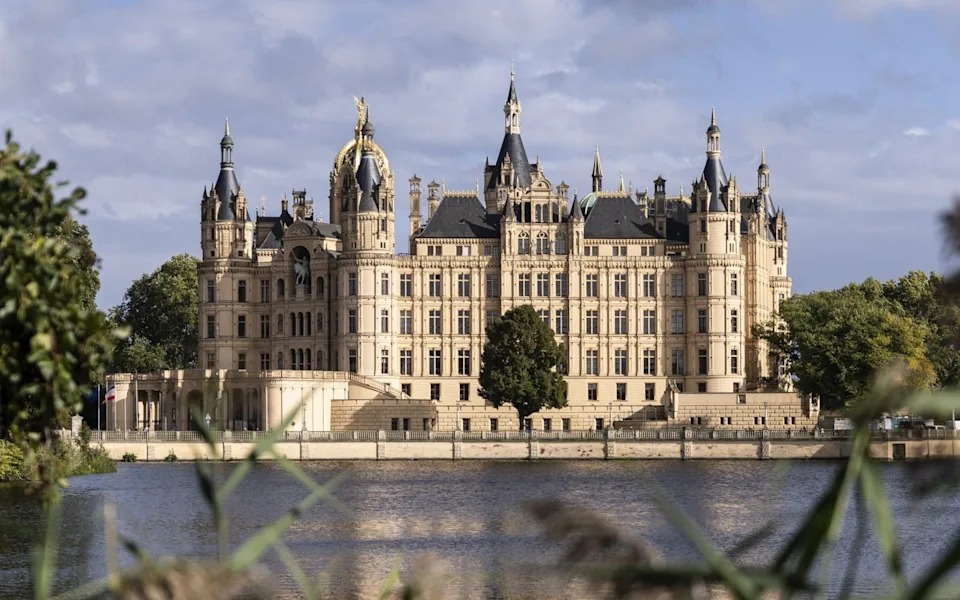
Schwerin Castle is the home of the state parliament of Mecklenburg-Vorpommern in northern Germany - Getty/Maja Hitij
AfD Surge in the East
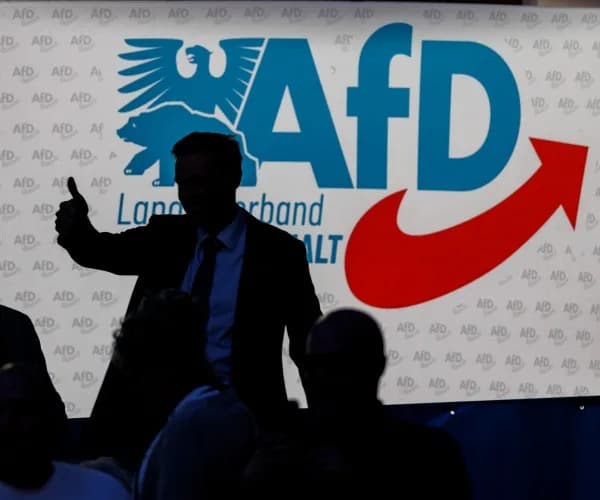
Within days of interviews in Schwerin, the AfD won its second state election in as many weeks, taking 38.2% of the vote in Mecklenburg‑Vorpommern while the CDU fell below the 5% threshold (4.9%) and lost all its seats in the state parliament. The AfD also secured a record 43.8% in Saxony‑Anhalt. Analysts say these results reflect broad dissatisfaction with the political centre rather than a purely regional phenomenon.
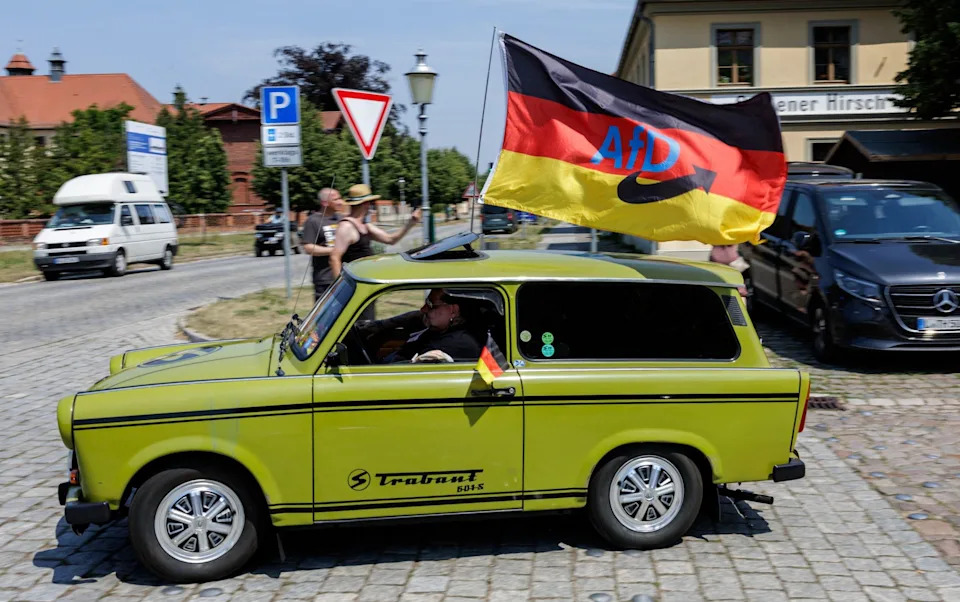
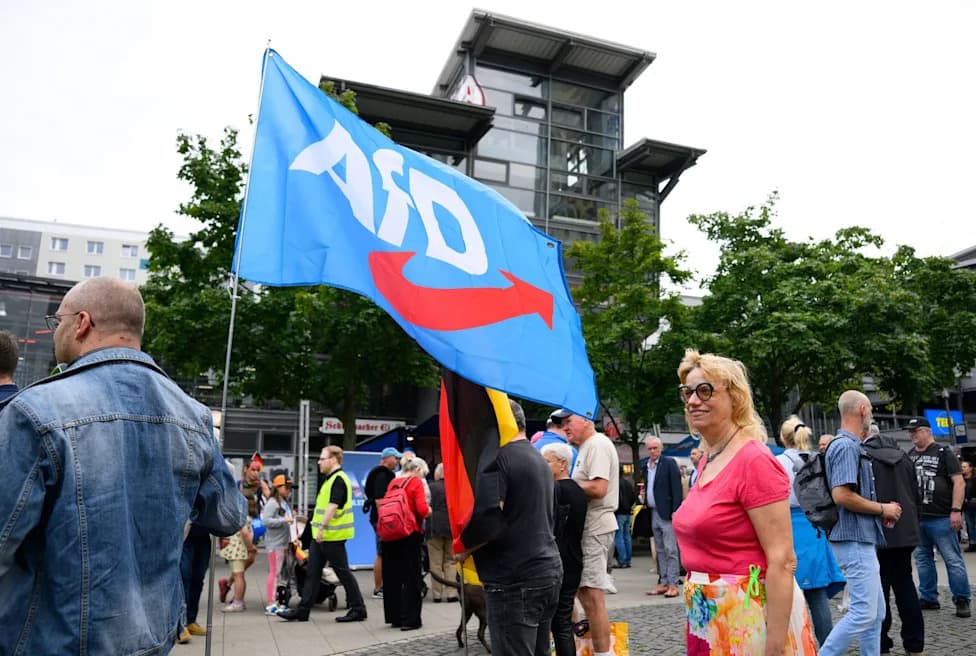
A Trabant car with an AfD party flag on its roof during election campaigning in Oranienbaum in June - Getty/Jens Schluter
Voices From the Campaign Trail
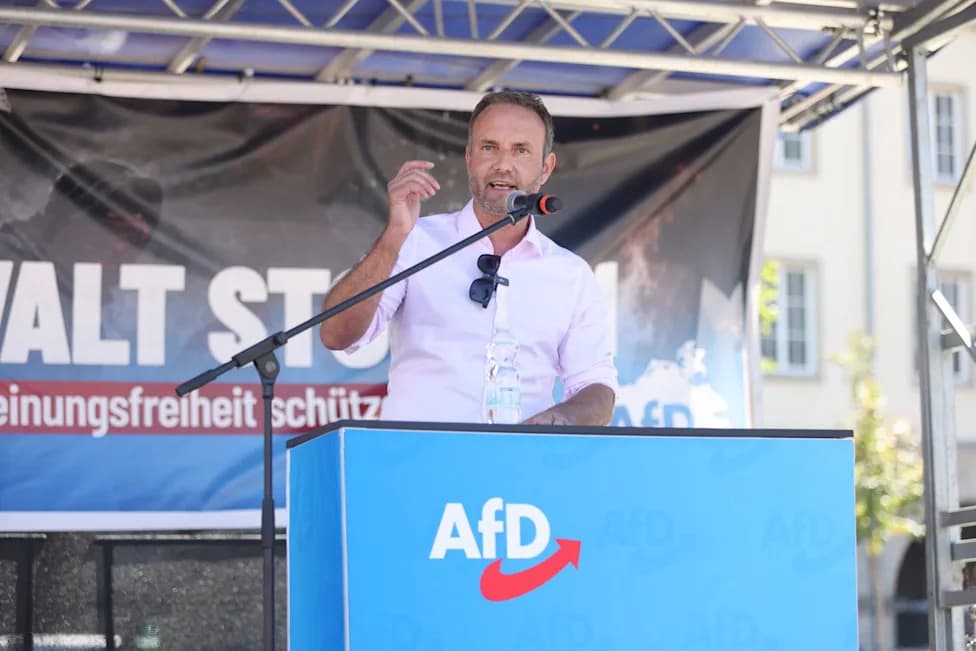
“People used to see populism as something like a cold — a passing sniffle affecting European party democracy,” said Daniel Fiss, an AfD campaign figure in Schwerin. “We have to face the question. Is populism perhaps becoming the new normal?”
Fiss, who has publicly described a past affiliation with the NPD youth organisation and says he has since rejected extremism in favour of democratic politics, argues the AfD fills a conservative vacuum left by years of CDU centrism. Critics — including Germany’s domestic intelligence agency (Bundesamt für Verfassungsschutz, BfV) — label parts of the AfD extremist, and some eastern factions are subject to state surveillance.
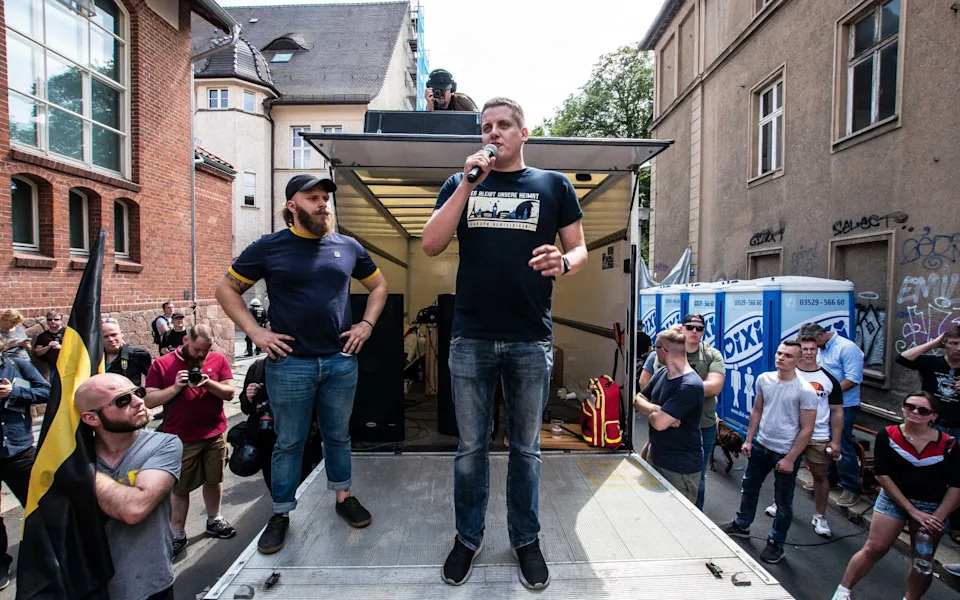
Daniel Fiss predicts that the Chancellor, Friedrich Merz, will be brought down by the rising popularity of the AfD - Shutterstock/Sachelle Babbar
Who Voted AfD?
The AfD mobilisation in Mecklenburg‑Vorpommern included about 66,000 infrequent voters. The party did best among voters aged 45–59 (47%), then 35–44 (46%) and 60–69 (41%). It also attracted younger support: roughly 32% of 25–34‑year‑olds and 36% of 16–24‑year‑olds in the state backed the AfD. Similar age patterns appeared in Saxony‑Anhalt, where young adults made up a significant share of AfD supporters.
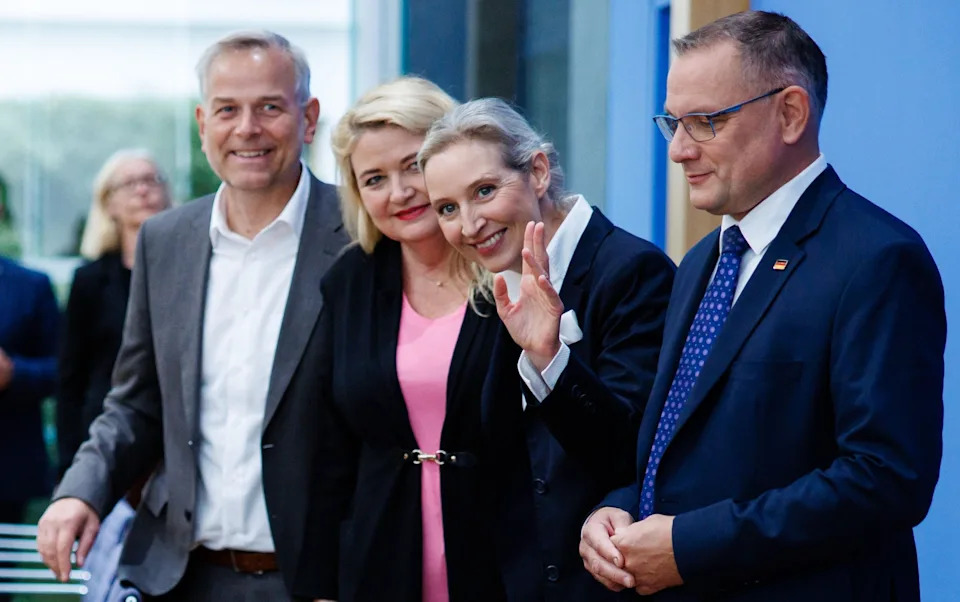
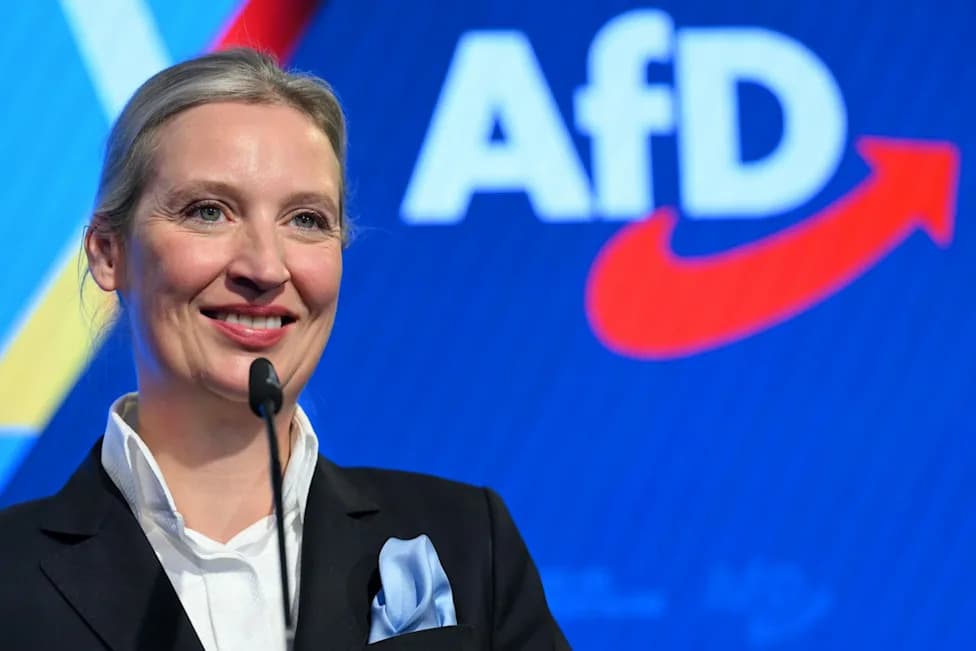
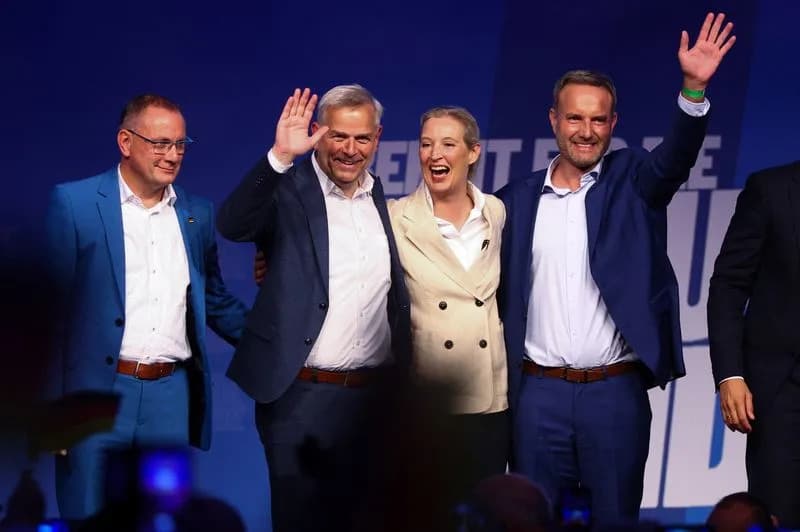
Alice Weidel (waving) is the leader of AfD parliamentary group in Germany's federal parliament, the Bundestag - Shutterstock/Clemens Bilan
Economic and Demographic Drivers
Jan Mueller, a political scientist at the University of Rostock, says the AfD’s eastern heartlands combine structural economic grievances — low incomes, high living costs and a stark urban‑rural divide — with demographic trends (an ageing, smaller population and regional identity). Those forces have increased the appeal of populist messages promising sovereignty and protection from global economic pressures.
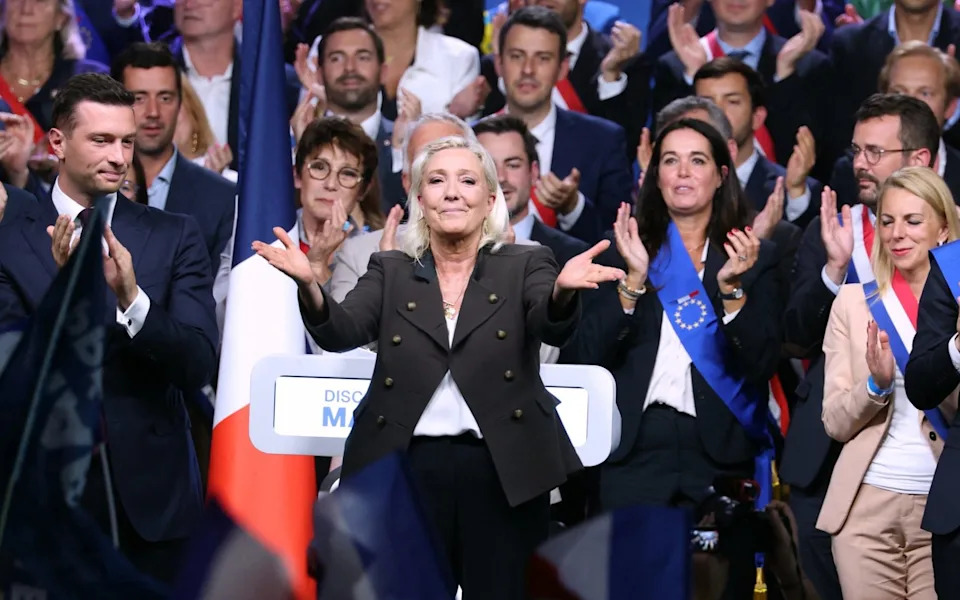
Marine Le Pen is a strong contender to replace Emmanuel Macron as French president next year - Getty/Thomas Samson
Wider European Trend
Beyond Germany, hard‑Right parties have advanced in Austria, Finland, France, Italy, the Netherlands and Sweden. Analysis of election data shows the population‑weighted vote share for centre‑Right parties across Europe fell to a record low of 33.5% in 2026. In France, Marine Le Pen’s National Rally (RN) has expanded its base and leads polls for the upcoming presidential vote, while RN and AfD both report rising support among younger voters.
Political Implications and the Cordon Sanitaire
Established parties in Germany maintain a Brandmauer — a firewall — designed to keep the AfD out of coalitions. Observers say that repeated electoral victories will strain that isolation strategy. AfD figures predict increased cooperation on specific issues or votes, even if formal coalitions remain unlikely in the near term.
What Comes Next?
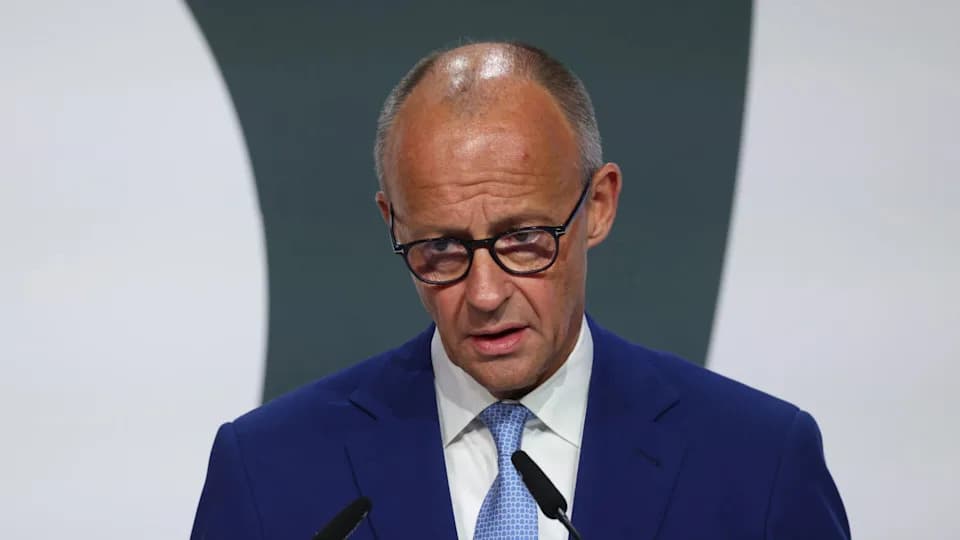
Chancellor Merz faces sharply lower approval ratings and political vulnerability after the CDU’s rout. The AfD’s success raises immediate questions about how centre and centre‑Right parties will respond: shift right to reclaim voters, reinvent messages to address living standards and insecurity, or risk further electoral erosion. The long‑term outcome will depend on whether mainstream parties can offer credible economic solutions and rebuild trust with younger and economically squeezed voters.
Facts & Context: The AfD’s eastern strongholds, youth outreach on social media, demographic change and economic grievances are key drivers. Germany’s BfV has designated some AfD factions as extremist and placed them under surveillance; the party disputes those classifications and is challenging them in court.
Help us improve.