Major SNAP changes took effect Oct. 1: the federal administrative match drops to 25%, shifting 75% of administrative costs to states. FRAC reports roughly 5.2 million people have lost SNAP benefits since H.R. 1 was enacted in July 2025, and national participation is at its lowest level since 2019. Critics—including Sen. Elizabeth Warren and other Democratic leaders—warn the changes will hurt families and children, while the White House says the measures aim to improve sustainability and reduce fraud.
SNAP Overhaul Takes Effect: 5.2 Million People Lost Benefits Since H.R. 1, States Now Cover 75% Of Administrative Costs
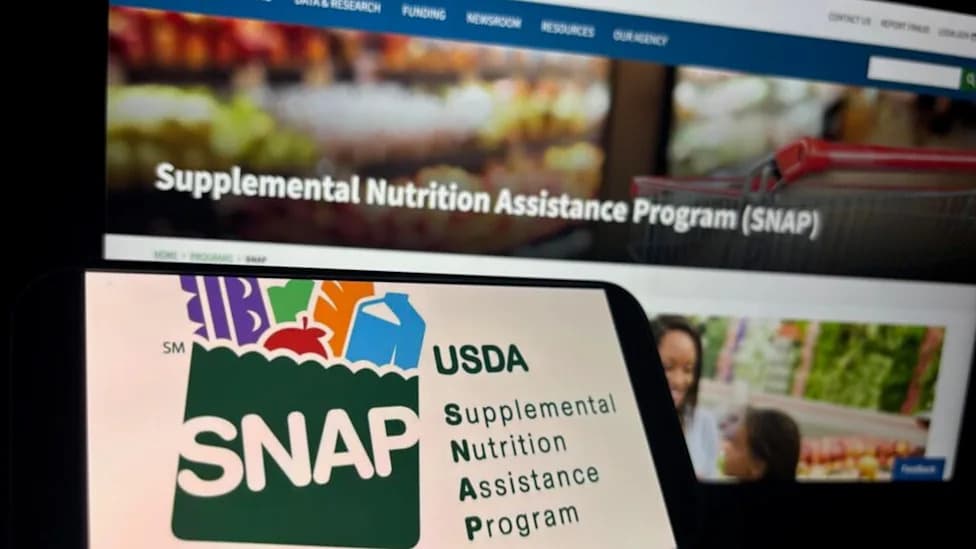
A phone displays the SNAP logo in front of a computer screen showing the USDA Food and Nutrition Service website. (Credit: Image via Shutterstock)
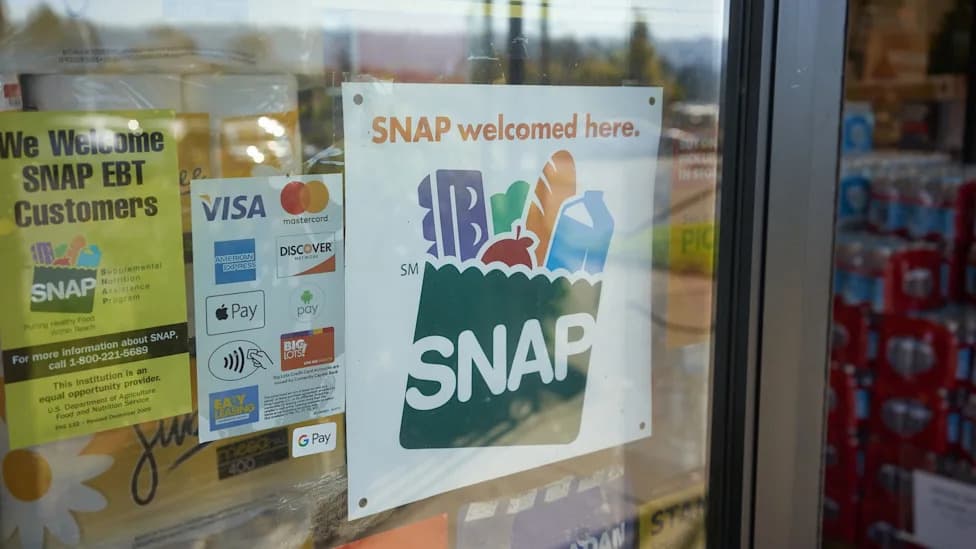
A major overhaul of the Supplemental Nutrition Assistance Program (SNAP) took effect on Oct. 1, shifting a substantially larger share of the program's administrative costs to states and prompting widespread concerns from advocates and Democratic leaders.
What Changed
Under the new rules, the federal administrative match for SNAP falls to 25%, meaning states now cover 75% of SNAP administrative costs, up from the previous 50% federal match, according to CBS News. In addition, beginning in October 2027, states with high payment-error rates could be required to pay up to 15% of benefit costs.
Impact So Far
An analysis by the Food Research & Action Center (FRAC) found that roughly 5.2 million Americans have lost SNAP benefits since H.R. 1 — the package enacted in July 2025 — and national participation has fallen to its lowest level since 2019. FRAC's broader data indicate that SNAP participation has declined by about 6.1 million people since President Trump took office in January 2025.
States show wide variation in caseload declines: Arizona has seen the steepest drop, losing an estimated 52% of its SNAP caseload — about 461,272 people — since H.R. 1 was enacted. States are also spending significant sums to update systems and implement the new rules; for example, Iowa estimates it will spend $20.3 million on contractors to rework eligibility systems.
Responses From Officials And Advocates
"These changes are absolutely unprecedented," said Crystal FitzSimons, president of the Food Research & Action Center, describing the scale and speed of the policy shift.
White House spokesperson Anna Kelly said in a statement to Benzinga that the administration views the changes as a way to "strengthen SNAP for the Americans who need it by ensuring these programs are sustainable for future generations," and argued the package "restores basic work requirements, prioritizes American citizens, and implements reasonable cost-sharing measures with states to crack down on waste, fraud, and abuse."
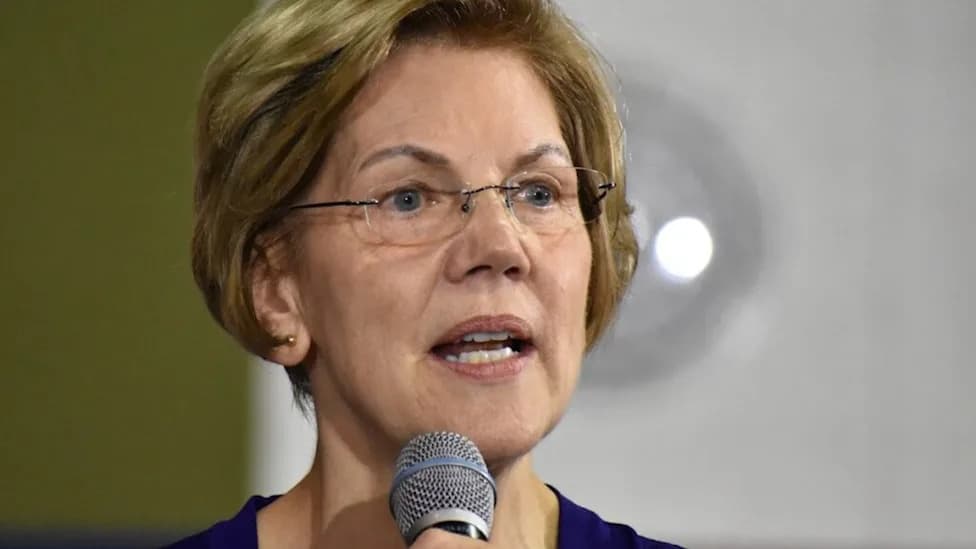
Democratic leaders sharply criticized the rollout. Sen. Elizabeth Warren (D-Mass.) wrote that "5 million people have already lost food assistance, including 1.5 million+ kids since the bill was enacted." House Speaker Nancy Pelosi said provisions in the package "cut Medicaid and eliminate funding for SNAP, threatening the food assistance and health care that millions of Americans depend on." Illinois Gov. J.B. Pritzker said the changes forced families to choose "between putting food on the table and paying their bills."
Why This Matters
Advocates and some state officials warn that shifting administrative costs to states, coupled with new cost-sharing triggers for error-prone states and tightened work and eligibility provisions, could drive further declines in enrollment or reductions in benefit access. Supporters of the changes argue that greater state responsibility and stricter rules will curb waste, fraud and abuse and help make program finances more sustainable over the long term.
This policy shift represents a major change in federal-state cost-sharing for SNAP and has immediate political and practical consequences for safety-net programs and families across the country.
Sources: Food Research & Action Center, CBS News, public statements from the White House and federal and state officials.
Help us improve.