Brett McGurk, a former senior White House adviser, says President Biden seriously considered halting U.S. weapons shipments to Israel after an April 2024 airstrike killed seven World Central Kitchen aid workers. McGurk writes that an imminent, large-scale Iranian attack forced the U.S. and allies to shift priorities toward defense, precluding those punitive measures. The administration suspended some transfers (including 2,000-pound bombs) but did not impose a full cutoff — a decision McGurk defends as necessary to avoid worsening the crisis or undermining hostage-release efforts. A 2024 State Department report also raised concerns about potential inconsistent use of U.S.-supplied weapons.
Biden Said to Have Considered Cutting Arms to Israel After Aid Workers' Deaths, McGurk Says
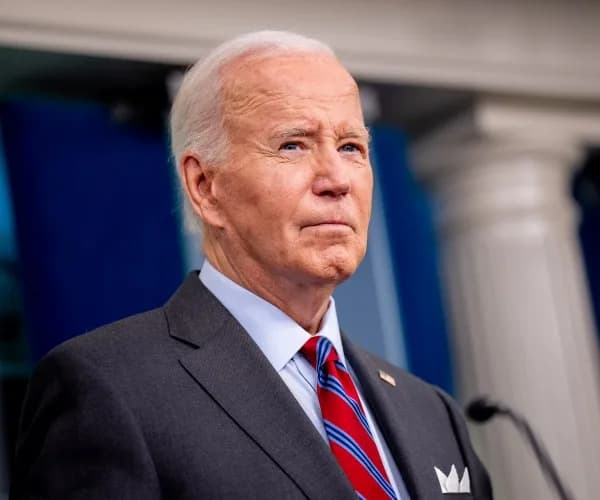
Former President Joe Biden (Andrew Harnik/Getty Images)
Former President Joe Biden seriously considered taking sweeping measures against Israel — including halting U.S. weapons shipments — after an April 2024 Israeli airstrike killed seven World Central Kitchen aid workers in Gaza, former senior White House adviser Brett McGurk writes in his memoir and told CBS News' "Face the Nation." McGurk says those plans were overtaken by an imminent Iranian attack that required immediate U.S. and allied defensive action.
White House Frustration and Possible Measures
McGurk describes growing frustration in the Biden administration with Prime Minister Benjamin Netanyahu's conduct of the war against Hamas. According to McGurk, Biden and his advisers discussed "some pretty draconian measures" to respond to the airstrike and the broader conduct of Israel's Gaza campaign, and cutting off weapons shipments "was very much on the table."
"At that moment, if not for that impending missile attack, which we then had to deploy military forces ... I think we would have taken some pretty draconian measures against Israel," McGurk said.
Iranian Attack Shifted Priorities
McGurk says plans to escalate pressure on Israel were interrupted when Iran launched what he described as an unprecedented, coordinated assault on Israel — reportedly involving about 120 ballistic missiles, 170 drones and 30 cruise missiles. The United States, together with Arab and European partners, helped defend Israel against that barrage, which shifted Washington's immediate focus from punitive measures to regional defense and deterrence.
Policy Choices and Political Fallout
The Biden administration did suspend certain transfers, including shipments of 2,000-pound bombs, but stopped short of a comprehensive weapons cutoff. McGurk defended that restraint in public statements and in his book, arguing a full suspension would not necessarily have ended the conflict and could have strengthened Hamas' negotiating position or complicated efforts to secure hostage releases.
Context and Humanitarian Concerns
The episode took place amid rising domestic and international criticism of Israel's Gaza operations. At the time McGurk recounts the episode, Israeli officials estimated more than 130 hostages remained in Gaza; the Hamas-run Gaza Health Ministry reported roughly 34,000 Palestinian deaths. A 2024 U.S. Department of State report concluded it was "reasonable to assess" that Israeli security forces had used U.S.-supplied weapons in instances potentially inconsistent with international humanitarian law, raising questions about compliance with those obligations.
Why This Matters
The episode illustrates the difficult balance Biden faced: supporting Israel’s security, pressing an ally over conduct in Gaza, protecting civilians and humanitarian access, and preventing a wider regional war. McGurk’s account — from his upcoming memoir Brink — provides an inside look at those competing priorities and the real-time decisions that shaped U.S. policy during a volatile period.
Sources: Brett McGurk’s interview on CBS News’ "Face the Nation" and excerpts from his memoir Brink; U.S. Department of State report (2024); public statements from the Biden administration.
Help us improve.