Regional elections in Mecklenburg-Western Pomerania and Berlin handed heavy losses to the CDU and intensified pressure on Chancellor Friedrich Merz, who called the outcome a "disaster." The far-right AfD and hard-left Die Linke made substantial gains, complicating coalition math and reducing the likelihood of single- or two-party majorities. Economic concerns, housing shortages and energy policy — notably debate around the Nord Stream pipeline — were key drivers of voter shifts.
Regional Shock: CDU Suffers Heavy Losses as AfD and Die Linke Surge
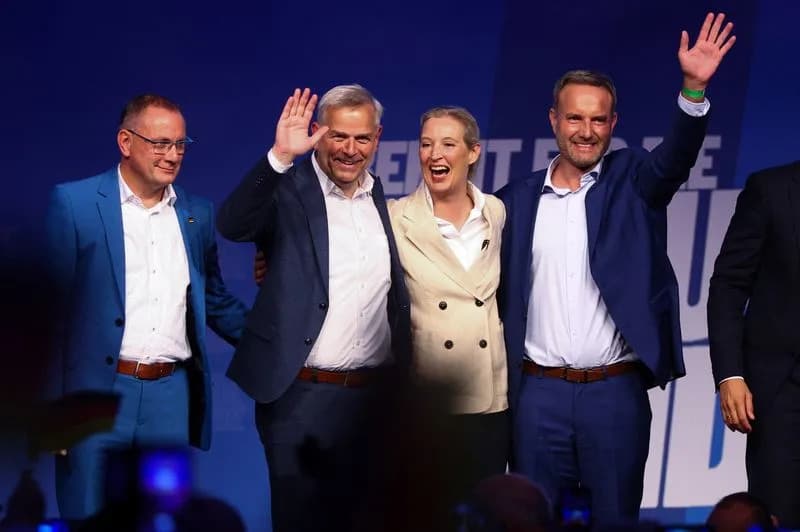
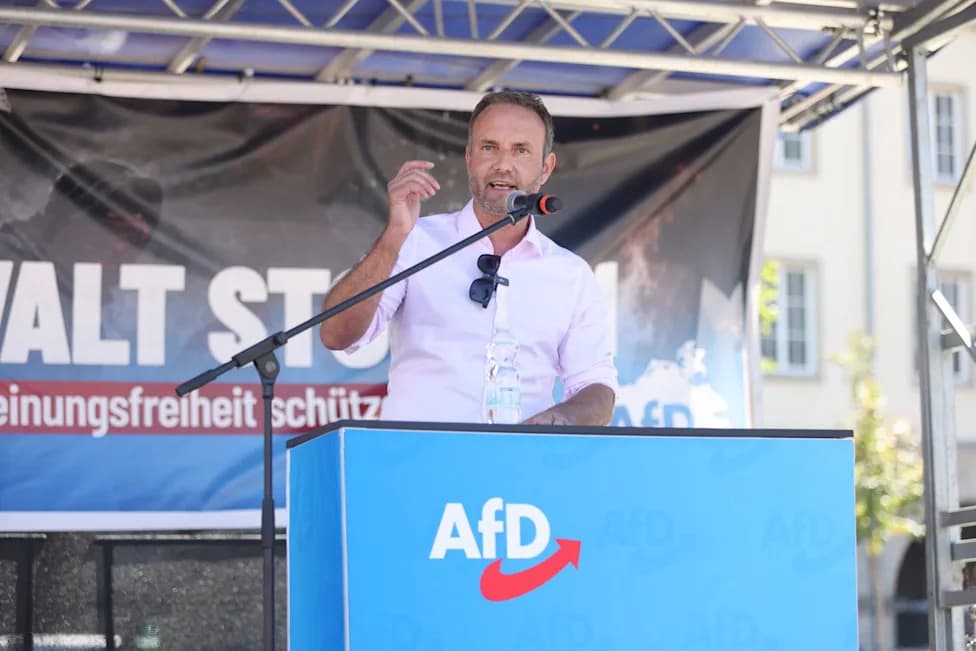
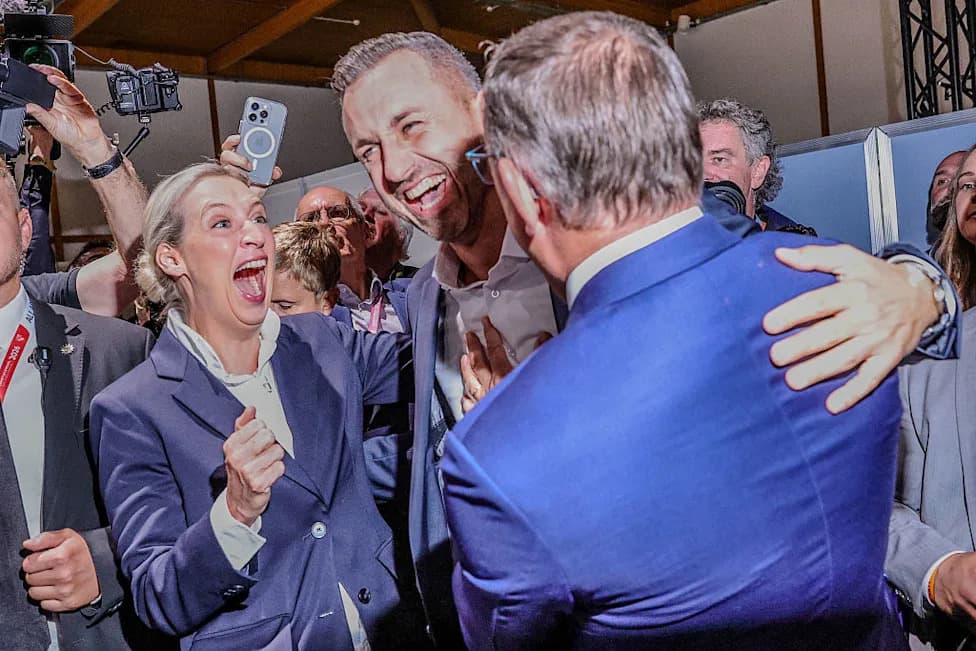
AfD co-leader Alice Weidel, AfD co-leader Tino Chrupalla, AfD candidate for state premier Leif-Erik Holm, and AfD top candidate Ulrich Siegmund react on stage during a campaign event ahead of the Mecklenburg-Western Pomerania state election in Neubrandenburg, Germany, September 18, 2026. REUTERS/Lisi Niesner
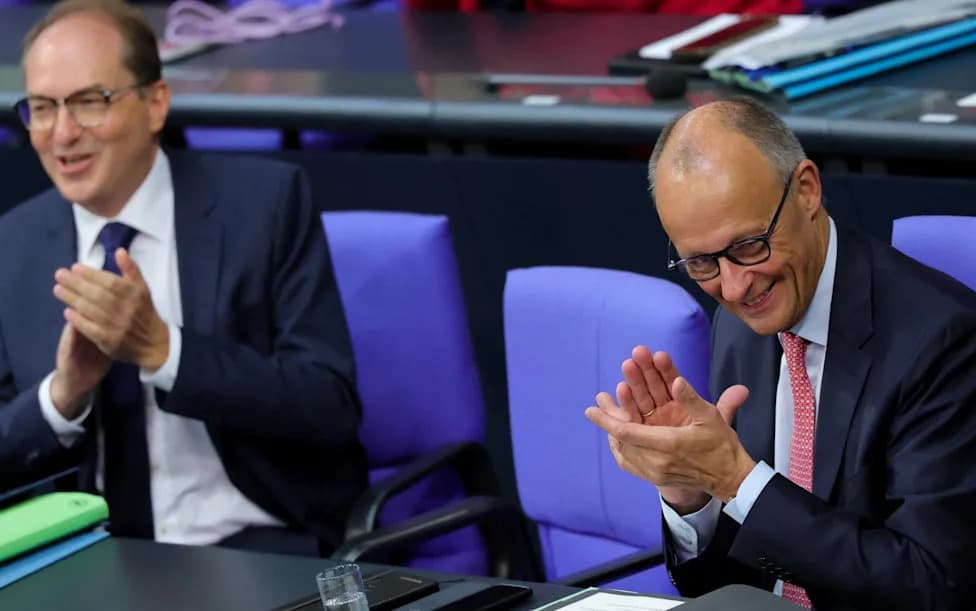
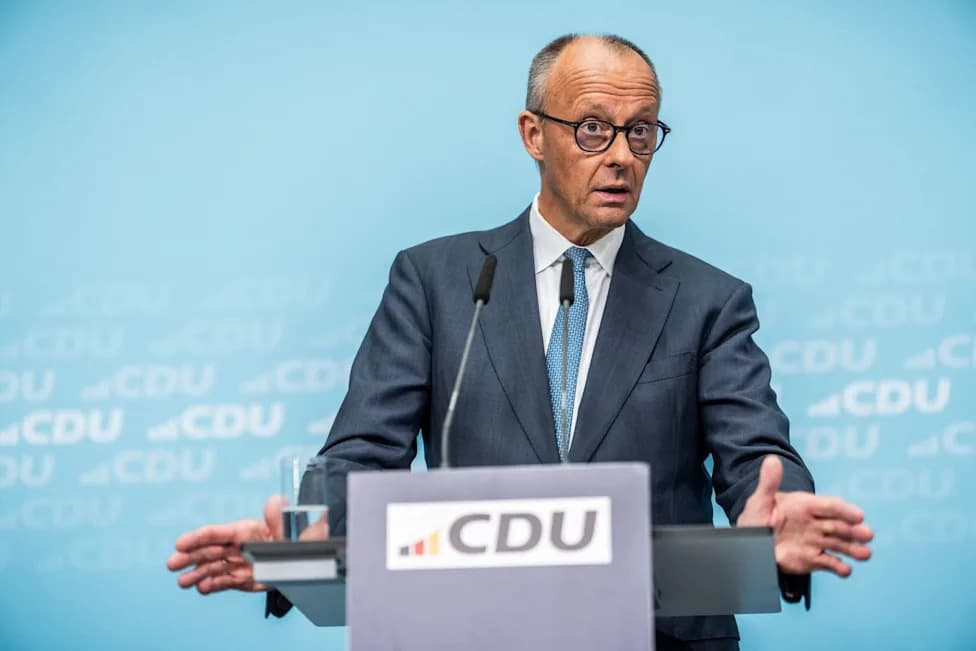
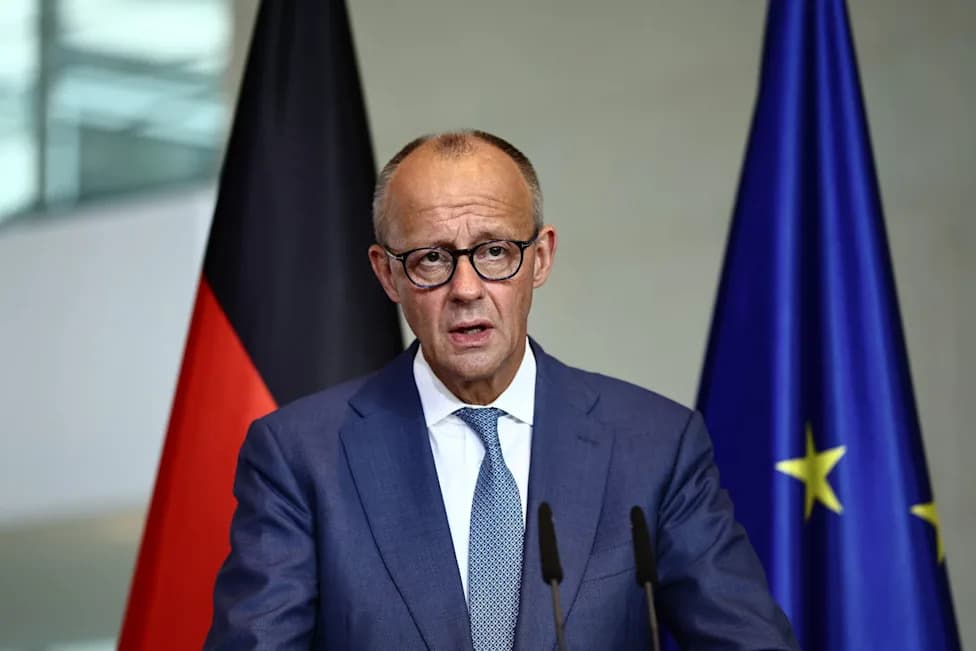
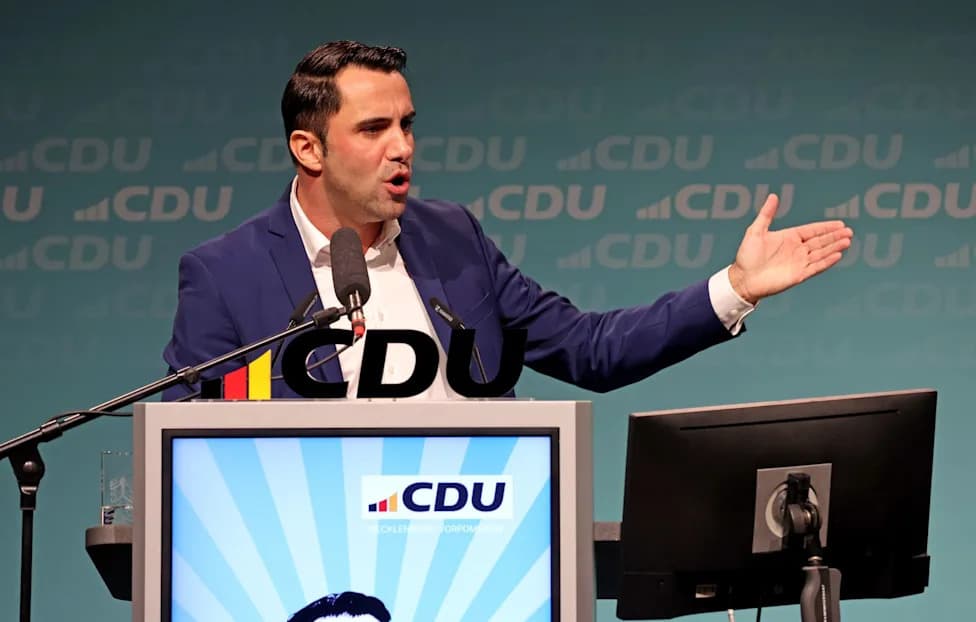
Elections in Mecklenburg-Western Pomerania and Berlin delivered a sharp rebuke to the Christian Democratic Union (CDU), intensifying pressure on Chancellor Friedrich Merz and reshaping the political arithmetic in two key states. The far-right Alternative for Germany (AfD) and the hard-left Die Linke made notable gains, complicating coalition-building and underlining public frustration over the economy, housing and energy costs.
Merz Is Down, But Not (Yet) Out
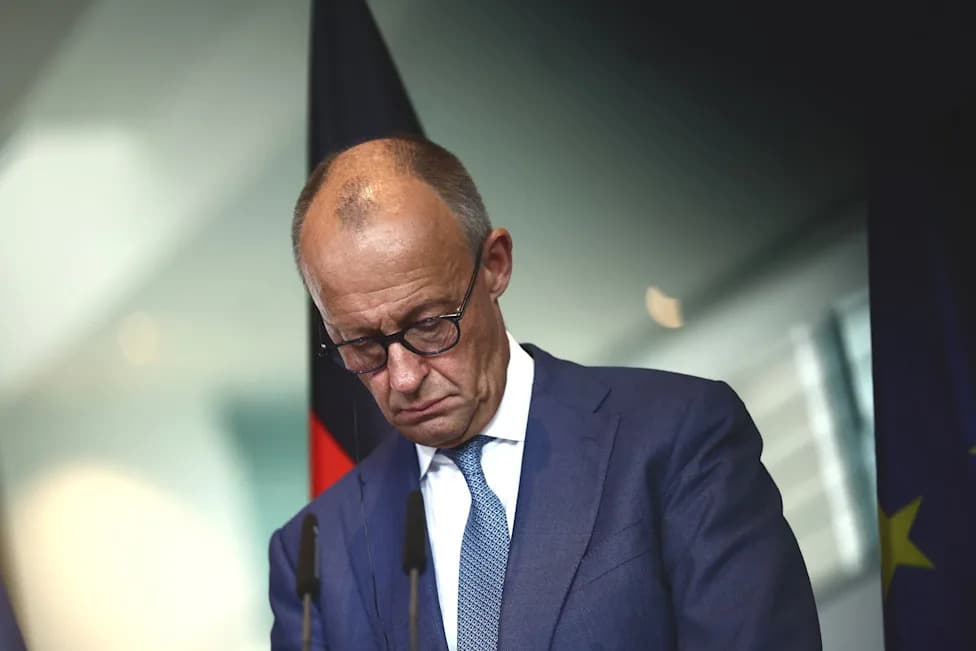
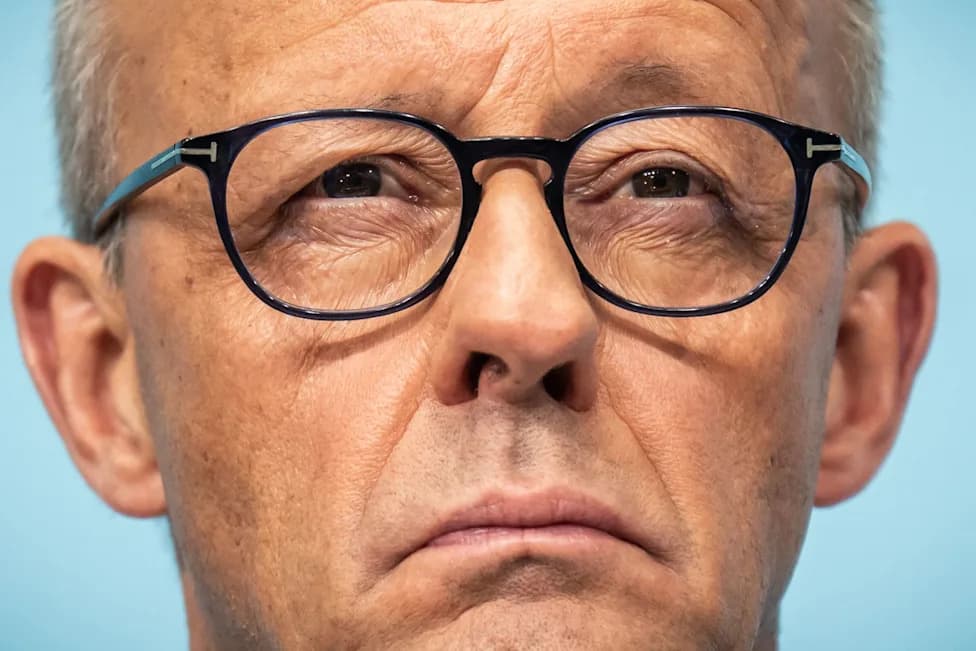
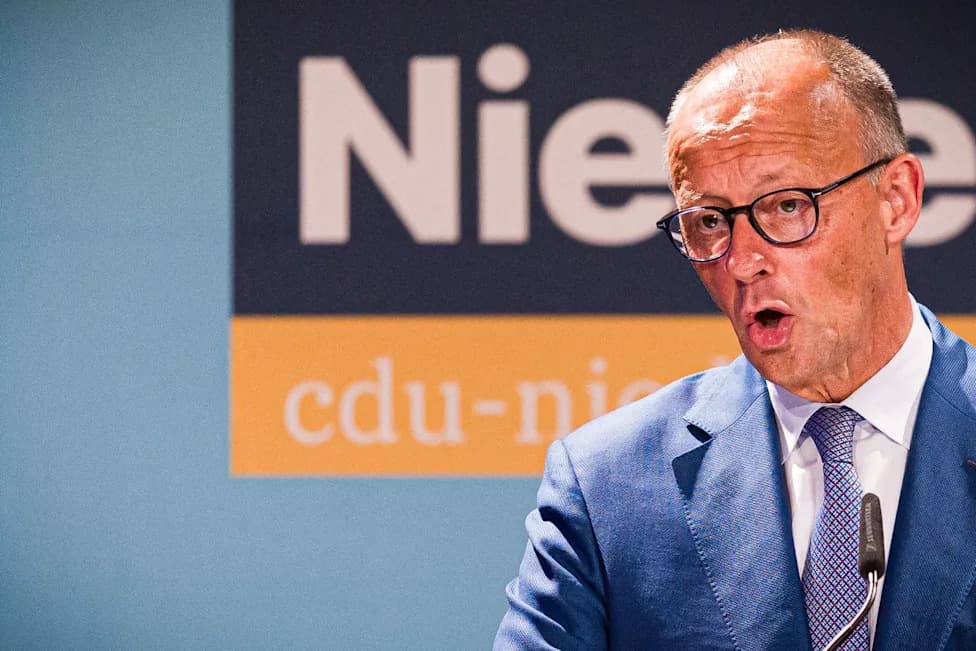
The results represent a significant setback for Chancellor Friedrich Merz and the CDU. Many conservative voters shifted to the AfD amid doubts about the 70-year-old chancellor's ability to revive Germany's economy and ease cost-of-living pressures. Merz described the outcome as a "disaster" and faces the lowest approval ratings recorded for any chancellor since the measure began. Although he has signalled he intends to stay and pursue his reform agenda, Sunday’s defeats—including the CDU's worst state result since 1949 in Mecklenburg-Western Pomerania—raise questions about his standing inside the party and his influence in the EU.
AfD Consolidates Its Position
The AfD made major gains in both states, emerging as the strongest party in Mecklenburg-Western Pomerania where it more than doubled its share compared with 2021. This follows a recent state win in Saxony-Anhalt and boosts the party's momentum ahead of federal elections in 2029. National polls place the AfD near the front with roughly 29% support. The party has attracted voters with tough stances on immigration, proposals to revive cheap Russian energy, and appeals to traditional conservative values.
Coalition-Building Becomes More Difficult
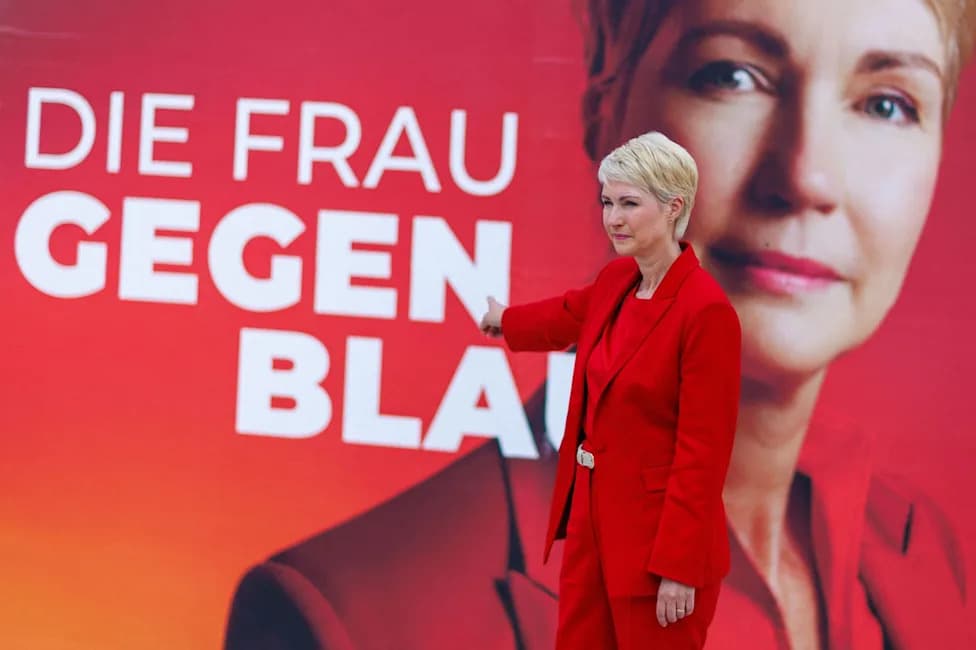
Voter fragmentation means stable majorities are harder to form. Preliminary results indicate that any future government in Mecklenburg-Western Pomerania will likely require three parties, forcing more compromise in a system used to two-party dominance. Mainstream parties continue to rule out coalitions with the AfD under a "firewall" strategy, making direct AfD participation in government unlikely in the near term. Probable options include SPD-Greens-Left coalitions in one or both states.
Economic Anxiety and Local Issues Drove Voters
Economic concerns—high living costs, rising fuel prices linked in part to the Middle East conflict, and large industrial job cuts—were central to voters' decisions. In Berlin, Die Linke gained traction with a focus on housing: promises to build affordable homes, limit holiday rentals and cut rents where prices exceed local averages. The AfD campaigned on restoring energy links such as the Nord Stream pipeline, arguing renewed Russian gas would lower household energy bills.
Voters Drift From The Centre
The hard-left Die Linke made strong inroads among disaffected voters. In Mecklenburg-Western Pomerania, polling by Infratest dimap for ARD estimated Die Linke attracted about 28,000 former CDU voters and 45,000 from the SPD, highlighting its growing appeal among the SPD’s traditional working-class base. Preliminary Berlin data show the SPD losing roughly 36,000 voters to Die Linke and the Greens losing about 51,000 to the same party.
Outlook: The results heighten the challenge for mainstream parties to form stable, voter-responsive coalitions while containing the AfD’s momentum. Economic relief, housing policy and energy costs are likely to dominate political debate ahead of the next federal vote.
Reporting by Rachel More and Christoph Steitz; Editing by Edmund Klamann (source: Reuters).
Help us improve.