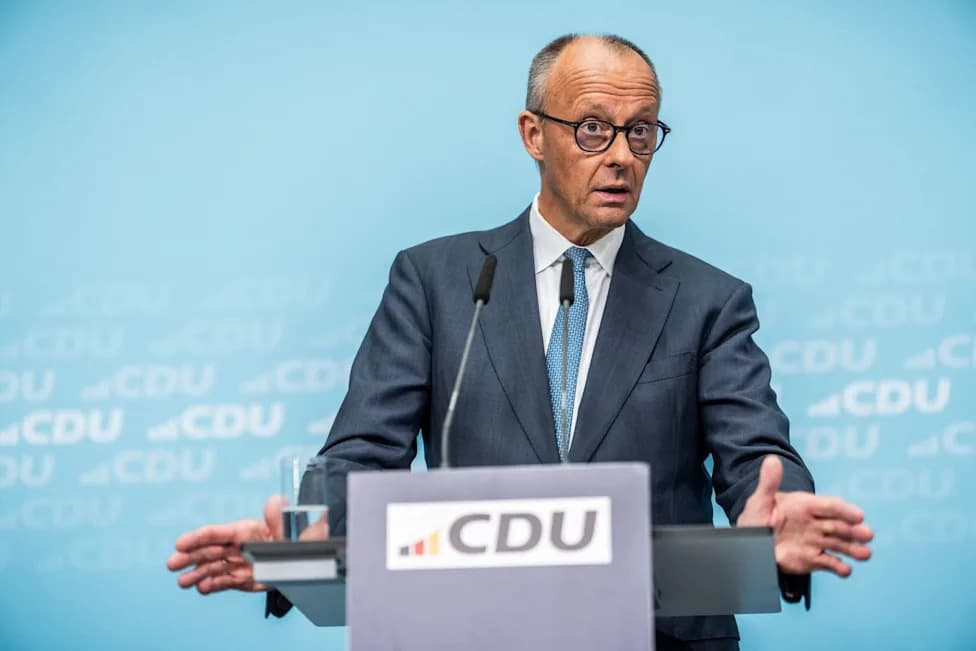
The Christian Democratic Union (CDU) aligned with Chancellor Friedrich Merz faces the real possibility of failing to win enough votes to enter the Mecklenburg‑Vorpommern state parliament in the September 20 election.
"There is a fear of failing to clear the 5% threshold," said Marc Reinhardt, deputy leader of the CDU parliamentary group in the north‑eastern state, in remarks published by the Tagesspiegel. Under German electoral law, parties must secure at least 5% of the vote to qualify for seats in state or federal parliaments.
Latest polls put the CDU at roughly 7%, a projection that would amount to its worst post‑war result in a state or federal contest and leaves open the prospect of falling below the cutoff and being excluded from the state legislature.
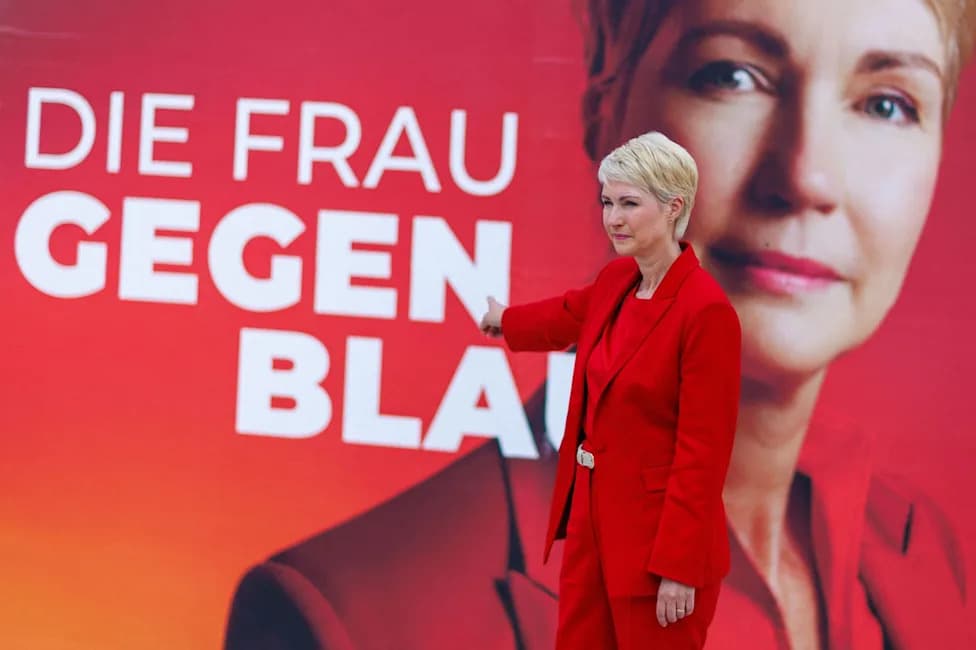
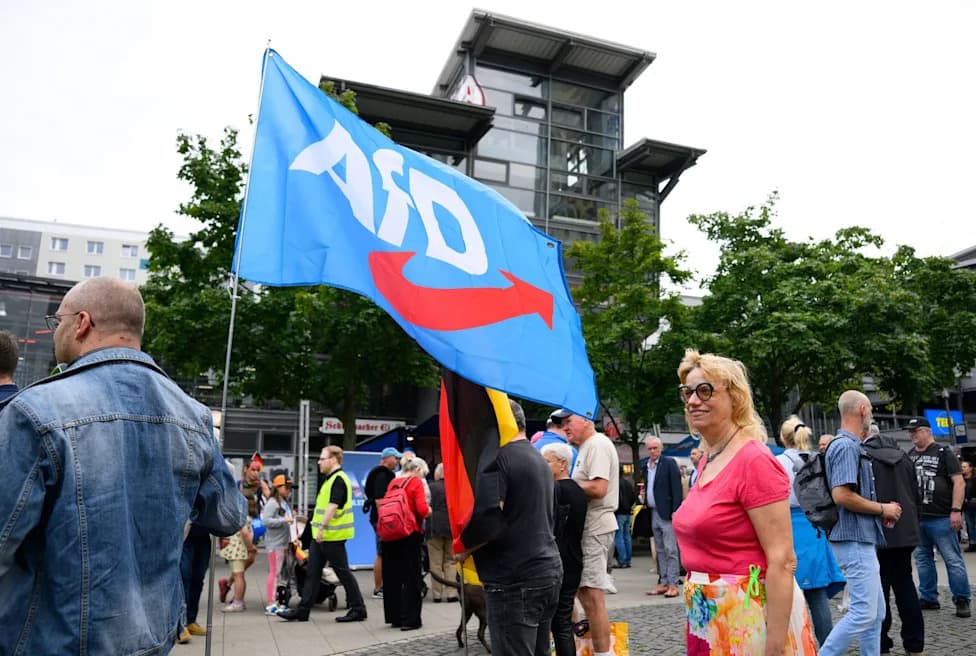
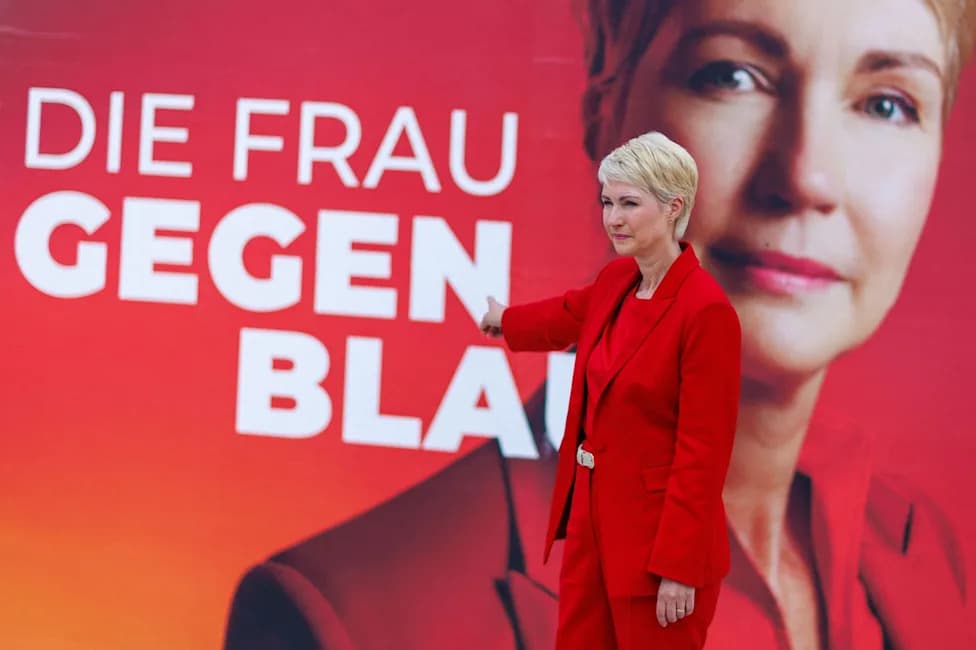
The far‑right Alternative for Germany (AfD) is polling first at around 35–37%, buoyed by a strong showing in the recent Saxony‑Anhalt election. The Social Democrats (SPD), led by incumbent state premier Manuela Schwesig, are polling at about 34% and have narrowed the gap with the AfD in recent weeks.
CDU lead candidate Daniel Peters has sought to distance himself from Chancellor Merz as the party grapples with falling approval ratings and internal concern over its prospects — particularly in eastern German states where the AfD has made significant gains.
Implications
A very weak showing — or failing to reach the 5% threshold — would deepen the CDU's political challenges nationally and in the east, reshaping coalition math and local power dynamics. The Mecklenburg‑Vorpommern vote falls on the same day as a state election in Berlin, where the CDU is also fighting to retain the mayoralty amid a three‑way contest with the AfD and The Left.
Key quote: "There is a fear of failing to clear the 5% threshold," — Marc Reinhardt.