Cornell President Michael Kotlikoff said the university will conduct a thorough review of fraternities and sororities after a civil lawsuit alleging a gang rape on Oct. 19, 2024 renewed concerns about campus sexual assault. The case names seven Chi Phi members and spurred a 12-day Title IX panel that imposed varied sanctions; no criminal charges have been filed. Gov. Kathy Hochul appointed Attorney General Letitia James as special prosecutor, and lawmakers are reconsidering consent law around voluntary intoxication. The case has ignited community outrage, threats against the plaintiff and a nationwide debate about fraternity culture and survivor protections.
Cornell President Promises Thorough Review of Greek Life After 'Jane Doe' Gang-Rape Lawsuit

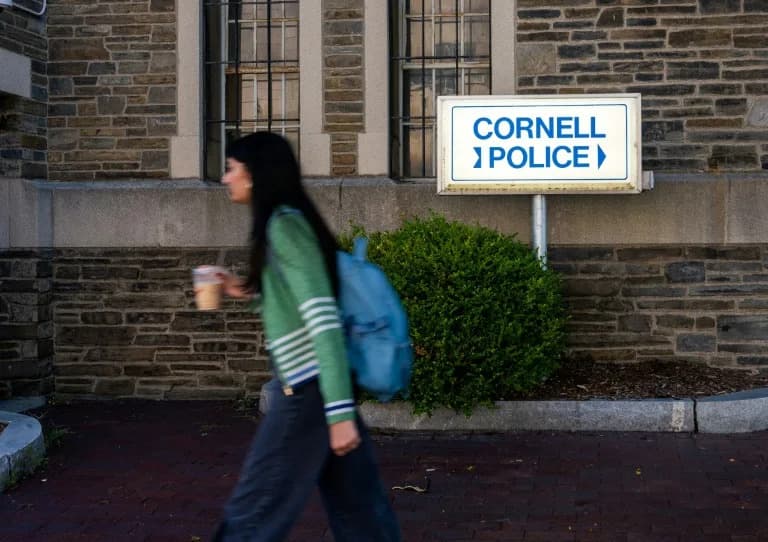
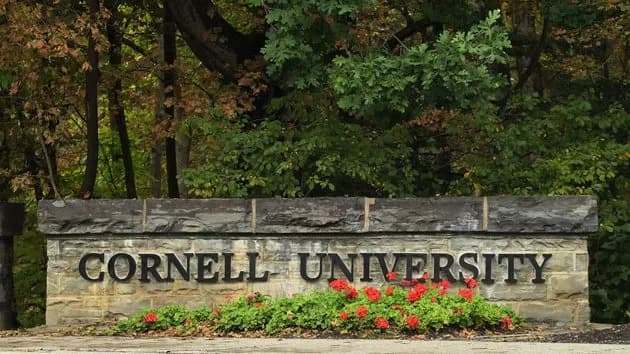
Students walk past Cornell Police headquarters on the Cornell University campus in Ithaca, New York, on Sept. 30, 2026. —Spencer Platt—Getty Images
Cornell University announced a comprehensive review of its fraternities and sororities after a civil lawsuit alleging a gang rape renewed scrutiny of campus accountability for sexual assault.
University Response And Review
In a video message to the campus community, President Michael Kotlikoff said the university would "take a serious look at the role of fraternities and sororities in campus life" as part of broader efforts to strengthen student safety and individual accountability.
"At their best, these organizations can provide students with friendship, belonging, mentorship and a powerful sense of community," Kotlikoff said. "But being part of a group can never diminish individual responsibility."
Kotlikoff said Cornell will solicit input from students, alumni and other stakeholders to "preserve what is valuable about Greek life while strengthening individual accountability, transparency and a culture in which every member understands their responsibility to protect the safety and well-being of others."
The Lawsuit And Title IX Proceedings
The civil suit, filed last month by a plaintiff identified as "Jane Doe," alleges she was sexually assaulted and pressured to take drugs and alcohol on the night of Oct. 19, 2024. The complaint names seven current and former members of the Chi Phi fraternity; the students deny wrongdoing. The lawsuit also alleges Cornell mishandled its response and failed to protect the student.
Cornell has defended its procedures, saying it complied with university policy and Title IX requirements. The school suspended the Chi Phi chapter in 2024 and launched a Title IX investigation that culminated in a closed, three-member panel that met over 12 days in May 2025. Discipline summaries reported by The New York Times show a range of sanctions: two students were expelled after being found responsible for sexual assault; one graduate received a three-year persona non grata order; two were suspended and placed on disciplinary probation with required trainings and reflection papers; and two others were ordered to complete trainings, write reflections and were barred from contacting the plaintiff. The panel did not find all accused men responsible, and no criminal charges have been filed to date.
Public Reaction, Safety Concerns And Harassment
The lawsuit has prompted intense public debate, a student-led town hall, and criticism of how Cornell police and local prosecutors handled the initial report. Attorneys for the plaintiff say she has received threats and attempts to doxx her; several other women were mistakenly identified online. Supporters have responded with thousands of #IamJaneDoe posts to express solidarity and to counter doxxing.
State Intervention And Legal Questions
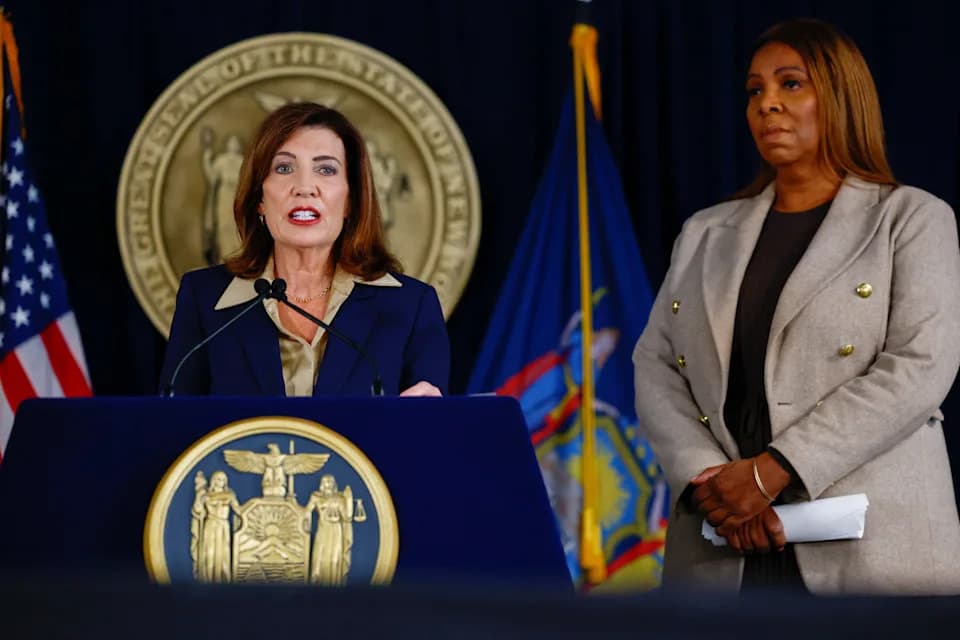
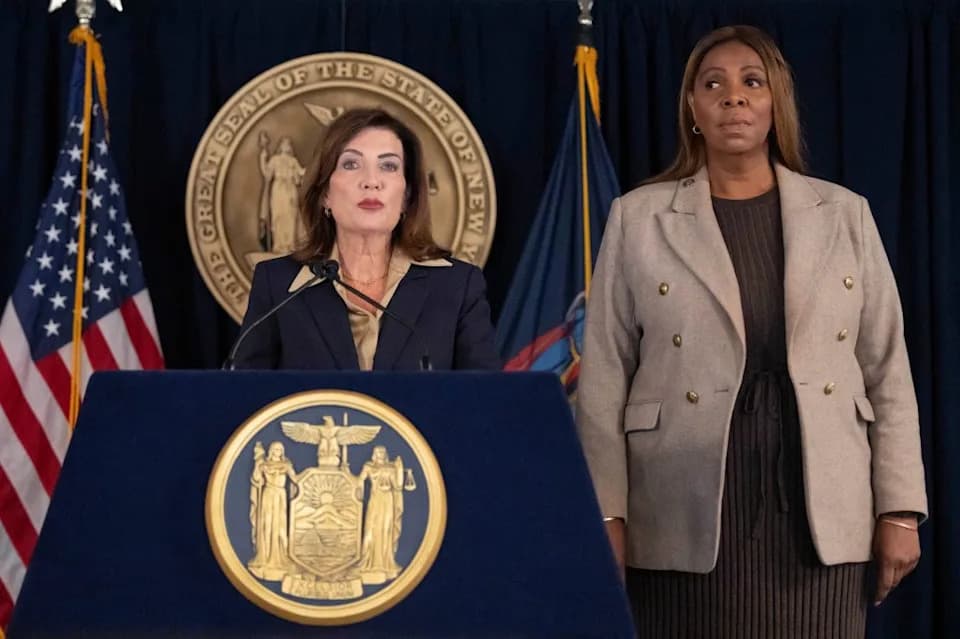
Amid criticism of the local prosecutor, New York Gov. Kathy Hochul appointed Attorney General Letitia James as special prosecutor to review the case. Hochul and other lawmakers are also urging review of state consent law as it relates to voluntary intoxication. Critics have questioned why the Tompkins County District Attorney initially declined to pursue criminal charges and whether investigators provided prosecutors with complete records.
Letitia James said her office will "review the facts, gather evidence, interview witnesses and, if warranted, pursue prosecutions." The appointment has drawn political scrutiny and commentary, including criticism from former President Donald Trump.
Broader Context
Advocates and researchers say the case highlights broader concerns about fraternity culture and campus sexual assault. A 2021 study that tracked students across their first two years of college linked fraternity membership to higher rates of self-reported sexual aggression, a statistic experts cite when calling for cultural and policy changes on campuses nationwide.
Cornell officials say they are committed to finding answers and improving campus safety. "We don't have all the answers," Kotlikoff said. "But we are committed to investigating and finding the answers our community deserves."
Help us improve.