Chancellor Friedrich Merz has vowed to keep the CDU-SPD coalition intact to protect Germany's "democratic future" after regional election losses that boosted the far-right AfD and produced the CDU's worst result since 1945. Merz rejected calls to resign, blamed broader shifts in the political landscape, and cancelled a UN trip to manage the fallout. The SPD says it will stay in government but wants renewed talks on reforms.
Merz Vows to Preserve Germany's 'Democratic Future' After Historic CDU Losses
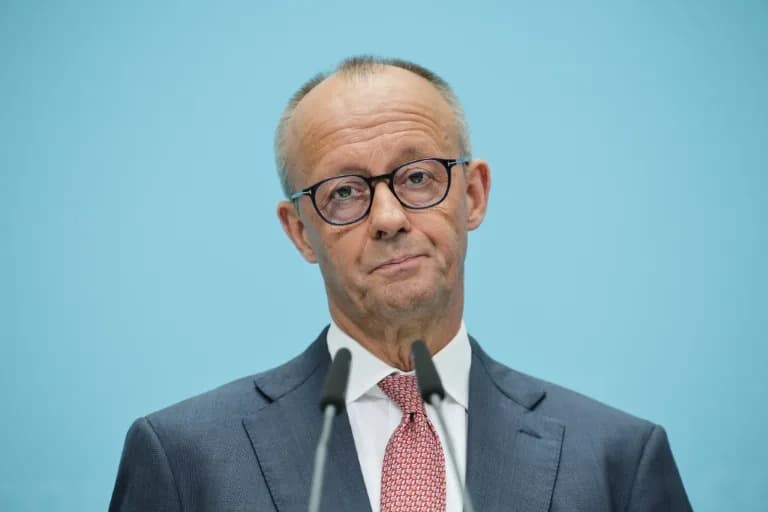
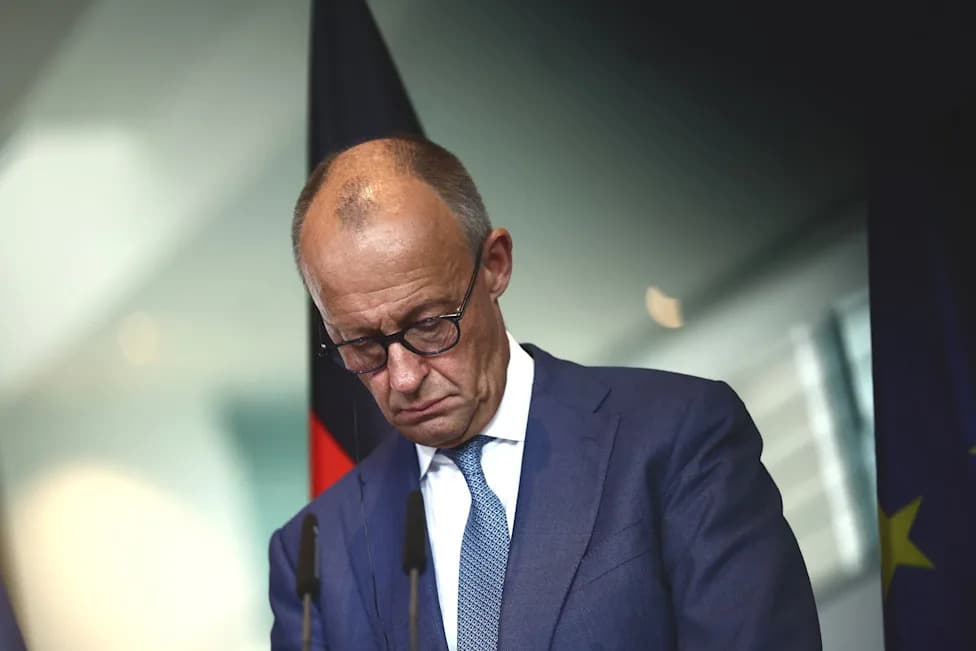
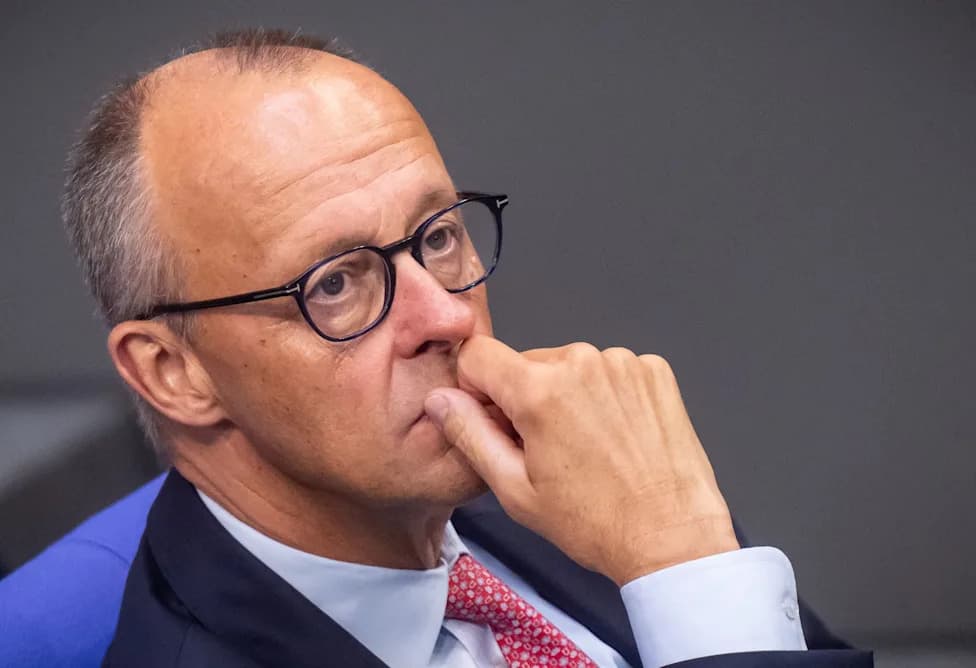
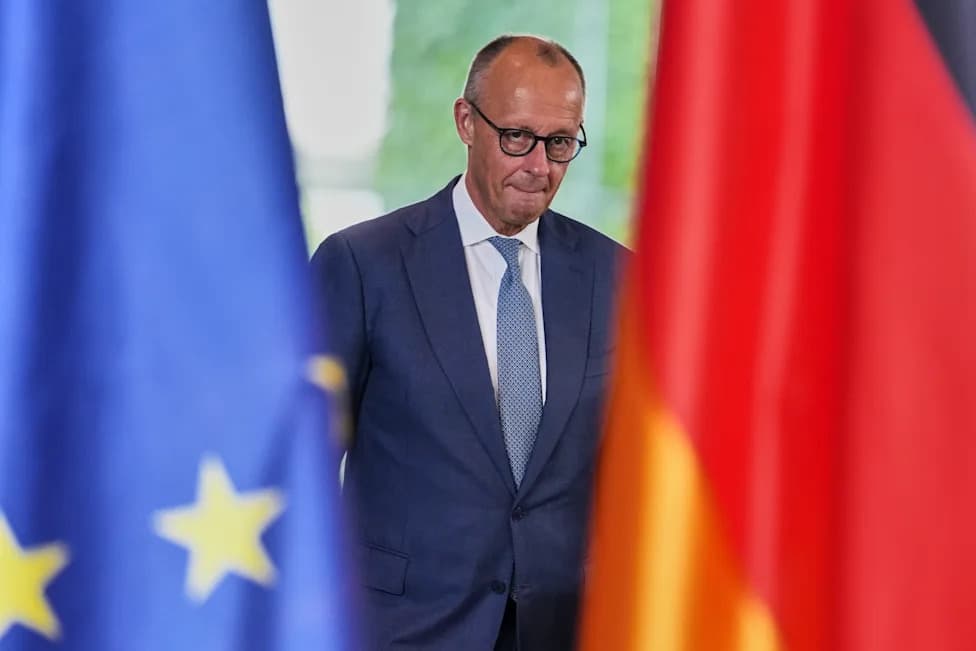
German Chancellor Friedrich Merz has faced growing pressure after the latest bruising election results (Jens SCHLUETER)
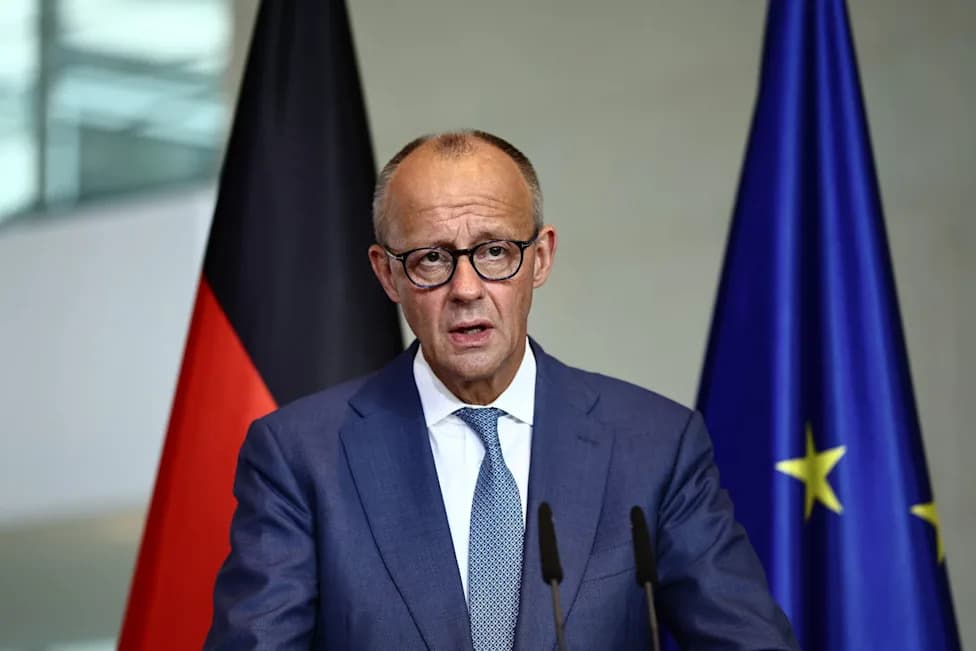
Chancellor Friedrich Merz said on Monday he will keep his governing coalition intact to defend what he called Germany's "democratic future" after two heavy regional defeats that have intensified questions about his political survival.
Electoral Setbacks
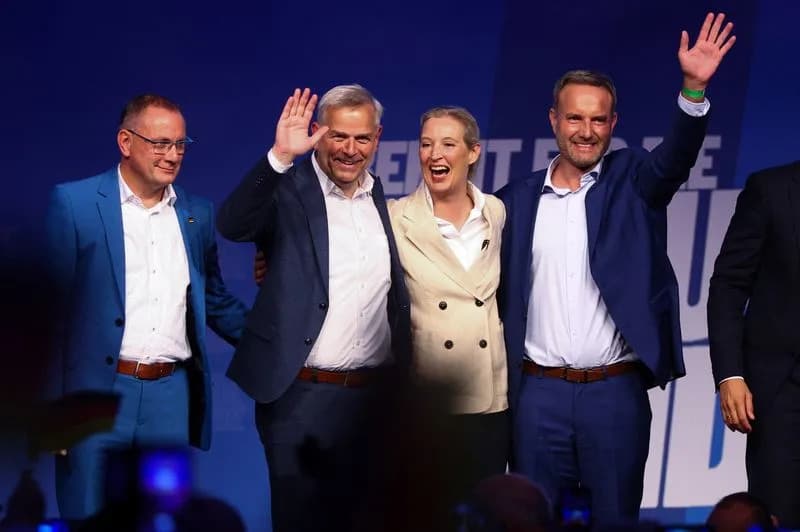
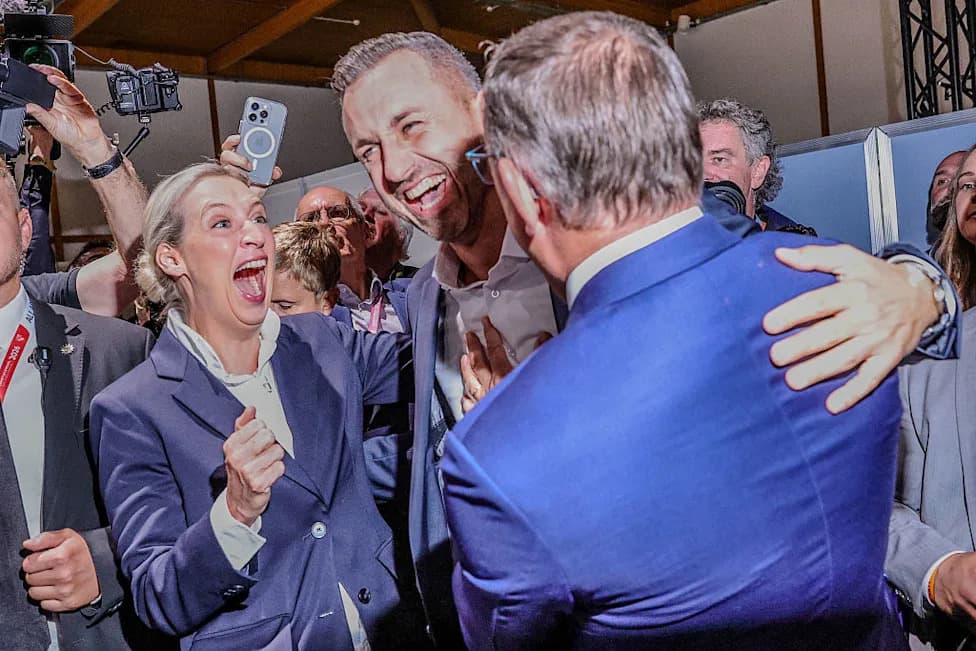
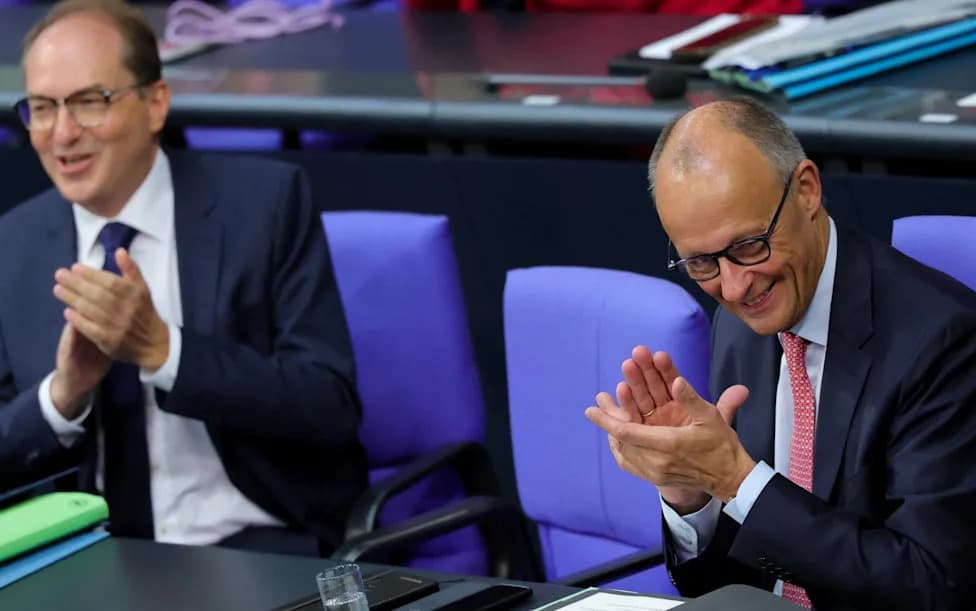
The far-right Alternative for Germany (AfD) won again in Mecklenburg-Western Pomerania, while the Christian Democratic Union (CDU) plunged to just 4.9 percent — below the threshold for representation and the party's worst result since its founding in 1945. The losses follow a major AfD victory in Saxony-Anhalt on September 6 and strong AfD and Die Linke performances in Berlin.
Merz Responds
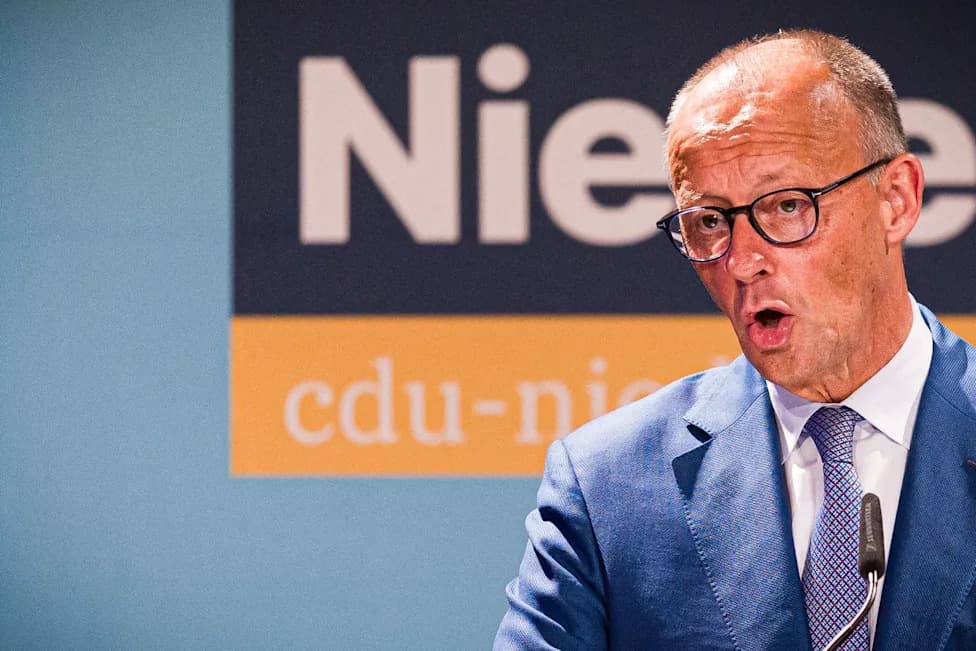
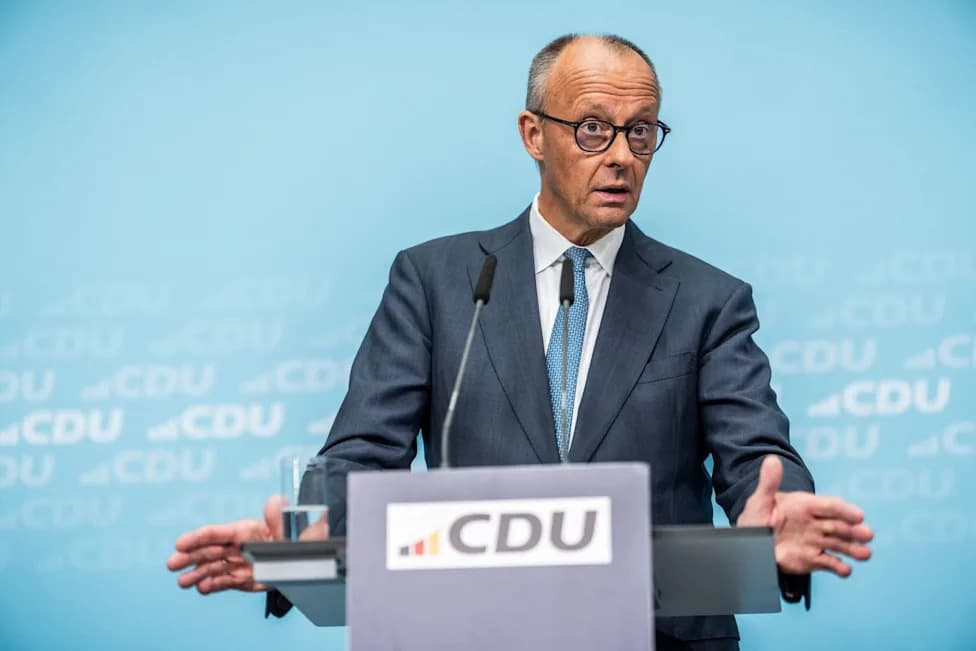
Merz, 70, rejected calls to resign and pushed back against claims that the defeats are solely a reflection of his personal popularity. He told the nation the vote reflected broader shifts in the political landscape:
"The reasons for these election results go far beyond my own person. We are witnessing a profound transformation of the political party system," he said.
Speaking on television shortly after exit polls appeared, Merz acknowledged the CDU had suffered a "disaster" but vowed to press on with reforms and govern with "backbone, steadfastness and patience." He has cleared his calendar, cancelling a planned trip to New York for the United Nations General Assembly to manage the fallout.
Coalition Tensions and Next Steps
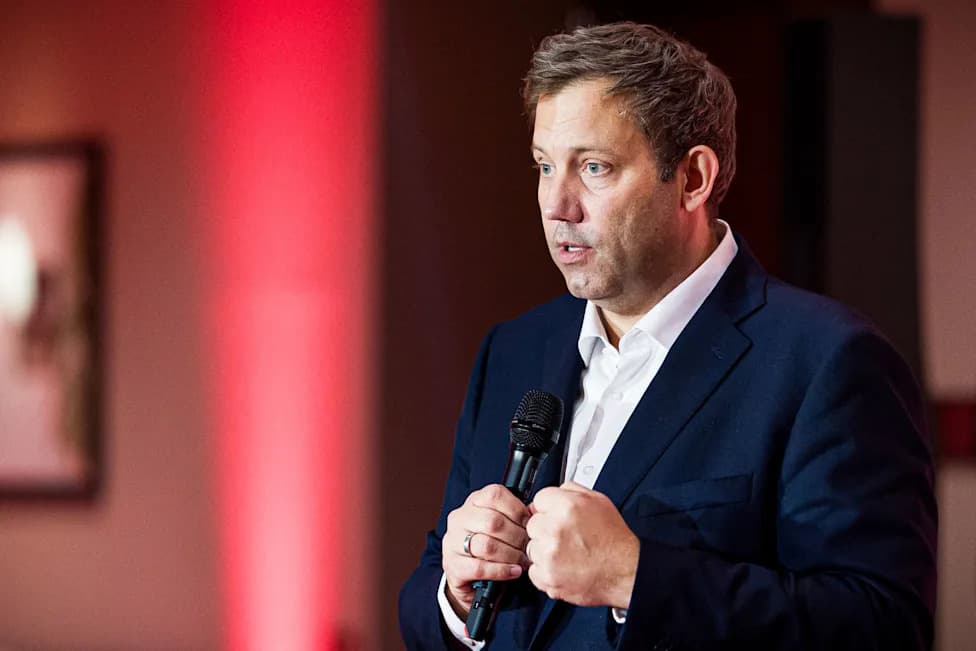
Merz leads a coalition with the centre-left Social Democrats (SPD). SPD leaders have pledged to remain in government but signalled they want to reopen negotiations over social and economic reforms agreed only recently after lengthy talks with the CDU. Finance Minister and SPD co-leader Lars Klingbeil said, "We stand by this coalition," while also warning that "things can't go on" as before and calling for open debates on the reform agenda.
Wider Context
Merz took office in May last year promising to revive the economy, rebuild defence capabilities and curb irregular immigration. Yet his approval ratings have slumped to just above 10 percent, reforms have advanced slowly, and Europe’s largest economy remains vulnerable. Economic pressures were visible as tens of thousands of auto workers staged nationwide protests demanding stronger measures to protect jobs after rounds of cuts at major carmakers and suppliers.
Succession Talk
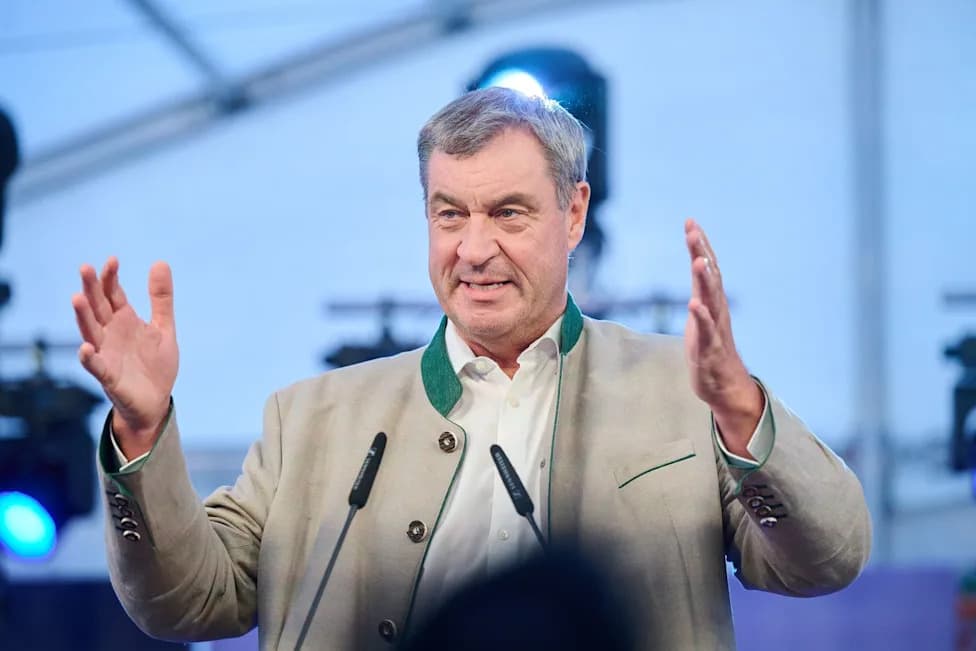
Speculation about possible successors has grown, with names such as Hendrik Wuest (North Rhine-Westphalia premier) and Markus Söder (Bavarian premier and CSU leader) mentioned. So far, no candidate has launched an open leadership challenge, perhaps deterred by the risks of appearing disloyal or by the difficulty of reviving the conservative bloc amid a deep crisis.
Outlook: The immediate weeks will be crucial: the coalition's ability to present a united reform agenda and the CDU's internal deliberations will determine whether Merz steadies his leadership or faces an internal contest.
Help us improve.