A Seoul court sentenced the director of Saekdongwon, a state-funded care home in Incheon, to 15 years after finding that at least three residents with intellectual disabilities were sexually assaulted. The abuse was first disclosed publicly after a resident, Seo Mi-hyeon, suffered a head injury in 2025 and revealed years of assaults. A Woosuk University assessment suggested many more possible victims, but investigators were criticised for relying mainly on fully articulated verbal testimony, potentially excluding residents with severe communication difficulties. The case has prompted nationwide inspections, closure orders for Saekdongwon, and pledges for stronger oversight and support for independent living.
Care-Home Director Jailed 15 Years After Years Of Sexual Abuse At State-Funded Facility
[Getty Images]
Seo Mi-hyeon, a resident with an intellectual disability, told police: "I was hurting inside, so I came to tell my story." Her testimony helped expose years of sexual abuse at Saekdongwon, a state-funded care home in Incheon, and led to the director (identified only by his surname, Kim) being sentenced to 15 years in prison.
What Happened
Seo moved into Saekdongwon in 2016. She says the assaults began soon after she arrived: Kim allegedly entered her room at night or in the early hours and raped her repeatedly over nearly a decade. The abuse only came to light after Seo suffered a head injury during an attempted assault in February 2025. Staff took her to hospital and informed her mother only after the wound had been treated. Once Seo was removed from the facility, she disclosed the abuse to her mother, who reported it to police.

The care home was located in the Korean city of Incheon [Getty Images]
Investigation and Trial
Police widened their inquiry and identified at least two other victims. A Seoul court judged the testimony of three residents credible and sentenced Kim to 15 years for raping Seo and another resident, Lee Mi-Na. He denies the charges and is appealing. For the third resident the court upheld a lesser sexual-violence conviction after finding insufficient evidence that force or threats rendered her unable to resist.
"I just endured it." — Seo, on surviving years of abuse
Concerns Over How Investigations Were Conducted
A Woosuk University assessment, submitted as evidence, suggested at least 10 other residents could have been assaulted, but the trial did not address that finding. Investigators faced major challenges interviewing residents because many have severe communication difficulties. Critics say police and the court relied too heavily on testimony given in complete sentences, effectively excluding residents who could not express themselves in that way.
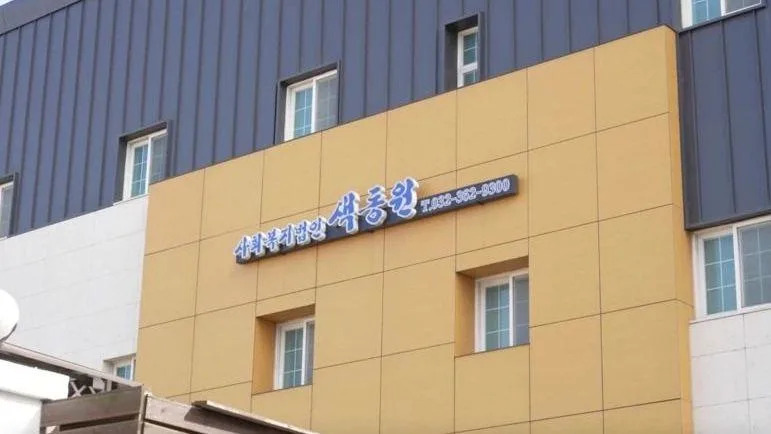
Saekdongwon was asked to close down in light of this case [SADD TV]
Disability-rights groups and advocates argue this approach risks silencing the most vulnerable victims. Baek In-seong of Hansahoe asked: "If victims express their experiences differently from the way we expect, shouldn't the state make a greater effort to hear their voices?"
Systemic Failures Highlighted
The case has raised wider questions about oversight of residential facilities. Ganghwa County — the local authority responsible for Saekdongwon — said routine inspections focused mainly on paperwork and that residents were interviewed only when specific issues were raised. An external monitoring team reportedly received no reports from staff.

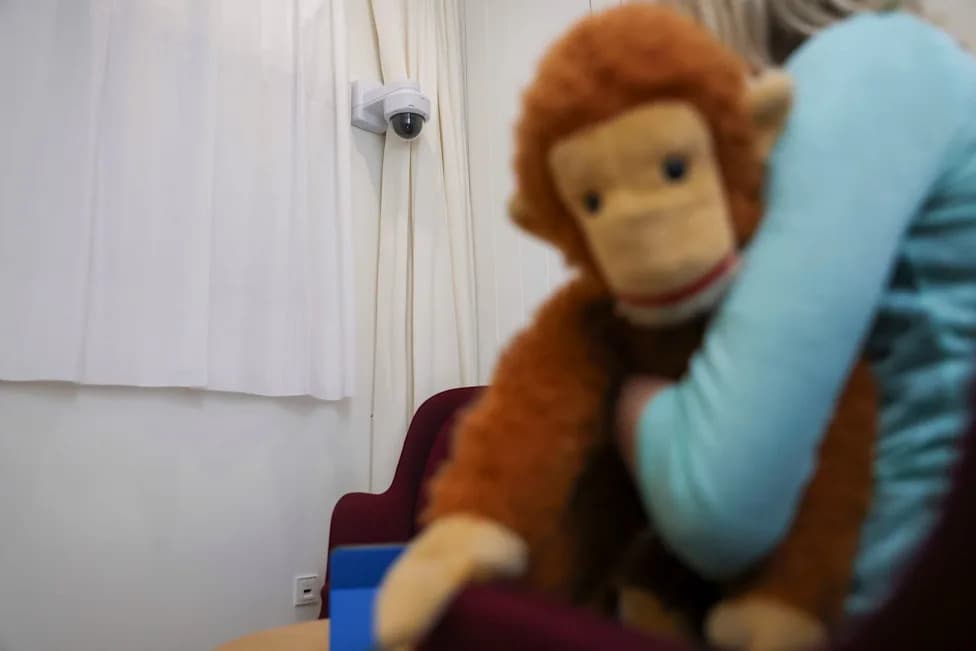
Some residents had severe disabilities and faced difficulties communicating [Getty Images]
Advocates point to structural problems that increase residents' vulnerability: long waitlists for residential places, families' reluctance to raise complaints for fear of losing scarce placements, and institutional control over daily life, healthcare and mobility.
Government Response
Following public outrage, the prime minister ordered a cross-government response team. In April the government said it had inspected 1,507 residential facilities nationwide, identifying 33 suspected abuse cases and opening investigations into eight. Ganghwa County ordered Saekdongwon closed and revoked the foundation's licence, though closure has been delayed until residents are relocated and independent-living arrangements are in place. Saekdongwon has filed an administrative lawsuit challenging the licence revocation.
Voices Of Survivors And Advocates
Seo says life after leaving Saekdongwon is calmer: "I just feel at peace. I'm happy every day." She values simple freedoms like eating and sleeping when she wants. Her wider plea is for safe residential options: "I hope there can be a facility without sexual violence, where disabled people like us can live in peace."
Advocates stress the problem is not isolated. Recent high-profile convictions in other facilities underline a pattern of abuse shaped by intersecting factors — gender, disability, institutionalisation, poverty and social isolation — that require systemic reform.
Looking Ahead
Authorities have pledged stronger, risk-based inspections and joint checks involving local government, police and disability-rights organisations. Rights groups call for improved methods to identify and support victims who cannot give conventional verbal testimony, better staff oversight, and expanded independent-living options so families do not feel forced to stay silent to retain care placements.
Help us improve.