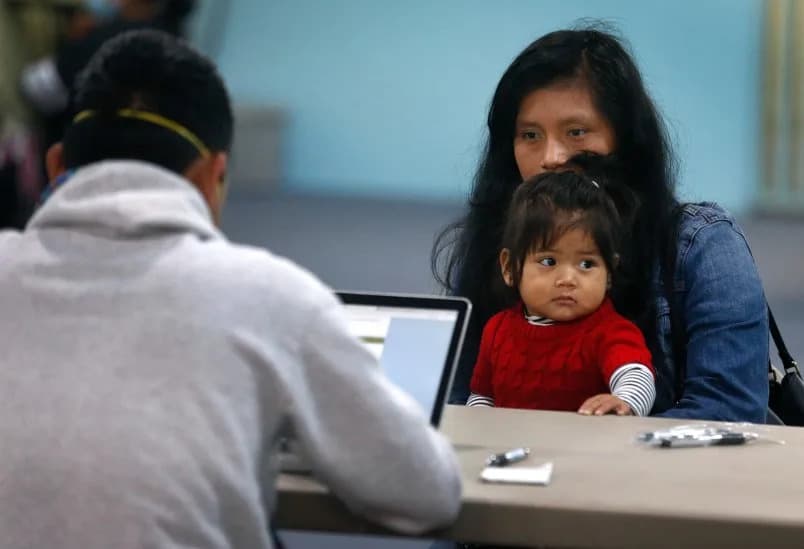
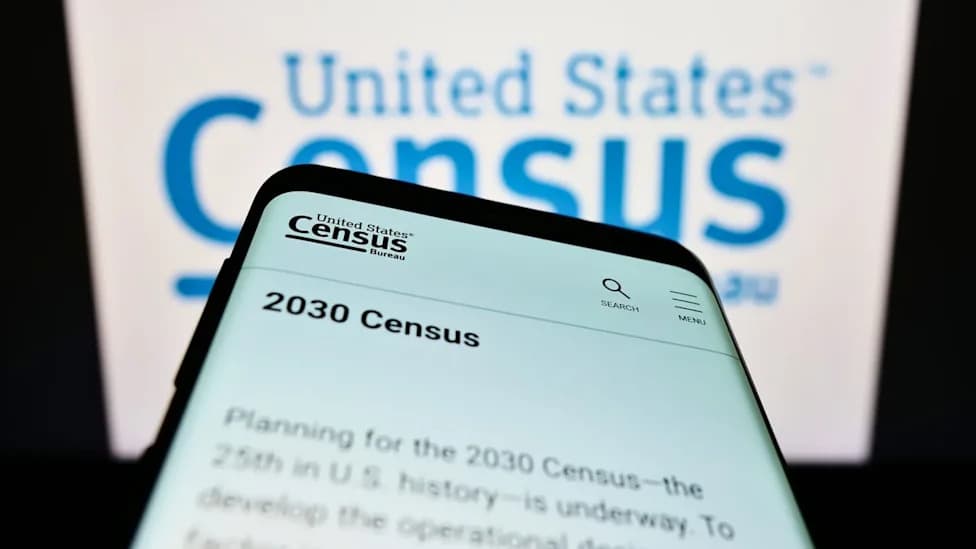
The Trump administration has proposed a rule to redefine "usual residence" for the 2030 census that would exclude undocumented immigrants — and possibly others with "less durable" immigration status — from apportionment totals. The proposal also suggests trimming questions on race, ethnicity and sexual orientation. Critics warn the changes could be difficult for a future administration to reverse because of statutory deadlines and the census' decade-long planning process, and they anticipate constitutional legal challenges.
Trump Rule Could Reshape the 2030 Census — Excluding Immigrants From Apportionment

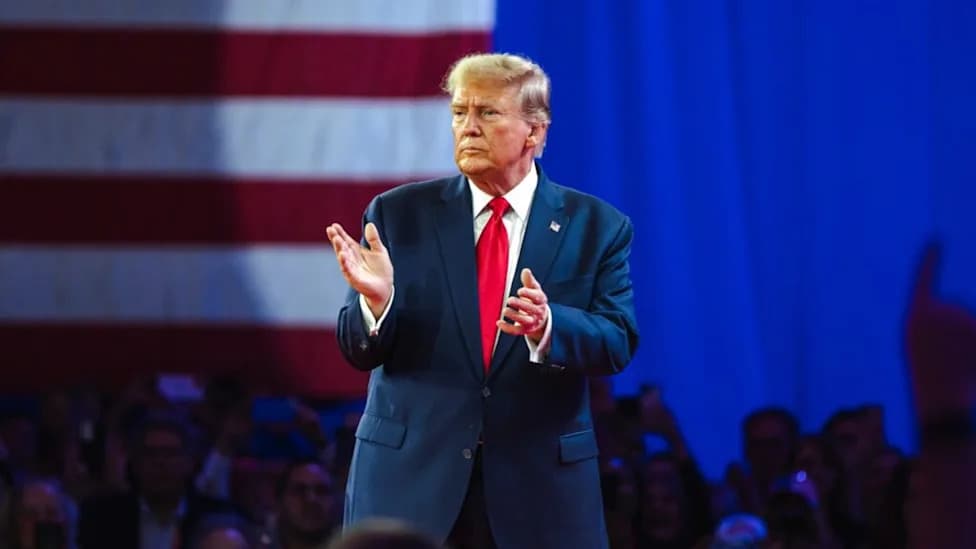
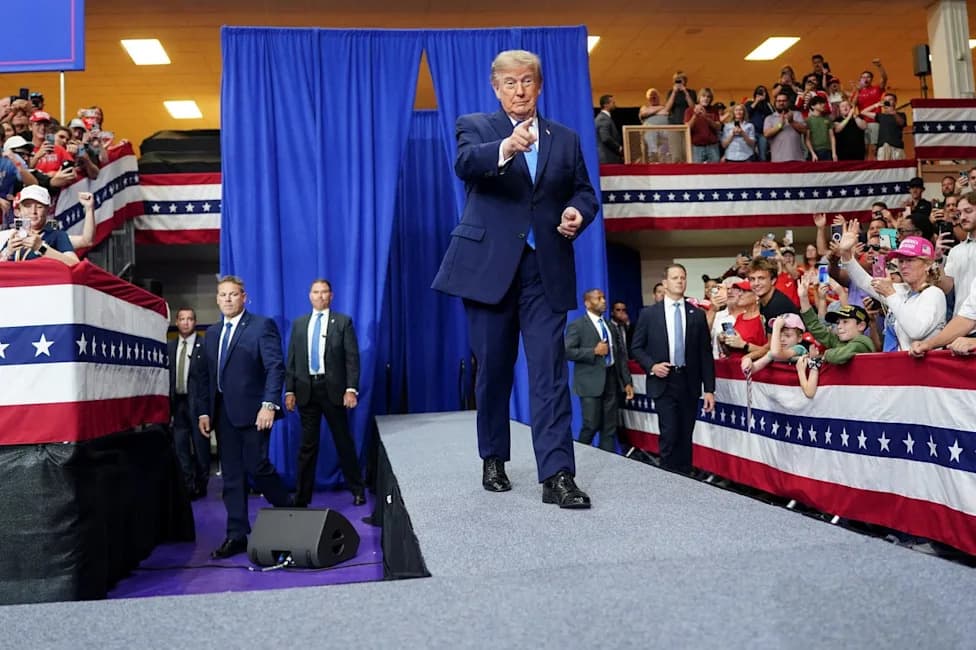
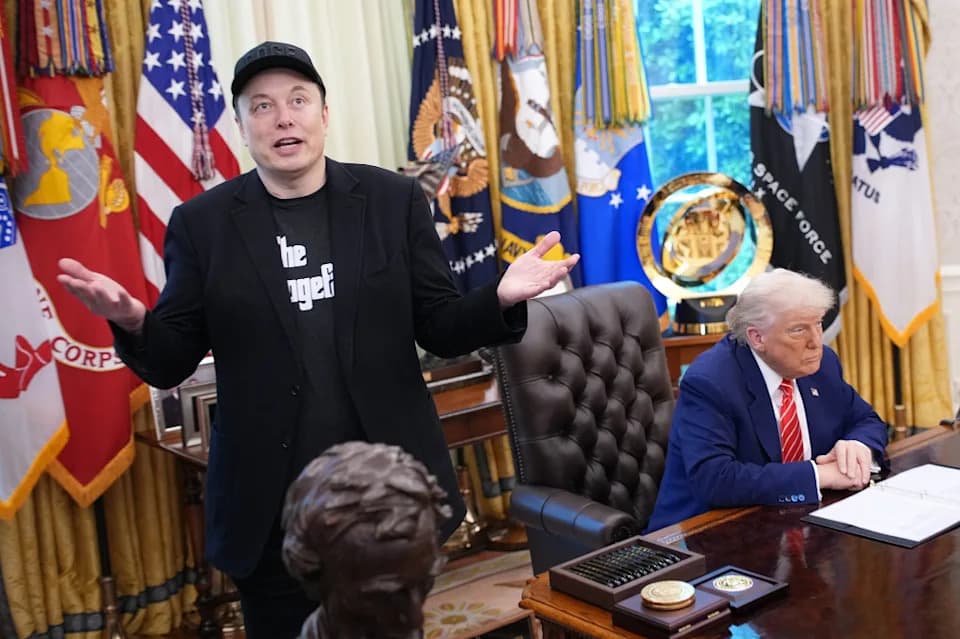
Trump won’t be in the White House during the next census. But his directives could outlast his presidency.
The White House's proposed rule to redefine who is counted in the 2030 decennial census would, if finalized, fundamentally change how congressional seats are apportioned and how billions in federal funds are distributed.
What the Proposal Would Do
In September the administration published a proposed rule in the Federal Register that would redefine a person's "usual residence". Under the proposal, undocumented immigrants would be excluded from the totals used to apportion seats in the U.S. House of Representatives on the grounds that they lack "a sufficient tie and allegiance to the United States." Officials have also signaled the change could extend to people whose immigration status is judged to be "less durable and indefinite" than permanent resident status — raising the possibility that some legally present residents could be excluded as well.
Broader Changes to Census Questions
The rulemaking also proposes scaling back the information collected on some census forms, including potentially removing race and ethnicity questions from the short form and eliminating questions about sexual orientation from census questionnaires.
Why Timing Matters
Census planning follows a deliberate, decade-long timetable. By law, the administration must submit broad plans three years before the count and finalize questions two years before the enumeration — deadlines that fall within the current administration's term. The first major field test for the 2030 census concluded in August; the final full "dress rehearsal" is scheduled for 2028. Former Census Bureau officials warn that these deadlines and the long development cycle could make it difficult for a future administration to reverse course quickly.
"The decennial census is a big, big boat, and if you suddenly want to make a left turn, it's hard to do that," said Tori Velkoff, former Chief Demographer and Associate Director for Demographic Programs at the Census Bureau.
Legal And Political Consequences
Legal experts say excluding certain immigrants from the census would raise fundamental constitutional questions. Adriel Cepeda Derieux, deputy director of the Voting Rights Project at the ACLU, contends the move would conflict with the Enumeration Clause and the 14th Amendment, which refers to counting "persons," not "citizens." Civil-rights groups and other critics are preparing for legal challenges should the rule move forward.
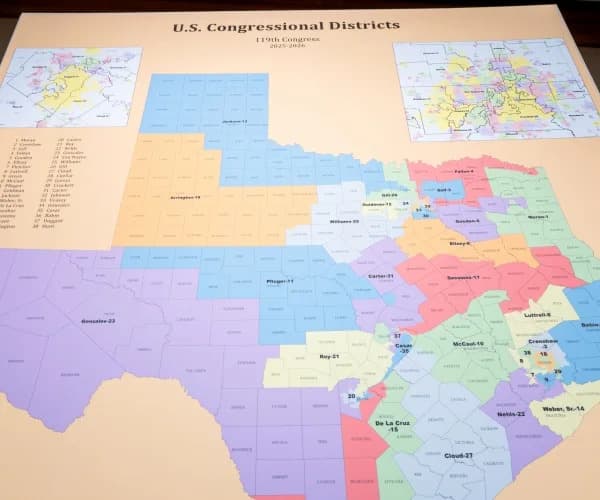
Advocates warn that changing who is counted would have sweeping political effects: the decennial census determines both federal funding allocations and the apportionment of House seats, so removing populations that have historically been included could reshape the congressional map.
"If you don't measure it, then you can erase people. Data is power," Velkoff said.
Context And Precedent
The proposal follows an earlier, high-profile effort during Trump's first term to add a citizenship question to the 2020 census; the Supreme Court blocked that attempt, in part for procedural reasons. Officials now appear to be pursuing formal rulemaking procedures, which experts say may make the process harder to undo quickly.
The White House, the Census Bureau and the Commerce Department did not respond to requests for comment.
Bottom line: The proposed rule represents an unprecedented shift from decades of census practice and could have far-reaching legal and political consequences if finalized.
Help us improve.