The 2026 Nobel season runs October 5–12, with the Physiology or Medicine Prize announced Monday at 11:30 am (0930 GMT). Research on appetite‑regulating hormones—especially the GLP‑1 pathway behind drugs like Ozempic and Mounjaro—is a top contender. Other possibilities include skin stem‑cell biology, optical coherence tomography, immunology discoveries, and advances in cancer and DNA sequencing. The Peace Prize, announced in Oslo on Friday, is expected to favour a broadly supported recipient after last year’s controversy.
GLP‑1 and Weight‑Loss Drug Research Tipped for 2026 Medicine Nobel as Prize Week Opens
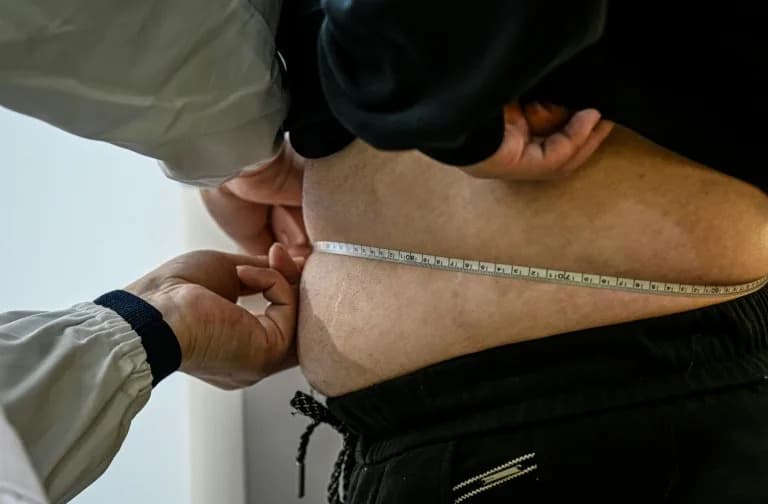
Weight-loss drugs have had an 'enormous worldwide clinical impact' (Jade GAO)
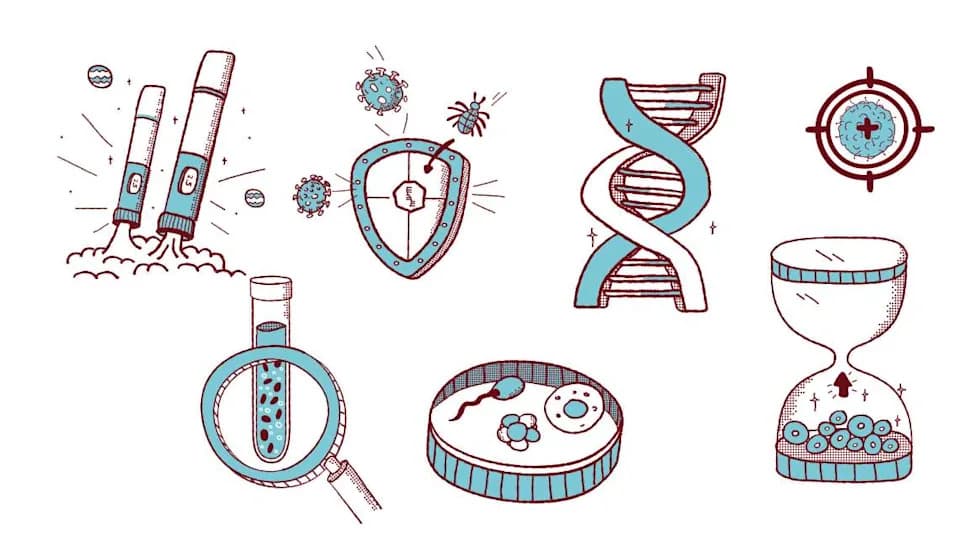
As the 2026 Nobel season opens on October 5, research into hormones that control appetite—especially work on glucagon-like peptide 1 (GLP‑1)—is widely regarded as a leading contender for the Nobel Prize in Physiology or Medicine. The announcement for the medicine prize is scheduled for Monday at 11:30 am (0930 GMT).
Why GLP‑1 Research Is In The Spotlight
Drugs that mimic the GLP‑1 pathway, such as Ozempic and Mounjaro, have had a major global clinical impact by improving blood sugar control in diabetes and promoting significant weight loss. Data analytics firm Clarivate, which tracks citation patterns to identify leading candidates, places GLP‑1–related discoveries near the top of its list. David Pendlebury, who leads Clarivate’s research analysis, told reporters that the pathway’s wide clinical implications make it a strong contender.
Researchers Often Mentioned
Many scientists contributed foundational work on appetite regulation. Names frequently cited in media and expert speculation include Canadian endocrinologist Daniel Drucker, Danish physician Jens Juul Holst, and Yugoslav‑born American chemist Svetlana Mojsov, all credited with key discoveries about hormones that influence hunger and satiety.
Other Possible Directions
If the Nobel committee opts for a different area, commentators point to several alternatives:
- Stem cell research in skin regeneration — Leaders such as American cell biologist Elaine Fuchs and British scientist Fiona Watt have advanced understanding of how skin heals and renews itself.
- Optical coherence tomography (OCT) — A non‑invasive imaging technique that produces high‑resolution cross‑sectional images of tissues like the retina, improving diagnosis and monitoring of eye disease.
- Immunology of adhesion receptors — Work by US immunologist Timothy Springer identified receptors that help immune cells stick to blood vessels and reach sites of infection, informing therapies for inflammatory and autoimmune disorders.
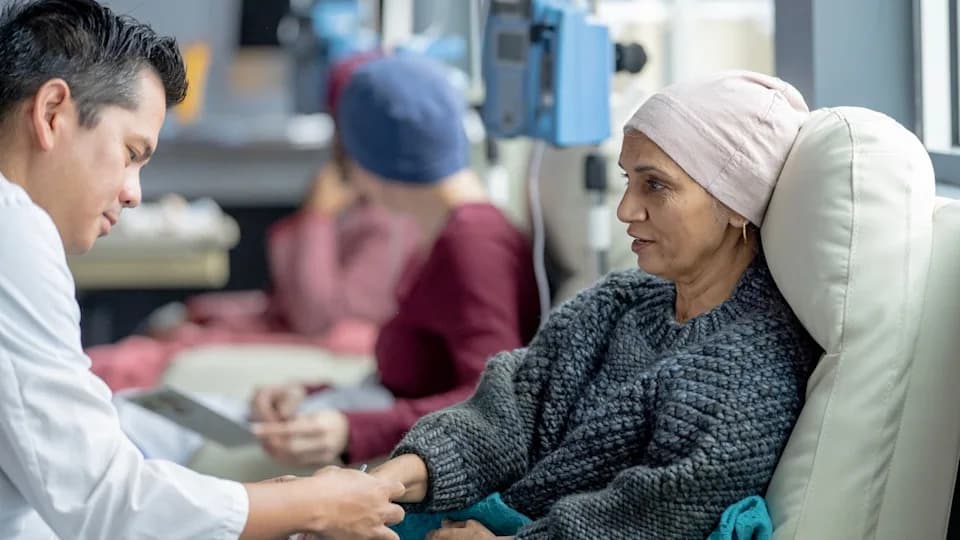
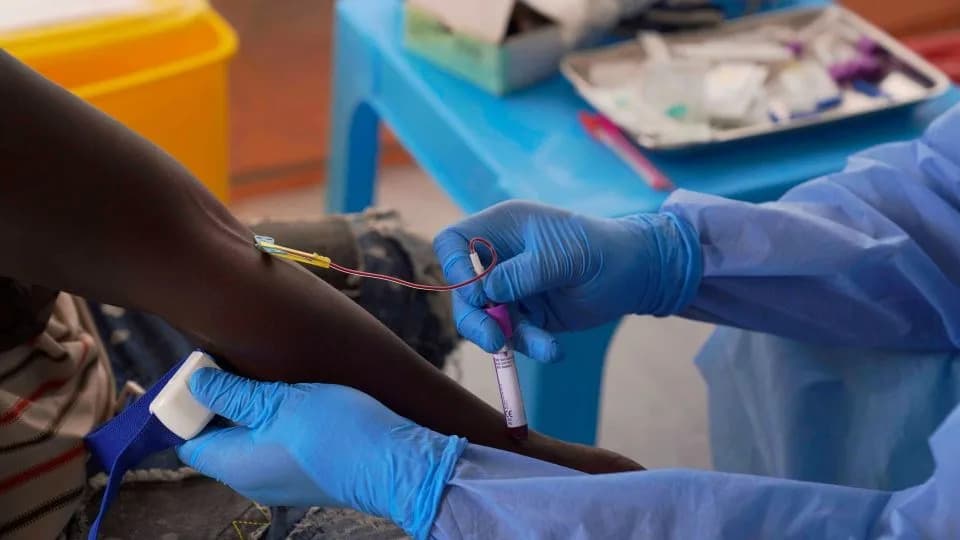
- Other biomedical advances — Contributions in breast cancer research and DNA sequencing methods that aided the COVID‑19 response are also under consideration.
What’s Next in Nobel Week
The Nobel announcements continue through the week: physics on Tuesday, chemistry on Wednesday and literature on Thursday. Some pundits expect the Swedish Academy might choose a woman writer this year after last year’s selection of Hungary’s László Krasznahorkai; Argentine novelist Samanta Schweblin is among those suggested.
All Eyes On The Peace Prize
The Nobel Peace Prize, awarded in Oslo on Friday, is attracting particular attention after last year’s contentious choice of Venezuelan opposition leader María Corina Machado. That award prompted intense lobbying—US President Donald Trump was publicly involved—and the committee says it is accustomed to external pressure. Possible peace laureates this year include a joint prize for Save the Children and Ukrainian children’s rights campaigner Mykola Kuleba, Sudan’s volunteer network Emergency Response Rooms (ERR), and the Committee to Protect Journalists (CPJ) following a deadly year for reporters in 2025.
The Nobel season closes on October 12 with the economics prize.
Help us improve.