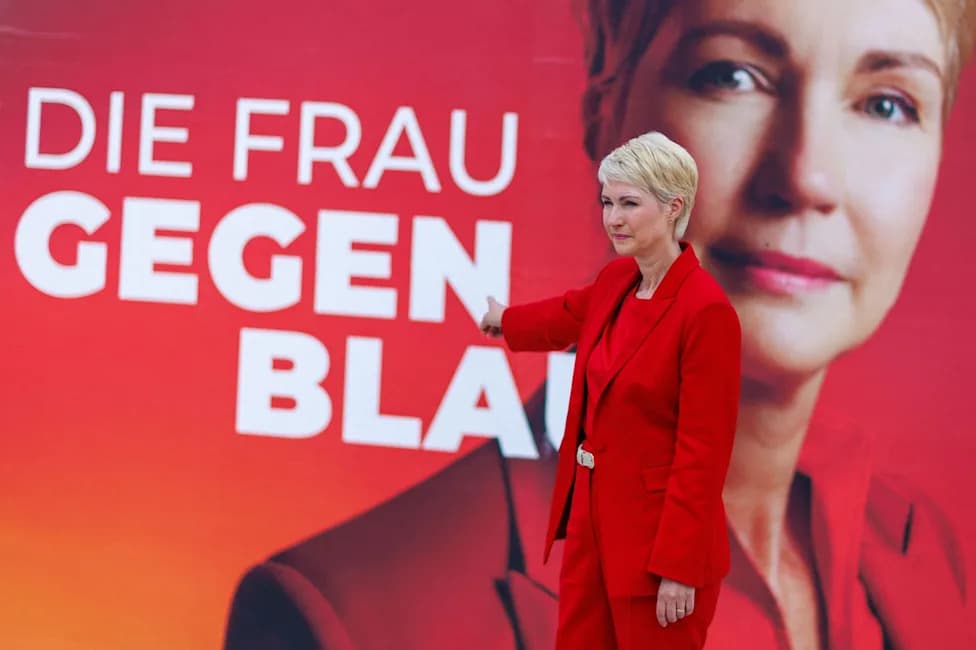
The far‑right AfD is making a last push to become the largest party in Mecklenburg‑Vorpommern ahead of Sunday's vote, campaigning strongly in Demmin. A ZDF Politbarometer shows the SPD narrowly ahead at 37% versus the AfD's 36%, with The Left 9%, CDU 6%, Greens 5% and BSW 4%. The result follows the AfD's recent victory in Saxony‑Anhalt and, together with Berlin's vote, closes a series of five state elections that have exposed public unease with Chancellor Friedrich Merz's coalition.
AfD Makes Final Push to Top Mecklenburg‑Vorpommern Polls as Vote Nears
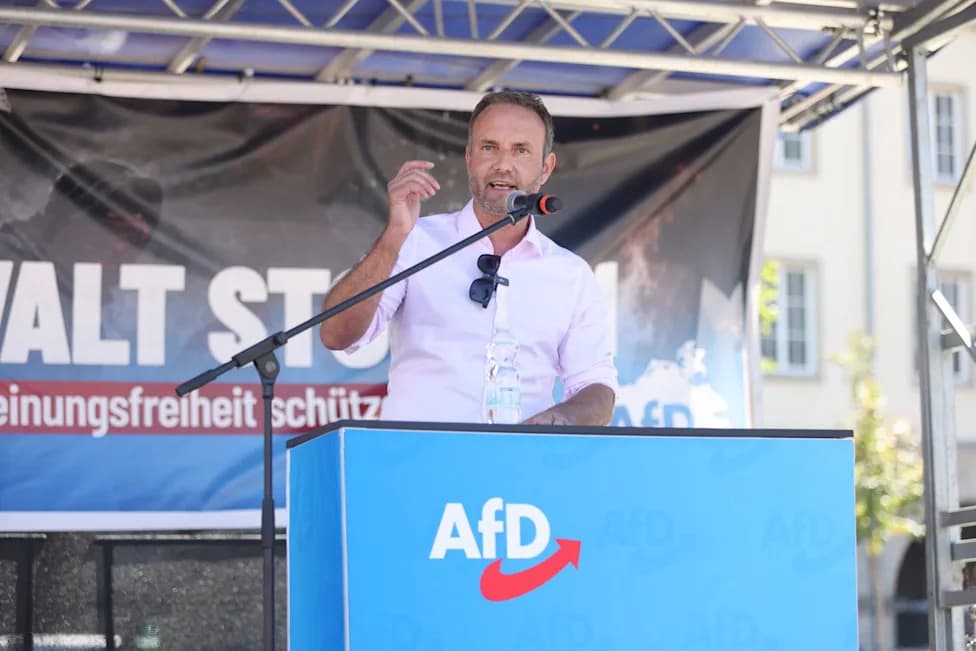
FILE PHOTO - Enrico Schult, the Alternative for Germany (AfD) top candidate for the 2026 state election in Mecklenburg-Western Pomerania. (is associated with: «AfD makes final push for first place in Mecklenburg-Vorpommern vote») Danny Gohlke/dpa
Germany's far‑right Alternative for Germany (AfD) is mounting a final campaign drive to finish as the strongest party in the north‑eastern state of Mecklenburg‑Vorpommern ahead of Sunday's state election.
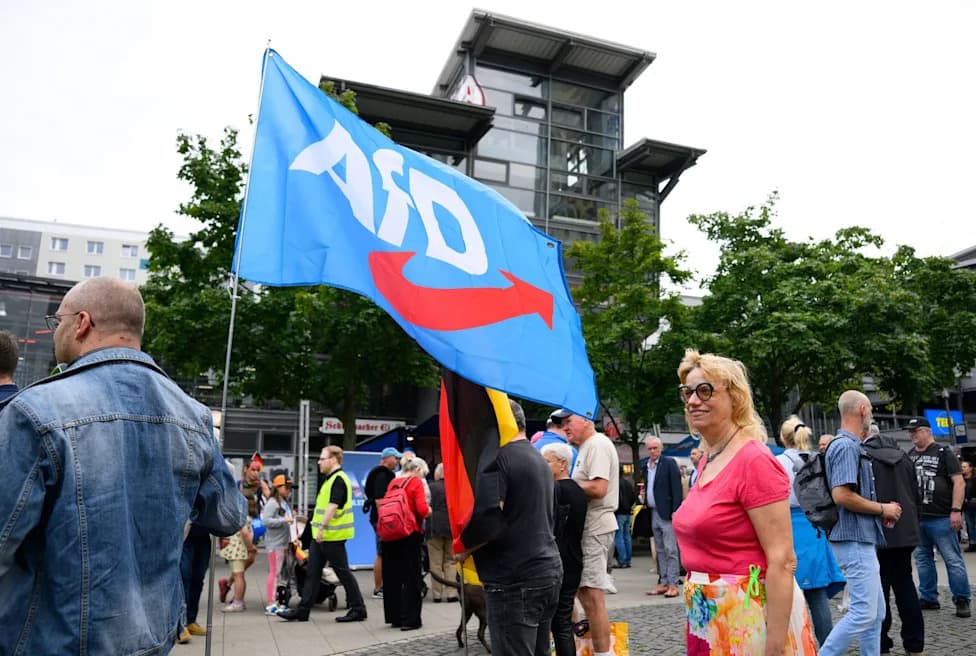
At the party's closing rally in Demmin, lead candidate Enrico Schult urged supporters to stay calm despite tight polls. "We want to turn this state blue. Don't let the poll numbers unsettle you," he said, adding: "We in the AfD are champing at the bit. We want to take on responsibility in government."
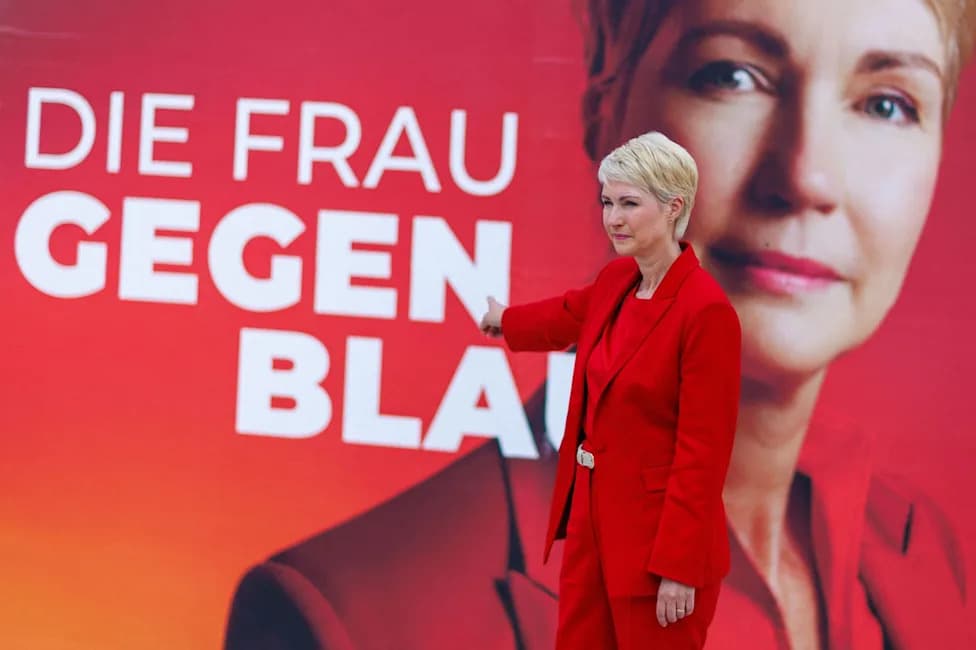
The latest ZDF Politbarometer survey puts the centre‑left Social Democrats (SPD) narrowly in front with 37%, followed by the AfD at 36%. The Left stands at 9%, the Christian Democrats (CDU) at 6%, the Greens at 5% and the Sahra Wagenknecht Alliance (BSW) at 4%.
Context
Sunday's ballot comes two weeks after the AfD's decisive win in Saxony‑Anhalt and coincides with a separate vote in Berlin. These two contests conclude a run of five state elections this year that have highlighted voter unease with Chancellor Friedrich Merz's coalition government.
What To Watch
Analysts will be tracking not only which party finishes first, but also how coalition math shifts in the state parliament and whether the AfD's momentum in eastern states translates into governing influence.
Why it matters: A strong AfD showing would deepen questions about the trajectory of German regional politics and the stability of the national coalition, while a narrow SPD lead would demonstrate continued resilience for the centre‑left in some regions.
Help us improve.