Public Citizen has asked the FCC and FTC to block three White House television ads it says unlawfully use taxpayer funds to promote Donald Trump, arguing the spots amount to government propaganda. The ads — reportedly produced inside the White House and paid for by U.S. Customs and Border Protection — have aired more than 90 times on national networks and are estimated to have cost over $1 million. The White House defends the films as public service announcements and cites historical precedent, while advocates say they do not meet PSA standards and function as partisan campaign ads.
Regulators Urged To Block Taxpayer-Funded Trump Ads That Critics Call Illegal Propaganda
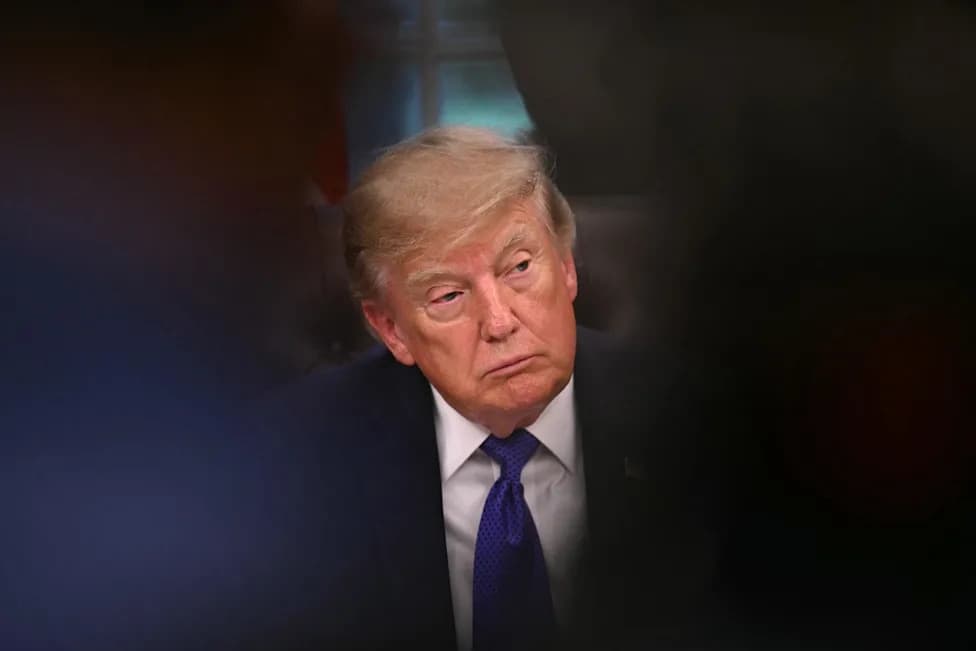
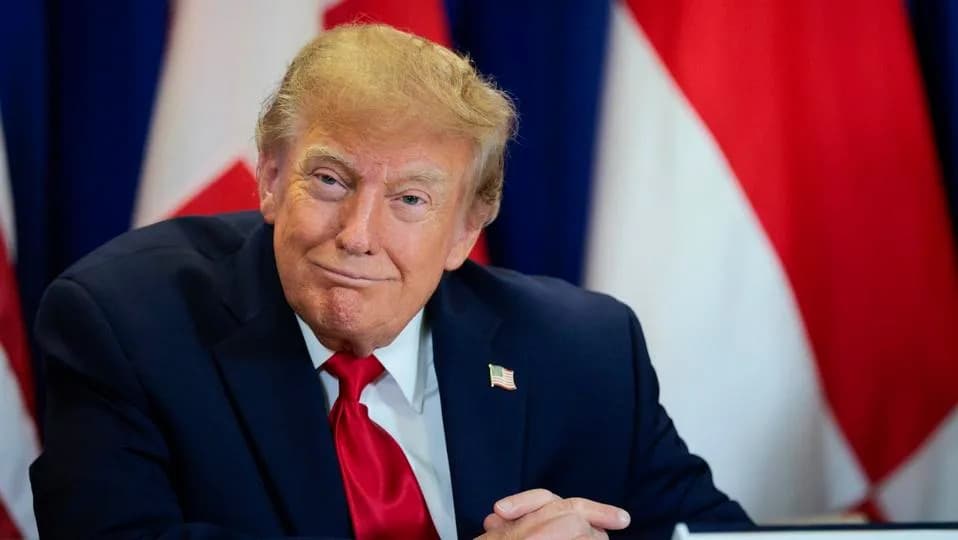
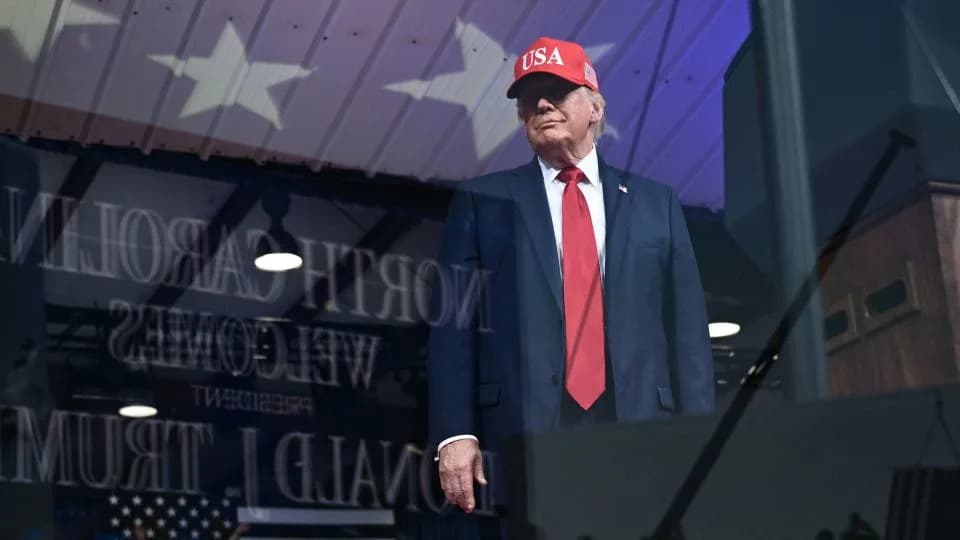
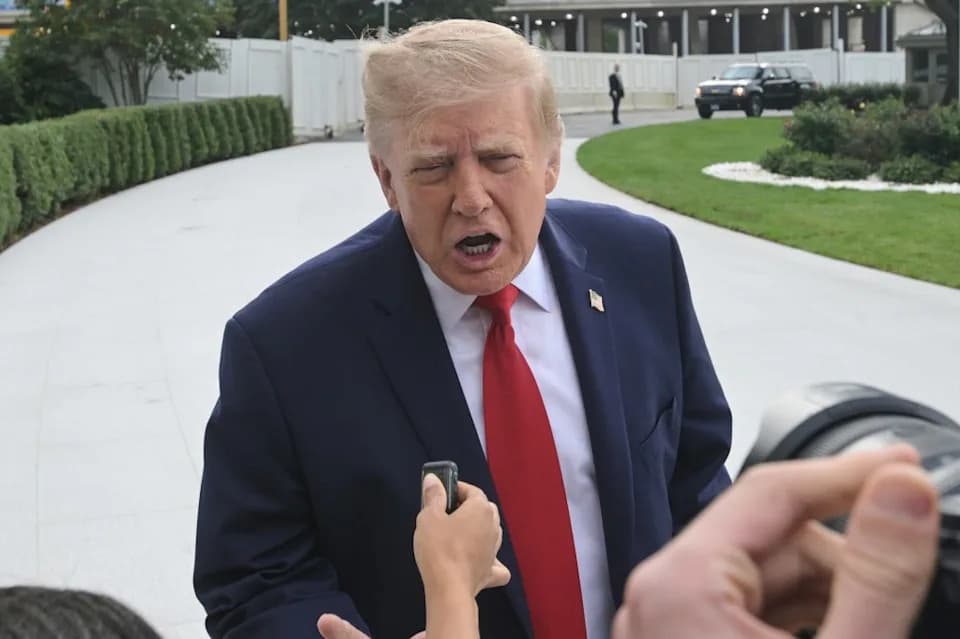
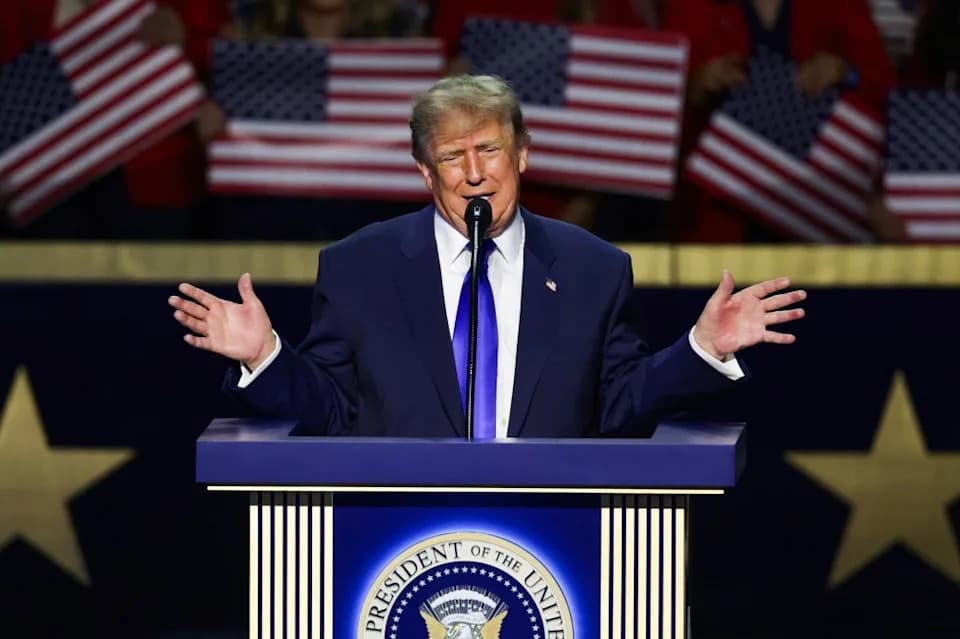
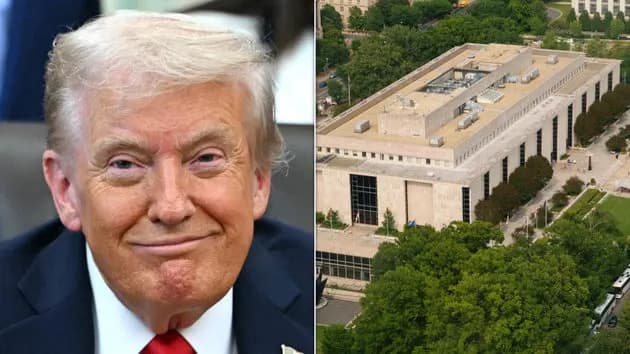
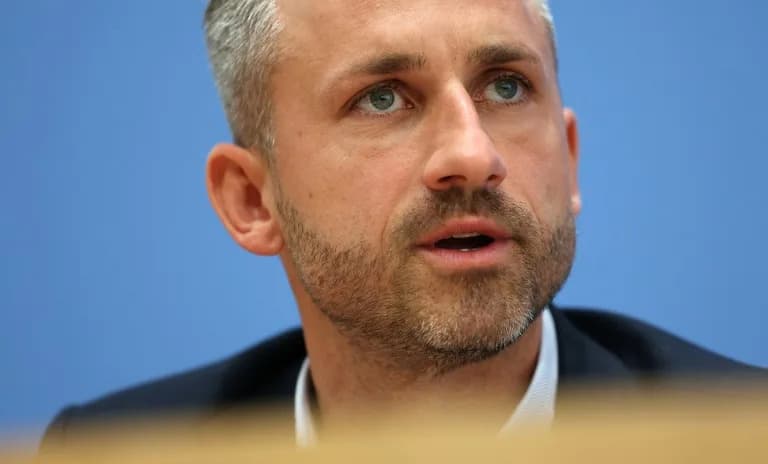
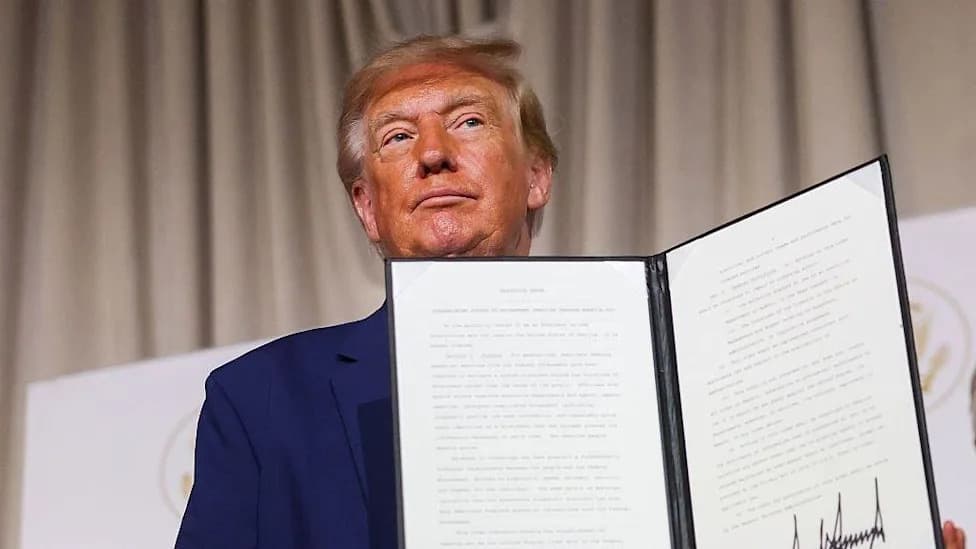
Advocacy group says ads were 'designed to boost the image and character of Donald Trump' as part of the Republicans' campaign for November's midterm elections.Photograph: Kent Nishimura/AFP/Getty Images
Advocates and watchdogs have asked federal regulators to halt a series of White House television spots they say use taxpayer money to promote President Donald Trump and therefore violate federal prohibitions on government propaganda.
Public Citizen, a long-standing public-interest group, sent a formal letter to the Federal Communications Commission (FCC) and the Federal Trade Commission (FTC) asking both agencies to intervene and order broadcasters to stop airing three advertisements that the group says were "designed to boost the image and character of Donald Trump" ahead of November's midterm elections.
"Federal law explicitly prohibits using appropriated public funds for government propaganda, self-aggrandizement, or partisan political advertising," Public Citizen wrote, arguing the ads fit that description.
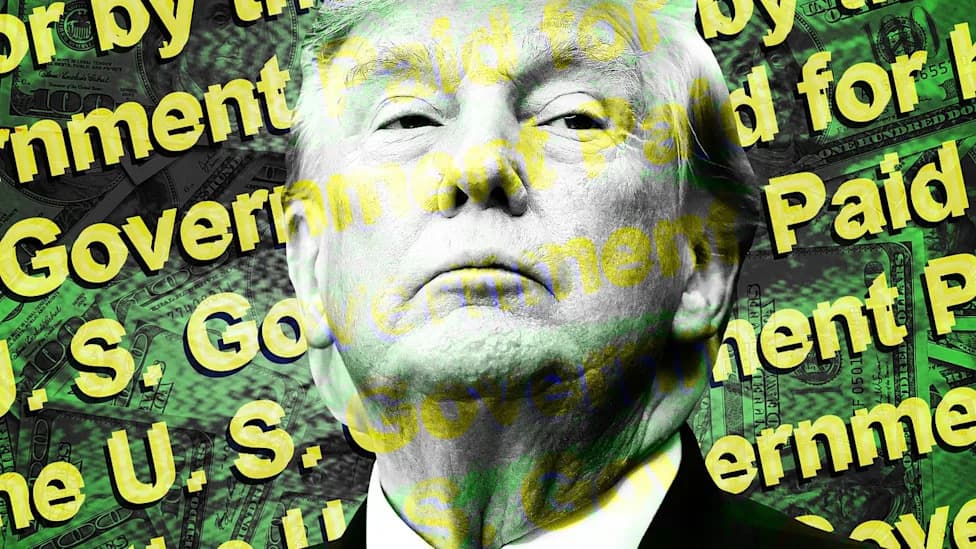
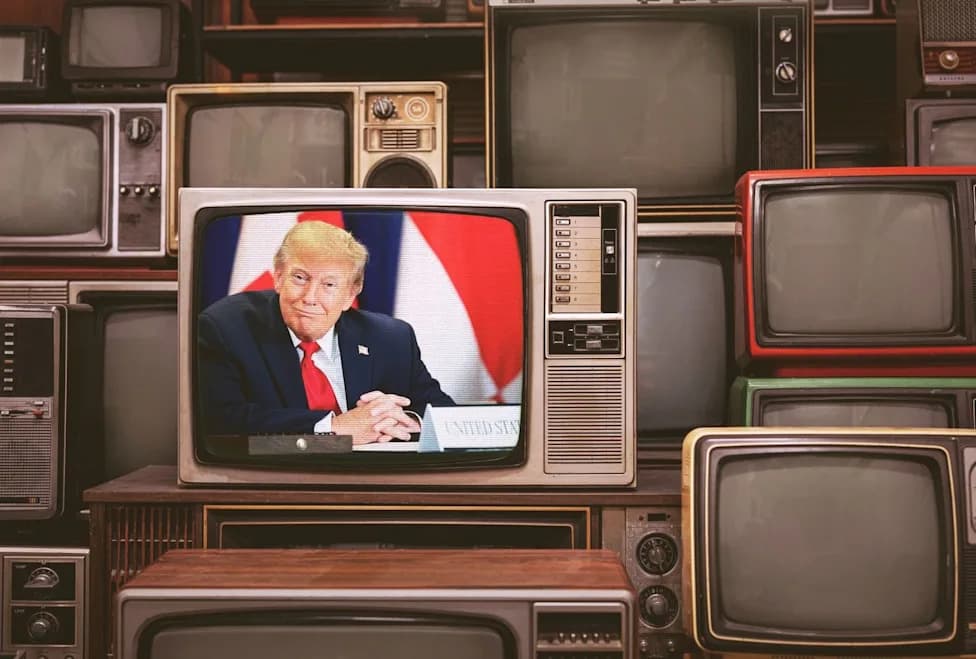
According to reporting by the Wall Street Journal and Axios, the spots were produced inside the White House and reportedly funded through U.S. Customs and Border Protection (CBP), an agency within the Department of Homeland Security (DHS). Public Citizen says the three commercials have aired more than 90 times on national networks — including Fox, Newsmax, MSNBC and CBS — and estimates the cost so far at over $1 million.
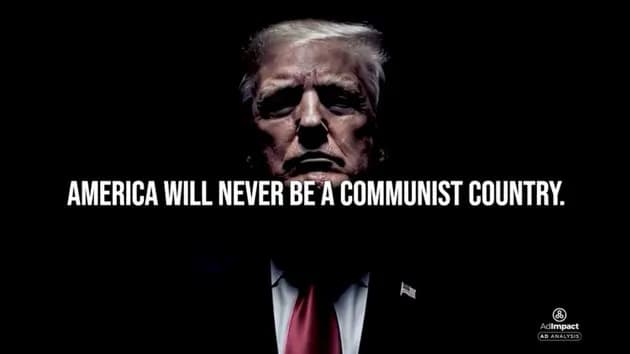
One ad is a reuse of a 2024 campaign commercial featuring black-and-white footage of Mr. Trump walking while his voice intones "the final battle" and attacks the political class and the news media; the only change is a caption indicating it was "paid for by the US government." Another pairs images of the president at events with his declaration that "America will never be a communist country," set to a choral rendition of "Love Me." A third highlights images of Mount Rushmore as Mr. Trump proclaims American exceptionalism.
Public Citizen emphasizes that broadcasters are prohibited from refusing ads placed by legally qualified candidates, but it contends that protection does not apply here because Donald Trump is not a declared candidate for any office on the November ballot. The group argues the spots do not meet the established standard for public service announcements because they do not promote any specific government program or convey information about government services.
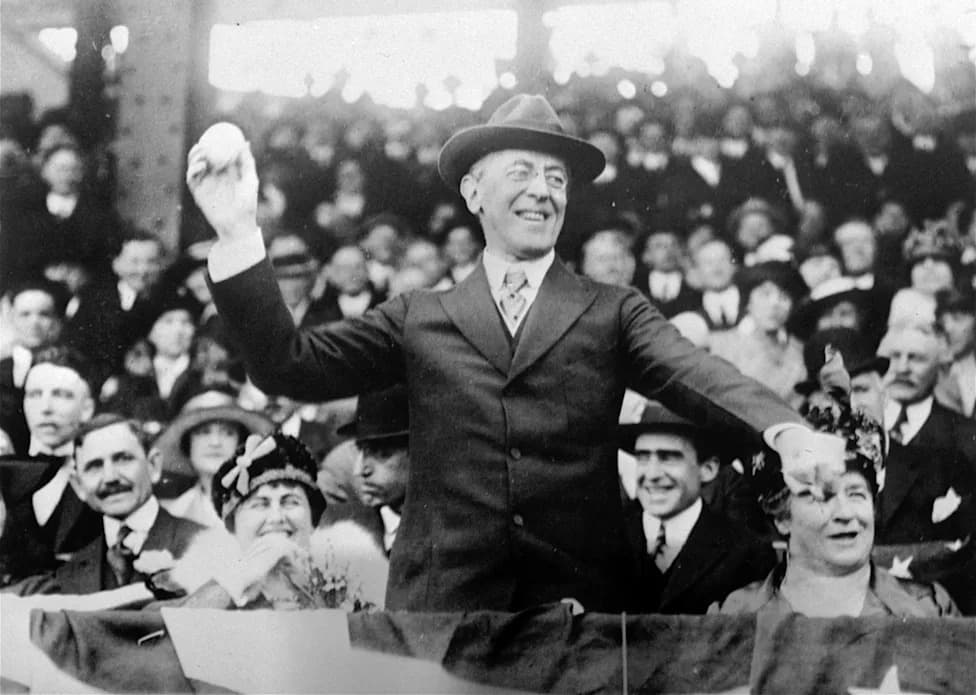
The White House has defended the commercials, labeling them "public service announcements," posting a webpage to justify their use and noting historical precedents for presidential public messages going back to World War I and II administrations and subsequent presidents. In its statement, the White House said the spots "are very clearly not campaign ads; President Trump is not on the ballot and there is no call to action," adding they are meant to remind Americans "to love their country and know why it's worth defending — at home, at the border, and abroad."
The matter follows earlier controversy over DHS advertising this year, when a roughly $200 million campaign was criticized for allegedly promoting former homeland security secretary Kristi Noem. Public and congressional scrutiny of that effort contributed to broader questions about the boundaries between official public messaging and partisan promotion.
Public Citizen asked both the FCC and FTC to direct broadcasters to cease transmission of the challenged spots and urged individual stations to voluntarily stop airing them while the agencies consider the legal issues. The Guardian contacted the FCC and FTC for comment; both agencies had not provided public responses at the time of reporting.
Why it matters: The dispute raises questions about the limits on using taxpayer funds for messaging from the executive branch, the legal definition of a public service announcement versus partisan content, and the responsibilities of broadcasters and regulators to uphold prohibitions on government-funded political advertising.
Help us improve.