DiSSCo UK is building a digital natural history 'super‑museum' by using robots and AI to digitise roughly 70 million specimens from around 100 UK institutions. The programme aims to complete in about a decade what would otherwise take centuries, prioritising small but information‑rich insects and plants in its opening phase in Wales and Scotland. Aggregated and searchable data will help researchers reconstruct environmental change and improve predictions for biodiversity, climate and resource needs, while remaining accessible to the public.
How AI and Robotics Are Building the UK’s Digital 'Super‑Museum' of 70 Million Specimens
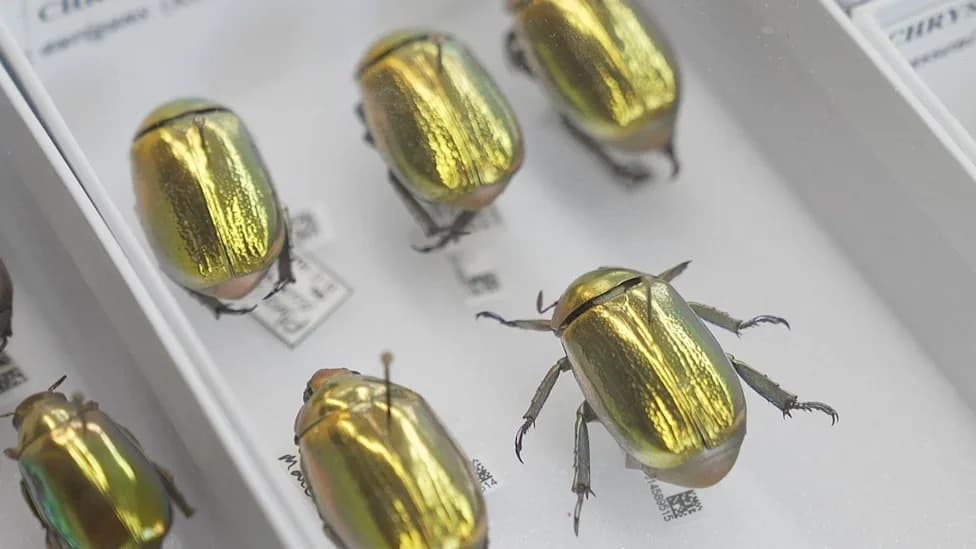
Beetles that look as if they are gold plated are among the millions of specimens that will be available to view online [Kevin Church/BBC]
Researchers across the UK are using robotics and artificial intelligence to create a vast online natural history resource that will make roughly 70 million specimens — animals, plants, fossils and rocks — viewable from phones and computers. The initiative, called the Distributed System of Scientific Collections (DiSSCo UK), promises to compress centuries of manual digitisation into about a decade and open previously inaccessible collections to scientists and the public.
How It Works
Teams at about 100 museums, botanic gardens, universities and other institutions are deploying automated imaging systems and AI tools to photograph specimens and transcribe tiny, often handwritten labels. These labels frequently contain vital data about when and where a specimen was collected. According to Sarah Addezio, DiSSCo UK’s programme delivery director, automation and machine learning turn a task that would have taken hundreds of years by hand into one that can be completed in roughly ten years.
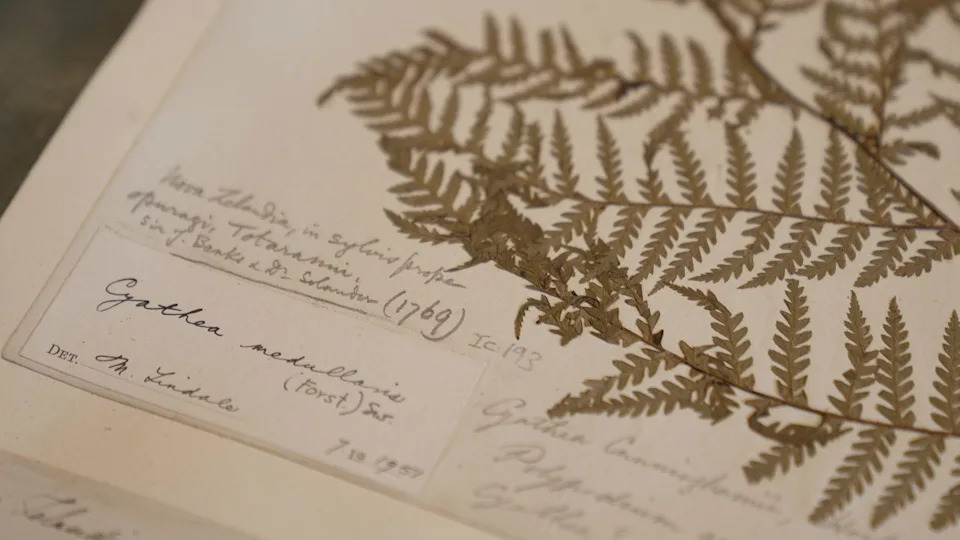
Britain's pressed plants and flowers collected over hundreds of years will form an important part of the new digital museum [Kevin Church/BBC]
Early Focus And National Coverage
The project’s opening phase begins in Wales and Scotland and prioritises small but scientifically rich material: beetles, butterflies, moths, flies, and pressed plants such as flowers and ferns. Cardiff will digitise about half a million insect and plant specimens, while the Royal Botanic Garden Edinburgh and National Museums Scotland together hold roughly 13 million specimens. When combined with dozens of smaller collections, the holdings in Scotland cover environments from sea level to mountain tops and chart two centuries of change.
Why It Matters
Every specimen is a snapshot of the past. Aggregating millions of these records and making them searchable with AI will help researchers reconstruct historical environmental change and improve models that predict future impacts on biodiversity, food security and climate. Dr Vincent Smith at the Natural History Museum says the resource will “supercharge” research by revealing long-term trends — from the Industrial Revolution to modern environmental shifts — and help scientists forecast what may happen next.
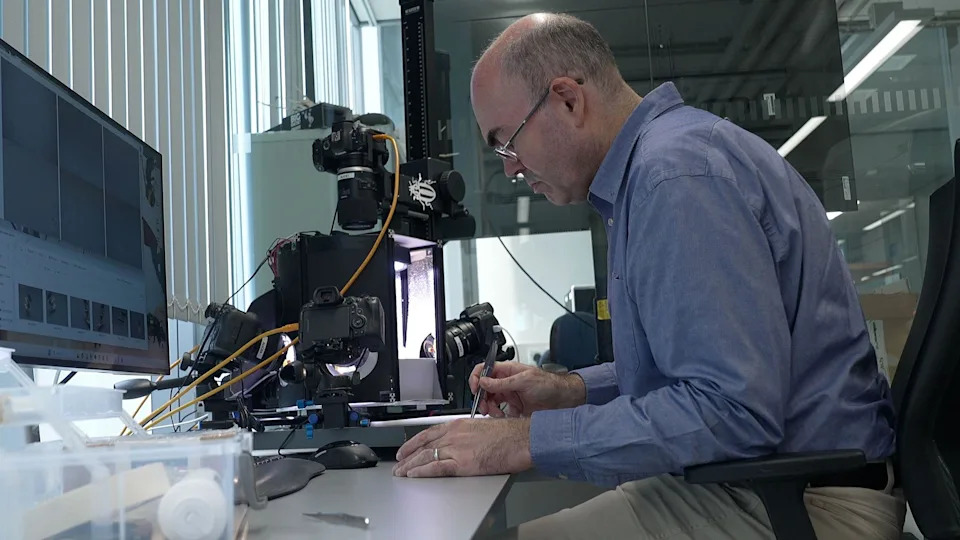
Dr Vince Smith said the digital museum will accelerate research into the natural world [Kevin Church/BBC]
Public Access And Broader Benefits
The digital museum is designed for public use as well as research. Dr Joanna Dunster of the Arts and Humanities Research Council says she plans to explore the resource with her young son. DiSSCo UK will also expand into fossils and rocks, supporting research into minerals needed for green technologies and other practical uses.
“We need to make these collections openly accessible instead of sitting where they can rarely be reached.” — Dr Joanna Dunster, AHRC
By unlocking millions of specimens and matching them with powerful AI tools, DiSSCo UK aims to transform how scientists — and the public — understand the past and prepare for future environmental and resource challenges.
Help us improve.