The White House has aired several taxpayer-funded TV ads praising President Trump, including one that reuses footage from his 2024 campaign, prompting allegations from Democrats and ethics experts that the spots may violate federal appropriations rules and the Hatch Act. Critics say the ads could amount to unlawful "propaganda" or unauthorized spending under the Antideficiency Act; the White House calls them public service announcements. Oversight by GAO or criminal prosecution is possible in theory, but political dynamics and past precedent make serious enforcement unlikely. AdImpact estimates about $1.7 million has been spent so far on the ads.
Trump Administration’s Taxpayer-Funded TV Ads Draw Legal and Ethical Fire
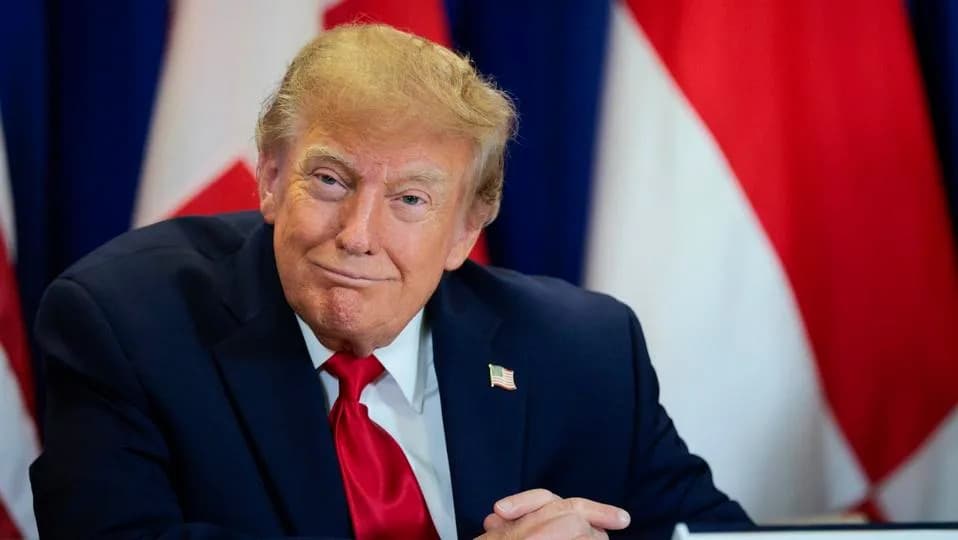
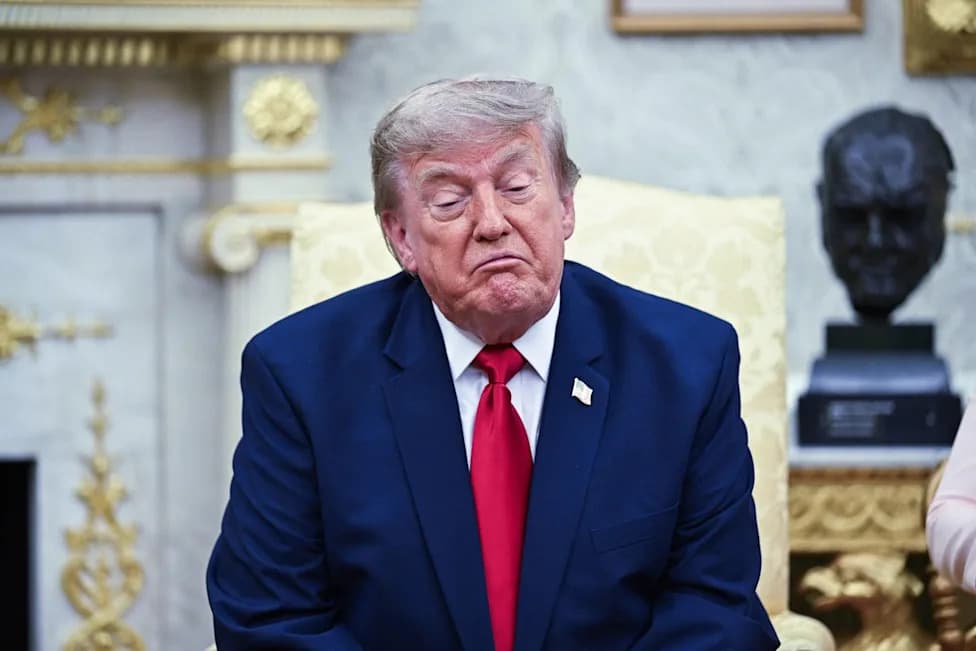
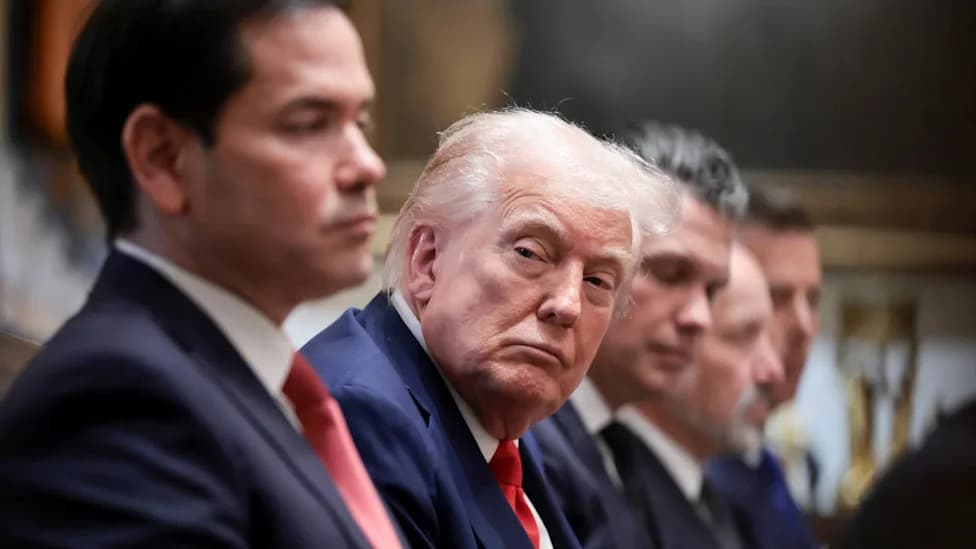
President Donald Trump looks on during the 81st session of the United Nations (U.N.) General Assembly at U.N. Headquarters on September 22 in New York City.
The White House has run multiple television ads labeled "paid for by the U.S. government" that praise President Donald Trump's record — including a spot that repurposes footage from his 2024 campaign — prompting Democrats, watchdog groups and ethics experts to contend the ads may violate federal appropriations and ethics rules.
What the Ads Show
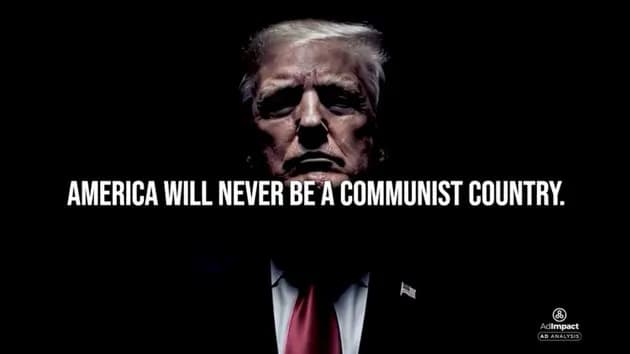
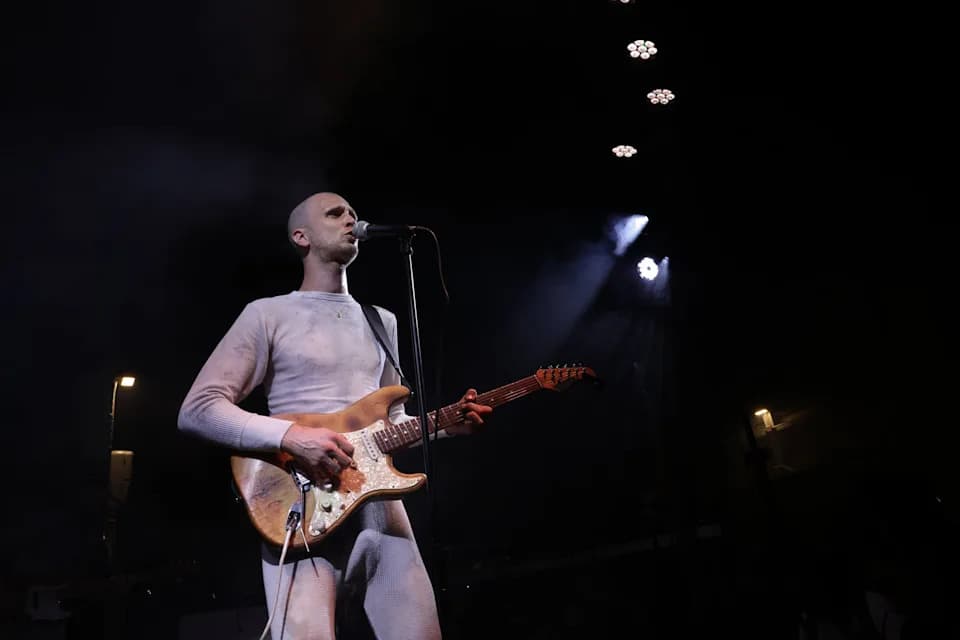
The administration released several paid spots in quick succession, some shown first on digital platforms and later on cable. One ad features images of Trump and declarations such as "America will never be a communist country," and closes with UFC president Dana White praising the president. That spot used the song "Love Me" by JMSN, whose artist said he did not authorize its use. Another ad repurposed footage from Trump's Mount Rushmore speech, while a third is a near-identical government-funded edit of a January 2024 campaign video, stripped of the campaign logo and donation solicitations and labeled as government-funded.
Legal and Ethical Concerns
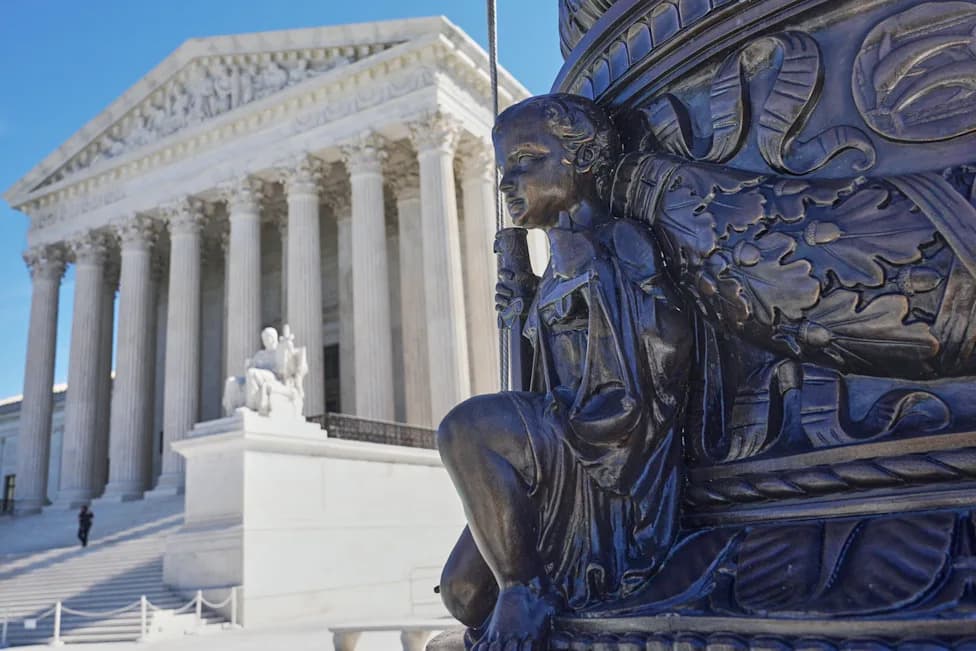
Critics argue the ads could violate a provision in annual appropriations bills that bars government funds from being used for "publicity or propaganda" within the United States unless Congress explicitly authorizes the expenditure. They also point to a statutory ban on using government money to pay a "publicity expert" absent a specific appropriation and to the Antideficiency Act, which broadly forbids spending not authorized by Congress.
Separately, watchdogs and lawmakers say the spots may breach the Hatch Act, which restricts federal employees from engaging in political activity while performing official duties. The Hatch Act does not apply to the president, so Trump could not be penalized under it, though aides who produced the ads could face administrative action if found in violation.
How Oversight Could Work
The Government Accountability Office (GAO) evaluates potential appropriations violations and has previously described unlawful government "publicity or propaganda" in three categories: purely partisan communications unrelated to agency duties; self-aggrandizing content intended to generate praise rather than inform; and covert propaganda that conceals the government's role in producing material. If GAO finds a violation, agencies must report findings and remedial steps to Congress, the president and the comptroller general.
Potential Penalties — But Enforcement Is Uncertain
Under the Antideficiency Act, officials who knowingly authorize unauthorized spending can face administrative discipline and, in extreme cases, criminal penalties — fines up to $5,000 and up to two years in prison. In practice, GAO has testified that criminal prosecutions under the Antideficiency Act have not occurred. Hatch Act violations can result in removal, suspension, or fines up to $1,000 for employees.
Political realities complicate enforcement: the GAO's next leadership and the Justice Department would play roles in any probe or criminal referral, and oversight officials are nominated with presidential input. Critics say those dynamics make serious enforcement unlikely.
Political Reaction and Spending
Democratic members of the House Appropriations Committee asked White House Chief of Staff Susie Wiles to remove and discipline staff involved in the first ad and to provide Congress with a full accounting of production and placement costs. Advertising tracker AdImpact, cited by NBC News, estimates the administration has spent roughly $1.7 million so far on these ads.
Criticism has come from across the political spectrum. Republican Sen. John Kennedy said public money should not be used to make private promotional ads for officials. The White House has defended the spots as "public service announcements" intended to celebrate the country, not to solicit votes or donations, and has pointed to past presidential communications campaigns — though some historical examples cited have themselves been scrutinized by GAO.
What To Watch Next
Key questions include whether GAO opens a formal investigation, whether the Office of Special Counsel or the Justice Department pursues enforcement, and whether Congress demands or obtains detailed accounting of the ads' production and placement costs. Legal challenges from watchdog groups or private plaintiffs are also possible.
Bottom line: The ads have raised credible legal and ethical questions under appropriations and Hatch Act rules, but political and institutional factors make aggressive enforcement — especially criminal prosecution — unlikely in the near term.
Help us improve.