Republicans are largely avoiding naming President Trump in midterm TV ads. From Sept. 1–15, GOP backers ran just 12 Trump-mention ads (~$1M) out of more than 500 spots (~$160M). Democrats ran roughly 95 Trump-focused ads in early September (~$23M), using his low approval to tie GOP candidates to him. Republicans instead emphasize policy achievements — especially tax cuts — while some battleground candidates still embrace Trump directly.
Why Republicans Are Sidestepping Trump in Midterm TV Ads — And Democrats Aren't
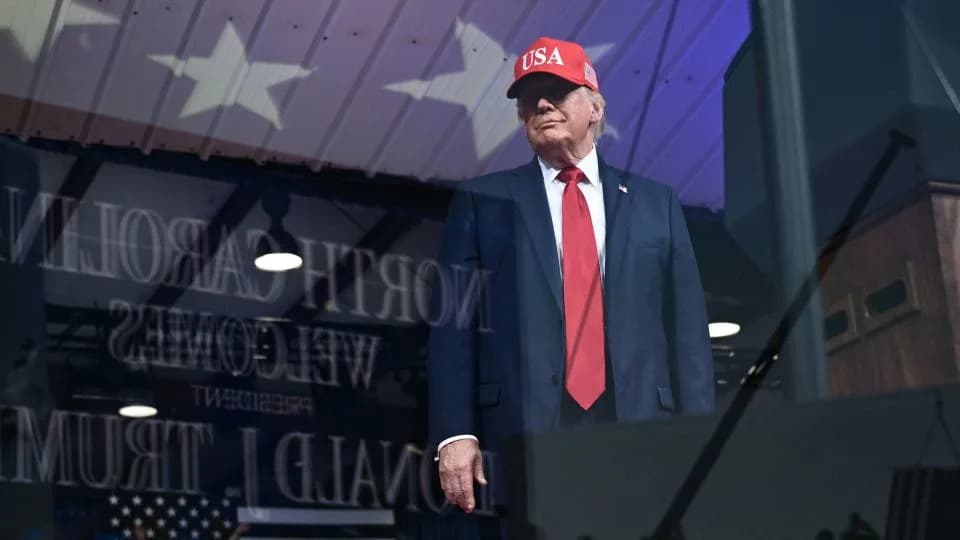
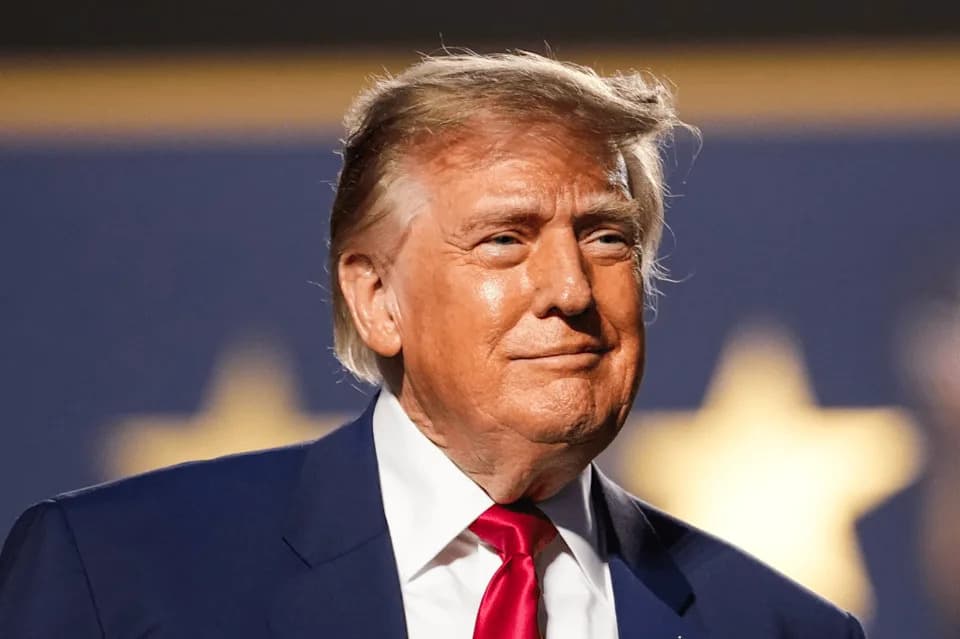
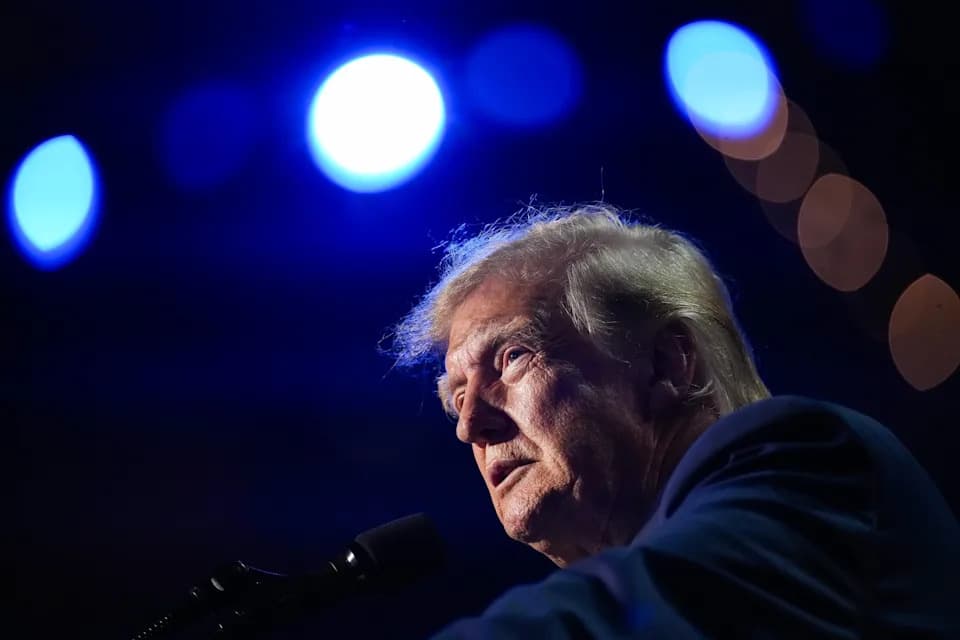
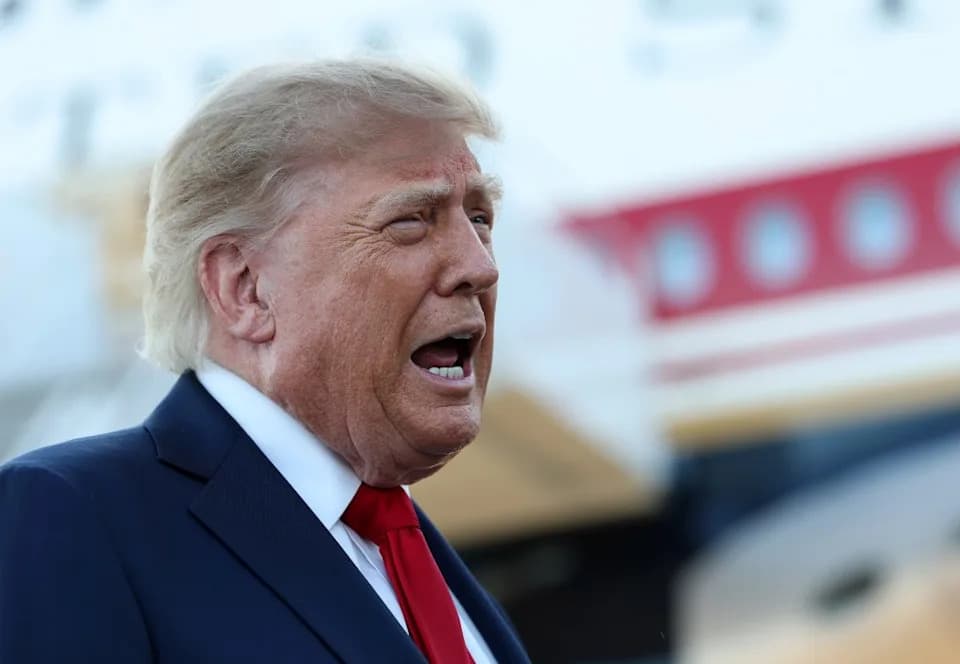
US President Donald Trump arrives at a rally in Gastonia, North Carolina, on September 16, 2026. Trump is campaigning for Republican US Senate candidate Michael Whatley. - Brendan Smialowski/AFP/Getty Images
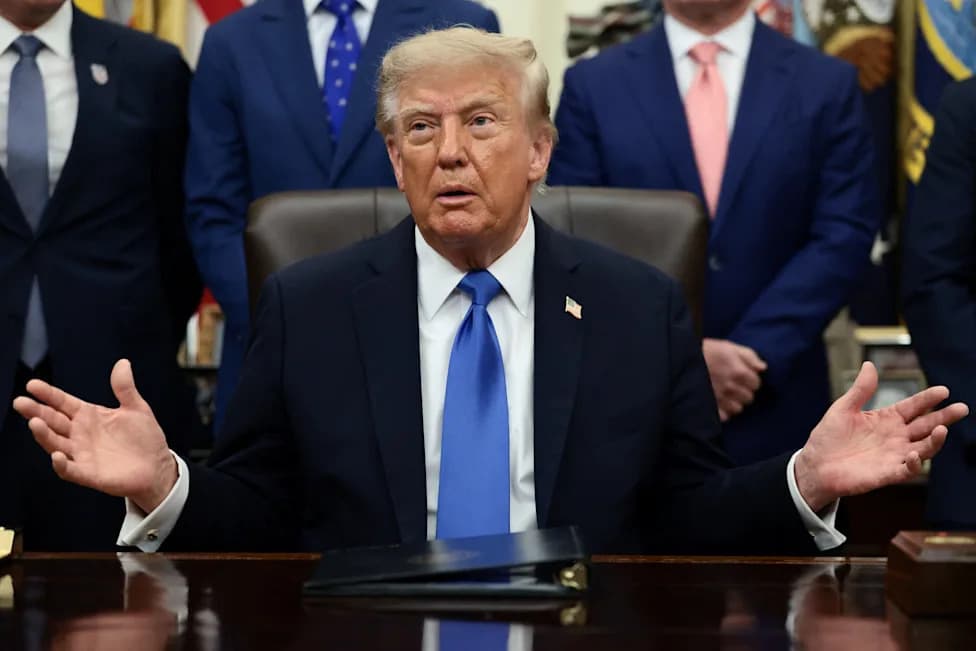
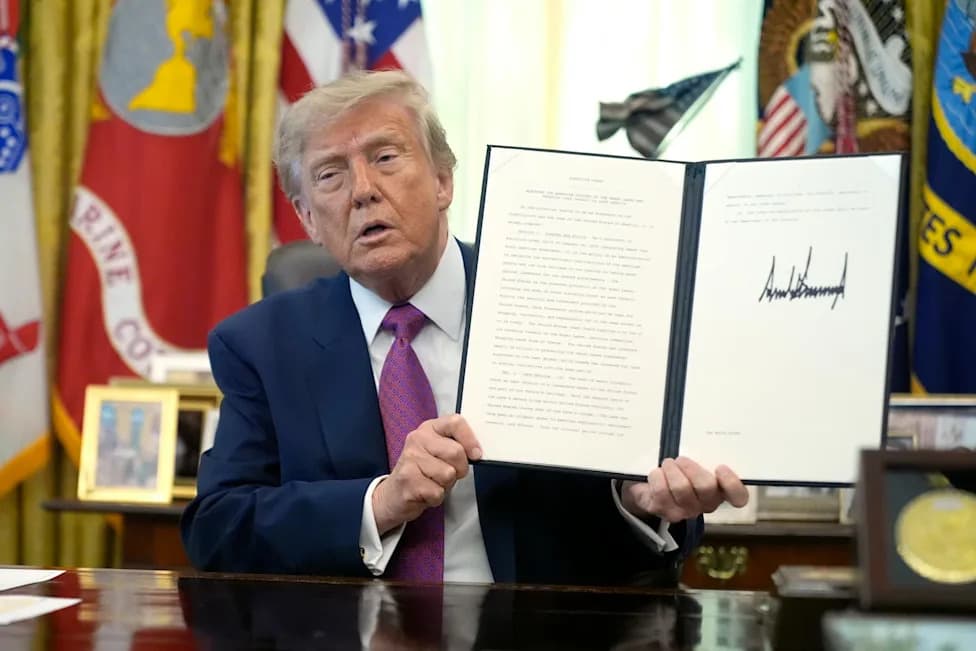
President Donald Trump remains a dominant national figure, but Republican TV advertising for the midterms is rarely making him the face of its message. A CNN analysis of AdImpact data shows Republicans mentioned Trump in just 12 TV ads from Sept. 1–15, spending roughly $1 million on those spots — a tiny fraction of more than 500 GOP ads that cost over $160 million in that same window.
What The Data Shows
Republican strategists say the party’s best path to defending its Senate majority is not to foreground Trump in broadcast creative but to define Democratic opponents and promote policy wins. According to the CNN/AdImpact review, GOP campaigns and allied groups are devoting under 1% of their TV ad budgets to spots that explicitly name Trump.
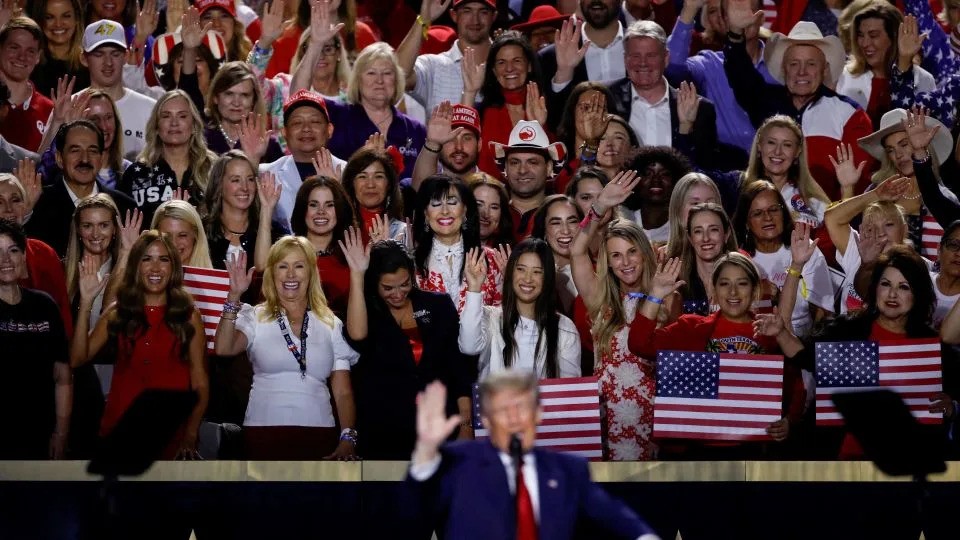
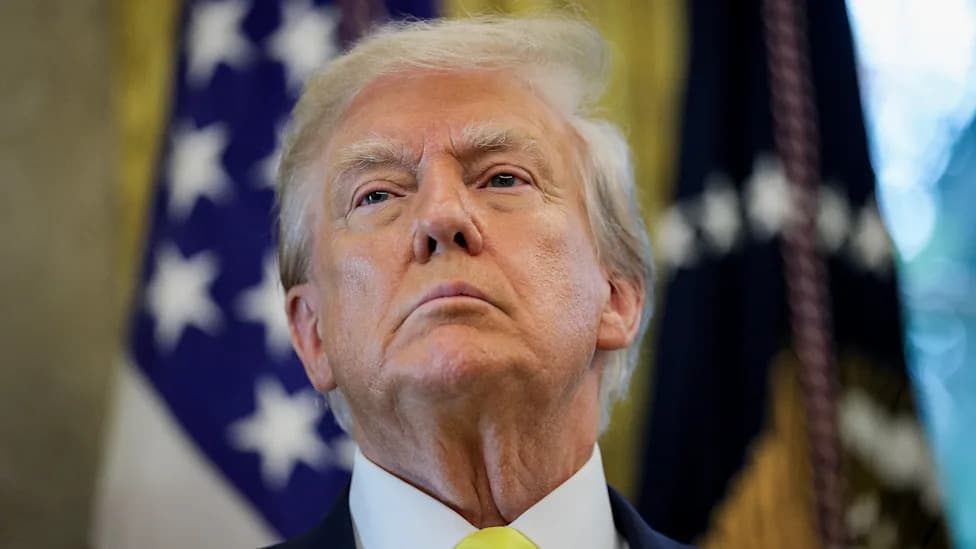
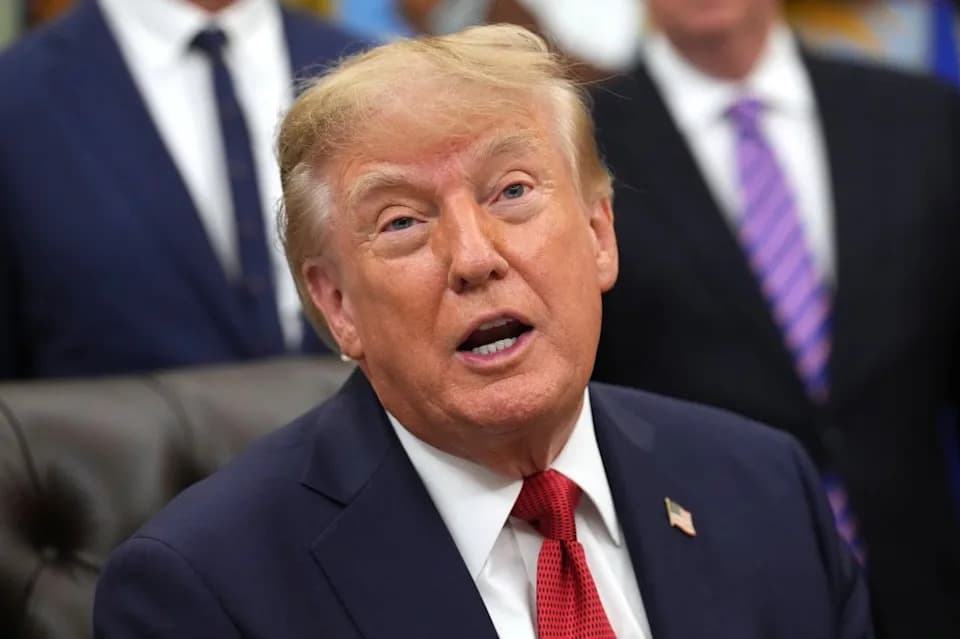
President Donald Trump leads supporters in an oath to vote in the midterms at the Republican National Midterm Convention in Dallas on September 10. - Brian Snyder/Reuters
Democrats Lean Into Trump
By contrast, Democratic advertisers have leaned into the president’s unpopularity. In the first half of September, Democrats ran about 95 ads mentioning Trump and spent nearly $23 million on those spots — roughly one-fifth of their ad spending in that period. Many of those ads explicitly tie Republican incumbents and challengers to Trump, using his low national approval as a liability for GOP targets.
"The president is not the best message or our best messenger at this point," said a veteran Republican ad strategist to CNN, speaking on background.
Messaging Choices And Examples
Rather than highlight Trump, many Republican ad campaigns emphasize accomplishments — especially tax measures from the "One Big Beautiful Bill Act" — and attacks on Democrats. AdImpact data shows Republicans aired more than 200 ads about taxation in September, spending more than $70 million, roughly two-fifths of their ad buys in that stretch.
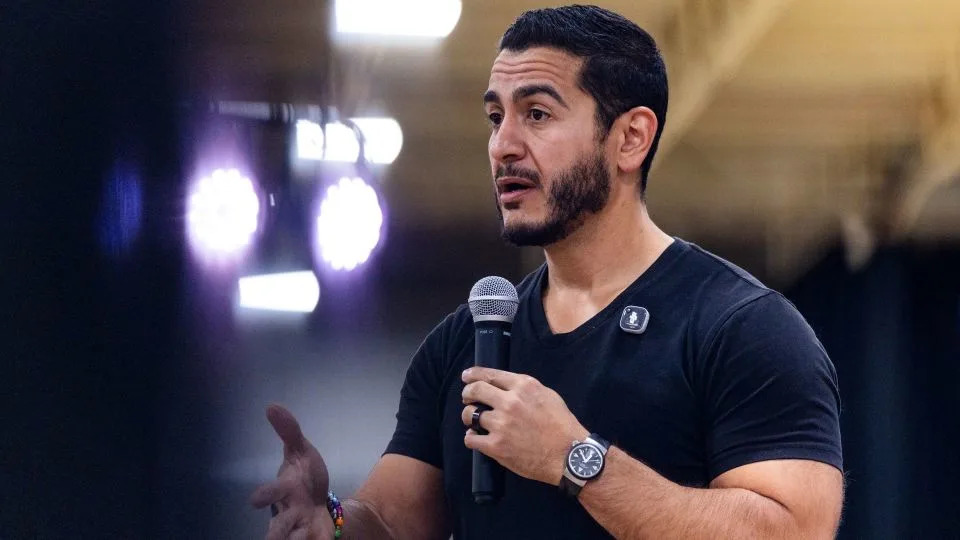
Democratic Candidate for US Senate Abdul El-Sayed answers questions from attendees during a town hall event at the Oakland Expo Center in Waterford, Michiganon, on September 3, 2026. - Emily Elconin/Getty Images
Examples from the airwaves include GOP spots that say: "We eliminated taxes on tips and overtime and cut taxes on Social Security" (Rep. Ashley Hinson) and "I fought alongside President Trump to pass the biggest tax cuts for working families in American history" (Sen. Jim Risch). These messages aim to energize Trump’s base while avoiding his direct labeling in most creative.
Still, some competitive Republicans are choosing to embrace Trump explicitly. Rep. Mike Lawler of New York ran a House ad showing his work with Trump to raise the SALT deduction, including footage of Trump praising him — a tactical choice by candidates who believe the president’s backing helps in specific districts.
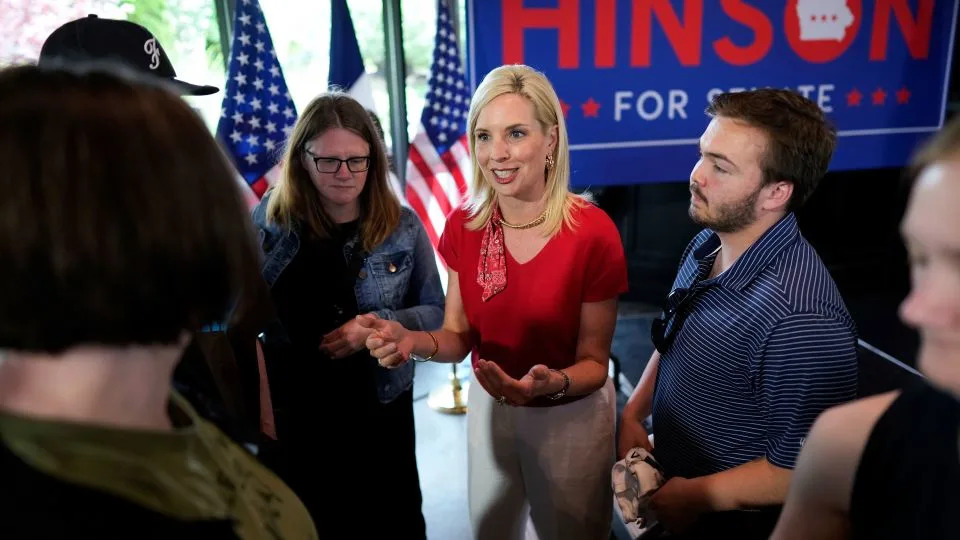
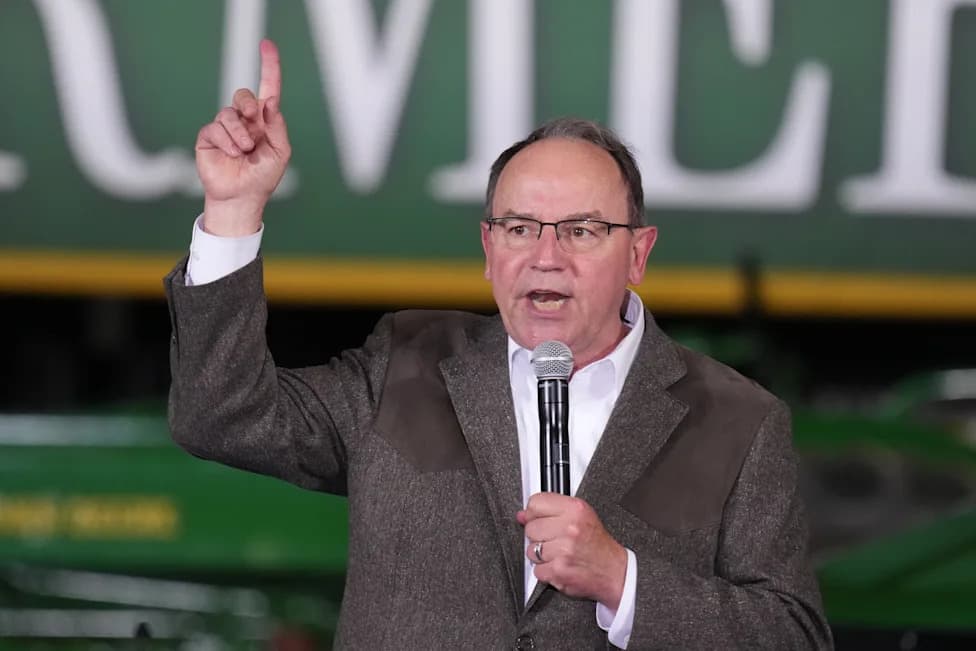
Rep. Ashley Hinson greets audience members during a campaign rally in West Des Moines, Iowa, on May 30, 2026. - Charlie Neibergall/AP
Outside Spending And Strategic Tension
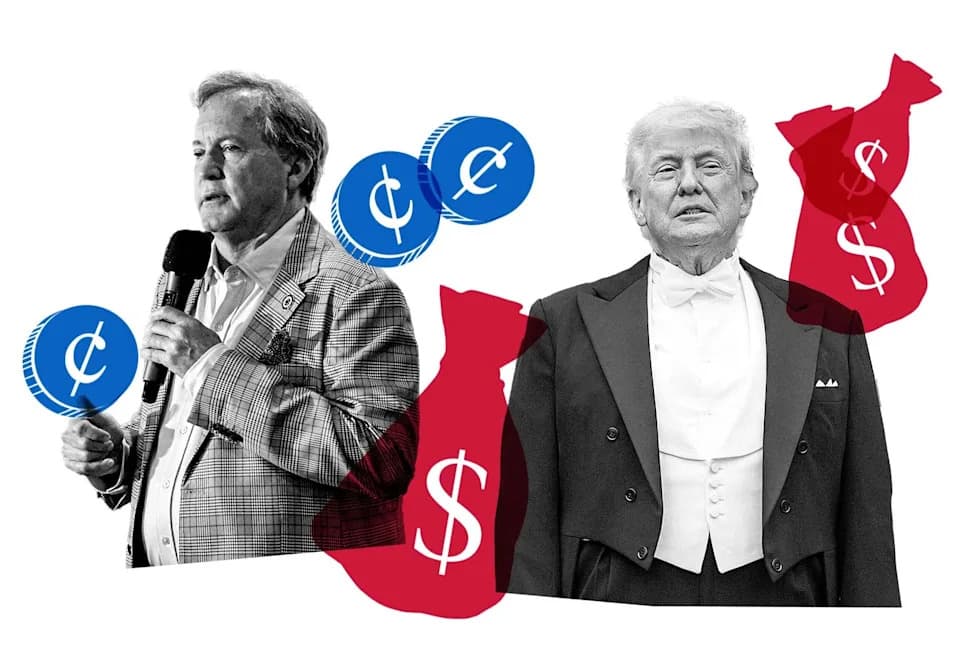
Outside groups tied to Trump’s political network have opened large funding channels, but many of their ads still avoid naming him. A new group, No Going Back PAC, linked to MAGA Inc. — which reported more than $400 million in cash on hand in recent FEC filings — has placed massive fall buys that largely focus on attacking Democrats rather than amplifying Trump’s messaging.
Notably, analysts have not detected major TV ad campaigns promoting Trump's proposed $5,000 payout to adults if Republicans win the midterms, nor consistent use of some of his rally talking points (for example, that the U.S. economy is the "hottest in the world") in ally-paid TV advertising.
Bottom Line
The Republican advertising strategy reflects a tactical decision by many campaigns and allied groups: mobilize Trump loyalists through policy wins and targeted appeals while reducing the president’s presence in wide-reach TV creative that might alienate moderate or undecided voters. Democrats are using the opposite playbook: make Trump central to the argument against GOP candidates.
Help us improve.