Government communications are vital for transparency but vulnerable to misuse. This weekend’s taxpayer-funded ads, labeled "Paid for by the U.S. Government," praised President Trump and blurred the line between public information and partisan messaging. Drawing parallels to Woodrow Wilson’s Committee on Public Information, the authors call for a bipartisan GAO review, congressional hearings, and stronger legal safeguards to prevent state-sponsored propaganda as communications power grows.
Paid for by You: How Government Communications Can Become Partisan Propaganda
AP
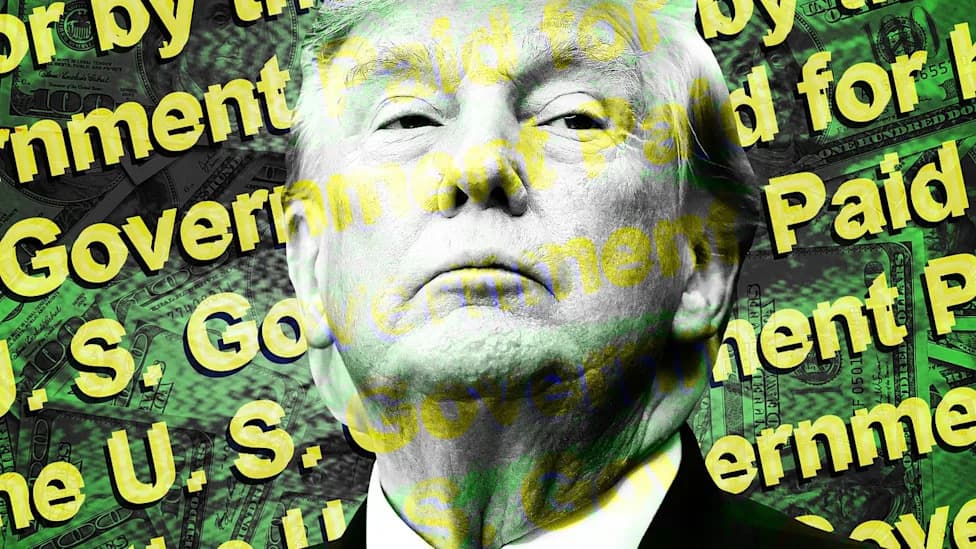
Democratic government’s greatest strength — its unmatched capacity to communicate with citizens — can also be a profound vulnerability. Recent taxpayer-funded television ads that praised President Trump and were labeled "Paid for by the U.S. Government" offer a stark example of how public communications can slide into partisan messaging.
Why Government Communication Matters
Government information is an essential civic resource. Federal agencies provide weather forecasts, publish student achievement data, report on inflation trends, and supply geological and survey data that power everyday tools like mapping apps. These public communications promote transparency and accountability: the Federal Register, for instance, discloses government contracts, and the Government Accountability Office (GAO) issues nonpartisan evaluations that show which programs deliver value and which waste taxpayer dollars.
The Problem: When Communication Becomes Propaganda
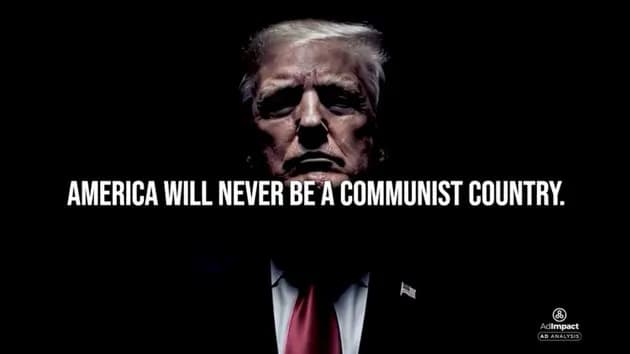
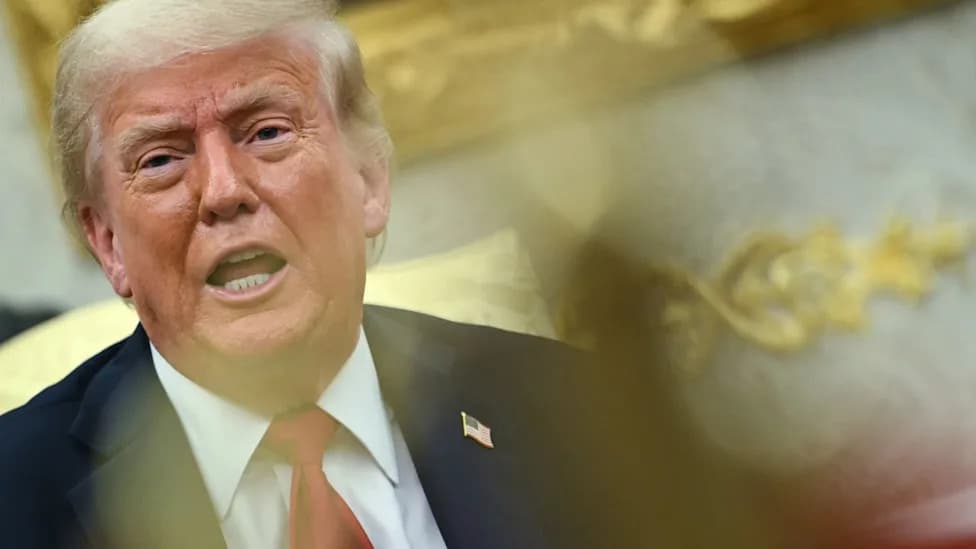
Yet the same communications infrastructure can be used to influence citizens’ opinions. This weekend, viewers watching college and professional football were shown polished ads that lauded President Trump’s record while implying that his political opponents should be "destroyed." The spots were not paid for by outside interest groups or party committees; they bore the line "Paid for by the U.S. Government," a label that confers official sanction on messages that advance a partisan viewpoint. Because they ran shortly before an election, the broadcasts raise serious questions about the appropriate use of public funds for political messaging.
Historical Context
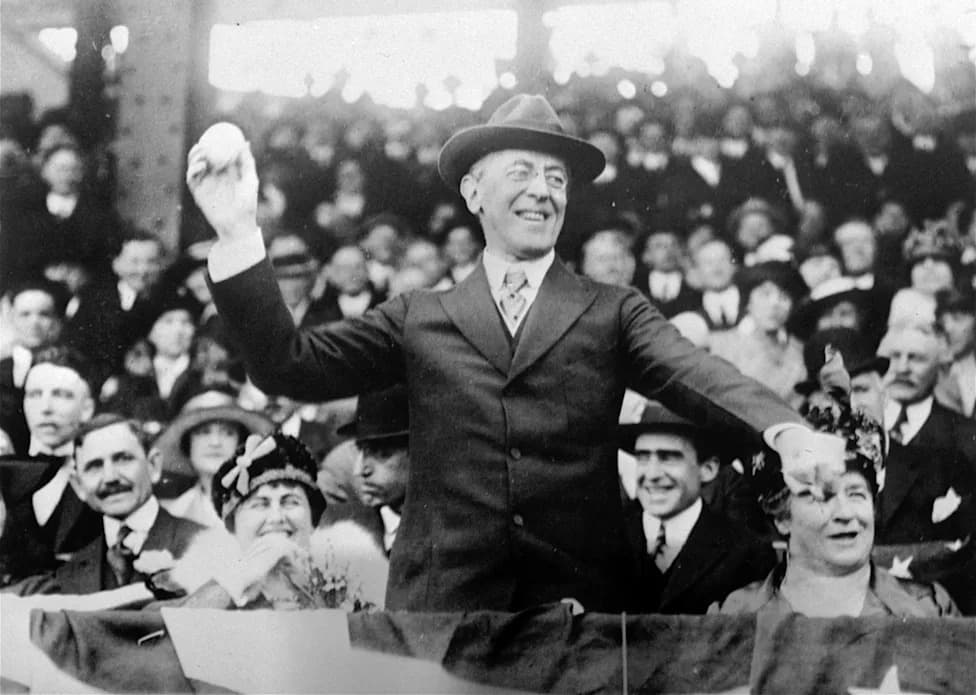
Government-backed persuasion has American precedents. During World War I, President Woodrow Wilson created the Committee on Public Information (CPI), a centralized propaganda operation that produced press releases, ads, films, pamphlets and syndicated columns — and deployed some 74,500 "Four Minute Men" to deliver short pro-war speeches in movie theaters. George Creel, who directed the CPI, later admitted that in defending democracy he had neglected "the details of democracy." That cautionary episode helps explain why centralized, taxpayer-funded persuasion is fraught with danger.
"With the existence of democracy itself at stake, there was no time to think of the details of democracy." — George Creel
Recent Examples And Legal Concerns
Presidents routinely use federal communications tools to promote policy priorities. Departments in the Obama administration, for example, used public-information channels to lobby for a higher minimum wage and to build support for the Affordable Care Act. More recently, the GAO found that elements of the Biden administration’s Medicare advertisements violated anti-propaganda restrictions, underscoring the legal and ethical limits on using government channels for advocacy.
Propaganda can also mean withholding information that contradicts a favored narrative. In 2022 the Biden administration proposed a Disinformation Governance Board to monitor and address perceived misinformation; critics argued that giving the government authority to determine truth risked censorship, and the proposal was ultimately shelved after broad pushback.
What To Do Next
As communication power grows — amplified by new technologies like artificial intelligence — policymakers should act to protect the line between public information and partisan persuasion. Practical first steps include:
- Ask the GAO for a Comprehensive Review: Congressional leaders from both parties should request a GAO review of executive-branch communications practices that assesses how government messaging has expanded and where vulnerabilities exist.
- Hold Bipartisan Hearings: The next Congress should convene hearings to examine the scope, financing and oversight of federal communications, and consider whether a special, bipartisan committee is needed to investigate abuses without devolving into partisan theater.
- Strengthen Legal Safeguards: Update and clarify anti-propaganda statutes and transparency rules so taxpayer-funded messages cannot be used as de facto campaign advertising.
These measures are modest but necessary. The temptation to wield government communications for partisan gain is bipartisan; the safeguards we build now will matter no matter which party occupies the White House. If unchecked, taxpayer-funded propaganda will not only squander public money — it will weaken democratic norms.
Kevin R. Kosar (@kevinrkosar) is a senior fellow at the American Enterprise Institute.
John Maxwell Hamilton is an RCP columnist and the author of Manipulating the Masses: Woodrow Wilson and the Birth of American Propaganda.
Help us improve.