The White House defended recently aired pro-Trump spots as "public service announcements," but critics — including former White House counsel Norm Eisen and Rep. Jamie Raskin — say the ads appear to violate federal bans on government-funded "publicity or propaganda." The 30-second spot uses Trump's own audio, a repeated "love me" chorus from JMSN, and an endorsement from Dana White, and was observed on Fox News in Miami with "Paid for by the U.S. Government" shown for the last 10 seconds. Officials compared the ads to past administrations' outreach campaigns, while opponents call the buy a partisan use of taxpayer funds and demand answers about costs and agency oversight.
White House Calls Taxpayer-Funded ‘Love Me’ Spots PSAs as Critics Call Them State Propaganda
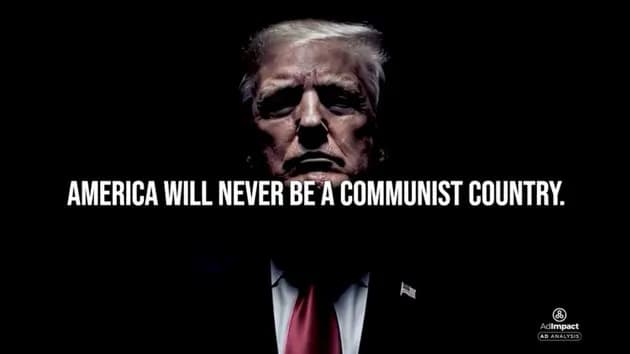
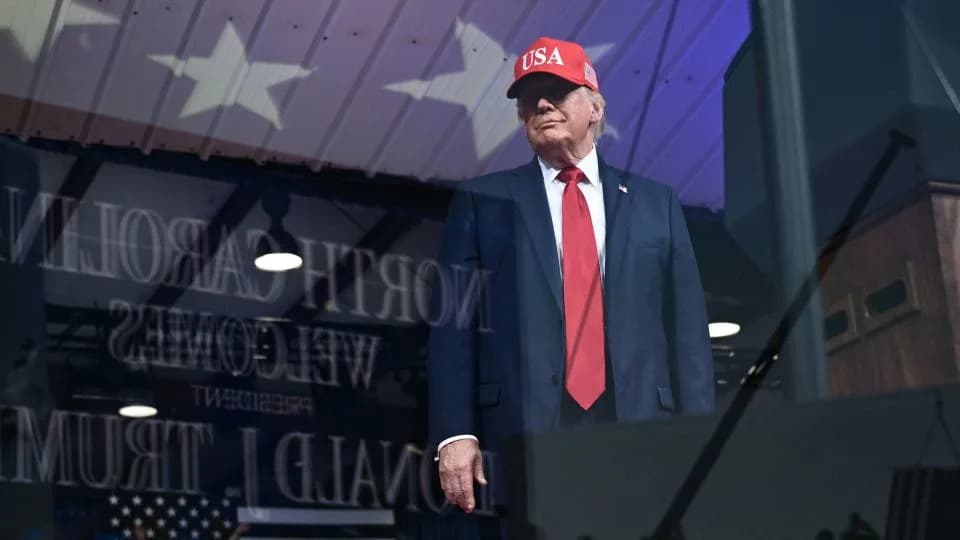
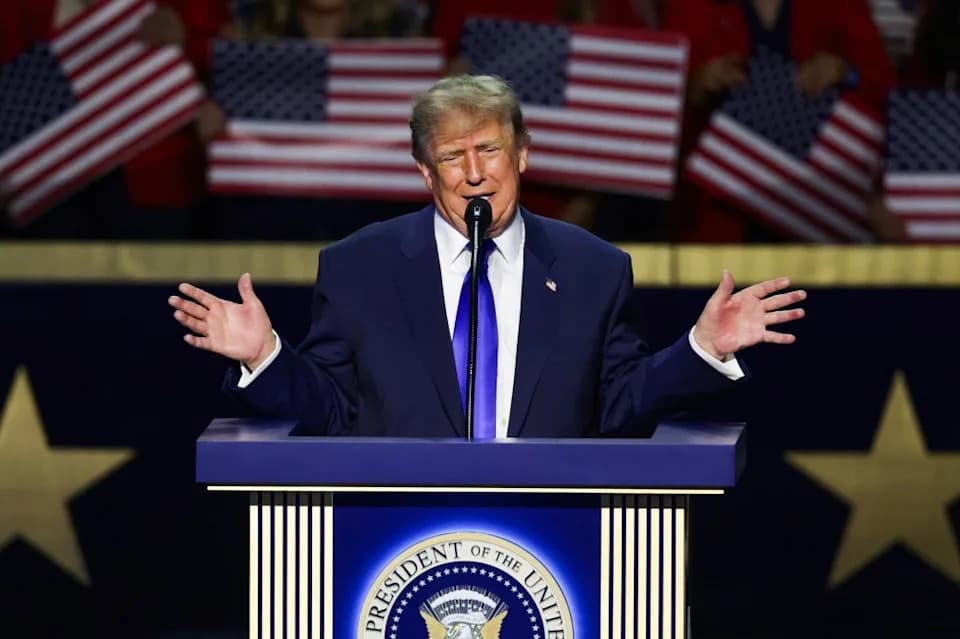
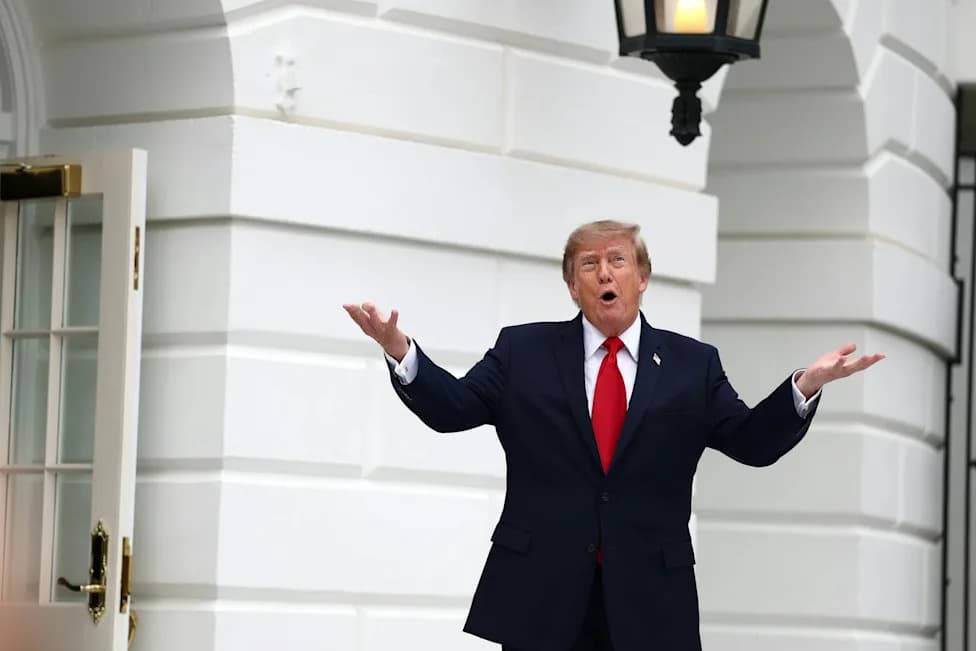
The ad ends with President Donald Trump's friend Dana White saying he is "the toughest, most resilient person that I've ever met." U.S. Government
WASHINGTON — A 30-second video praising President Donald Trump and carrying the on-screen label "Paid for by the U.S. Government" for its final 10 seconds has sparked bipartisan outrage and legal questions about whether federal funds are being used for partisan messaging.
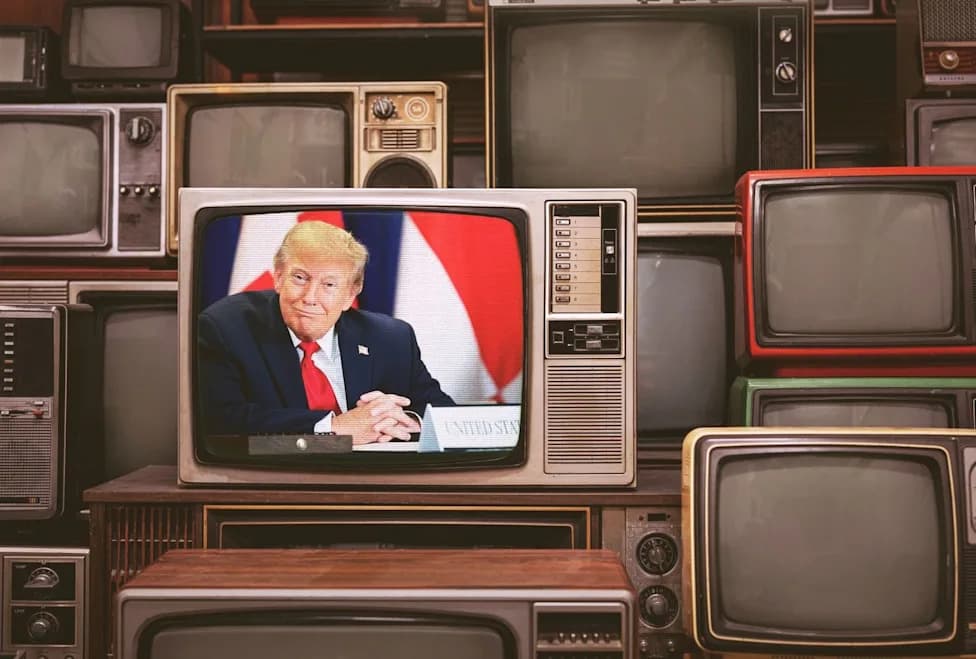
The montage-style spot combines photos and footage of Trump with audio clips of the president saying lines such as "Together, we will defeat communism, socialism, and Marxism in America" and "America will never be a communist country," phrases that also appear on-screen in capital letters. On-screen claims touting Trump's record — including labels such as "LARGEST TAX CUTS IN HISTORY," "REIGNITING AMERICAN MANUFACTURING," and "DEFEND LAW AND ORDER AND POLICE" — run across the frame while a repeated snippet of the chorus "love me" from a song by musician JMSN plays in the background. The ad concludes with an endorsement from UFC president and Trump donor Dana White, who says Trump is "the toughest, most resilient person that I've ever met."
Observers described the spot as unprecedented for its partisan tone and said it fits common definitions of state propaganda. The airing was first publicly noted by Florida reporter Jim DeFede, who reported seeing it on the Fox News Channel in Miami during the 8 p.m. hour.
Legal and Political Fallout
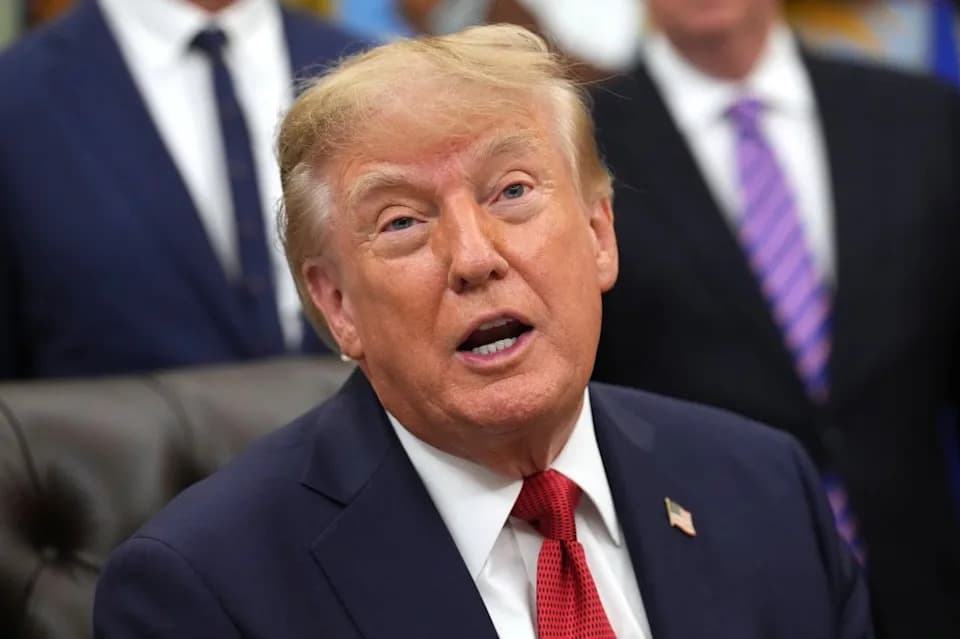
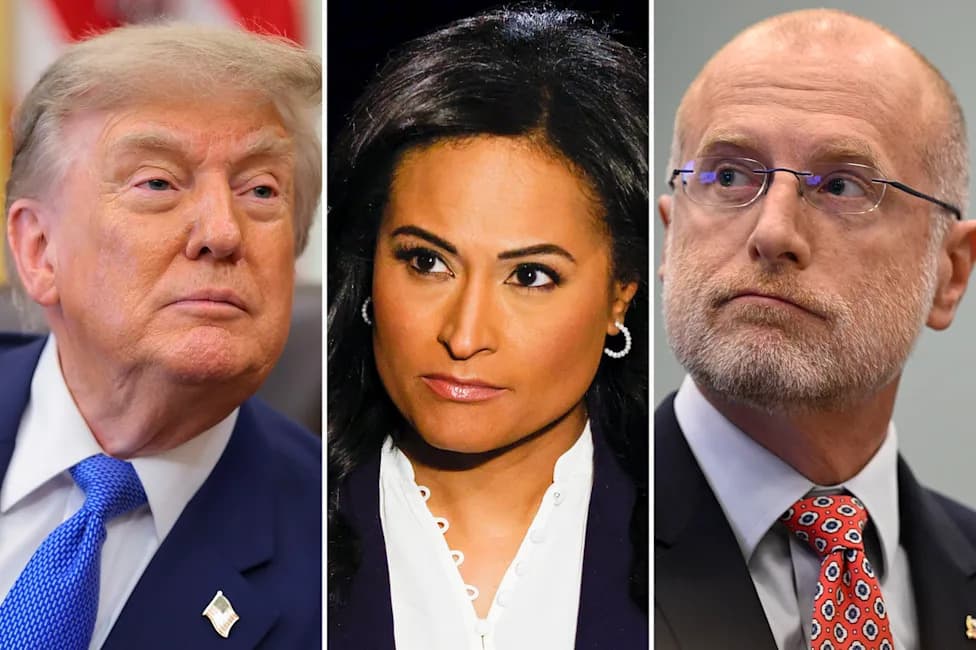
Former White House lawyer Norm Eisen said the ads appear to violate federal prohibitions on using public funds for "publicity or propaganda." Maryland Democratic Rep. Jamie Raskin, a constitutional lawyer, called the spot "on its face" potentially illegal and suggested it could amount to misuse of government resources for political campaign purposes.
"This commercial is a shocking transgression of those legal provisions," said Eisen. "It raises serious questions about the appropriate separation between official government communications and partisan messaging."
White House officials, speaking on condition of anonymity, defended the spots as educational public service announcements meant to "remind Americans to love their country" and to highlight what the administration considers worth defending at home and abroad. They compared the spots to past administrations' public outreach efforts, citing examples such as George W. Bush's advertising around the Medicare prescription drug benefit and outreach campaigns encouraging COVID vaccination under President Joe Biden.
Democratic operatives and other critics rejected that comparison. The Democratic National Committee accused the administration of using taxpayer funds to bankroll campaign-style messaging and called the effort a "vanity project." Commentators on the left and right described the ad with inflammatory language, with some likening it to state-controlled propaganda broadcasts found elsewhere in the world.
Unanswered Questions
Key details remain unclear: which federal office authorized the ad buy, how much the placement cost taxpayers, and how widely the spot has been distributed. The White House did not provide documentation or specific answers to those questions when asked, and Trump aides declined to say which agency is paying for the campaign.
The controversy raises broader questions about where the line should be drawn between government information campaigns and messaging that benefits an incumbent politically — a line federal law and ethics rules are designed to protect.
Read the original coverage on HuffPost.
Help us improve.