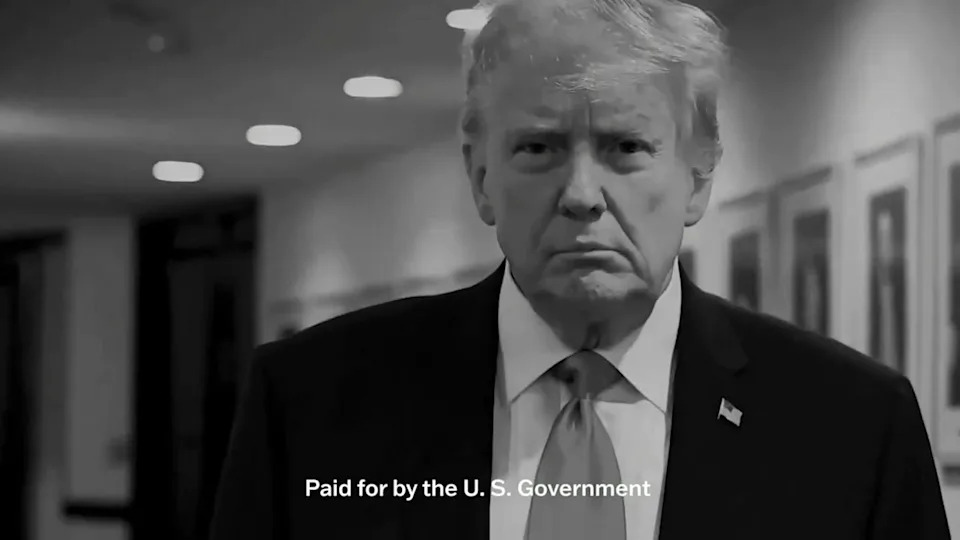
Federal officials spent more than $1.7 million to air three TV spots featuring President Trump in the week before midterms. Critics say the videos mirror campaign rhetoric and even reproduce a prior campaign ad with the campaign logo replaced by "Paid for by the U.S. Government," raising legal questions under statutes forbidding government publicity or conversion of federal assets. Officials insist
Taxpayer-Funded Pro-Trump TV Ads Air Days Before Midterms, Prompting Legal and Ethical Scrutiny
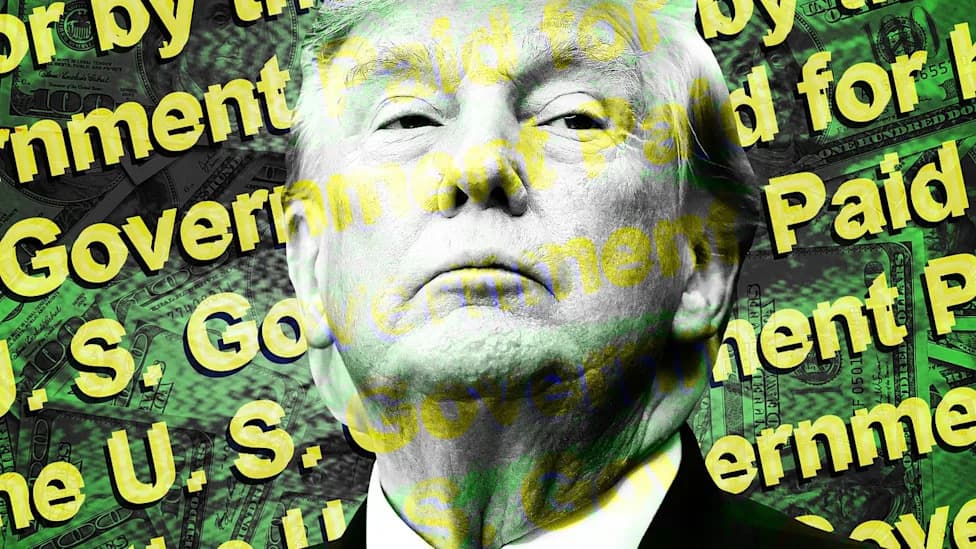
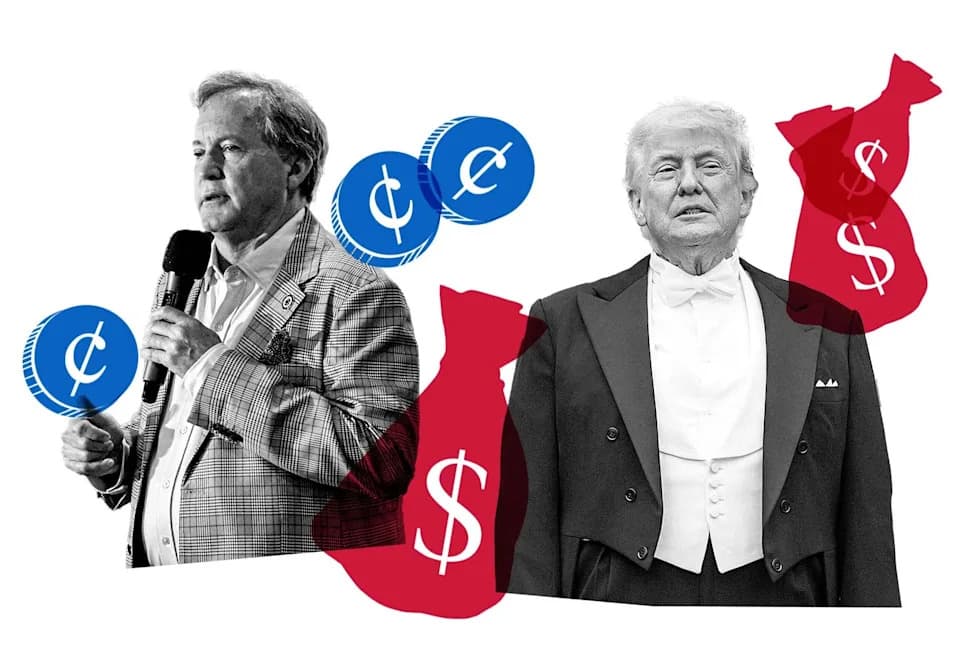
(Photo illustration by Bill Kuchman/The Bulwark| Photos: Getty, Shutterstock)
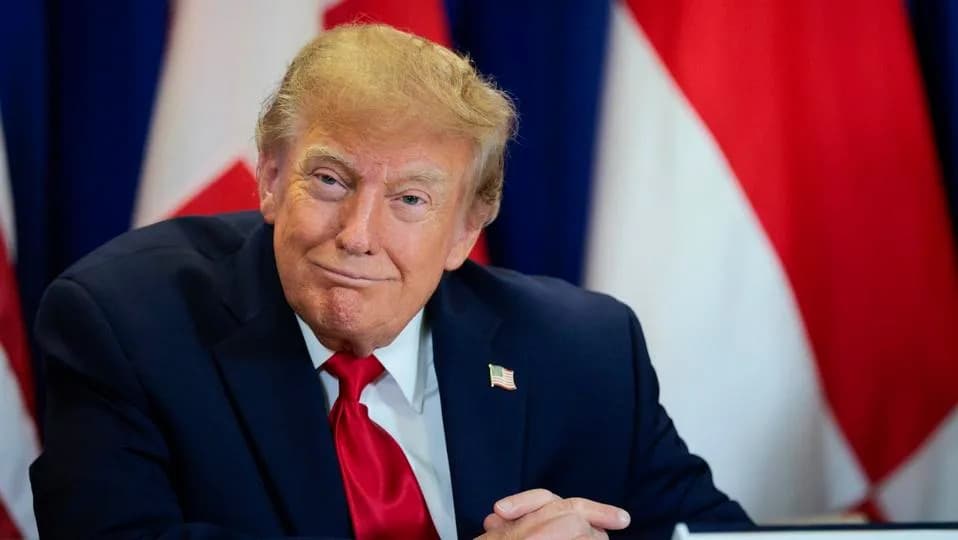
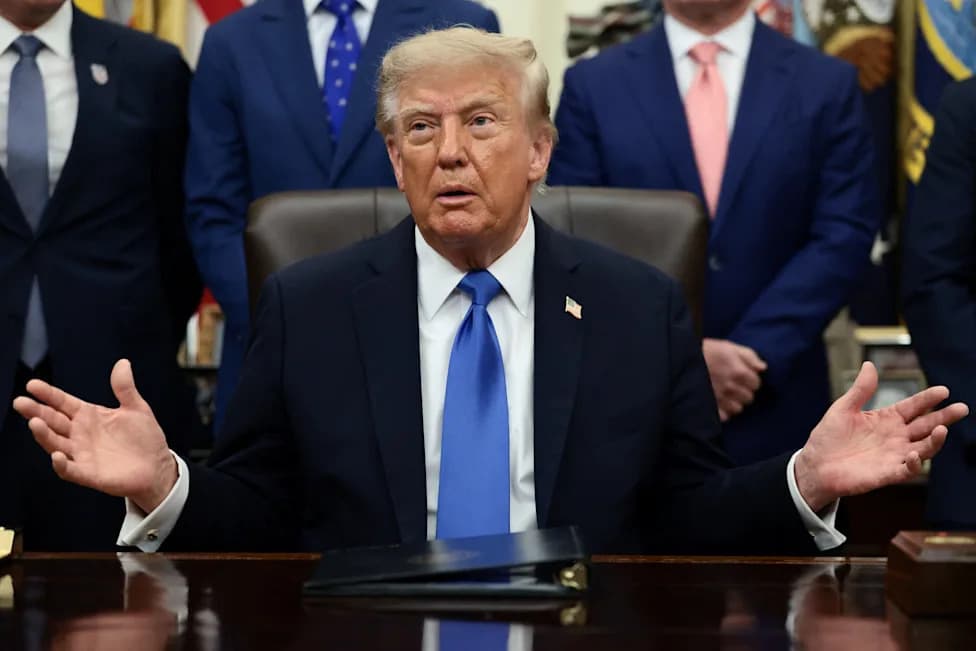
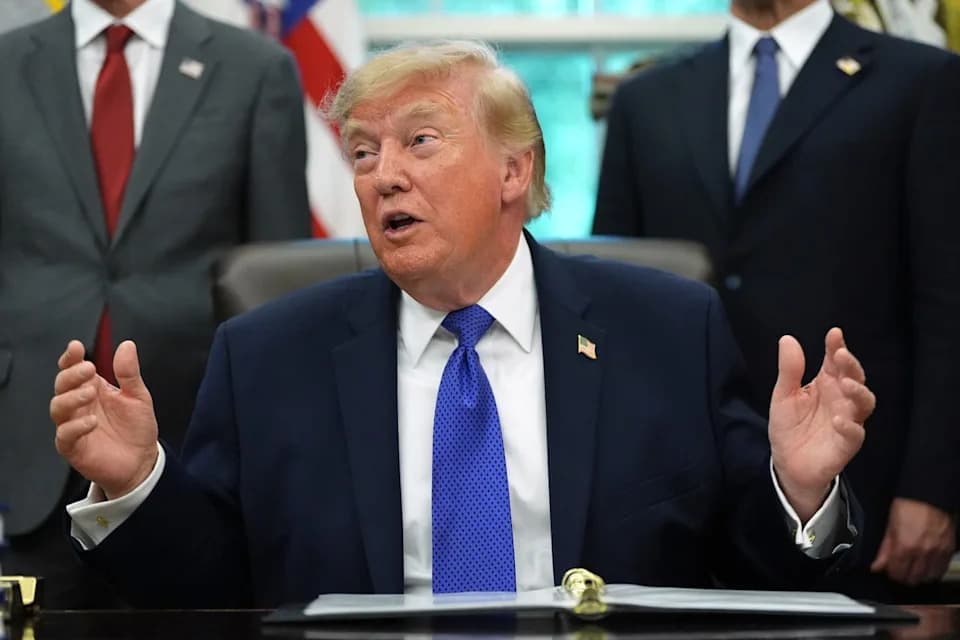
More than $1.7 million in federal funds were used last week to run three television spots that prominently feature President Donald Trump — placements that critics say amount to taxpayer-funded campaign advertising in the run-up to the midterm elections.
What Ran On Air
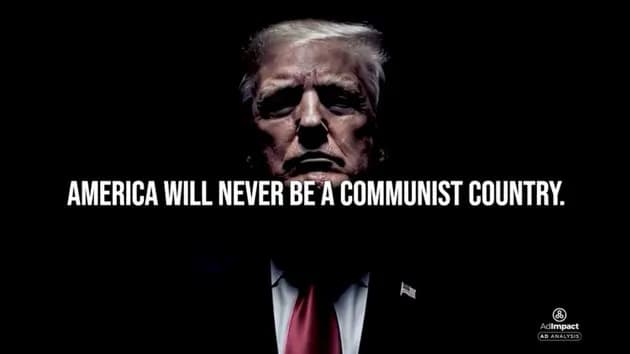
Officials say the three commercials aired on Fox News during primetime, on a Sunday-morning political program, and during NFL game coverage. The White House describes the clips as "public service announcements," but their visuals, tone, and language closely mirror Trump campaign messaging.
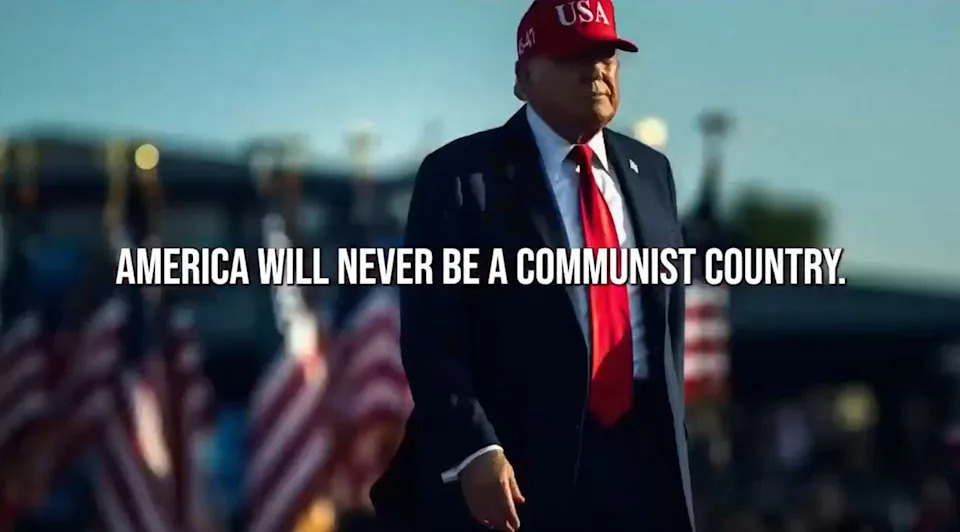
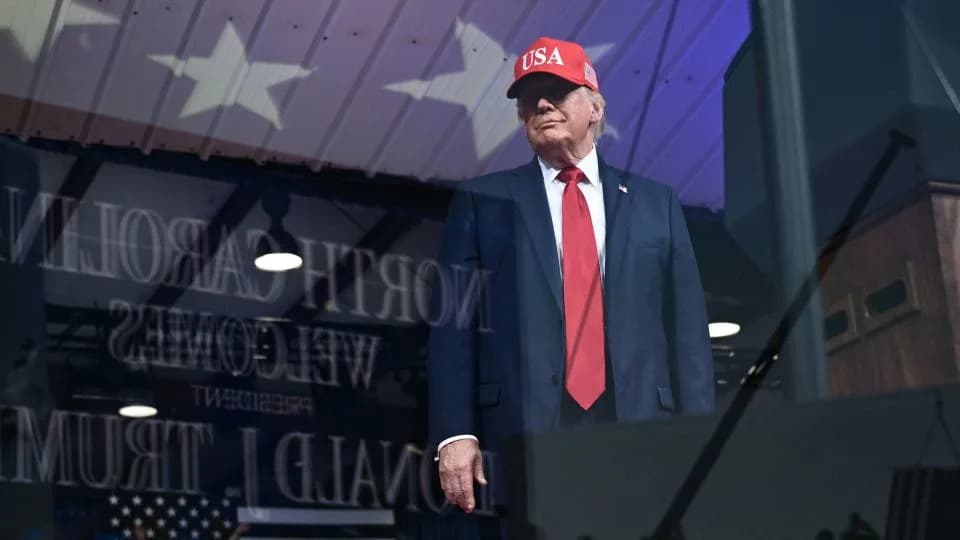
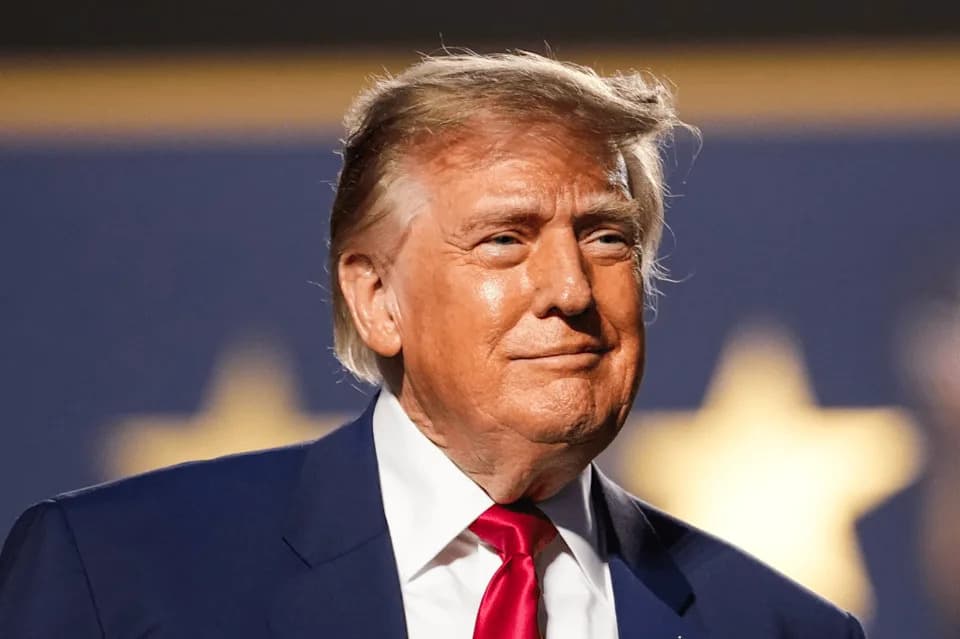
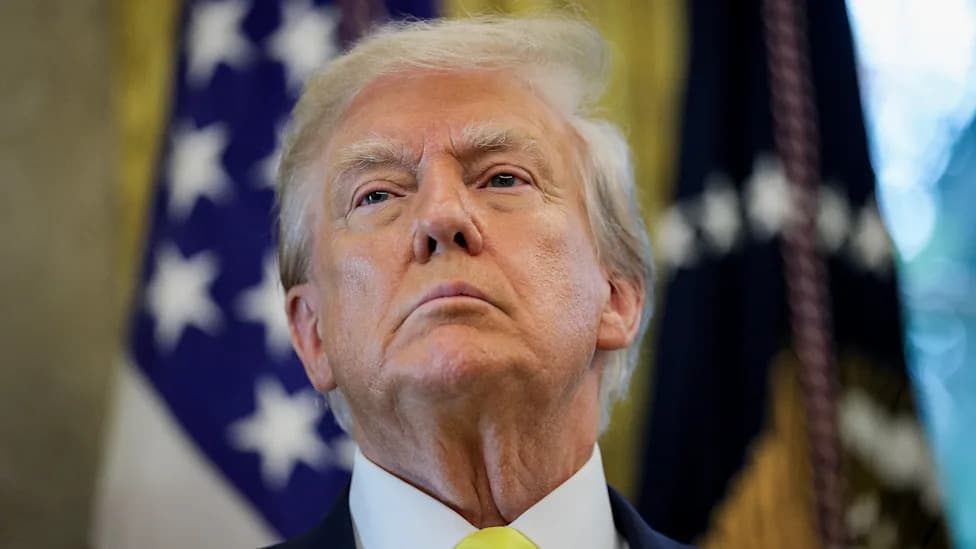
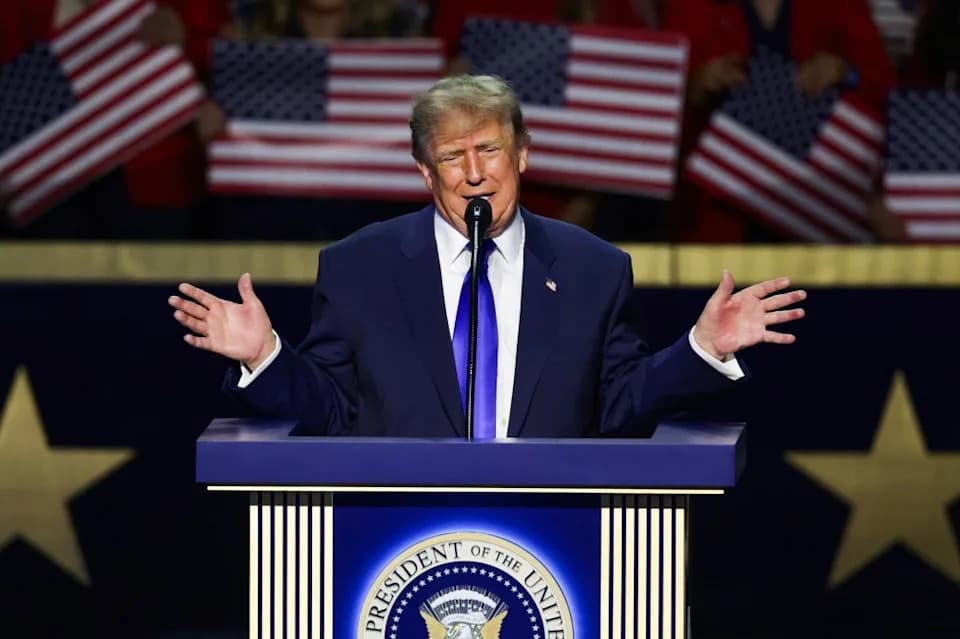
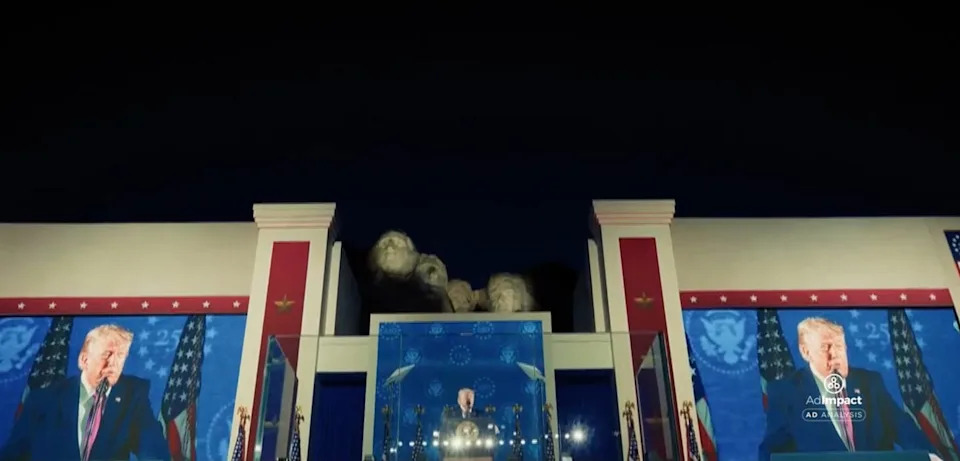
The spots present the president as the central figure. One shows Trump in silhouette, grainy black-and-white lighting and dramatic, statuesque shots that some observers liken to propaganda aesthetics. Another depicts him on two giant screens as uniformed officers look up while he speaks at Mount Rushmore. The third tracks him in slow motion down a corridor, staring directly into the camera.
Recycled Campaign Rhetoric
All three ads reuse lines familiar from Trump rallies and campaign materials: phrases such as "Together we will defeat communism, socialism, and Marxism in America," references to a "golden age of America," and vows to "drive out the globalists" and "rout the fake news media." Critics note that one spot reproduces, almost scene-for-scene and word-for-word, a campaign commercial aired two years ago — with the campaign logo removed and replaced by the caption, "Paid for by the U.S. Government."
The ads also present misleading context: a frame showing Trump before the words "PEACE IN THE MIDDLE EAST" relies on a photograph taken in October — months before the administration's later military action involving Iran — and other lines repeat promises from 2024 that critics say have not been fulfilled.
Legal And Ethical Questions
Legal commentators and Democratic officials argue the ads could violate federal restrictions on using government funds "for publicity or propaganda purposes not authorized by the Congress." They also point to 18 U.S.C. § 641, which forbids converting federal assets to personal use, and the Hatch Act, which limits partisan political activity by federal employees while on duty. Whether those statutes apply may depend on which agency paid for the spots and on intent and content analyses yet to be pursued.
White House Defense
The White House has defended the spots, arguing they are patriotic public service messages and noting that "President Trump is not on the ballot." That defense was met with skepticism: in recent weeks, Trump has repeatedly urged supporters to "pretend I'm on the ballot," and opponents say the timing and messaging make the political purpose apparent. When asked which department funded the ads, White House officials have not specified the paying agency.
Contrast With Prior PSAs
Advocates for scrutiny contrast the Trump spots with earlier government public-service campaigns. For example, the Biden administration's COVID-19 PSA — which ran beginning April 1, 2021 — did not feature President Biden, identified the funding agency on-screen ("Paid for by the U.S. Department of Health and Human Services"), and included a specific call to action directing viewers to cdc.gov/coronavirus. The Trump commercials include no comparable public-service directive; critics say their purpose is promotional rather than informational.
Next Steps
Given the proximity to the midterm election (the ads aired fewer than forty days beforehand), the resemblance to campaign material, and unanswered questions about funding, the ads are likely to draw congressional inquiries, watchdog complaints, or legal challenges. Debate centers on whether the spots breach statutory limits on federal publicity and whether they represent an improper use of taxpayer dollars for partisan ends.
Bottom line: What the White House calls patriotic messaging is viewed by opponents as tax-funded promotion of a president and his party — a dispute that may be resolved in courts or in Congress.
Help us improve.