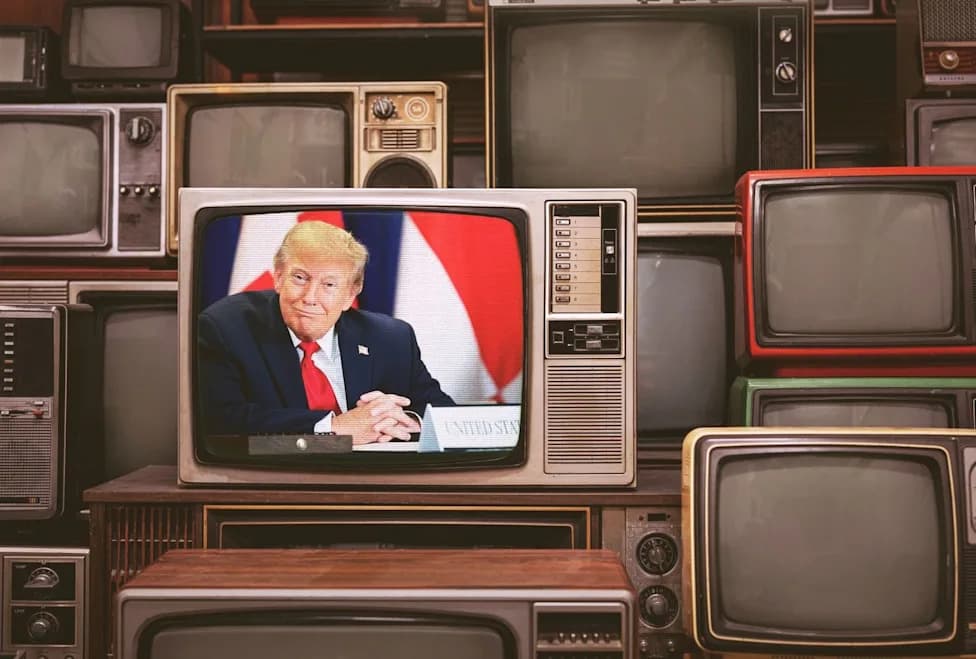
Synopsis: President Trump is borrowing techniques from reality television to craft his public image — staging spectacles, singling out 'villains' and using cinematic ads — instead of pursuing sustained governing wins. These maneuvers force news organizations to litigate for access and divert attention from pressing issues such as rising gas prices and low approval ratings. While the strategy can rile supporters, it may be losing effectiveness as economic pressures make voters less tolerant of theatrics.
Facing Reality: How Trump Is Using Reality-TV Tactics to Shape His Presidency
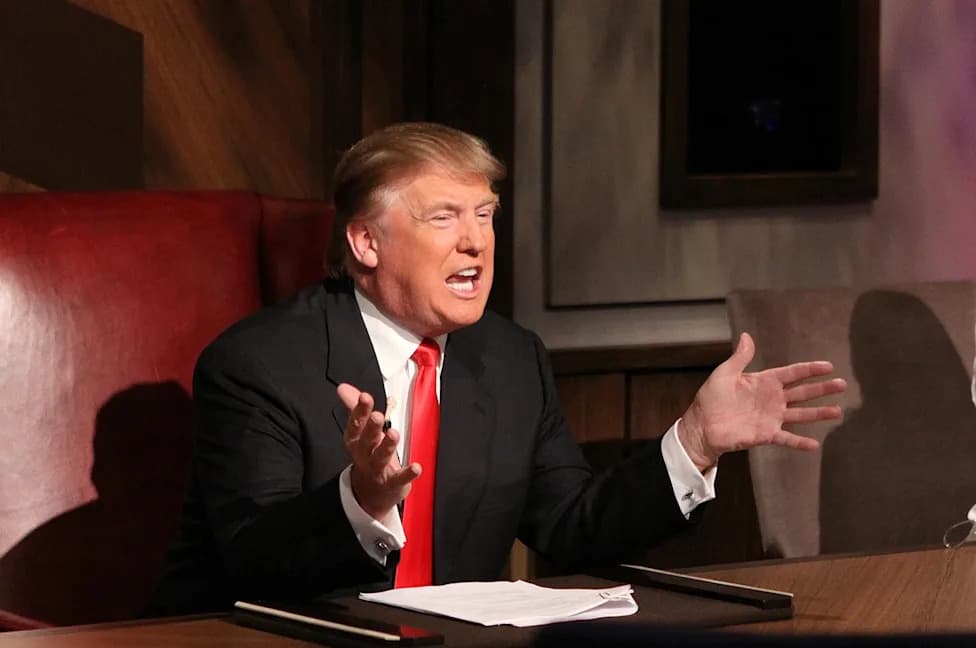
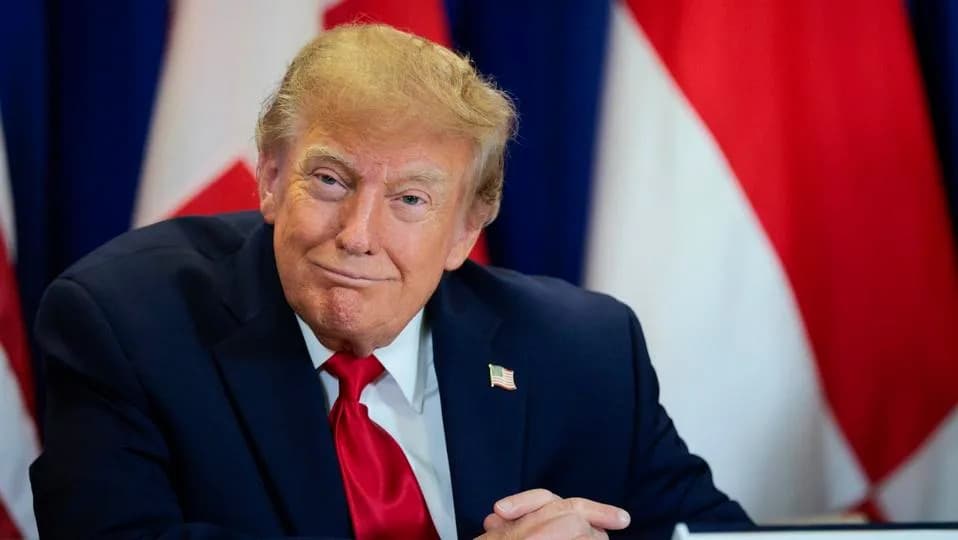
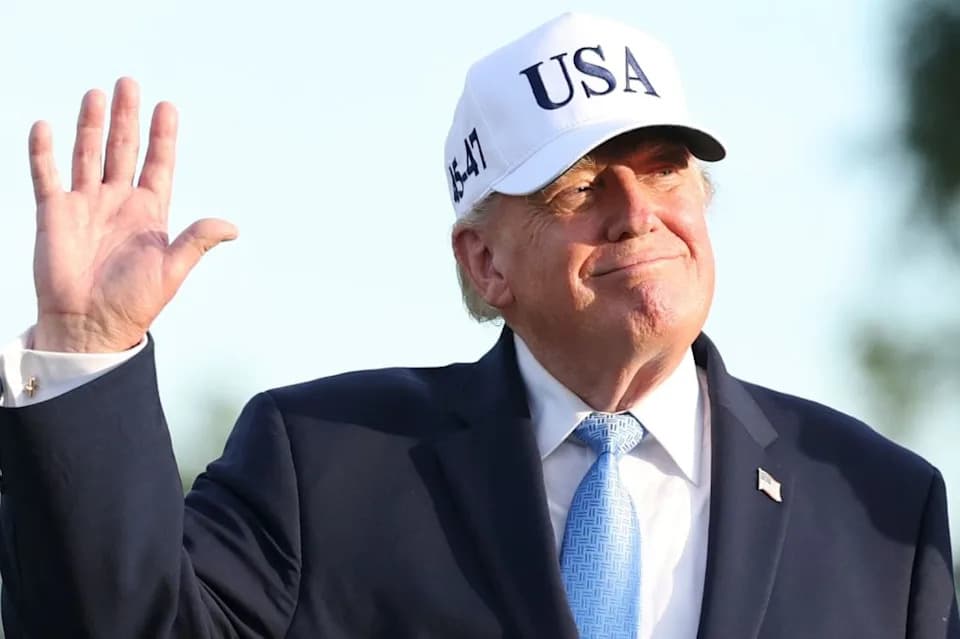
Donald Trump appears during the Season Finale of The Celebrity Apprentice on May 16, 2010, in New York City.
When President Donald Trump's real estate business began to falter, he found a workaround: rather than simply being a conventional, successful developer, he learned to play one on television.
On The Apprentice, he was surrounded by the symbols of success he sought — the boardroom, tailored suits and contestants vying for his approval — without bearing the long-term costs of bankruptcies, lawsuits and collapsed deals. Now, as his presidency shows signs of strain, he appears to be applying the same playbook to politics.
Manufactured Spectacle Over Governing Wins
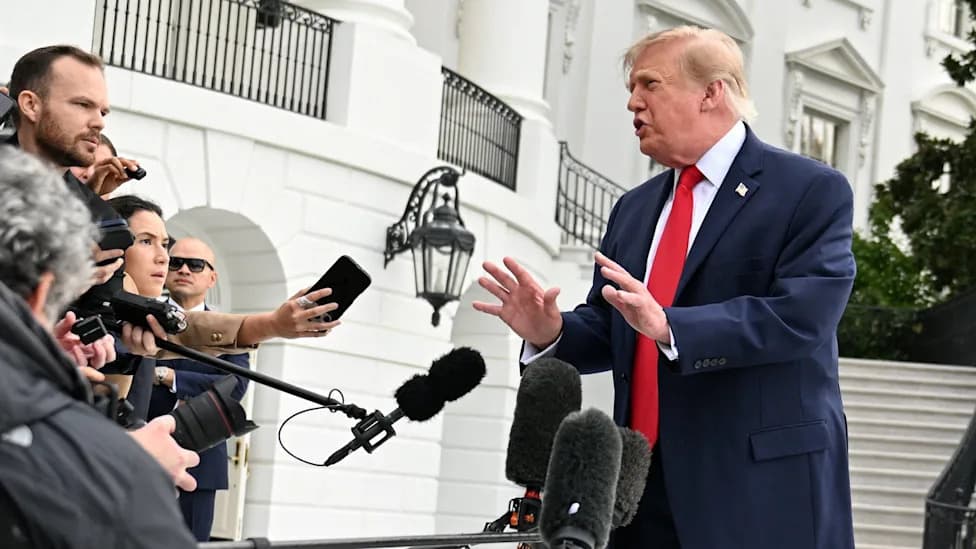
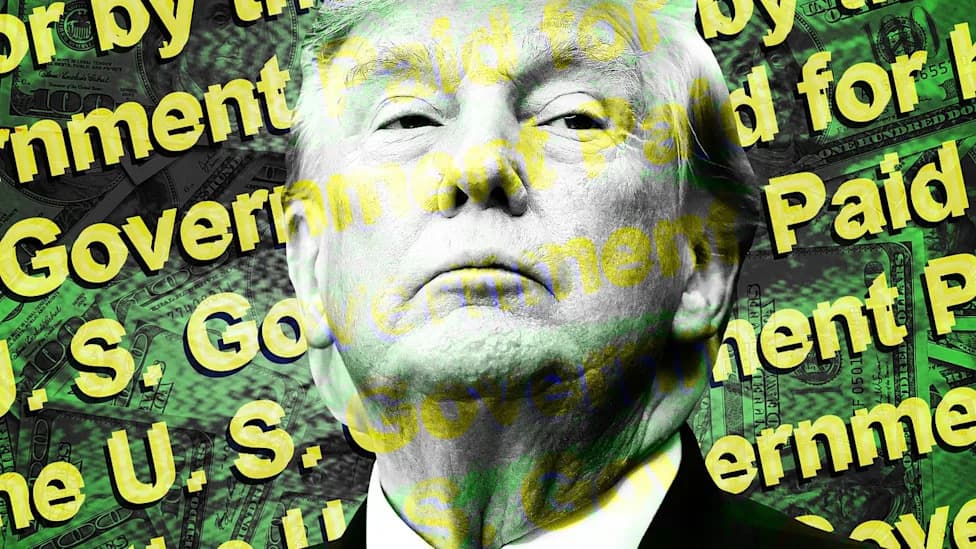
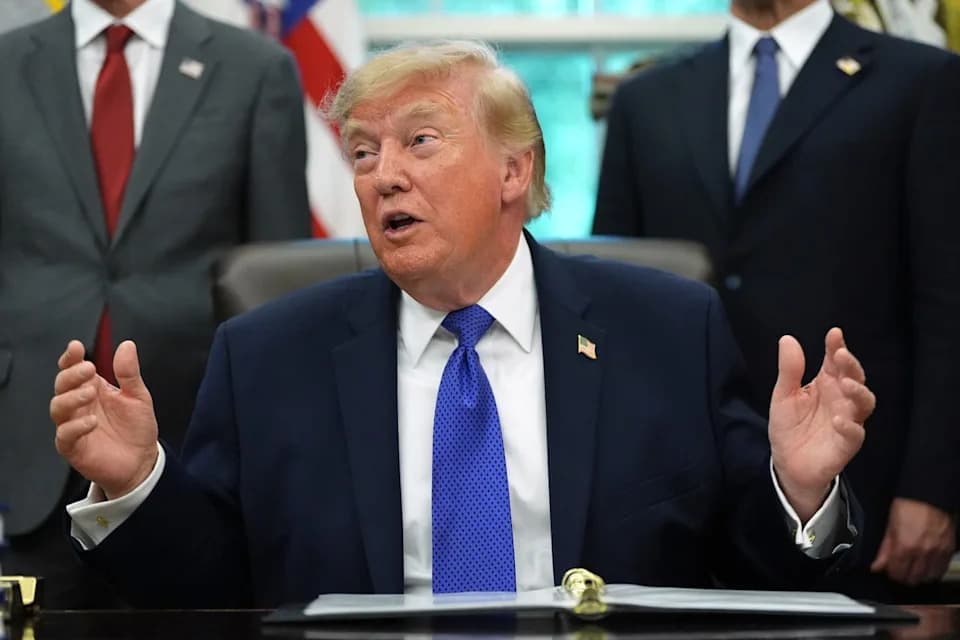
In recent days, the administration has moved to reclaim the narrative: temporarily expelling reporters from the White House and allowing their return only after a court order; launching a bespoke media outlet often called 'Trump TV'; and running taxpayer-funded ads that cast the president in slow-motion, black-and-white footage to project resolve and confidence.
Unable, by many conventional measures, to establish sustained governing victories, the White House has instead focused on the trappings of success — erecting arches to mark nonexistent triumphs, renaming facilities after the president and placing his likeness on coins.
Reality Is Less Forgiving
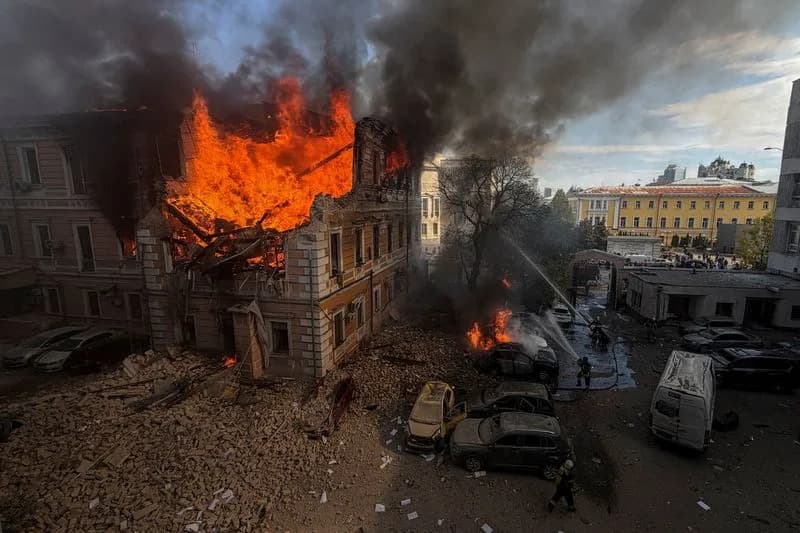
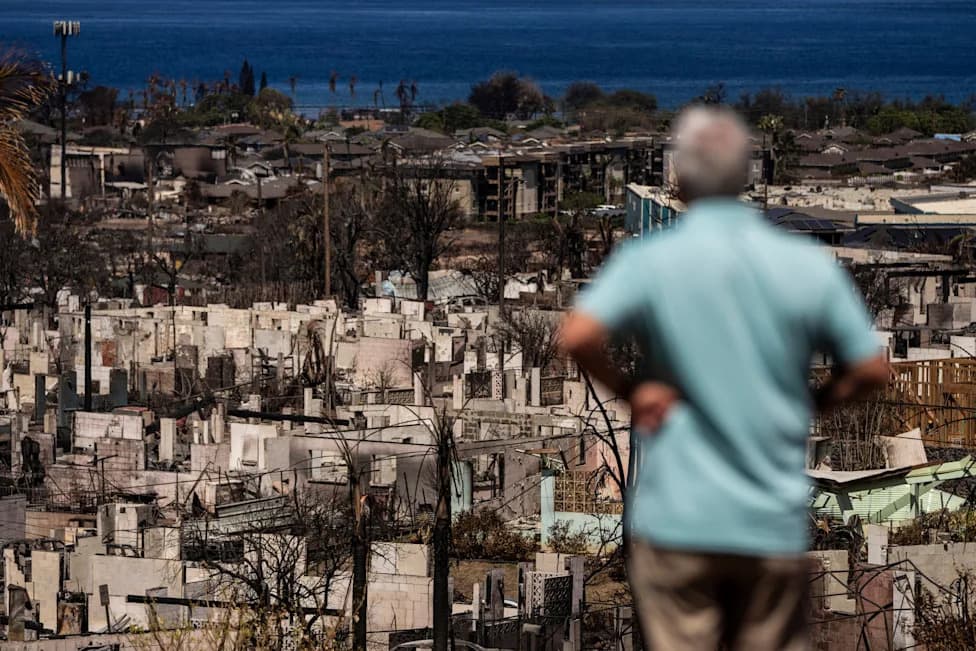
But reality resists editing. National average gas prices have climbed near $4.50 a gallon. An ongoing confrontation with Iran has persisted for months without a clear resolution. Polling shows the president roughly 27 points underwater on approval. And early ballots are already being returned in pivotal states such as North Carolina and Michigan, where key Senate races may hinge on turnout.
Villains, Ratings And Political Strategy
From his time on television, Trump learned that a memorable antagonist can be more valuable than a competent subordinate. Viewers tuned in for conflict, humiliation and revenge; he cast himself as the stern, ostensibly fair arbiter at the head of the table. As he once noted about Omarosa Manigault, people 'couldn't stand' her — and she was 'making a fortune.'
He doesn't necessarily need to win policy fights; he needs to stage them. By elevating a 'villain of the week' or engineering dramatic clashes, he creates moments in which he can appear decisive, even if plans collapse, allies disengage or courts reverse his actions.
Costs To Press And Institutions
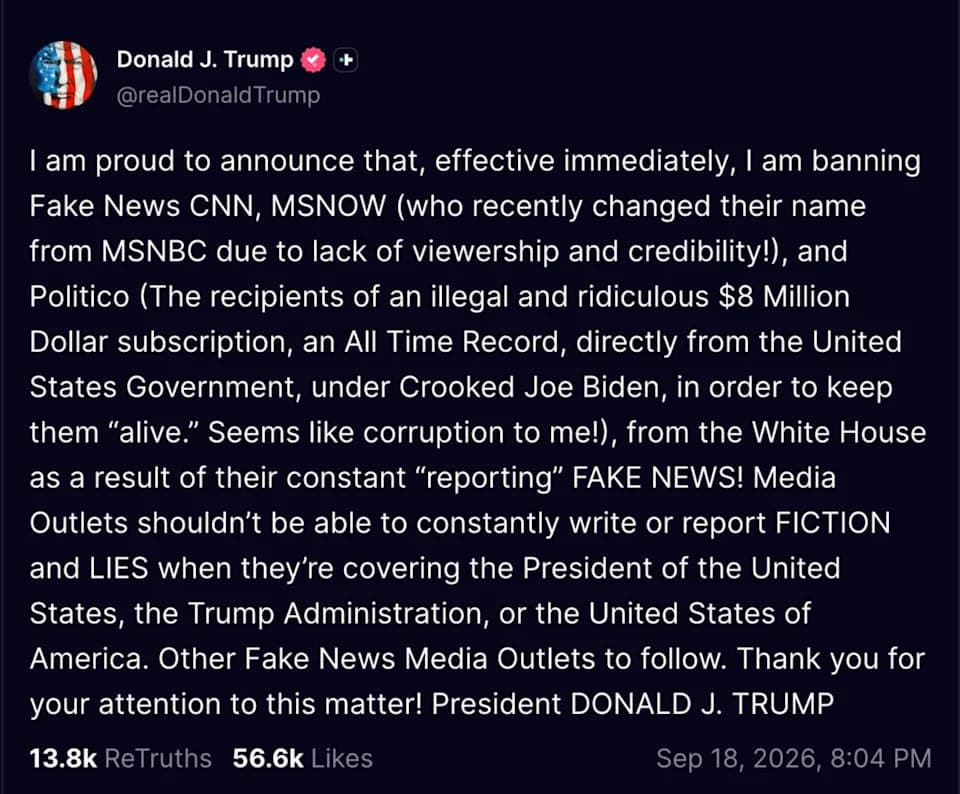
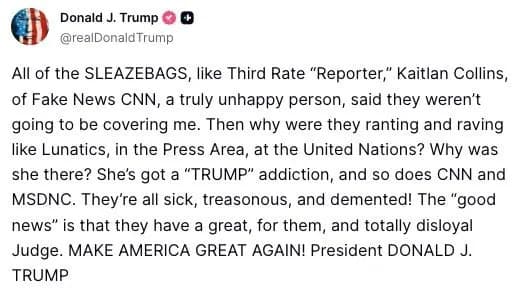
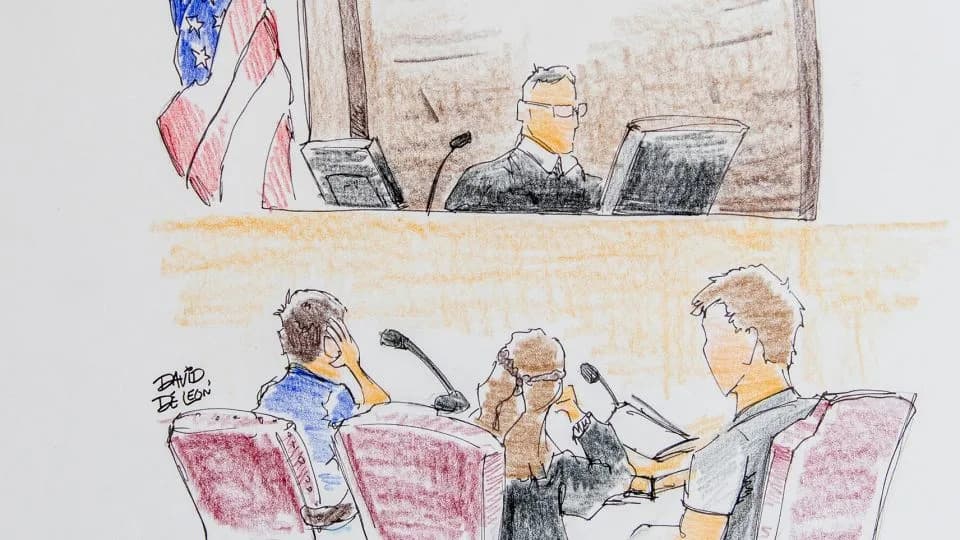
Consider the recent decision to bar MS NOW, CNN and Politico from White House coverage. The administration likely anticipated a legal challenge — it lost a similar suit over Jim Acosta's revoked credentials — yet the ban produced the intended spectacle. The aim seemed less to persuade the courts than to rally supporters; the legal and financial burden fell on news organizations forced to litigate simply to perform their jobs.
These manufactured clashes are more than political theater. Each confrontation forces journalists and outlets to expend time, money and attention defending the basic right to report on the presidency. They also send a signal to other institutions: opposing the president may invite scrutiny or reprisal.
Growing Discontent Among Voters
However, the tactic is losing traction. Petty public fights ring hollow when voters are dealing with higher living costs and tangible policy consequences. Americans are not merely spectators of a reality show — they are living through its fallout — and an increasing number appear ready to replace the person at the head of the table.
Reporting note: Evan Brechtel contributed to this report.
Help us improve.