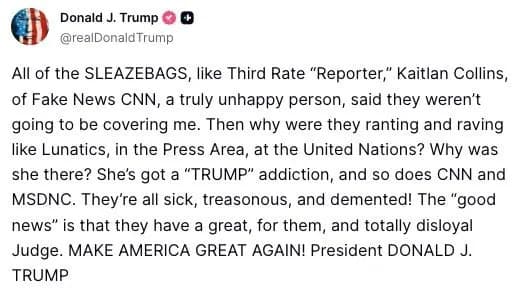
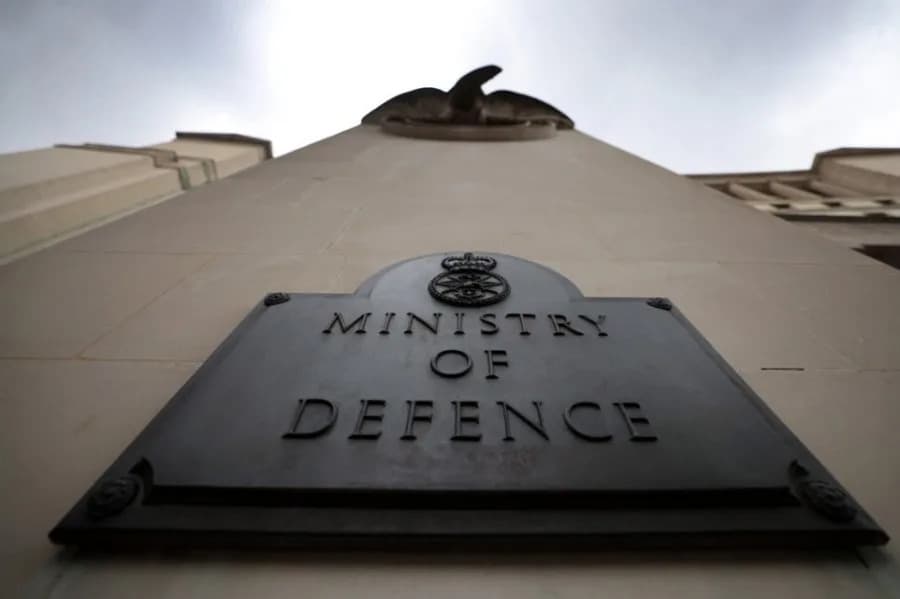
The White House revoked press-pool privileges for CNN, POLITICO and MSNBC, prompting a wider-network boycott that left a staged South Lawn event muted and exposed. The administration responded by launching a 24-hour YouTube feed, "Trump TV: The Essentials Station," which streamed archival clips and drew only a few thousand viewers before collapsing to about 1,000 live viewers despite millions of subscribers. Observers warn the channel could raise legal issues under Section 718 and the Antideficiency Act, while news organizations have sued over the credential revocations, invoking the Sherrill v. Knight precedent.
‘Trump TV’ Flops: The Limits Of The 'King Of Ratings'
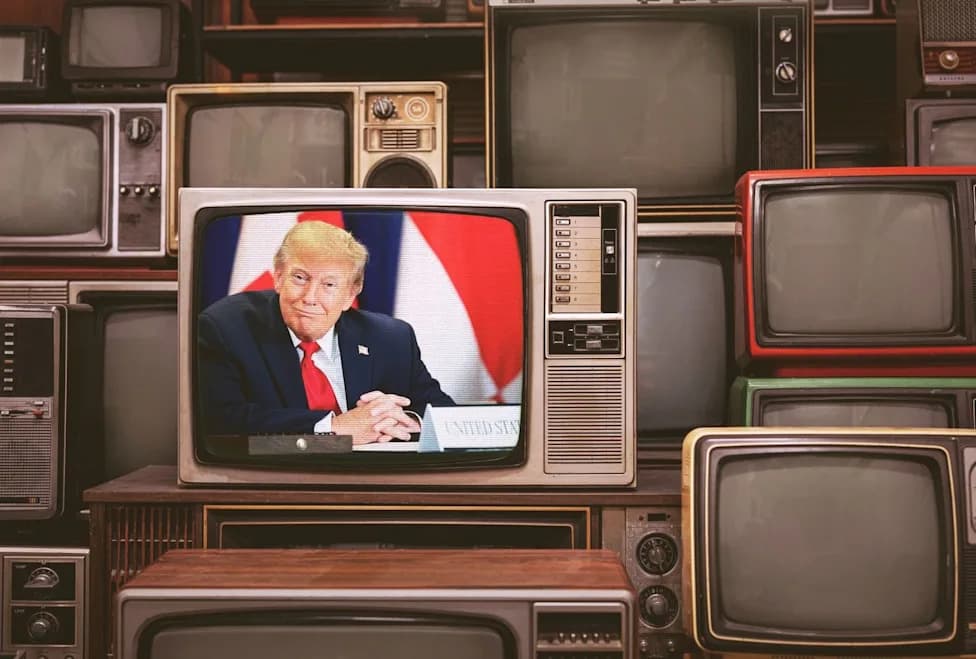
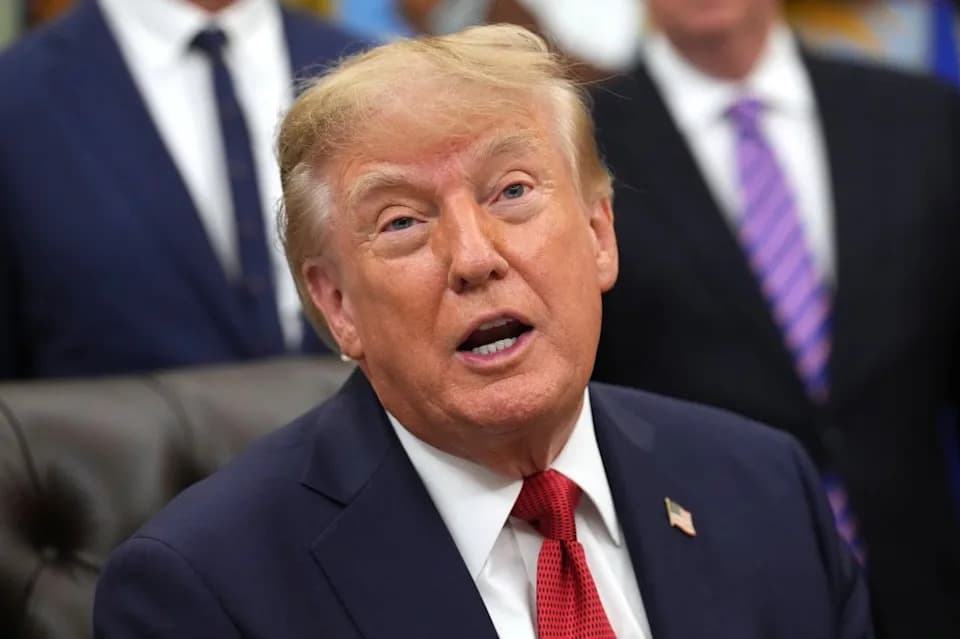
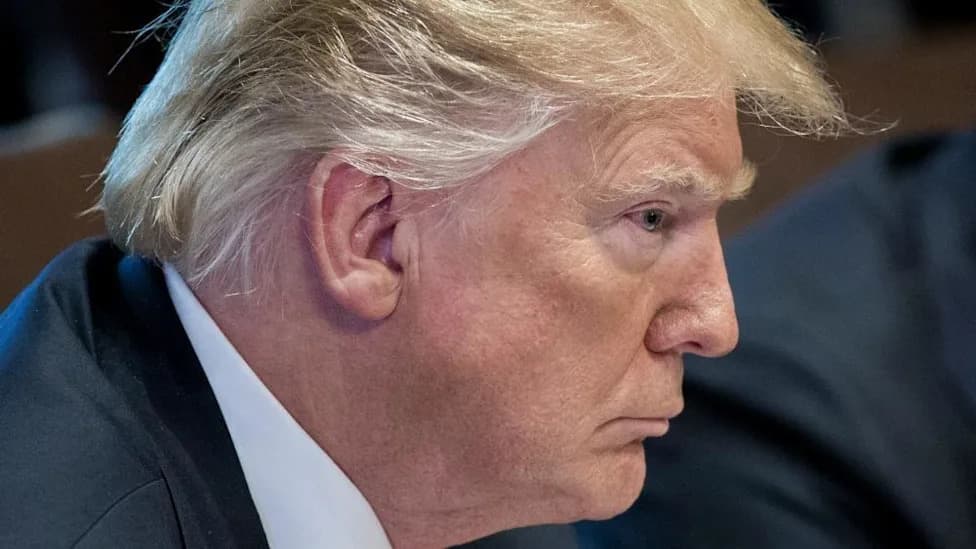
Photo illustration by Salon / Getty Images / Chip Somodevilla / Pituk Loonhong
For more than a decade American public life has been shaped by a nonstop spectacle centered on Donald Trump’s demand for attention. His political persona long depended on a volatile, mutually reinforcing relationship with the media: theatrical press events, visual dominance and an unrelenting drive to be the center of the frame. This week exposed how fragile that arrangement is when the cameras—literally and figuratively—are switched off.
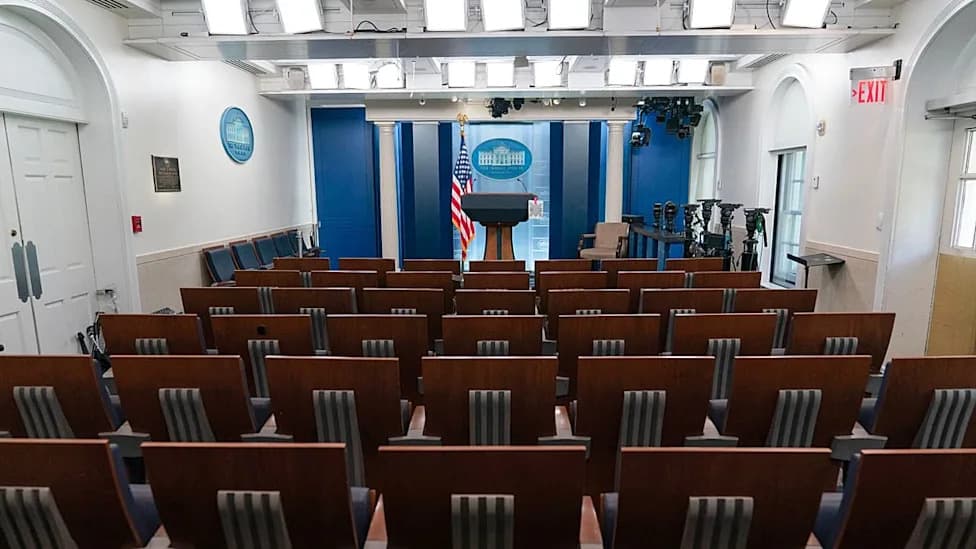
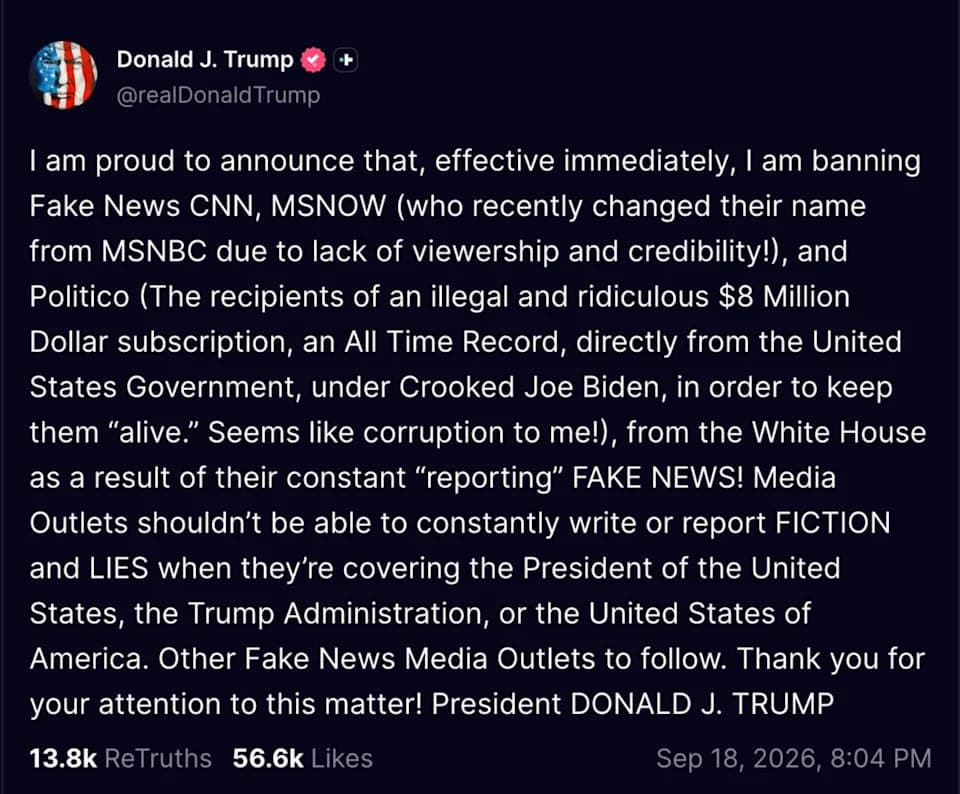
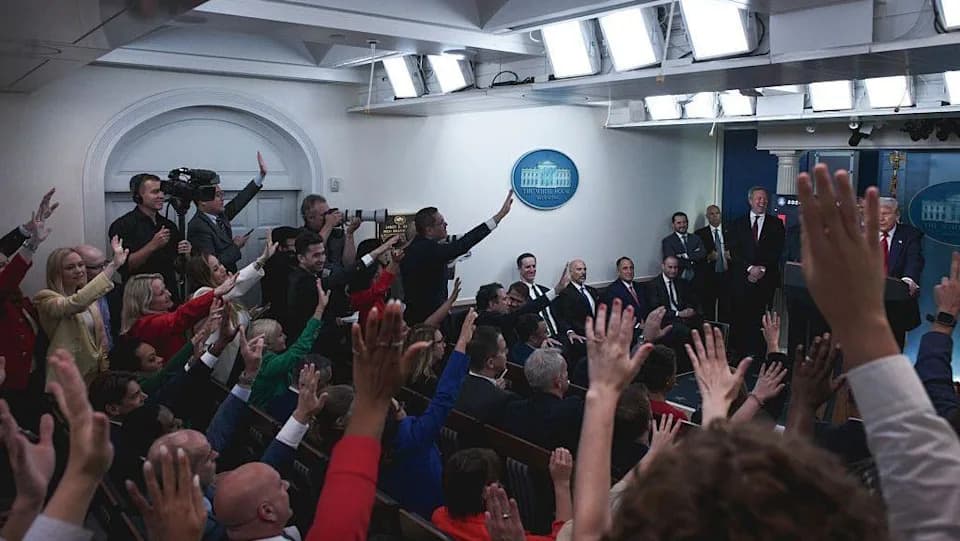
On Friday the White House revoked the official press-pool privileges of CNN, POLITICO and MSNBC. Rather than accept exclusion, the broader press corps responded in uncommon solidarity: major broadcast networks including NBC, ABC and CBS, and even Fox News, suspended their participation in the pool. Photographers at major wire services and newspapers such as The New York Times and The Washington Post stopped distributing fresh images of the president.
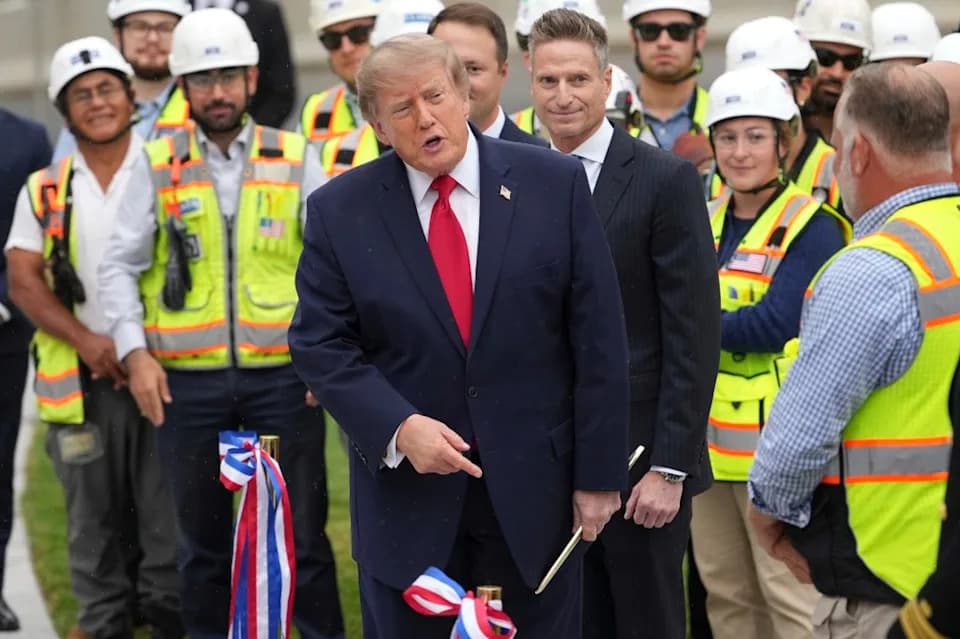
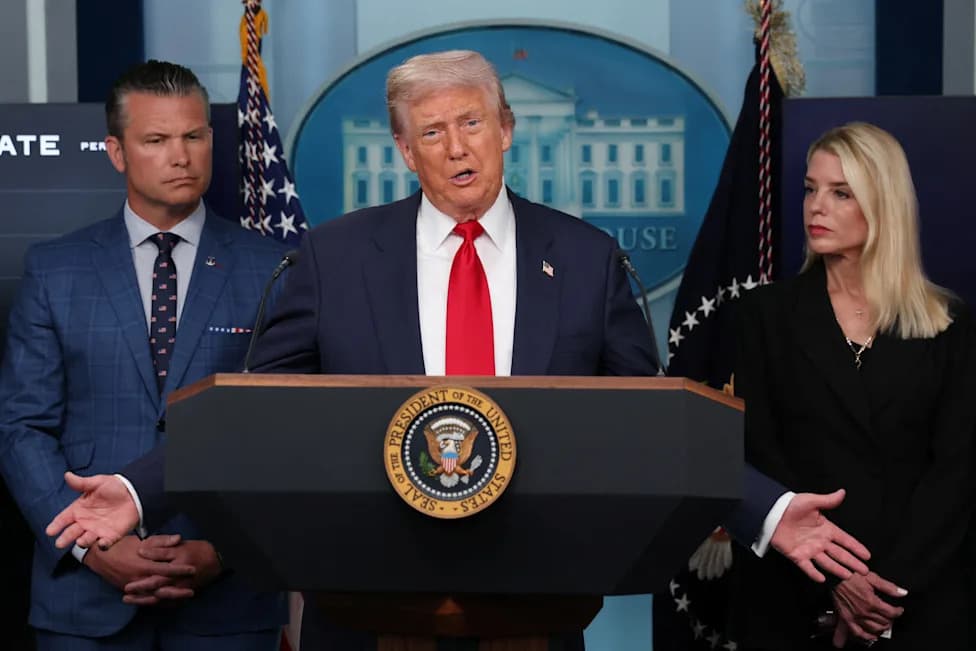
The result was immediate and unflattering. Stripped of the usual pool audio and camera support, what was intended as a staged ribbon-cutting on the South Lawn became a pantomime: noise from an idling Marine One drowned out the president, the White House feed lacked the ambient mics that pools provide, and viewers were left watching silent gestures rather than hearing a prepared statement.
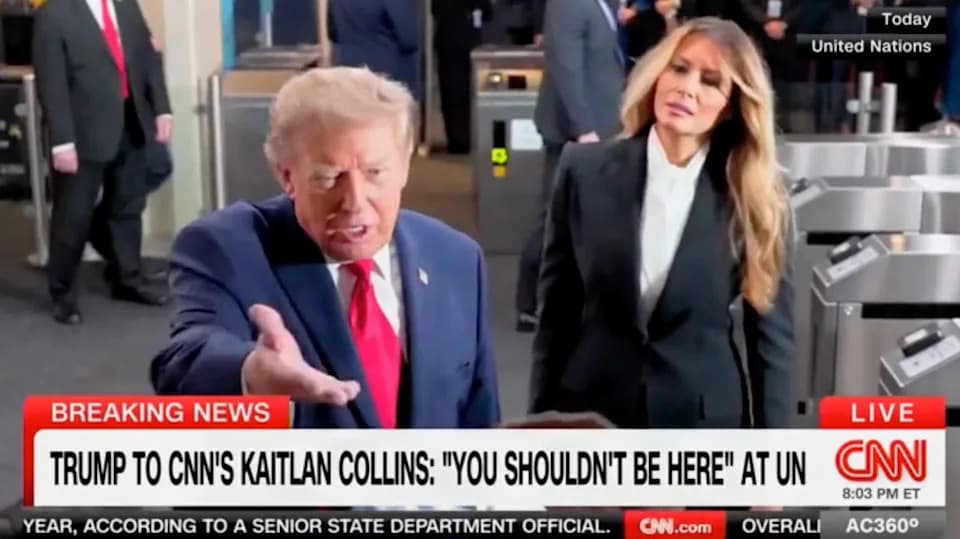
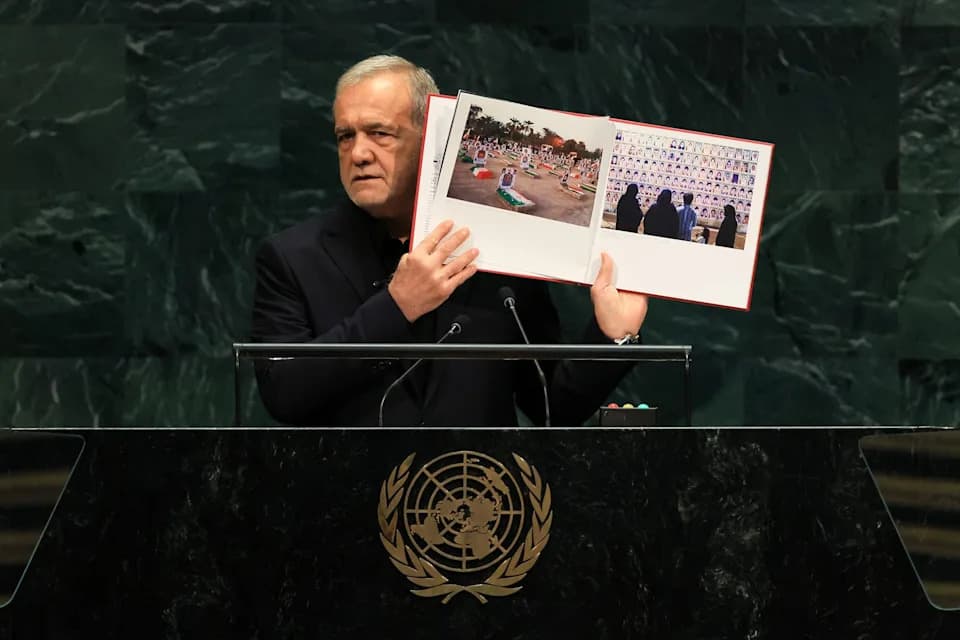
Faced with a near-total television blackout, the administration moved quickly to create its own outlet. On Monday the White House launched "Trump TV: The Essentials Station," a 24-hour YouTube livestream on the official White House channel billed as an unfiltered nonstop stream of the administration’s ‘‘greatest hits.’’ In practice the channel ran an automated loop of archival footage — a two-month-old Mount Rushmore speech, a months-old address on artificial intelligence, and a year-old dinner with Britain’s king — and, at one point, replayed a February prayer-breakfast speech while the president was speaking live at the U.N.
Audience metrics were a blunt rebuke. The channel debuted at roughly 8,000 concurrent viewers at 7 p.m.; within 90 minutes that audience had fallen by about half, and by the next morning live viewers had dropped to roughly 1,000—even though the White House YouTube account has more than three million subscribers. For a figure whose public identity is tightly bound to ratings, the numbers were a sharp reality check.
There are broader reputational signs of waning reach. An analysis by The Wall Street Journal of nearly 70,000 hours of political podcasts found mentions of Trump on conservative platforms have fallen by nearly 70% from their 2024 pre-election peaks, suggesting diminished airtime and audience fatigue.
Legal And Institutional Questions
Beyond embarrassment, the rollout raises potential legal problems. For decades Congress has barred federal agencies from spending appropriated funds on publicity or propaganda not explicitly authorized by lawmakers; that restriction is codified in Section 718 of the Financial Services and General Government Appropriations Act. Producing partisan content that glorifies an official with government resources can violate that prohibition regardless of the dollar amount involved.
Under the Antideficiency Act, federal employees who knowingly commit the government to obligations that violate appropriations law can face fines up to $5,000, up to two years in prison, or both. Critics point out that branding federal properties, hanging portraits in government buildings, or operating a taxpayer-funded YouTube stream devoted to replaying the president's speeches without a disclosed editorial process could raise legal exposure. Accountability for such decisions would fall to a Justice Department now led by the president's former personal attorney, creating perceived conflicts about internal enforcement.
The dispute over the press ban itself has already become a test case. CNN, POLITICO and MSNBC sued the administration, alleging that revoking their credentials without notice or an opportunity to respond violated due process and the First Amendment. Their complaint invokes Sherrill v. Knight, a 1977 D.C. Circuit decision that held access previously granted to bona fide journalists cannot be withdrawn arbitrarily. The case was assigned to Judge Timothy Kelly, a Trump appointee who in 2018 ordered the restoration of then-CNN correspondent Jim Acosta's credentials citing the same precedent.
In a broader legal move, the Justice Department asked the court to overturn Sherrill, arguing that White House access is a privilege rather than a right, and that the president should have discretion over access to the complex. If sustained, that position would permit selective, ongoing exclusions as a tool for punishing outlets deemed unfriendly—effectively codifying a major shift in how the White House interacts with the press corps.
What This Means
The simplest and most effective response the press has offered so far may be to maintain pressure through continued solidarity and withholding of production resources. Let the self-branded feed play to a smaller circle of loyal viewers while the broader media ecosystem withholds the amplification that usually converts presidential noise into national conversation. For the first time in years, the room around the president has quieted—and that silence is doing more to diminish his influence than any direct rebuke.
Help us improve.