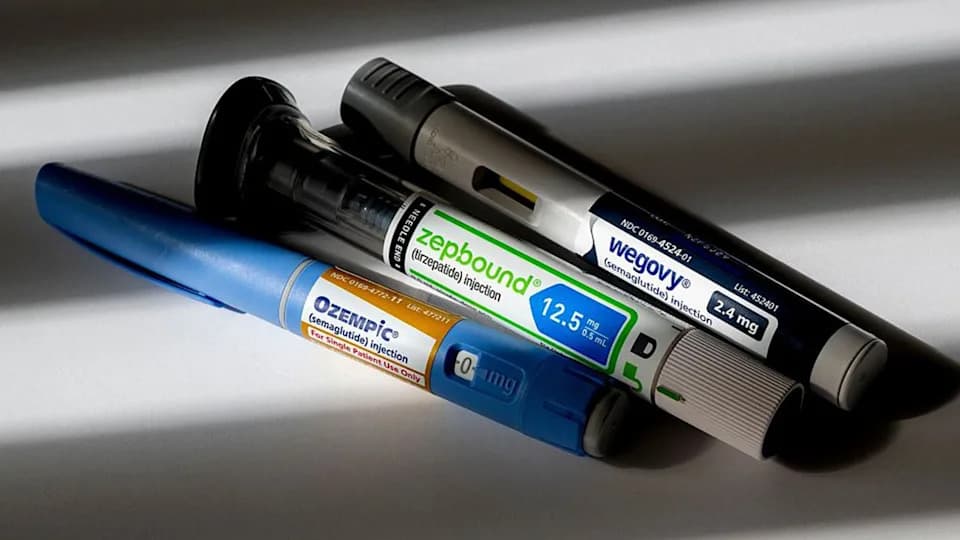
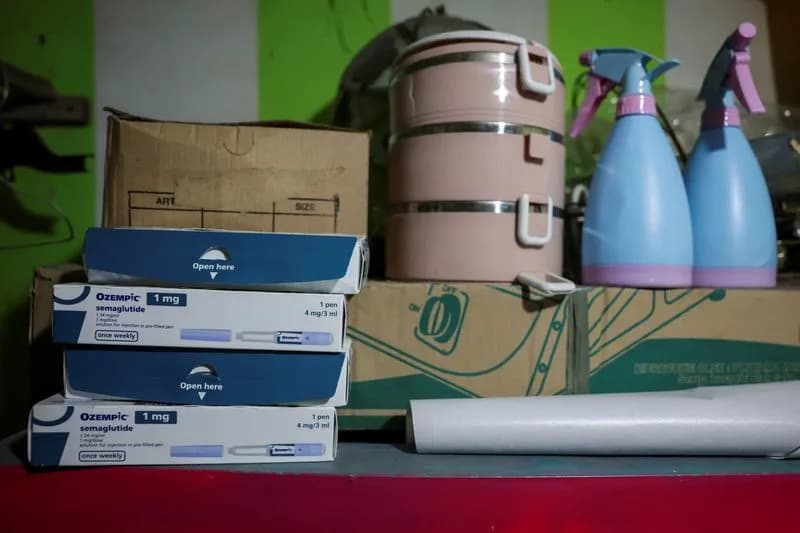
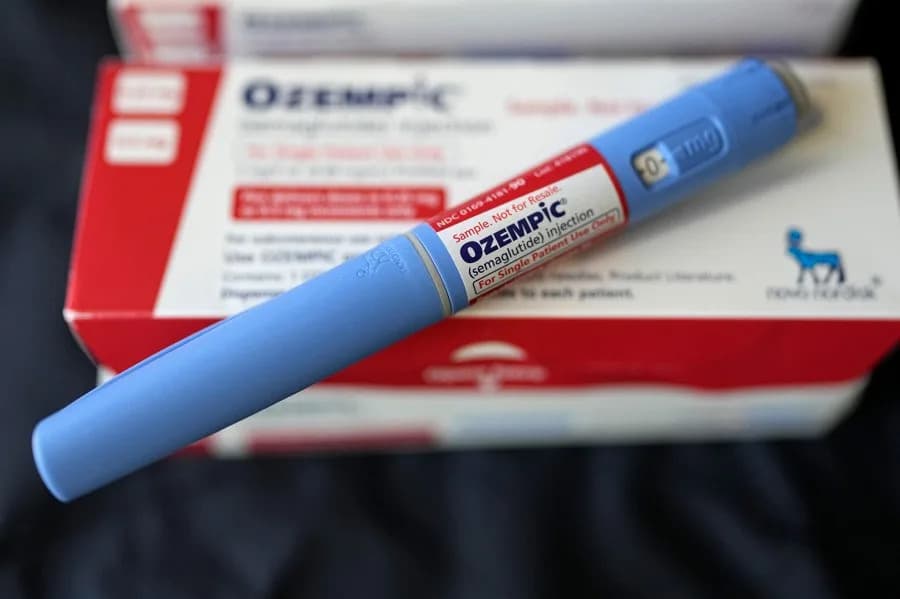
As lawsuits over GLP-1 drugs and permanent eye damage increase, a patient who took Ozempic says his vision loss was sudden and severe after about a year on the medication. He was diagnosed with NAION shortly after Christmas 2024 and estimates he lost roughly two-thirds of his vision. His attorney urges the FDA to require warning labels and routine pre-treatment eye exams for people at higher risk, specifically those with a "disc at risk." The legal and medical investigations into the alleged link are ongoing.
‘Dark, Scary’: Ozempic User Reports Sudden Vision Loss — Lawyer Urges FDA To Add Warning
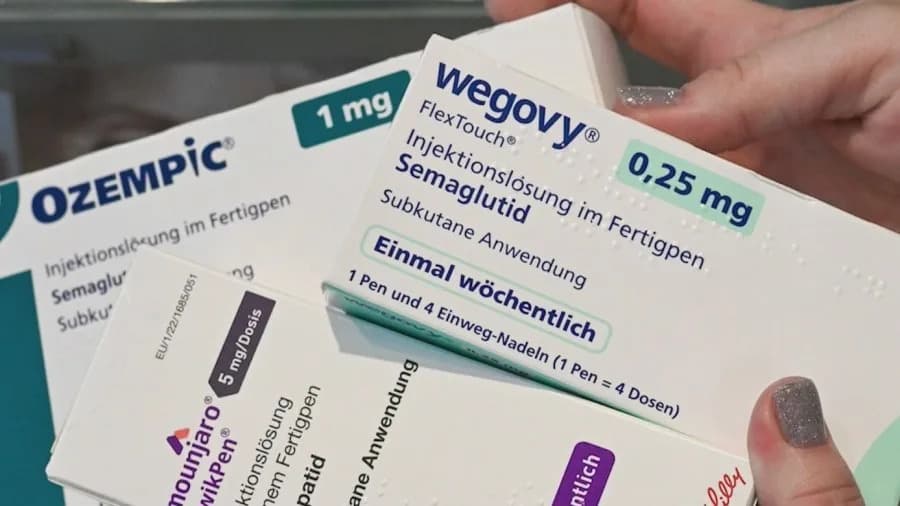
‘Dark, scary’: GLP-1 user who lost vision says he received no warning
Legal claims against makers of GLP-1 medications are mounting as patients allege permanent eye damage. One user, Jay Vandergriff, says his vision loss came on abruptly rather than gradually after about a year on Ozempic (a GLP-1 medication).
Vandergriff began taking Ozempic in 2023 and was diagnosed with non-arteritic anterior ischemic optic neuropathy (NAION) shortly after Christmas 2024. He estimates he lost roughly two-thirds of his vision and says the change was sudden and unexpected.
"It started off as almost an eraser smear, because I thought it was a smear on my glasses," Vandergriff told NewsNation Prime. "So I cleaned my glasses in the afternoon after we opened presents. And I took my glasses off. And then I realized it was my eye."
Vandergriff says he received no warning from his prescriber or the drug's labeling that Ozempic could be associated with sudden, severe vision loss. "If I had, obviously I wouldn't have done it," he said, noting he had valued his eyesight when weighing treatment options.
The vision change has had a profound effect on his daily life. Vandergriff described the experience as disorienting and limiting, saying it can feel "dark, like a curtain down below," making routine activities and travel more difficult.
What Is NAION?
NAION (non-arteritic anterior ischemic optic neuropathy) is an eye condition in which blood flow to the optic nerve is reduced or interrupted, causing sudden vision changes that can progress quickly. Medical experts say certain anatomical features — such as a small optic disc or "disc at risk" — may increase susceptibility.
Vandergriff's attorney, Danielle Gold, is pressing regulators to require manufacturers of GLP-1 drugs to add NAION to their warning labels and to recommend pre-treatment eye exams for patients who may be predisposed to the condition.
"Tell patients before starting this medication that they can go for a routine eye exam to see if they are predisposed to developing NAION because they have a condition called a disc at risk," Gold said. She also called for accountability and compensation for patients who have suffered life-changing injuries.
Multiple lawsuits now allege a link between GLP-1 medications and NAION, but investigations and litigation are ongoing. Patients considering GLP-1 therapies should discuss potential risks and monitoring with their healthcare providers; this article does not constitute medical advice.
Help us improve.