Researchers are investigating whether GLP‑1 weight‑loss drugs (semaglutide, tirzepatide) change cancer risk or outcomes. Observational studies often report lower cancer incidence and improved survival among GLP‑1 users, but findings are mixed and some analyses suggest higher risk for specific cancers. Experts stress that randomized clinical trials and mechanistic research are needed to determine causality and whether benefits reflect weight loss, immune effects, or both.
Could Popular GLP‑1 Weight‑Loss Drugs Affect Cancer Risk and Survival? What Researchers Are Finding

As GLP-1 medications continue reshaping the treatment of obesity and diabetes, researchers are also investigating whether the drugs could influence cancer risk and outcomes.
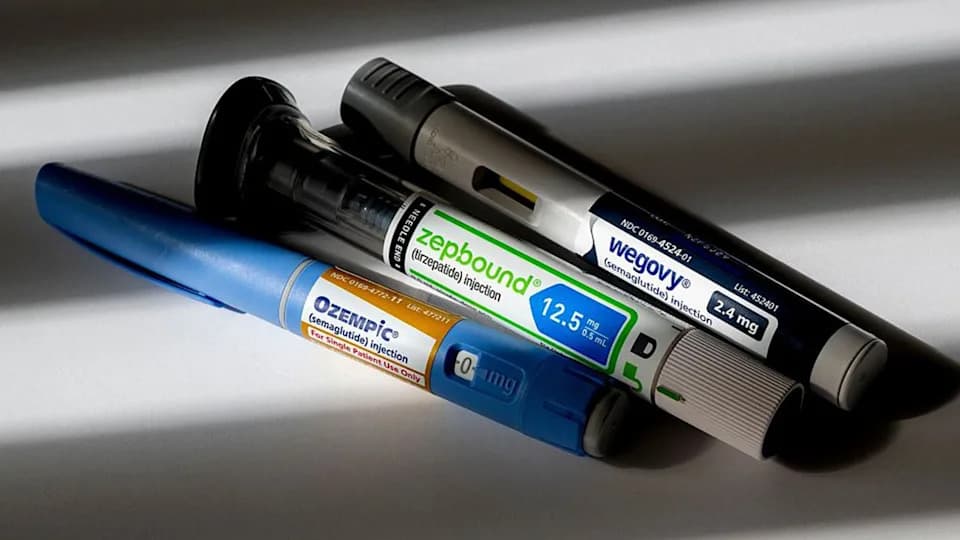
As GLP‑1 receptor agonists—such as semaglutides (Ozempic, Wegovy) and tirzepatides (Mounjaro, Zepbound)—reshape treatment for obesity and type 2 diabetes, researchers are asking a new question: might these drugs also change cancer risk or outcomes?

While the AACR report cited studies suggesting GLP-1 medications may reduce the risk of certain cancers, it emphasized that the overall evidence is mixed and more research is needed.
What the AACR Report Says
The American Association for Cancer Research's 2026 Cancer Progress Report highlights obesity as a major, modifiable risk factor for many cancers. Because GLP‑1 drugs produce significant and sustained weight loss and improve metabolic health, the agents have drawn scientific interest as potential modifiers of cancer risk and prognosis.

The American Association for Cancer Research's 2026 Cancer Progress Report, released earlier this month, noted that obesity is a major risk factor for many cancers.
Evidence So Far: Promising But Mixed
Several retrospective observational studies and clinical observations report lower cancer incidence and improved survival among patients using GLP‑1 receptor agonists. Examples include lower recurrence rates after lung cancer surgery and improved outcomes for some patients receiving immunotherapy who were also on GLP‑1 treatment.

The effect may differ depending on the type of cancer, an expert said, because the immune response is more important in some cancers than others.
However, the overall evidence is inconsistent. Some retrospective analyses found no association, and a few reported an increased incidence of specific tumors, notably certain thyroid cancers. The AACR and clinicians emphasize that these are largely observational findings and that randomized clinical trials (RCTs) specifically designed to assess cancer outcomes have not yet been completed.

"Not every patient who takes GLP-1 receptor agonists responds with a substantial weight loss, so in future trials, it would be interesting to see if the benefit for patients depends on the weight loss," the expert said.
How These Drugs Might Influence Cancer Biology
Preclinical work suggests GLP‑1 drugs have limited direct cytotoxic effects on tumor cells. Experts propose two plausible, non‑exclusive mechanisms:
- Indirect Effects Through Weight Loss and Metabolic Improvement: Reducing obesity and improving insulin sensitivity may lower cancer risk and slow progression in obesity‑related cancers.
- Immune Modulation: Emerging data indicate GLP‑1 agents might alter anti‑tumor immunity, potentially enhancing the body’s ability to control certain cancers—an effect that could vary widely by cancer type.
Limitations And Next Steps
Most existing studies are retrospective and susceptible to confounding (differences in patient health, screening behavior, follow‑up, or concurrent treatments). Determining whether observed benefits stem from weight loss, immune effects, metabolic changes, or other factors requires carefully controlled trials. Experts call for prospective randomized trials and mechanistic research to clarify causality and safety, especially for signals like the possible thyroid‑cancer link.
Clinical Implications
At present, GLP‑1 drugs remain approved for weight management and metabolic disease, not for cancer prevention or treatment. Clinicians and patients should weigh known benefits and risks for approved indications while awaiting stronger evidence about cancer outcomes. Continued funding for cancer research, including studies supported by the National Cancer Institute, will be critical to resolve these questions.
Bottom Line: Early observational data are encouraging but inconsistent. Randomized trials and mechanistic studies are needed before GLP‑1 medications can be recommended specifically to prevent or improve cancer outcomes.
Help us improve.