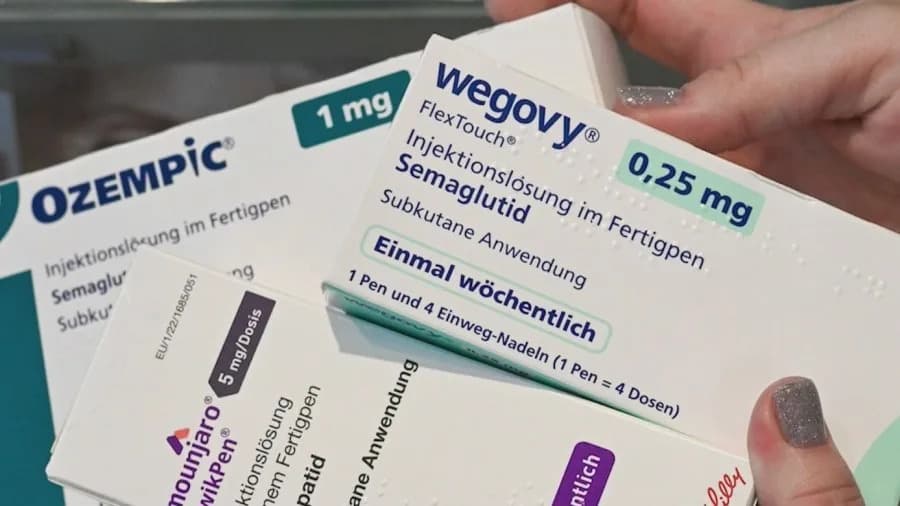
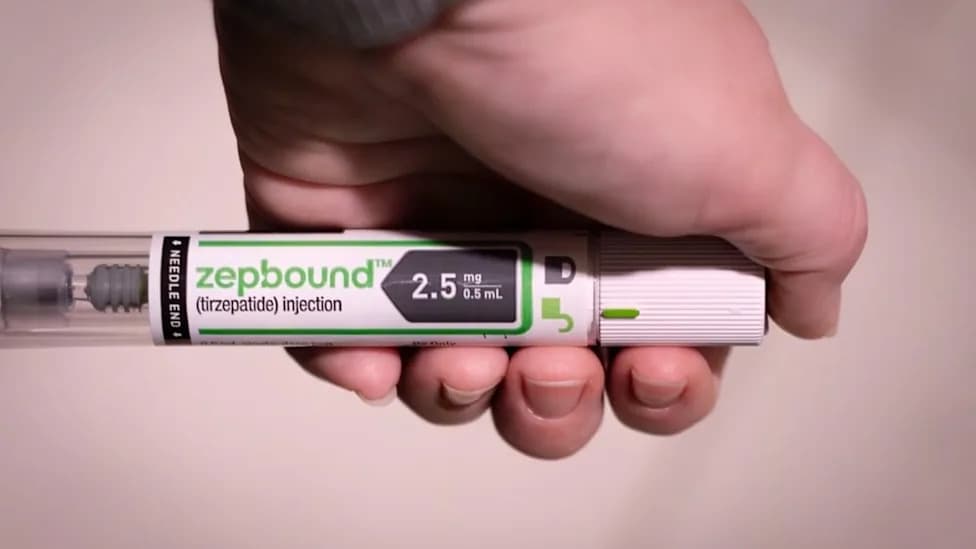
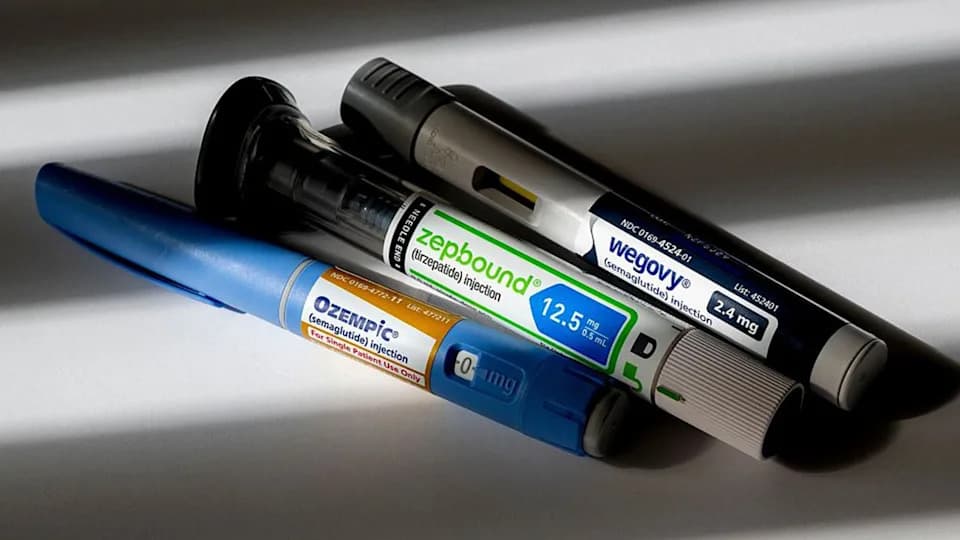
Novo Nordisk presented a real-world analysis of 636,525 adults with type 2 diabetes showing that escalation of Ozempic from 1 mg to 2 mg was associated with a statistically significant 6% lower risk of major adverse cardiovascular events than switching to Eli Lilly's Mounjaro (up to 15 mg). Treatment patterns at 365 and 720 days showed most patients remained on Ozempic, with a growing share escalating to 2 mg over time. The results were presented at the EASD meeting in Milan and build on prior analyses of HbA1c and weight-loss outcomes.
Real-World Study: Escalating Ozempic to 2 mg Linked With 6% Lower Cardiovascular Risk Than Switching To Lilly's Mounjaro

Packages of Ozempic are stacked on top of a cabinet at the home of Intan Permatasari in Bogor, West Java province, Indonesia, May 13, 2026. REUTERS/Ajeng Dinar Ulfiana
COPENHAGEN, Sept 29 — Novo Nordisk reported on Tuesday that a large real-world analysis found adults with type 2 diabetes who increased their Ozempic dose from 1 mg to 2 mg experienced a lower incidence of major adverse cardiovascular events compared with patients who switched to Eli Lilly's Mounjaro (doses up to 15 mg).
Study Findings
The company said that escalation to Ozempic 2 mg was associated with a statistically significant 6% reduction in the risk of major adverse cardiovascular events versus switching to Mounjaro. The results were presented at the European Association for the Study of Diabetes (EASD) annual meeting in Milan, Italy.
Population and Treatment Patterns
The analysis included 636,525 adults with type 2 diabetes. Within 365 days of their first prescription, 67.2% remained on Ozempic 1 mg, while 29.2% either increased to Ozempic 2 mg or switched to Mounjaro. At the 720-day follow-up, 57.4% remained on Ozempic 1 mg, 36.9% had escalated to 2 mg, and 5.7% had switched to Mounjaro.
“These real-world findings can help provide insights into how intensification strategies may affect cardiovascular outcomes as an important factor in patient care,” said Michael Radin, Executive Medical Director at Novo Nordisk.
Context and Next Steps
According to Novo, this analysis builds on earlier work using the same dataset that examined HbA1c (a measure of average blood-glucose control) and weight-loss outcomes. Novo and Eli Lilly continue to compete aggressively for market share in the U.S. obesity and diabetes treatment markets, which analysts forecast could reach $100–$150 billion by 2030.
Notes on interpretation: The findings are from a real-world analysis reported by Novo Nordisk and were presented at a scientific meeting. Real-world studies can provide useful clinical insights but differ from randomized controlled trials in design and potential for confounding. Readers should consider the source and context when interpreting the results.
(Reporting by Louise Rasmussen and Christy Santhosh; editing by Stine Jacobsen)
Help us improve.