A peer‑reviewed analysis published Sept. 17 in the journal Childhood Obesity found that children ages 10–17 who started treatment with GLP‑1 receptor agonists experienced measurable rates of diagnosed nutritional problems within a year of initiation. The real‑world claims study raises questions about how pediatric GLP‑1 therapy is monitored and supported nutritionally.
Study Design and Population
Researchers reviewed medical claims for 2,031 pediatric patients (mean age 15) who began a GLP‑1 medication. The study population included a high proportion (62.6%) with an obesity diagnosis. The medications studied were liraglutide, dulaglutide, exenatide, lixisenatide and semaglutide; liraglutide represented the majority of prescriptions (78.6%), followed by dulaglutide (10.4%) and semaglutide (9.1%).
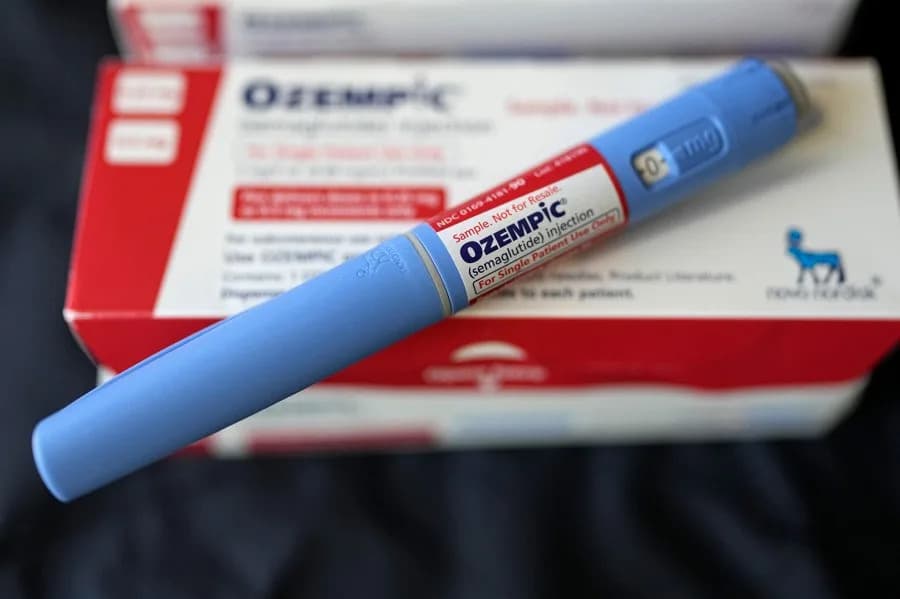
(AP Photo/David J. Phillip, File)
Key Findings
- 16.88% of patients had at least one diagnosis related to nutritional deficiency within 365 days of starting a GLP‑1 drug.
- Vitamin D deficiency was the most common diagnosis (12.4%).
- Nutritional anemia was recorded in 1.55% of patients and iron‑deficiency anemia in 1.44%.
- Only 23.3% of patients had a documented nutrition therapy or counseling visit within 180 days of treatment start; the mean time to the first visit was 149 days.
Why This Matters
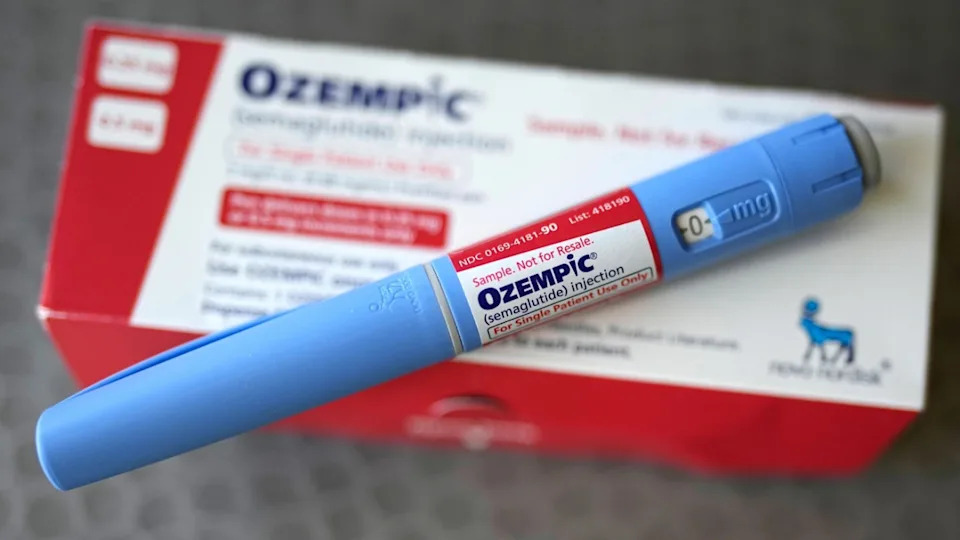
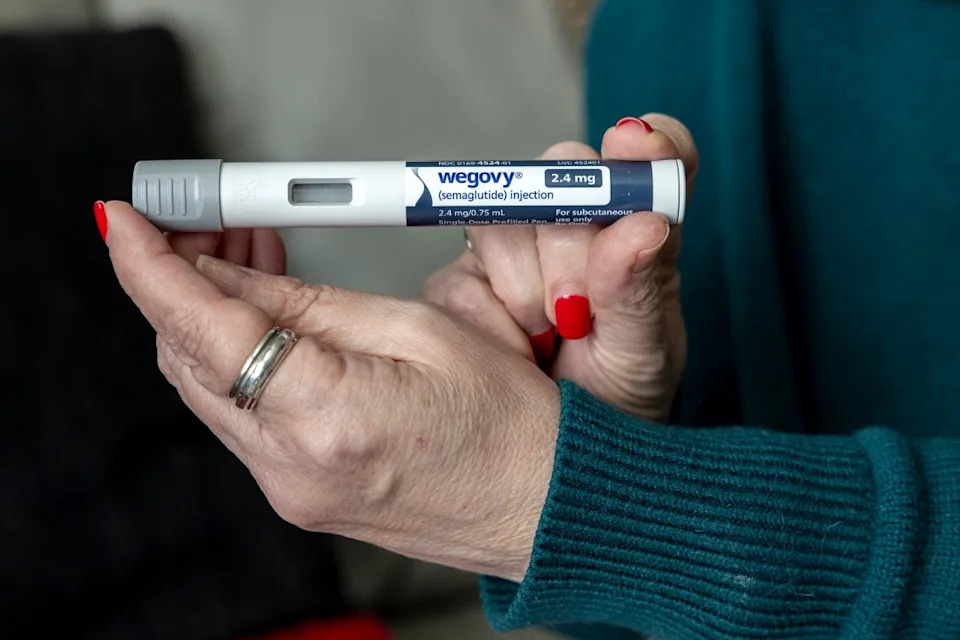
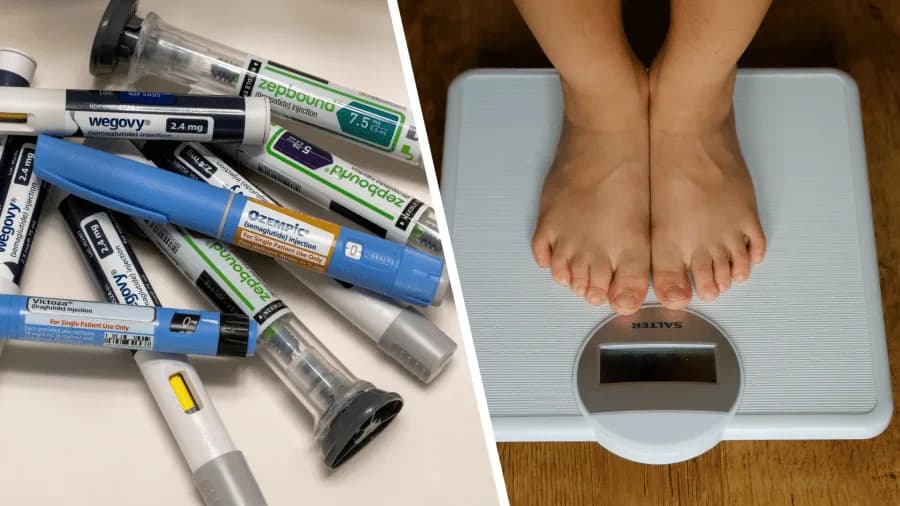
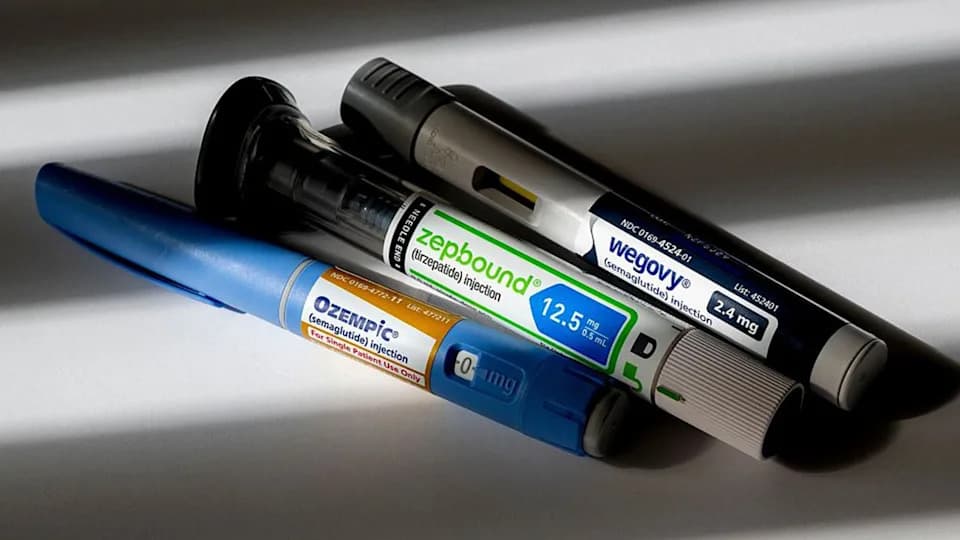
GLP‑1 receptor agonists (including brand names such as Ozempic and Wegovy, both forms of semaglutide, though approved uses differ) reduce appetite, increase satiety and slow gastric emptying. While these effects can support weight loss or glucose control, they may also lower overall caloric and nutrient intake—an important concern in growing children and adolescents who require adequate energy, protein and micronutrients for growth, puberty, bone development and muscle accrual.
Limitations and Authors' Conclusions
The investigators emphasize that the analysis was descriptive, using claims data to document patterns in routine care, and was not designed to prove causation between GLP‑1 exposure and nutritional deficiencies. Nonetheless, the authors call nutritional deficiencies a "meaningful and under‑recognized risk" and recommend integrating proactive nutrition therapy and counseling into pediatric GLP‑1 treatment plans to support healthy growth and longer‑term outcomes.
(AP Photo/Amanda Andrade-Rhoades, File)
Practical Context
Regulatory context is important: Ozempic (semaglutide) is FDA‑approved to improve blood sugar control in adults with type 2 diabetes and to reduce certain cardiovascular risks, while Wegovy (also semaglutide) is specifically FDA‑approved for chronic weight management in patients aged 12 and older with obesity, when used alongside diet and increased physical activity.
The study also notes access patterns—some Americans seek GLP‑1 products across borders (for example, in Mexico), reflecting demand and varying availability.
"These findings suggest opportunities to deliver more proactive nutritional care as pediatric use of GLP‑1 agents increases," the authors write, while acknowledging that claims‑based analyses describe associations rather than causation.
Bottom line: Clinicians and families considering GLP‑1 therapy for adolescents should be aware of potential nutritional risks, monitor nutrient status (including vitamin D and iron), and consider early referral to registered dietitians for counseling and follow‑up.
Source: Study in Childhood Obesity, published Sept. 17; analysis of 2,031 pediatric patients aged 10–17.