Late-stage Phase III trials of Opus Genetics' 0.75% phentolamine eye drops showed meaningful improvements in night vision for patients with glare, halos and reduced acuity in low light: 13% improved by three lines at day 8 and 21% by day 15, versus 3% for placebo. The drops constrict the pupil for at least 20 hours and have FDA Fast Track designation. Separately, an NCCN survey of 31 cancer centers found universal shortages of at least one generic oncology drug, with ifosfamide (94%) and carboplatin (71%) notably affected, prompting calls for incentives to boost manufacturing.
Experimental Eye Drops Improve Night Driving in Phase III Trials; Survey Reveals Major Cancer Drug Shortages

FILE PHOTO: Cars queue during traffic jam on the city highway A100 at rush hour in Berlin, Germany, November 14, 2018. REUTERS/Fabrizio Bensch/File Photo
Sept 11 (Reuters) - New clinical data offer hope for people who struggle to see while driving at night, while a separate survey of leading U.S. cancer centers highlights persistent shortages of essential generic oncology drugs and calls for economic incentives to stabilize supply.
Opus Genetics Eye Drops Show Measurable Night-Vision Benefits
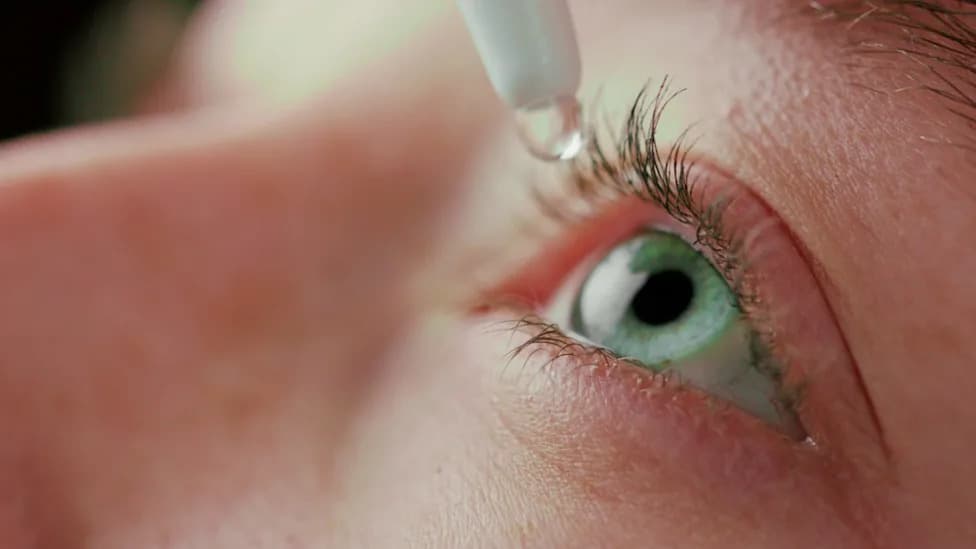
Opus Genetics' investigational eye drops, a 0.75% phentolamine ophthalmic solution, produced statistically significant improvements in night vision for people who reported reduced visual acuity in dim or dark conditions and symptoms such as glare, halos and starbursts, according to two late-stage trials.
In the first Phase III study, 145 patients were randomized to receive the phentolamine drops or a placebo once daily for either eight or 15 days. By day 8, 13% of treated participants had gained at least three lines (15 letters) on a standard eye chart, compared with 3% of the placebo group. By day 15, 21% of the phentolamine group achieved that level of improvement while the placebo rate remained 3%.
Participants also rated overall night-vision problems on a 1-to-7 scale (7 = most severe). Mean scores for the treated group improved from 4.3 at day 8 to 3.3 at day 15, versus 4.6 and 4.3 for placebo, a statistically significant difference. By day 15, those receiving the drops reported significantly less trouble from glare, halos and starbursts.
Researchers say the drops act on an iris muscle to produce moderate, sustained pupil constriction lasting at least 20 hours, a mechanism reported in The American Journal of Ophthalmology. Many trial participants attributed their symptoms to after-effects of corneal reshaping procedures such as LASIK, which can increase sensitivity to bright lights at night.
Opus Genetics also announced encouraging early results from a second Phase III trial showing functional improvements in difficulty seeing the road because of oncoming headlights and glare when driving at dawn or dusk. The U.S. Food and Drug Administration has granted the therapy Fast Track designation as a potential treatment for chronic night-driving impairment, which can accelerate the review process.
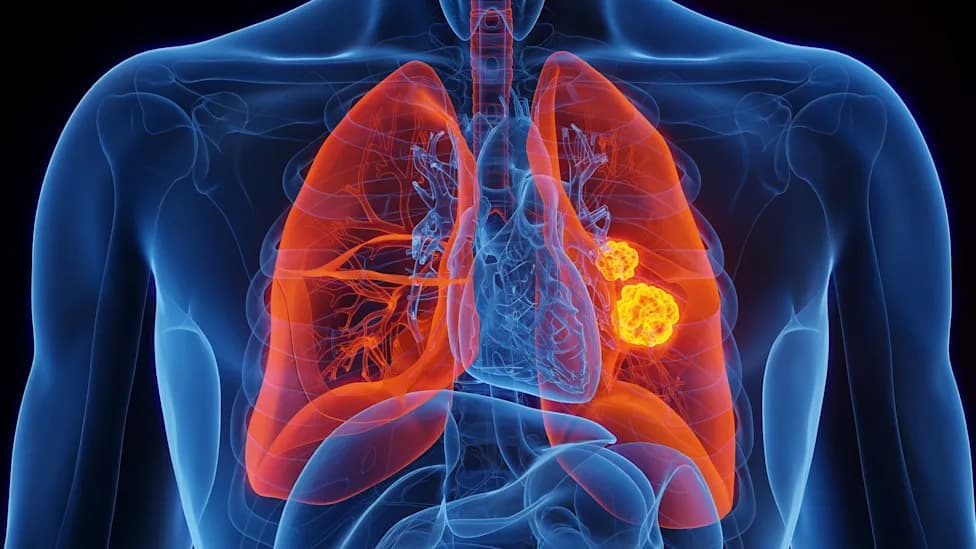
Survey: Widespread Shortages of Generic Cancer Drugs Strain Centers
A late-August survey by the National Comprehensive Cancer Network (NCCN) asked pharmacy directors and other leaders at its 34 member institutions about drug shortages; 31 centers responded. Every responding center reported a shortage of at least one anti-cancer medication, and more than 20% reported shortages of five or more different drugs.
The survey found that 94% of respondents reported a shortage of the generic chemotherapy ifosfamide. Shortages were also common for carboplatin (reported by 71% of centers) and, to a lesser extent, cisplatin (16%). The immunotherapy Bacillus Calmette-Guérin (BCG) for bladder cancer was in short supply at more than half of respondents.
When clinicians altered treatment plans because of shortages, 90% of centers said insurers required repeat prior authorization for the revised plans, increasing administrative burdens and risking delays in continuity of care. Alyssa Schatz, NCCN's vice president of policy and advocacy, said nearly every pharmacy director who responded wants economic incentives to encourage high-quality manufacturing of generic oncology medications. As one respondent put it: "Many oncology generics are clinically indispensable but economically unattractive. Without correcting that economic imbalance, shortages are likely to recur."
(Reporting by Nancy Lapid; Editing by Bill Berkrot)
Help us improve.