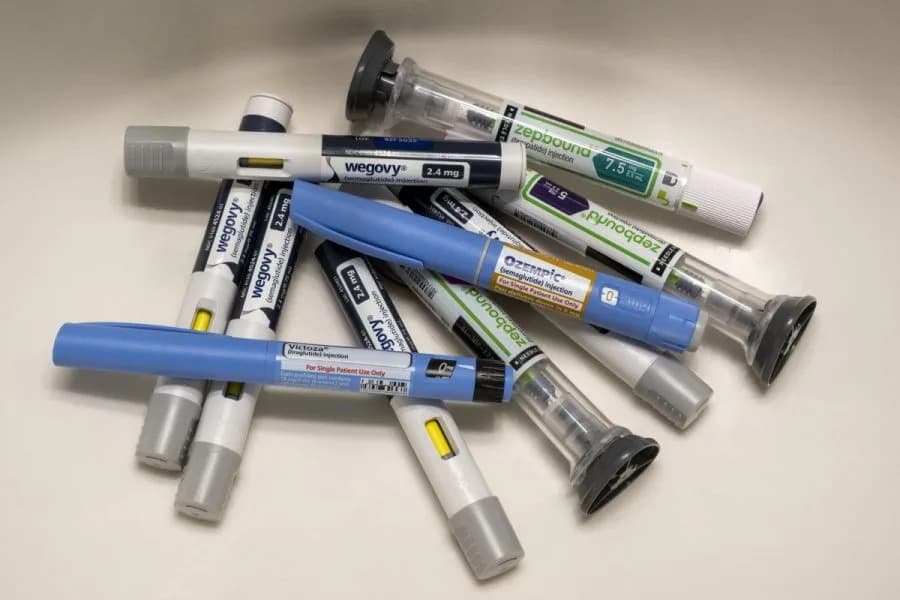
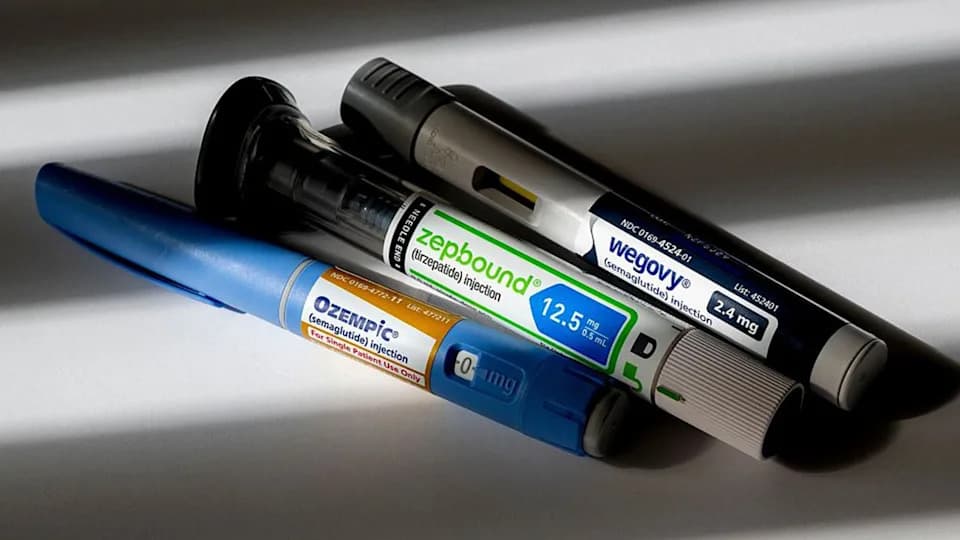
GLP-1 drugs like Ozempic, Wegovy and Mounjaro have driven widespread, rapid weight loss, but many patients are left with excess, sagging skin. An ASPS report names lifting procedures the "defining category of 2025," with upper-body lifts up 22% year-over-year and arm and neck lifts each up about 21%. More than 80% of ASPS surgeons received GLP-1–related consults, and some practices report 70–80% of patients using these medications. Patients—like a 31-year-old who had a breast lift—say surgery restored comfort and confidence.
The Ozempic Boom Is Fueling a Surge in Lifts — The Defining Plastic Surgery Trend of 2025
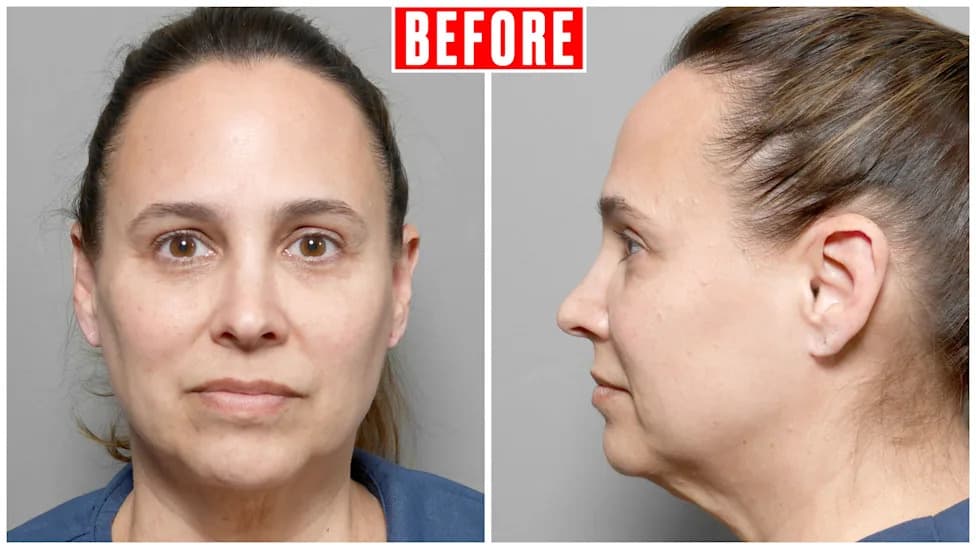
The Daily Beast/Dr. Daniel Gould
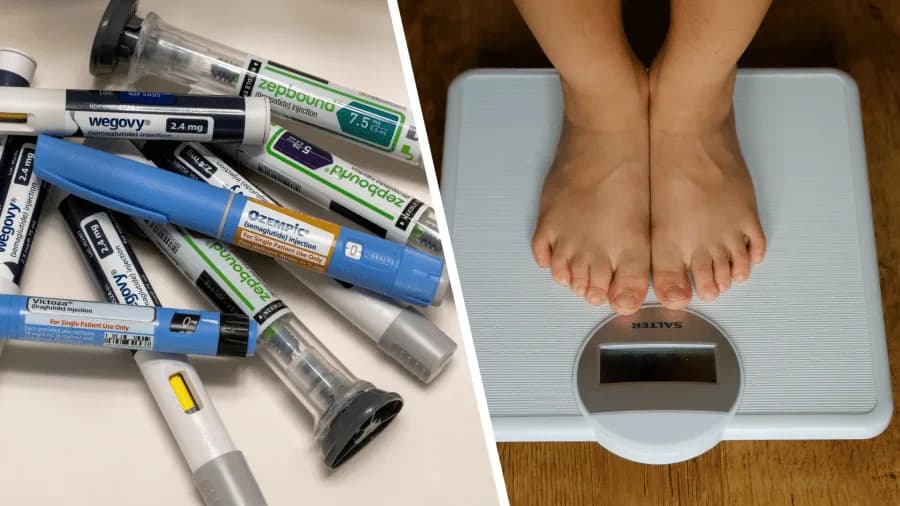
Appetite-suppressing GLP-1 medications such as Ozempic, Wegovy and Mounjaro have become widespread, credited by many—including high-profile celebrities—with dramatic weight loss. While these drugs can produce substantial reductions in body weight, the skin often cannot keep pace with rapid transformations, creating a growing need for surgical correction.
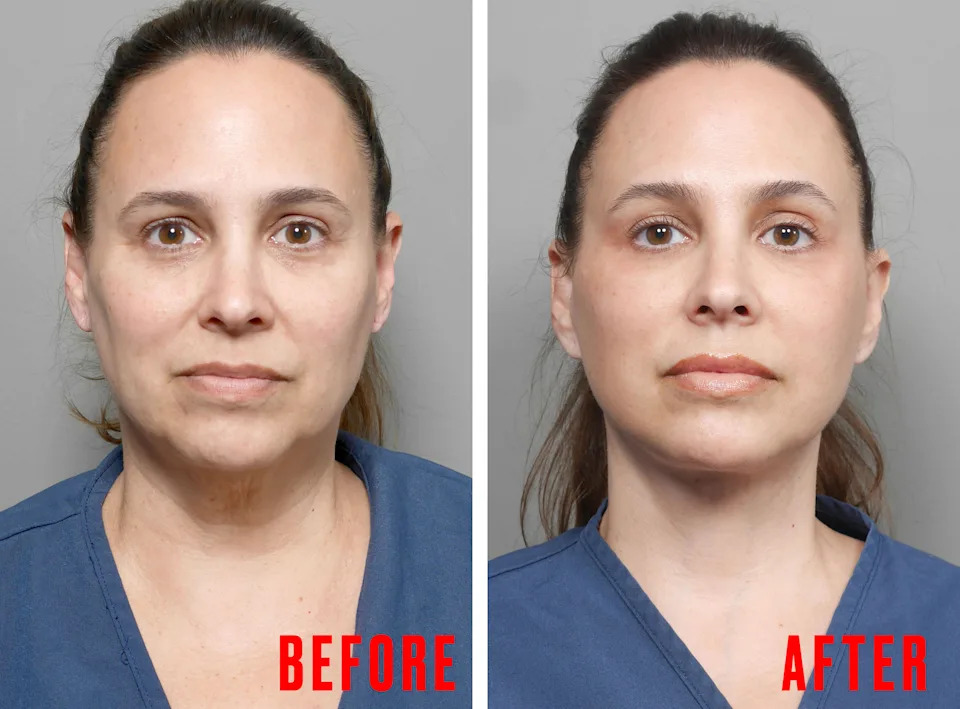
Dr. Daniel Gould's patient, Leah, lost 80 pounds on GLP-1s but noticed her skin sagging. He performed a deep-plane facelift, temporal lift, and neck lift. / Dr. Daniel Gould
Surgeons Report a Sharp Rise in Lift and Contouring Procedures
A new report from the American Society of Plastic Surgeons (ASPS) identifies lifting procedures — body-contouring and facial lifts that remove or tighten excess, sagging skin — as the "defining category of 2025." According to the ASPS, upper-body lifts rose 22 percent year-over-year, while arm and neck lifts each increased by about 21 percent. Thigh lifts, facelifts and breast lifts also saw notable gains.
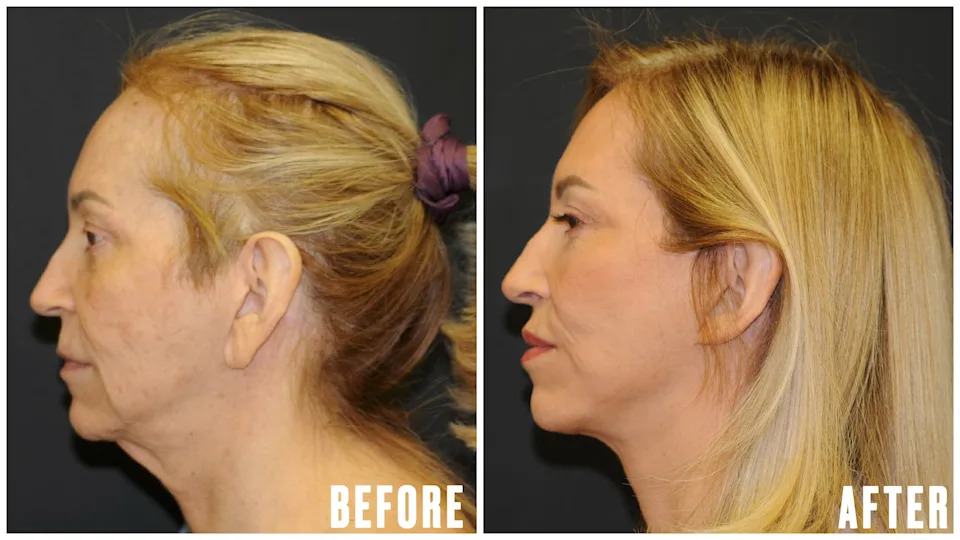
Dr. Anthony Berlet's client, Diane, lost 120 pounds with the help of GLP-1 medication, but she felt the rapid weight loss aged her appearance and left her with loose skin. / The Daily Beast
More than four out of five ASPS member surgeons reported receiving consultation requests related to patients' use of GLP-1 medications. Several leading plastic surgeons say GLP-1 drugs are now one of the primary drivers of aesthetic surgery demand: in some practices, an estimated 70–80 percent of patients are currently taking these medications.
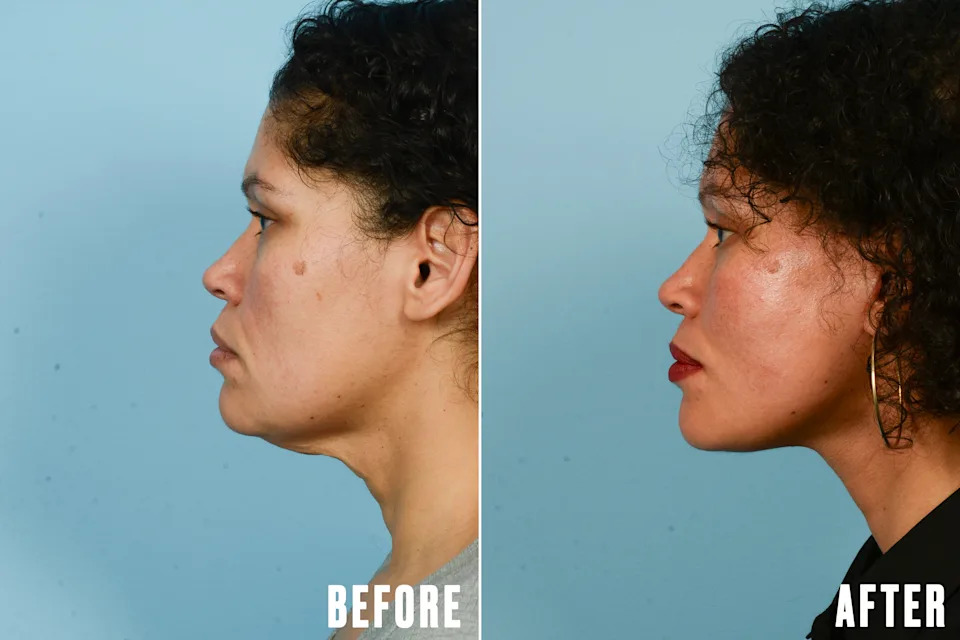
Dr. Sammy Sinno's patient naturally lost 80 pounds and opted for a
“One theme stands out: More patients appear to be seeking aesthetic surgery to complete their weight loss journey after using GLP-1 medications,” wrote Dr. C. Bob Basu, president of the ASPS, in the report introduction.
Surgeons interviewed for the report described a steady stream of patients who achieve rapid weight loss on medication but are left with loose, sagging skin that affects appearance, comfort and physical activity. As Dr. Kristy Hamilton put it, this is not merely a trend but a seismic shift that is reshaping plastic surgery practice.
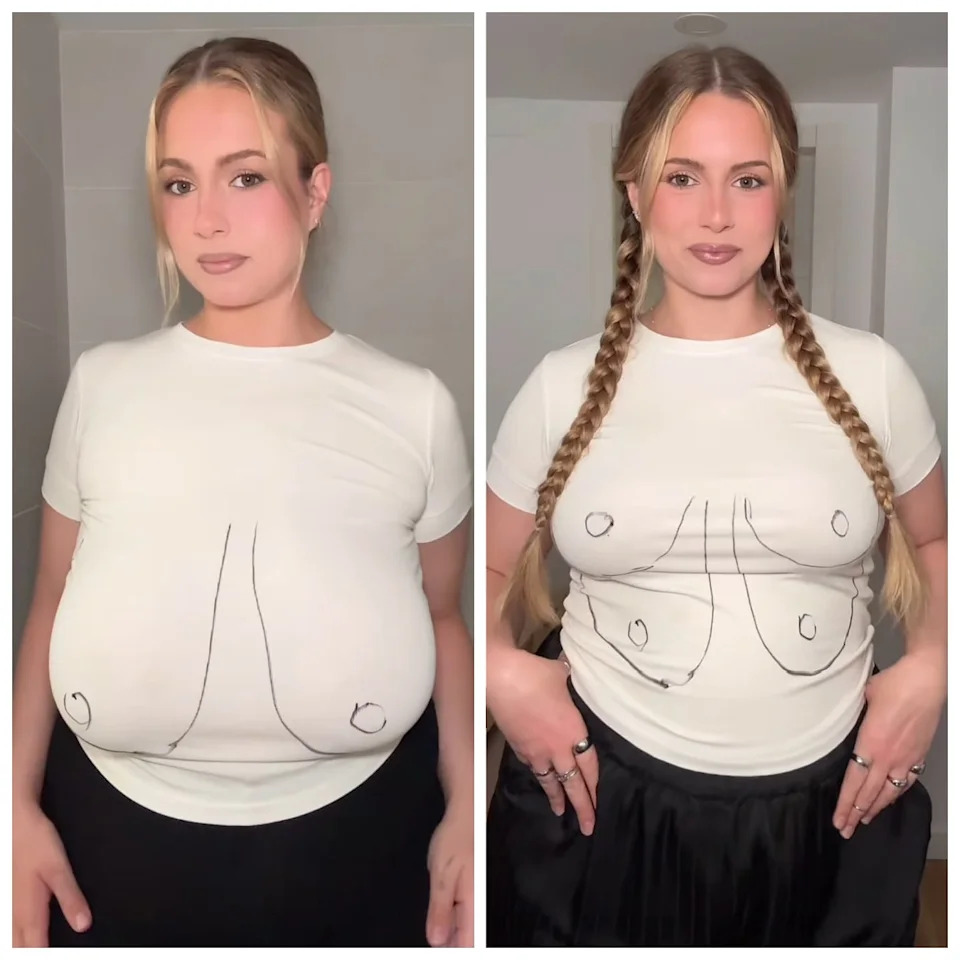
Ellen Larson underwent a breast reduction after gaining weight and then losing it on GLP-1s. / Courtesy of Ellen Larson
Patient Experiences
Patients report meaningful improvements in daily life after lifts and contouring. Ellen Larson, 31, from Minnesota, chose a breast lift after losing weight on a GLP-1 medication. She said the procedure eased discomfort during exercise and dressing and restored confidence: “I'm excited to go shopping and wear strapless, backless shirts, halter necks—everything I never could have worn before.”
While lifts can deliver dramatic aesthetic and quality-of-life benefits, surgeons emphasize the importance of individualized evaluation: candidacy depends on overall health, timing after weight loss, realistic expectations and an experienced plastic surgeon's assessment.
Bottom line: As GLP-1 medications continue to drive rapid weight loss for many patients, demand for lifting and body-contouring procedures has surged. Patients and surgeons alike should weigh the medical risks and benefits and plan surgery as part of a comprehensive, personalized care pathway.
Help us improve.